


 Türkçe
  English (UK)
  Русский
  العربية
  日本語
日本語  한국어
한국어  Magyar
  Español
  Čeština
  Svenska
  Português
  Ελληνικά
  Suomi
Suomi  Nederlands
  Română
  Italiano
  Français
  Polski
  Українська
  Deutsch
  简体中文
简体中文  Slovenčina
  Navigating Boat Shows – Your Guide to Buying the Dream Aluminum Fishing Boat">

Choose a 16–18 ft aluminum fishing boat with a wide beam for stability and easy handling. Prepare a concise needs list, measure your storage, and set a realistic total budget, including trailer and gear. This approach will help you save money and compare these boats efficiently. Tip: bring a tape measure and a notepad to capture exact dimensions and notes at each booth.
Focus on hull design: stability comes from beam width, a shallow deadrise, and weight distribution, while maneuverability depends on a responsive tiller or console layout. For inland lakes, target a beam around 68–72 inches, a welded hull, and a transom rated for 90–115 HP to ensure planing performance. Unlike sailboats, these boats have no sails, which keeps maintenance straightforward and costs lower. Consider material thickness and cross-sections as part of a tight budget, and check the store options from multiple brands to compare value. Compare those options that align with your priorities.
Test handling at the show by simulating common tasks: turning in tight spaces, loading gear, and passing through chop at 10–15 mph. These tests reveal performance gaps between models, especially in how the boat handles weight shifts when you add friends and gear. Look for models that offer available upgrades such as locking rod storage, refrigerated livewells, and built-in battery trays to simplify getting ready for trips. These features add ease to daily use on the water.
Family use matters: without children, you may prioritize max cockpit space and low maintenance; with children, prioritize crowded-day safety features, non-slip decking, and stable platforms for casting. Ensure proper railing height, secure cleats, and easy access to a reliable bilge pump. Think about storage solutions for gear, bait, and life jackets, and confirm that the boat’s weight and trailer load fit your garage or storage lane.
When deciding, think of it as an investment with store demos and in-store financing options. These shows offer opportunities to compare price points, warranties, and dealer incentives side by side. Use this moment to invest in a boat you’ll trust for years. After narrowing to a couple of options, request a detailed spec sheet and a written test plan to verify that your chosen model meets your needs and fits your budget.
Targeted prep for aluminum fishing boat buyers at boat shows
Make a three-boat shortlist and a concrete demo plan before you step into the show. This focused prep keeps you grounded and ensures you compare like-for-like aluminum fishing vessels.
Positioning yourself as a serious buyer means mapping your typical day on the water: where you fish (shoreline, river, inlets), how you maneuver in a marina, and how easily you access gear from the bow and stern. Filter options by those needs rather than flashy features.
Experienced buyers should inspect hull integrity: look for clean welds, consistent rivets, and corrosion protection. Ask for the gauge of aluminum and overall weight, and verify trailer compatibility with your existing rig. Compare live wells, rod storage, and gear space at similar lengths to ensure you don’t overrun space in practice.
For those bringing children, check safety features: tall, non-slip decks, high rails, and reachable storage so kids enjoy the ride without clutter. Look for retractable boarding ladders or easy-access transoms that simplify getting on and off when the dock gets busy.
At the show, request a side-by-side comparison of two to three vessels in a similar length and fishing layout. Note differences in space between console, casting decks, and live-well capacity. Use a simple matrix to record hull type, motor options, battery configuration, and trolling motor readiness, then make a decision based on your timeline and budget.
Getting hands-on time helps: you could request a water-test slot or a controlled on-water demo near the marina. If the show has used models, compare wear on transom, console, and rub rails to spot long-term maintenance needs.
Edge cases: retractable fishing seats or flip-up consoles can ease storage at home port. Confirm access to bilge pump, live-well drainage, and battery bank under console for easy maintenance.
Those with experience on keelboat or sailboat can apply the same discipline: map your crew, gear, and port limits, then verify that each vessel offers safe boarding, a stable ride, and predictable handling. When you compare models, choose the one that fits your space and gets you back to enjoying time on the water with family and friends.
Identify your primary fishing environments and target boat size
Choose a versatile 18–22 ft aluminum boat as your baseline for inland and nearshore fishing. Having a stable platform with a shallow draft lets you work rivers, marsh creeks, and small bays without adding a second craft. This vessel size keeps transport simple and costs predictable, making the selection practical for beginners and experienced anglers alike. If youve already toured a few models, this baseline helps you compare features quickly, focusing on those that truly affect how you fish every day.
Identify your primary fishing environments: freshwater lakes with calm coves, rivers with current, tidal estuaries, and open coastal bays. There, you will see how miles of shoreline and water depth influence gear choices. For days with wind or chop, a hull with good stability, a robust livewell system, and reliable bilge and electrical setups matter. Use photos from past trips and from exhibitors to compare layouts side by side and note which features play to your fishing styles and access points.
Choosing your target size by environment yields practical guardrails: 18–20 ft covers most lakes and calm rivers with easy handling; 20–22 ft balances inland use with longer runs and more gear; 22–26 ft suits open bays and offshore days, especially with a cruiser-style console and higher freeboard. Likely you will prize a wider casting deck and a fixed transom that accepts standard outboards, which keeps maintenance simple and upgrades straightforward. Those considerations reduce the risk of overestimating or underestimating needed capacity.
Key decision factors include hull design (all aluminum, V hull versus flat bottom), draft, seating layout, livewell capacity, storage, and the system reliability of electrical and trolling motors. A fixed transom supports heavier motors and reduces the risk of splash during long runs. Check marina access, ramp angles, and trailer width so you can align your skills and preparation with the vessel you own, owning a craft that fits your routine. Experts at the show can point out hidden advantages and tradeoffs you may miss. Prepare questions in advance and note how the boat performs in turns and while backing. Crucial checks include engine response, steering feel, and hull integrity. And also evaluate the battery, trolling motor, and accessory systems for reliability.
Prepare a simple plan for test trips and dock checks: verify you can reach gear from both sides, confirm casting decks fit your style, and measure storage for rods and tackle boxes. At shows, talk with exhibitors and request real-world feedback from those who own and operate similar vessels. Gather photos and notes, compare system diagrams, and assess the concerns you might have about long days on the water. With this approach you map the advantages and build a decision based on data rather than impressions.
Set a show-specific budget and financing options for aluminum boats
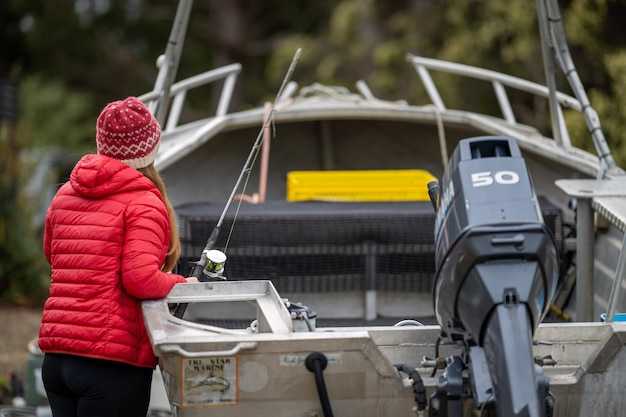
Set a show-specific budget of about $30,000–$45,000 for a ready-to-run aluminum fishing boat with trailer and essential gear; this range covers most 16–20 ft models with a 40–70 hp outboard, a trolling motor, and basic electronics. Adjust upward for larger hulls or higher-spec options, and lock your ceiling before you start discussions.
Before you walk the aisles, have financing pre-approved and set a target youd use to compare offers. Create a short list of 3 boats that fit your living situation and check warranties, service options, and the availability of service centers. Attend seminars led by experts to parse terms and offers, so you know what to seek in a deal.
Budget tiers you could consider at the show:
- Entry: 12–16 ft hull, 20–40 hp, basic electronics; out-the-door price around $12,000–$18,000 (new base) or $8,000–$12,000 used.
- Mid: 16–20 ft hull, 40–70 hp, trolling motor, fish finder; price roughly $25,000–$40,000.
- Premium: 20–22 ft hull, 70–115 hp, advanced electronics, upgraded seating; price roughly $45,000–$70,000.
Financing options to explore at the booth:
- Dealer offers: promotions often include low down payments and flexible terms; compare total cost and APR across three dealers.
- Credit unions and banks: pre-approval speeds decisions; terms typically 36–72 months; rates vary based on credit; bring a pre-qualification letter to the show.
- Leases: available in some cases; evaluate the buyout option and total cost of ownership.
- Warranties: verify hull and engine warranties; common hull warranties run 5–10 years; engine warranties 2–5 years; ask what components are covered and for how long.
- Extras and protection: consider maintenance plans, insurance estimates, and trailer protection; these affect monthly spend.
Show-day tips to find the ideal selection:
- Walk the exhibits with a focused plan–compare 3 boats that meet your living needs and test each one on calm excursions to feel maneuver and handling.
- Ask questions: financing terms, down payment, payment schedules, warranty coverage, service availability, and what adds to the total cost.
- Look at the practical details: hull thickness, rivets, console space, seat comfort, and how the boat handles when you turn the wheel sharply.
- Compare trade-in quotes the same way you evaluate offers; youd verify how much you spend vs how much you save.
- Bring a calculator to estimate monthly payments and total cost over the term, using different down payments and interest rates.
- Consider days of sailing or excursions to gauge real-world performance, comfort, and maneuver in waves.
After days at the show, you will lead with a short list and know your exact ceiling. Youd walk away with the perfect match and a clear plan for buying the boat youd dream about.
Create a testing checklist: hull feel, balance, and prop setup
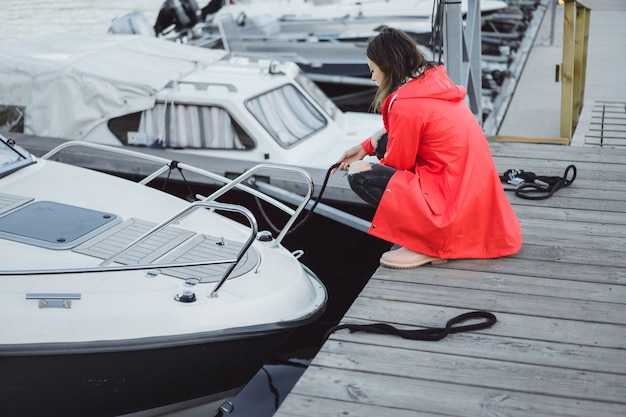
Dock-side recommendation: perform a dock-side hull feel and balance check with a light crew before any on-water test. Bring two children to sit on opposite sides to test weight distribution; if one side settles, rework seating or ballast. The hull should sit drawn and level at rest, with the deck feeling firm under light pressure from a steady hand. This step sharpens your skills and frames the consideration for the next moves.
On-water test: run three passes to verify trim response and stability. Start idle, then accelerate to planing, and finalize with a steady cruise at light load. Note engine RPM and GPS speed; watch for a smooth hook-up without porpoising or chine walk. If the bow rises with load, increase trim or move ballast forward; if the stern squats, shift weight aft or raise engine height.
Sahne kurulumu: motorunuz için tasarlanmış standart 3 kanatlı alüminyum pervane gibi bir seçeneği değerlendirin; çalışma devrini ve ulaşılan hızı test edin. Daha geniş kanatlı veya farklı hatveli ikinci bir pervane, teknenize ve yükünüze bağlı olarak planingi veya en yüksek hızı iyileştirebilir.
Belgeler: almak photos her aşamada, şunu kaydet: decision veri ve performans metrikleri; review gövde davranışını ve pervane tepkisini yorumlamak için deneyimli bir teknisyen ile.
Karar ve sonraki adımlar: testten sonra hangi ayarlamaların yapılacağına karar verin - oturma düzeni, balast veya pervane seçimi; gerekirse başka bir teste zaman ayırın; hayalinizdeki alüminyum balıkçı teknesi için anlaşmaları ve seçenekleri karşılaştırmak üzere sonuçların bir ev dosyasını saklayın.
İnşaat kalitesini değerlendirme: kaynaklar, perçinler ve korozyona karşı direnç
Gövde kaynaklarına ve perçinlerine parlak ışık altında kendiniz bakın. Çatlaklar, gözenekler, boşluklar veya yanlış hizalanmış kaynak izleri bulursanız, başka bir üniteye geçin. Orada, bu görünür sorunlar genellikle daha sonra önemli olabilecek yorgunluğun işaretidir, özellikle çeşitli aktiviteler ve nem gören bir yelkenlide.
Kaynaklar temiz, sürekli bir kaynak boncuğu, düzgün genişlik ve oyuk veya aşırı ısınmış bölgeler olmadan görünmelidir. İyi oluşturulmuş bir bağlantı, tüm uzunluk boyunca sağlam görünür ve parmağınızı dikiş boyunca sürdüğünüzde pürüzlü kenarlar veya kalan sıçrantılar hissetmemelisiniz. Tutarsızlıklar fark ederseniz, etkilenen alanların aralığını not alın ve daha fazla test edin veya ikinci bir görüş isteyin. Yeni başlayanlar için bu adım, seçenekleri karşılaştırmanıza ve hafta sonları aileniz için ister sakin bir günün ister biraz açık su macerasının peşinde olun, güvenle satın alma yapmanıza yardımcı olur.
Perçinler yüzeyle aynı hizada olmalı; başları mantarlaşmamalı veya dışarı çekilmemelidir. Perçin aralığının üreticinin tasarımıyla eşleştiğinden emin olun ve gevşek veya çıkıntılı noktaları hissetmek için her sıranın üzerinden hafifçe elinizle geçin. Herhangi bir perçinde boşluk veya bozulmuş görünen bir sızdırmazlık maddesi varsa, bunu kırmızı bayrak olarak değerlendirin, çünkü korozyon kenar boyunca içeri sızabilir ve zamanla dengeyi etkileyebilir. Koamler, korkuluklar ve direk başı alanı boyunca sabit bağlantı parçalarını, sıkı kaldıklarından ve gerektiğinde uygun destek veya destek plakalarına sahip olduklarından emin olmak için inceleyin.
Korozyon direnci, kaplamalara, eloksal işlemine ve malzeme uyumluluğuna bağlıdır. Kenarlar, koç boynuzları, el korkulukları ve diğer donanımlar etrafında düzgün renk ve yüzey arayın. Bağlantı parçalarının yakınında pul pul dökülme, tebeşirlenme veya tebeşir tozu, hızlandırılmış aşınmaya ve olası korozyon kaynağına işaret eder. Yeşil veya beyaz kalıntı görürseniz ya da kalıcı nem izleri fark ederseniz, durup kurulumu yeniden kontrol etmek için bir neden vardır. Ayrıca, teknenin nemli koşullarda veya tuz spreyinde kaldığı durumlarda galvanik etkiyi azaltmak için bağlantı elemanlarının ve bağlantı parçalarının uyumlu alaşımlar kullandığını doğrulayın; bu, açık güvertelerde ve aynalıklarda yaygındır. Şimdi yapılacak dikkatli bir kontrol, daha sonra zamandan tasarruf sağlar ve aile kullanımı, çocuklar dahil, için su üzerinde geçirilecek bir günde sürprizler olmadan alan sağlar.
| Görünüm | Where to look | İyi işaretler | Ne yapmalı |
|---|---|---|---|
| Kaynak kalitesi | gövde dikişleri ve ek yerleri boyunca | düzgün kaynak boncuğu, pürüzsüz geçişler, boşluksuz | dokümanı incele, yeniden çalışma iste veya birimi reddet |
| Perçin durumu | perçin sıraları, başları ve aralığı | gömme kafalar, mantarlaşma yok, tutarlı aralık | arızalı perçinleri sıkın veya değiştirin; satın alma kararları için not |
| Kaplama/korozyon direnci | kenarlar, bağlantı parçaları ve tespit elemanları | düzgün renk, pul pul dökülme veya tebeşirlenme olmaması | Malzemeleri doğrulayın, belirtiler devam ederse başka bir üniteyi değerlendirin. |
| Donanım uyumu | koç boynuzları, raylar, direk başı bağlantıları | güvenli, gerektiği yerlerde destek plakaları mevcut | Alaşımların galvanik korozyonu önlemek için uyumluluğunu kontrol edin. |
Ekipman paketlerini karşılaştırın: trolling motorları, sonar, canlı yemlikler ve atış platformları
Çoğu balıkçı için, 16-20 ft'lik alüminyum bir tekne üzerinde 80–112 lb itme gücü sağlayan 24V'luk bir elektrikli dıştan takma motorla başlayın ve buna 7–9 inç ekranda CHIRP sonar eşlik etsin. Bu kurulum, uzun seyirler sırasında güvenli, hassas kontrol ve güvenilir balık bulma olanağı sağlar ve makul miktarda pil ömrü sunar. Noktalar arasında hareket ederken ilgiyi yüksek tutmak için kablosuz kontrol, hızlı tepki veren bir ayak pedalı ve sığ yapıyı ve açık suyu kapsayan bir transdüser arayın.
Paketleri karşılaştırırken motor ve sonarı teknenin ağırlığına ve planlama ihtiyaçlarına göre eşleştirin. İki derin döngülü bataryaya sahip 24V'luk bir sistem tipik olarak 4–6 saat çalışma sağlar; 455/800 kHz'li bir CHIRP 2D ünitesi seçin ve bulanık suda yapıyı takip ediyorsanız üst düzey modellerde Yan veya Aşağı Görüntüleme'yi değerlendirin. Daha büyük bir tekne veya aile kruvazörü için, 9–12 inçlik bir ekran gündüz ve akşam gezilerinde, etkinliklerde ve daha uzun seyirlerde görünürlüğü artırır. İtme, akım çekimi ve dönüştürücü tipini doğrulamak için bayi sayfasındaki özelliklerin kaynağını kontrol edin; bu, inceleme ve satış planlaması sırasında sürprizlerden kaçınmanıza yardımcı olur. Ayrıca yelkenler ve rüzgarın açık denizde pil ömrünü ve hedef edinimi etkileyebileceğini de unutmayın.
Balık saklama hazneleri, iki olta balıkçısı için 75–105 litre kapasiteli olmalı, 3000–3800 litre/saat havalandırmaya ve suyu her 2–3 dakikada bir değiştiren bir devridaim seçeneğine sahip olmalıdır. Arka arkaya balık avı günlerinde işleri güvenli ve kokusuz tutmak için duvarları yalıtın ve güvenilir bir tahliye sistemi kurun. Atış platformları, kaymaz yüzeye ve altında yerleşik depolama alanına sahip, yaklaşık 100–150 cm uzunluğunda ve 60–70 cm genişliğinde bir ön alan sunmalıdır. Çok yüksek veya çok yumuşak bir platform dengeyi azaltır ve uzun atışları zorlaştırır; rahat ve dengeli atış performansı için platform yüksekliğinin becerilerinize ve oturma düzeninize uygun olduğundan emin olun.
Planlamanızı yaparken, seçenekleri ihtiyaçlarınıza ve durumunuza göre değerlendirin: kaç mil yolculuk yapacaksınız, ne sıklıkla gezi düzenleyeceksiniz ve bu teknelerle hangi etkinliklere katılacaksınız. Yaygın düzenlemeler için, satış fiyatını kurulum ve bakım dahil uzun vadeli değerle karşılaştırın. İhtiyaçlarınızı teknenin boyutu ve bütçenizle dengelemeniz gerekir; kullanım ve depolamayı güvensiz hale getiren aşırı yüklemeden kaçının. Belirli bir modeli gözünüze kestirdiyseniz, imzalamadan önce elektrik ve canlı yemlik kurulumları için yasal ve denetim gereksinimlerini kontrol edin ve bu süreci etkinliklerde gördüğünüz modellerden emin ve bilinçli bir karara ulaşmak için kullanın.