


 Türkçe
  English (UK)
  Русский
  العربية
  日本語
日本語  한국어
한국어  Magyar
  Español
  Čeština
  Svenska
  Português
  Ελληνικά
  Suomi
Suomi  Nederlands
  Română
  Italiano
  Français
  Polski
  Українська
  Deutsch
  简体中文
简体中文  Slovenčina
  Nautical Flags 101 – Understanding Sailing Flags and the Nautical Alphabet">

Öneri: Öncelikle alfa işaretini öğrenin ve tam yazımlara geçmeden önce tek bayrak mesajlarıyla sinyal vermeye başlayın. Bu basit başlangıç, rüzgar ve serpıntide bile iletişimi net tutar ve filonun niyetini hızlıca okumanızı sağlar.
Bu bayraklar bir system denizlerde kullanılan sinyallerden; her bayrak bir harfi temsil eder ve olabilir. flying anlamsal ifade vermek için pruvada. one-flag sinyal bir durum iletirken, bayrakları birleştirerek kelimeler yazabilir ve bir uyarı veya talimatı. Desen, hızla okunacak şekilde tasarlanmıştır. water ve rüzgar, ve kodlar would idealden daha az netlikte hayatta kalmak while dekı tarıyorsun. Bu, şunları yapar. sinyaller kavraması kolay üzerinde site işlemlerinden ve yakınlardaki gemilerle iletişim kurmaktan, hatta yavaş speeds.
Akıcılık kazanmak için güvertede veya şuradaki alanda pratik yapın. site renkli kodlu bir tablo kullanarak. başlangıçta, üç çekirdek harfe odaklanın: alfa, romeo, quebec, ardından iki-bayrak kelimelerine genişletin. Kod gelişti basit, , one-flag esnek kombinasyonlara yönelik mesajlar; birçok denizci benzetildi bir dili öğrenme süreci ve benzer şekilde bir kelime bir ifadeye dönüşebilir. Düzenli alıştırmalarla, siz kolayca niyetleri açık sinyallere dönüştürürseniz, hız ve doğruluğun arttığını fark edersiniz.
Kendinize güven kazandıkça, pratik dizileri üzerinde test edin. site. Bayrakları sakin veya inişli çıkışlı suda kullanın ve mesajın okunabilir kalmasını sağlamak için hatlarınızı temiz tutun. Göz önünde bulundurun çıkarıldı siparişleri ve mürettebatın tepkisini izleyin. Bir gemi ise durduruldu, veya bir ders değişikliği belirtmeniz gerekiyorsa, güvenebileceğiniz flying çamanda bayraklar ve, acil işler için, açık uyarı pattern. Yoğun trafik olduğunda, benzer şekilde Mesajları kısa tutun ve standart sırayı kullanın: alfa for letters, quebec for free pratik, ve romeo randevu ipuçları için. Bu disiplinli yaklaşım, sizi ve mürettebatınızı yoğun su yollarıyla koordine tutar.
Her sinyal bayrağının ne anlama geldiği ve renklerin nasıl bilgi ilettiği
Alfa, Bravo, Delta, Oscar, November ve Quebec ile başlayın: önce temel anlamlarını ezberleyin, ardından diğer harflere genişletin.
Renkler, sinyal alanında niyetin hızlı bir şekilde iletilmesini sağlayarak, gemilerin tam mesajı okumadan önce hava durumu ve trafiğe tepki vermelerine yardımcı olur. İkonik bayrak çiftleri ve renk ipuçları genellikle rotayı değiştirme, yavaşlama veya açık alan verme ihtiyacını belirtir. Mavi ve düz beyaz genellikle nötr bilgiyi gösterirken, kırmızı sinyaller tehlike veya yasağı, sarı bayraklar dikkatli olunması gerektiğini uyarır ve kareli desenler tanımlı bir durumu gösterir. Renkleri harflerle birlikte okumak, kıyı trafiği, donanma alıştırmaları ve açık sularda rutin operasyonlar dünyasında pratik bir avantaj sağlar.
Yaygın sinyal bayrakları ve özlü anlamları
Alfa (A) – Beyaz ve mavi; dalgıç aşağıda, yavaş hızda uzak durun.
Bravo (B) – Düz kırmızı; tehlikeli eşya alıyor, boşaltıyor veya taşıyorum.
Delta (D) – Sarı ve mavi; zorlukla manevra yapıyorum, uzak durun.
Oscar (O) – Kırmızı ve sarı; adam denize düştü.
Kasım (K) – Mavi ve beyazlı kareli; olumsuz veya yok; yalnızca onay ile devam edin.
Quebec (Q) – Katı sarı; gemim sağlıklı ve serbest iniş hakkı talep ediyorum.
Bunların ötesinde, denizciler daha uzun mesajları iletmek için harflerin tamamı dizisine güvenirler; genellikle talimatları veya istekleri mürettebatınızla, iletişim hatlarınızla ve bölgeye özgü prosedürlerinizle yazarak iletirler. Uygulamada, bu bayrakları hava durumu notları, yük detayları ve filodaki gemilerinizin durumu ile birlikte okuyacaksınız – bu yaklaşım hem dünya denizlerinde hem de sivil filolarda ikonik olmaya devam ediyor.
Kendine güveni geliştirmek için, eğitim kaynaklarınızdaki harfleri ve yaygın eşleşmelerini gözden geçirin, deneyimli gemi kaptanlarından gelen gerçek dünya yorumlarıyla karşılaştırın ve güvenli bir eğitim alanında dizme kombinasyonlarını test edin. Yanınızda cep boyutunda bir referans bulundurun ve güvendiğiniz basit bir şemayla veya aletlerle pratik yapın. Bu alışkanlık, en yoğun rotalarda ve büyük limanlarda yük operasyonları, dalgıç aşağı uyarıları ve tıbbi veya güvenlik sinyalleri etrafındaki hazırlığınızı artırır.
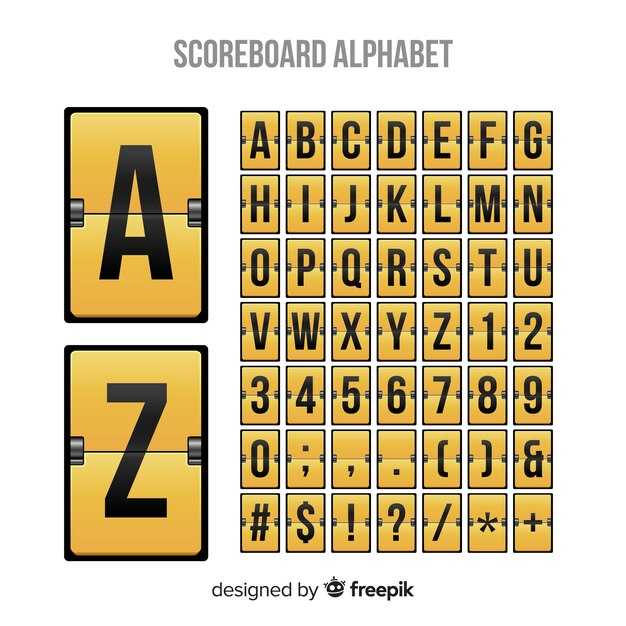
Denizcilik Alfabesi: A'dan Z'ye bayrak anlamları
Hızlı ve doğru sinyalizasyon için güverte üzerinde kompakt bir A'dan Z'ye kadar bayrak referansı bulundurun.
A Alfa – Dalmış var; yavaş hızda iyi açık durun.
B Bravo – Tehlikeli maddeleri kabul ediyorum, tahliye ediyorum veya taşıyorum.
C Charlie – Evet, mesajınızı anlıyorum; onaylıyorum.
D Delta – Zorlukla manevra yapıyorum; uzak durun.
E Echo – Rotayı sağa doğru değiştirmek için hazırlanıyorum.
F Foxtrot – Manevrayabilmem mümkün değil; gerekirse yardım talep edin.
G Golf – Limana veya nehre giriş için gemide bir pilot gereklidir.
H Hotel – Uçakta bir pilot var ve devam etmeye hazırım.
I Hindistan – Yanınıza yaklaşıyorum veya rotamı ayarlıyorum; dikkatli ilerleyin.
J Juliett – Yanıyorum; güvenlik sağlamak ve gerekirse acil yardım almak için önlemler alın.
K Kilo – Sizinle iletişim kurmak istiyorum; lütfen teyit edin.
L Lima – Çekmeyi bırakmalısınız veya farklı bir rota çizmelisiniz; belirtildiği gibi ayarlayın.
M Mike – Gemim durdu; yol almıyor.
N Kasım – Hayır, olumsuz; o talimatı uygulamayın.
O Oscar – Kuruşta; derhal yardım etmek için harekete geçin.
P Papa – Tüm personel, istasyonlarına geçmeli veya belirtildiği üzere gemide kalmalıdır.
Q Quebec – Gemim sağlıklı ve limanlara hava durumu ve sağlık kontrolleri için giriş izni (ücretsiz pratiquer) talep ediyorum.
R Romeo – I have received your signal; proceed with the agreed plan.
S Sierra – I am sinking or in serious distress; signal for urgent assistance.
T Tango – I am towing a vessel or object; keep clear of my stern.
U Uniform – You are approaching too closely; adjust your course to avoid collision.
V Victor – I require assistance; coordinate with rescue or navy authorities if needed.
W Whiskey – I require medical assistance or a medical team; respond promptly.
X X-ray – Stop carrying out your maneuver; reassess position and proceed cautiously.
Y Yankee – I am dragging anchor; give me space and monitor for swing or drag.
Z Zulu – I request authorization, timing, or coordination with naval authorities; use proper channels.
Numeral pennants can substitute numbers in signaling, allowing you to convey exact counts or clearance limits. In practice, you will often combine letters with numeral flags to spell out clear instructions such as “A Alfa 2” for two divers or “M Mike 0” when a vessel is stopped. The full system uses international signals, so marinas, ships, and navys across regions interpret letters consistently, reducing confusion even in poor weather.
In drills and real-life signaling, always verify with concise, urgent instructions. If you must transceive quickly, rely on from the flags you know well and supplement with spoken communication when possible. When you see the Jolly reference of the J flag, remember it is Juliett in the ICS, not the historic jolly Roger; keep signals precise and avoid ambiguities.
For practical usage: have a compact board with squares showing each letter alongside its meaning, and practice with Mike and Michael scenarios from marinas and small navys. This habit helps most sailors and crew–including Michael, who often signs off from a mooring shift–signal confidently under varying sea conditions. A well-used reference keeps weather thinking calm and ensures you can respond without delay, even when engines stall or a vessel sinks in a crowded harbor.
Keep this knowledge current, and train with a full crew so everyone knows the appropriate response. In urgent cases, signal while you command, and don’t hesitate to request towing, medical, or pilot support as needed. A solid A-Z foundation makes your signals clear, your crew safer, and your marinas more welcoming to visiting ships and navys alike.
How to read a flag hoist on a sailboat: quick, practical steps
Read the top flag first to identify the message type and then decode the sequence downward using the international flag alphabet. This language of signals is embedded in fixed colors and shapes, and it does not rely on speech. Each flag is hoisted on a halyard and flown from the mast when a ship communicates with others. The system is commonly used in marinas and on open water, and it includes flags like kilo and victor that represent letters or short phrases. There is a strong reputation for reliability when rules are followed, and resources exist to help you learn quickly. There is also a burgee to represent the yacht club, which you may see flown with the national flag. German fleets often follow the same code, so you may encounter the same flags in diverse ports. practice makes reading these signals faster, especially when weather changes or visibility drops.
- Locate the flag hoist area on the mast and verify the order from top to bottom. Stringing flags along a halyard creates a visual message that you read as a sequence rather than individual signs.
- Record the sequence from top to bottom. Each flag corresponds to a letter or a simple meaning; treat the line as a short sentence rather than separate symbols.
- Use a quick reference to decode. Keep a compact chart or app handy in marinas and on deck; resources that map flag names like kilo and victor to letters speed up interpretation.
- Determine if the message is directed at your ship. If the sequence reads as a direct instruction or call for action, respond with appropriate maneuver or contact while maintaining safe distance.
- Check for additional indicators. A burgee signals home club and does not typically alter the decoded message; note its presence but focus on the primary signaling line for meaning.
- Assess urgency and weather impact. If wind or spray hampers legibility, maintain distance and rely on your crew to read the line while you check the chart.
- Practice decoding routines. In busy marinas, run through common patterns with your crew to improve speed and accuracy when you see a hoist.
- Document your interpretation after a signal. Recording what you read helps build a personal reference that accelerates future readings.
Quick reference for reading practice
- Flag names (kilo, victor) appear in the stringing on the hoist and map to letters in the language of the signal code.
- Use resources such as a pocket reference card or a trusted app to confirm interpretations on the spot.
- When in doubt, treat ambiguous signals as requiring caution and request confirmation from nearby vessels or harbor control.
Day shapes and signaling basics for safe navigation
Hoist the appropriate day shapes before daylight maneuvering and keep them clearly visible on the fore part of the vessel. In competitive traffic, a clear signal saves seconds and reduces risk as you align heading and plan your next move. In november light, when glare and shadows blur outlines, ensure a strong background and high-contrast, crisp shapes so others read your status at a glance. The shapes solely communicate your current condition and intended action; they are issued by the organization responsible for maritime signaling and must be kept neat, intact, and in the correct order for easy recognition by approaching vessels. A modern training image often uses seven common configurations to illustrate how shapes combine to convey meaning, so you can recognize patterns quickly in real crossings.
Key day shapes and general meanings
Day shapes are white silhouettes displayed on the vessel’s bow or near the foremast, designed to be understood from any heading. The basic shapes–ball, diamond, cone, and cylinder–form the building blocks, and selected combinations indicate specific statuses such as anchorage, towing, restricted maneuverability, or fishing gear in use. When you see a particular arrangement, read it as a status, verify the heading of other vessels, and adjust course to maintain safe separation. A background that remains constant against the hull helps crews and radar observers in a busy harbor, and the signal’s meaning becomes obvious even at a distance. In training, a michael-style checklist helps you recall which configuration matches which situation, so you respond quickly and correctly.
Practical signaling steps for safer navigation
Create a routine: scan ahead for shapes, cross-check with the expected status in your plan, and verify the shapes are hoisted and legible from all angles. If you are fishing or towing, stringing the correct combination of shapes well forward on the bow communicates gear or operation status to nearby vessels. If visibility is poor or winds shift, be prepared to adjust the arrangement promptly and to remove shapes when conditions change. When you operate in crowded waters, keep awareness sharp for vessels coming from heading angles you cannot predict, and use additional signals such as flag signaling (for example, Juliet for J in mixed signaling) to reinforce your intent, while respecting copyright and any local rules. If a hurricane warning is issued, temporarily reduce movement and ensure shapes remain visible if you resume signaling later. Always couple day shapes with practical watchkeeping, and log changes to your signaling in your organization’s safety record.
Leave a review or comment: share experiences, questions, or tips
Initially state your role and the flag you discuss, then summarize the concrete outcome in one or two lines. Crews from clubs commonly name the flag (for example Sierra) and note the water conditions, the port approach, and what has been done. This keeps the information useful for readers who skim before reading the full details.
Use the embedded form to structure your contribution. In the heading, indicate the flag code and the location (port or open water); in the body, describe what happened, what the signal meant in practice, and the steps you followed. If a burgee or club marker appeared, note its meaning to help others align their interpretation quickly. Use plain language so readers new to this language can follow. This format will will help readers easily compare notes across clubs.
Tips for writing helpful comments
Keep sentences concise and precise, and add concrete details: exact time, weather context, and the method you used to confirm the signal. Reference the means of verification you relied on (charts, official references, or onboard checks). Include at least one practical takeaway, such as a suggested hand signal, an alternative plan, or a note about common misunderstandings of the meanings.
Provide information for follow-ups: where the information came from, date, and whether the situation was urgent. If possible, attach a photo or schematic, since visuals help readers understand the code more quickly. The system displays your entry under the related heading, enabling readers to locate the original source without extra searching. This approach will help crews and clubs share information easily and without losing water context, particularly when the kilo or Sierra flag is involved and the meanings are likened to real-world handling at port and in gale conditions.