


 Türkçe
  English (UK)
  Русский
  العربية
  日本語
日本語  한국어
한국어  Magyar
  Español
  Čeština
  Svenska
  Português
  Ελληνικά
  Suomi
Suomi  Nederlands
  Română
  Italiano
  Français
  Polski
  Українська
  Deutsch
  简体中文
简体中文  Slovenčina
 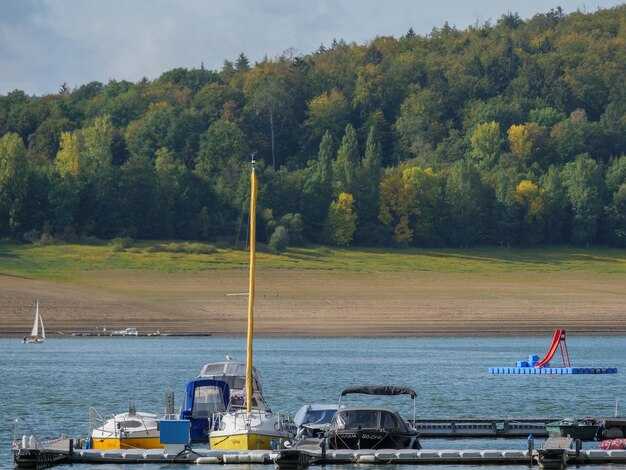 Lake Minnetonka’s Boating Guide – Tips, Marinas & Routes">

Start your weekend with a practical safety prep: conduct a 15-minute gear check, verify extinguishers are charged, inspect PFDs for wear, and replace any expired flares. Planning ahead helps you stay ready on the water; ensure your crew knows the route and expected conditions, and keep a printed map on board. Always have a whistle, a waterproof light, and a charged phone, so accidents are less likely and you can respond quickly while weather shifts or changing currents come up.
Three reliable marinas serve the lake’s north, central and south shores: Wayzata Bay Marina, Tonka Bay Marina, and Excelsior Harbor. They offer fuel docks, transient slips, and pump-out stations, plus restrooms and on-site cleaning supplies at service docks. Call ahead to confirm slip availability, hours, rates, and whether they require reservations on busy weekends.
Map a simple loop that starts near the north shore and returns along the central bays, letting you sail past varied scenery and sheltered coves. The plan helps you limit travel time between stops to a few hours, with a natural pause for snacks or fuel. While you sail, stay alert for waterfowl along shoreline reeds; keep speed polite in busy coves and around anchored boats, and use charts to stay clear of no-wake zones and shallow flats. If conditions change, have a backup route saved ahead of time and be ready to adjust.
Keep your craft prepared with routine checks: test the engine, battery, and charging system; inspect lines, anchors, and fenders; verify extinguishers’ pressure and that all safety gear is within date. Store gear in waterproof bags and make a quick deck cleaning after every trip to prevent slick spots. If you plan a longer weekend outing, wont miss a beat by packing a spare belt, tools, and a basic first-aid kit, ensuring you’re ready for minor hiccups without delaying the plan.
Lake Minnetonka Boating Guide: Practical Tips, Marinas & Routes
Always run a vesselsafetycheck before leaving the dock. Carry your certificate on board and keep it accessible. Do a quick check of life jackets, fire extinguisher, spring line and fenders to reduce delays at the first stop.
Equip every passenger with a Coast Guard–approved PFD and wear them during underway. Secure lines and fenders, and keep a whistle and VHF radio within easy reach. In shallow water, check depth in feet before placing the anchor, and confirm the battery and bilge are ready.
Weather can switch quickly on Lake Minnetonka, especially in spring. Wind shifts around coves can create wave patterns that catch unfamiliar boats off guard. The niccum of wind and current means you should map a route that stays in sheltered water during unsettled periods, and keep a close eye on the forecast when you head out early in the day, when the air might be cold.
Respect no-wake zones around shorelines and stay in marked channels to avoid shoals. A practical loop for most boaters follows the main channel toward Excelsior, then returns along the south shore, offering scenic coastlines and pockets of shallow water you should pass slowly. Upon approaching a dock, reduce speed, line up with the cleat, and maintain control of the vessel. This route stays closer to sheltered water, safer than rushing along the coast.
Marinas and guest access: Wayzata Marina and Excelsior-area docks provide fueling, slips, and pump-out, with additional transient berths at nearby towns like Deephaven and Shorewood. Most facilities offer restrooms, loaner life jackets, and ramps, and they tend to fill up on weekends in late spring and early summer–plan early if you need a slip and live aboard arrangements. Boaters around the lake can enjoy convenient access to shore services and quick repairs if needed.
Avoid angler zones: anglers often operate along coves, sometimes close to shore. They could be surprised by a passing craft, so reduce speed, give wide berth, and watch lines and hooks. When you spot someone fishing, maintain a safe distance and yield the right of way when appropriate.
Emergency readiness: carry a charged cell phone in a waterproof case and have a marine radio on channel 16 for help. In an incident, someone should stay calm, note your location, and call for assistance; if you lose power, drop an anchor and move to safer water while you await rescue. Always have a plan and share it with your crew before you head out.
Understanding the rental process helps: several companies offer craft suitable for Lake Minnetonka, from pontoon rentals to small bowriders. The process typically requires showing a valid certificate, signing a brief safety agreement, and receiving a short safety briefing. Most operators require a quick demonstration of basic maneuvers and docking; plan your trip for early or midweek if you want more flexible times and enjoy a safe, relaxed day on the water.
Popular Day Routes for Beginners and Families
Start with a gentle circuit from Wayzata Bay, heading toward West Indian Point, then return along the shore. This smooth ride keeps wake light, ideal for kids and first-time boaters. Renewal on the water accompanies this loop, assisting new skippers as they learn the cadence of Minnetonka.
For a gentle, family-friendly option, plan a 4-6 mile circuit that takes about 60-90 minutes at a calm pace. Stay in protected bays and follow no-wake zones, using the main channel as a reference to return to the launch.
Pause at a sheltered cove for a snack or a quick skim of shoreline views, staying inside marked areas. Keep a lightweight paddle or throw line on board for safety and enjoy views of cottages and wooded bluffs along the way.
Bring life jackets for every passenger, check weather forecast before departure, and keep an eye on other boats, skiffs and paddle craft. Maintain low speed near docks, swimmers, and shallow coves to ensure a relaxed outing for all ages.
When you want a second option, try an alternate route that stays along the north shore with a short detour to a sandy beach, offering another calm day on the water.
Top Marinas, Docks, and Quick Tie-Up Tips
Choose the Port of Wayzata for the quickest, most reliable tie-ups during July weekends.
- Port of Wayzata – Wayzata Bay harbor, sheltered slips, 250+ power and water pedestals, pump-out, and a short walk to shops; equipped for sailboats and powerboats, with five slip types to fit length and beam.
- Excelsior City Marina – public docks with easy access, near town amenities, shallow water close to the channel, ideal for day trips and small-to-mid keelboats; docks remain well-maintained and staff provide quick assistance.
- Orono Public Dock – flexible tie-up options, easy approach from the main channel, good for short stops and fueling, with nearby boat ramps and fishing access.
- Mound Harbor Docks – interior harbor with finger docks, protected from prevailing winds, convenient to local eateries, and great for half- or full-day visits.
- Shorewood Public Docks – straightforward entry, nearby bridge openings and shallow approach areas, known for orderly lines and reliable access to restrooms and water.
Five Quick Tie-Up Tips
- Planning and location awareness: Plan your approach using the published location and bridge schedules; the risk remains if you skip checks. This must be done by anyone piloting a craft; awareness saves time and reduces collisions.
- Approach and wind management: Approach at a controlled angle, give sailboats and other traffic room, and keep a slow, steady speed as you line up with the dock. Maintain situational awareness to avoid collisions with pilings or other boats; they can shift quickly in currents.
- Lines, fenders, and grip: Use a three-point mooring with a bow line, stern line, and a midship line when needed; employ one or two half-hitches to secure slack. Keep fenders at the correct height to prevent hull contact, and wear moisture-wicking gloves for a secure grip.
- Safety gear and readiness: Have a throwable device within reach and ensure life jackets are accessible for all aboard. Keep spare dock lines and a small toolkit handy for quick fixes, providing confidence during busy periods.
- Post-dock check and adjustments: After tying, verify lines are secure and cleats are not overloaded; monitor bridge openings and traffic in the channel. Ensure everything remains tidy, watch for waterfowl near the pilings, and adjust as needed to maintain safe clearance for approaching sailboats and other craft.
Cold Water Safety Gear: PFDs, Wetsuits, and Thermal Layers
Wear a properly fitted PFD at all times on Lake Minnetonka when the water is cold, test buoyancy before heading out, and clip the straps so the vest stays secure; this gives you great peace of mind as depths shift with conditions.
Pair the PFD with thermal protection: base layers like polypropylene or merino next to the skin, a wetsuit or drysuit, and an outer layer. For late spring and early fall, a 3/2 mm or 4/3 mm wetsuit works well; in colder conditions, add a fleece mid-layer or switch to a drysuit. Paul and another angler keep a light, quick-drying base beneath a wetsuit and carry a drysuit for the cold snaps; youve got to adjust layers for depths and weather conditions. Winterizing your gear after the season helps you keep everything in good condition, with nothing left to chance.
Store gear in enclosed compartments, check zippers and seams, and keep extinguishers accessible on powered boats; set a simple measures routine to verify that nothing else is missing before launch. If you could add a spare repair kit, do it; else you might be stranded on the shore. For canoes, kayaks, and other small craft, ensure PFDs are worn and visible by bright marks or color.
Registrations and the latest safety guidance appear on the website. Before you go, verify registrations and check the depth-related guidelines on the Lake Minnetonka boating information website; keep your gear in color-coded bags so you can locate them quickly on a busy day.
| Dişli | Recommendation | Notlar |
|---|---|---|
| PFDs | USCG-approved Type III, properly fitted; inspect straps and seams; replace worn gear | Keep on at all times; Paul and others should have one handy during angler trips |
| Dalgıç giysileri | 3/2 mm to 4/3 mm for cool seasons; thicker 5/4 mm or a drysuit for winter | Depths vary; near shore can feel warmer in sun |
| Thermal layers | Base: polypropylene or merino; Mid: fleece; Outer: wind shell | Layer up or down based on weather and season |
| Safety items | Whistle, lights, signaling; extinguishers on enclosed motorboats | Nothing else should be missing before launch |
Cold Water Shock: Early Signs, Preventive Steps and Rescue Basics
Immediately get your head above water and start controlled breathing, then move toward the nearest deck or shore and signal for help.
Early signs of cold water shock show up quickly in waters around Lake Minnetonka and similar environments. Look for:
- Gasping, rapid breathing, or a feeling that air is scarce during the first moments of immersion.
- Numbness or tingling in fingers and toes, with a stiff or rigid grip on rails that feels like iron in the cold.
- Disorientation, confusion, or a sense that balance is off within minutes of entering the water.
- Skin color changes such as pale or blue lips and skin marks indicating hypothermia risk.
- Inability to speak clearly or form words, or a sudden reluctance to move your limbs.
Preventive steps to reduce these risks begin before you leave the dock and continue through your weekend on the coast or lake shores. Prioritize the basics and stay within your limits:
- Wear a properly fitted PFD at all times; keep yours accessible and inspect the fit with a quick card-sized safety checklist.
- Review seasonal safety requirements and the rules of the marina dealer or captain before starting a trip; ensure decals on safety gear are visible.
- Perform vehicle-like checks: fuel levels, battery, bilge and hull integrity, and deck hardware to minimize accidents on rough water.
- Pack a simple safety card or checklist to guide your efforts during a response, including emergency contact numbers and location details.
- Limit exposure by dressing for the water temperature and not overextending weekend outings when air temps dip.
- Keep a clear exit plan in mind, and practice quick retrieval of gear from your boat or coast side storage with your crew.
- Communicate with your dealer or local deputy about recommended equipment upgrades and any seasonal changes in Lake Minnetonka rules.
Rescue basics start with prevention, then move to effective, well-rehearsed actions. The following steps help you respond calmly and efficiently when cold water shock hits:
- If you witness someone enter the water, throw a flotation device or reach with an extended line first; do not jump in unless trained and it’s necessary for immediate safety.
- Shout for help, activate the emergency signal, and call 911 or the local deputy or coast guard as appropriate; provide your exact location and a brief description of the incident.
- Shut down the boat’s engine and secure the deck to prevent propeller injuries while you assist from the side or bow; keep the hull clear of anyone in the water.
- Offer a line or paddle to the person, keeping your own body low to the water and guiding them toward the vessel’s safest entry point; avoid sudden movements that could worsen shock.
- Once aboard, remove wet clothing and replace with dry layers or a blanket; provide warm fluids if the person can safely swallow and remains conscious, and monitor for signs of hypothermia.
- Assess mental and physical state, document showing symptoms, and report the incident to your safety officer, dealer, or coast deputy for follow-up and fuel and hull stability checks after the event.
Providing calm leadership during an incident helps manage the spirit of your crew and reduces the risk of further injuries. Remember that quick, well-coordinated efforts start with a ready plan, the right equipment, and a clear understanding of how cold water shock can unfold on a weekend outing or during routine training with your boat crew.
Weather, Temp, and Visibility: When to Go and When to Stay Off
Go on the water only when winds stay under 15 mph sustained with gusts under 20 mph, visibility is 4 miles or more, and air temperatures range 65°F to 85°F. If these conditions fail, stay ashore. This opener helps you earn trust with passengers and makes a day safer. Taking a moment to check a multi-day forecast keeps plans cautious. Check the forecast for the coming days.
Temp and exposure: On hot days (above 90°F) hydrate and monitor for heat stress; wearing light clothing and applying sunscreen helps. Cold fronts can drop air temperatures quickly; keep a plan to shorten trips and reach shore before wind shifts. Hypothermia risk grows when water is cold and clothing is wet; limit exposure, stay in protected areas, and have dry layers ready. If you must face a sudden gust, head to the closest shore.
Visibility and navigation: Fog can sweep across the lake, reducing sightlines to under a mile within minutes. Before departure, check live updates from your marina or weather apps and be ready to cut plans if visibility falls below 3 miles. On days with haze or spray, keep to marked channels and rely on devices such as GPS, radar, and AIS. Several paddlers and paddleboats operate near shore; maintain a safe distance from freighter-sized boats and larger craft.
Safety equipment and awareness: Ensure each person is wearing a Coast Guard–approved PFD; keep extinguishers accessible on motor crafts; check that extinguishers are not expired. Carry a whistle or horn and a throwable device. If you capsize, staying with the craft makes rescue easier. Keeping a spare life jacket and a dry layer helps cope with unexpected conditions.
Route planning and gear: This plan will include a pre-departure checklist and stay within reach of shore during uncertain conditions. Weekend days bring higher traffic, with several routes staying busy; plan with your dealer or marina for current guidance and live weather feeds. Taking a few minutes to pack extra safety gear, including a first-aid kit and a flashlight, reduces risk. Ensure wearing appropriate clothing for the season and check weather advisories posted by state authorities and lake managers.