


 Türkçe
  English (UK)
  Русский
  العربية
  日本語
日本語  한국어
한국어  Magyar
  Español
  Čeština
  Svenska
  Português
  Ελληνικά
  Suomi
Suomi  Nederlands
  Română
  Italiano
  Français
  Polski
  Українська
  Deutsch
  简体中文
简体中文  Slovenčina
 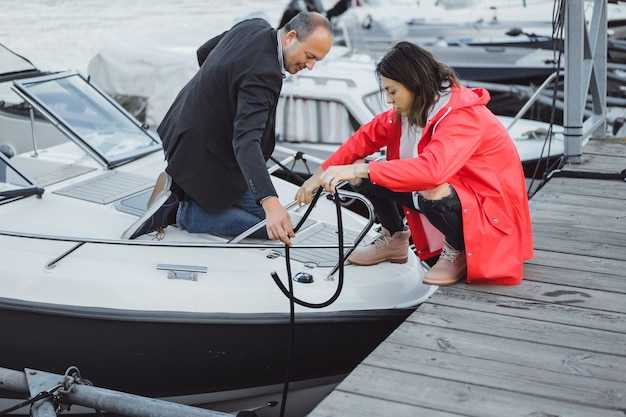 How to Plan a Perfect Boat Ride – Essential Tips for a Safe Trip">

Check the weather forecast 24 hours ahead and test your radio before departure. For a coastal ride, a prepared plan keeps guests confident. Review the route, confirm equipment is available, and outline the steps you should take during rough winds, even a little wind, so every person stays calm while you stay prepared.
Assign a crew of one captain and up to two guests per small boat, ensuring there are plenty of life jackets for every person and a reserve of fluids (water, fuel, oil) on board. Verify the radio is working and that emergency signaling devices are within reach. For westward trips, mark access points along the coast and known harbors as backups.
Plan a route that stays within a few miles of shore, especially when travelling across a west coastal stretch. Travel at a slow pace and divide the trip into thirds: launch, cruise, and return. Keep a spare battery and extra fuses to avoid downtime, and carry a map or digital chart you can read even with limited reception.
Forecasts aside, monitor wind shifts and currents every 15 minutes and adjust speed to maintain comfort and control. Have a predefined plan for safe harbors and, if conditions worsen, turn back or seek sheltered waters with minimal exposure. You should have plenty of fluids handy for hydration and check tank levels so you do not run dry; a basic equipment kit should include spares for the anchor, line, and bilge pump.
Keep guests informed: tell them about footwear, sun exposure, and hydration, and the importance of holding rails during motion. Maintain access to life jackets, a whistle, and a light during dusk; practice a simple radio procedure so you can coordinate with other boats while staying in contact with the main channel.
How to Plan a Perfect Boat Ride: Practical Tips for a Safe Trip – Type of Boat
Choose a boat type that fits your plan, crew size, and the weather window. For a close-to-shore day, a pontoon or small cabin cruiser delivers stable handling, useful amenities, and a smooth ride for many guests. If you want more deck space for sunning, a catamaran works well; for quiet efficiency under sail, a compact sailboat fits the bill. Have a concrete trip outline ready and share it with everyone aboard.
Remember to equip each person with a properly sized life jacket, and keep a reliable radio, whistle, and first-aid kit accessible. Check the vessel’s capacity plate and don’t exceed it; a crowded deck becomes dangerous and uncomfortable. Confirm fuel, water, and battery levels, then verify that pumps and lights work before departure.
Plan your day around the forecast: morning light, midday heat, and an evening return window. Monitor wind speeds and visibility; if conditions worsen, shorten the route or switch to a smaller craft. Schedule breaks every 60 to 90 minutes to stretch, hydrate, and enjoy the scenery. Take a quick break to reset and stay focused on safety.
Give a concise safety briefing to guests before leaving shore. Point out life jackets, exits, and anchoring basics. Carry sunglasses, sunblock, and a little hat to reduce glare. Keep a close look for hazards near docks, buoys, and swimmers.
Create a daily checklist: anchor set, engine fluids, battery charge, and radio test. Bring essentials in a waterproof bag: a radio, flares, a compact medical kit, and extra batteries. A well-planned checklist makes the trip safer. Pack a spare prop, fenders, and a first-aid kit. Provide simple instructions for guests to move slowly when boarding to avoid slips.
For a wonderful, low-risk trip, choose a boat with easy access to sheltered bays and calm waters. A calm morning cruise or an evening glide offers romance without rushing. A yachting mindset helps everyone enjoy the experience yet stays mindful of limits.
Familiarize yourself with local rules on speed zones, anchoring, and waste disposal. Share the plan with guests and keep everyone informed; a short recap at midday helps everyone stay comfortable. If seeking additional safety, carry a lightweight throw line and a coast map for quick reference.
With these checks, your trip stays smooth and enjoyable. Type of Boat matters: match the craft to the route, length, and crew; keep safety, comfort, and a wonderful memory in sight.
Boat Type Focus: Selecting and Preparing for Your Adventure
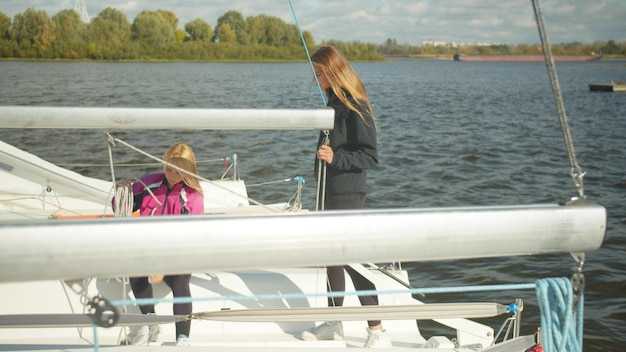
Choose a versatile motor boat with 90–150 HP for a safe, day-long trip. A 6–8 meter runabout fits 2–6 people, maintains ballast well, and handles winds up to 25 knots along the langebaan route. Aim for fuel capacity around 60–120 L and plan for 2–5 hours at cruising speed with a 20–30% reserve for unexpected conditions. This setup gives you excellent flexibility for a short coastal vacation.
For near-shore exploration, a durable dinghy with an outboard works for quick beach landings and wildlife stops; for longer legs along the coast, a mid-size motor cruiser provides steady cruising, a sheltered cabin, and more cargo space. Expect cruising speeds of about 18–25 knots; reduce to 10–15 knots in shallow bays to protect habitats. Always plot a route that stays within maritime charts and keeps you near safe harbors, then have a backup plan if weather shifts.
Safety gear stays top priority: one PFD per person, a throwable device, a VHF radio, a first-aid kit, a fire extinguisher, and 50 m of anchor line with fenders. Check engine oil, coolant, battery voltage above 12.5 V, and bilge pump function before leaving. Carry waterproof bags for valuables and implement a simple hand-signal plan so everyone runs tasks smoothly.
Pre-trip planning keeps things flowing: confirm two possible harbors, check the wind forecast, tide data, and local rules, then adjust the schedule to daylight. Pack water, snacks, and something celebratory for after the trip, and set a purpose for each leg–scenic cruising, fishing, or a festive sunset cruise. Also log the year’s typical conditions and aging gear, so you know when it’s time for maintenance. If you requested a ferry transfer as part of your route, coordinate schedules and boarding procedures in advance to enhance your vacation.
Choose the Right Boat Type for Your Route
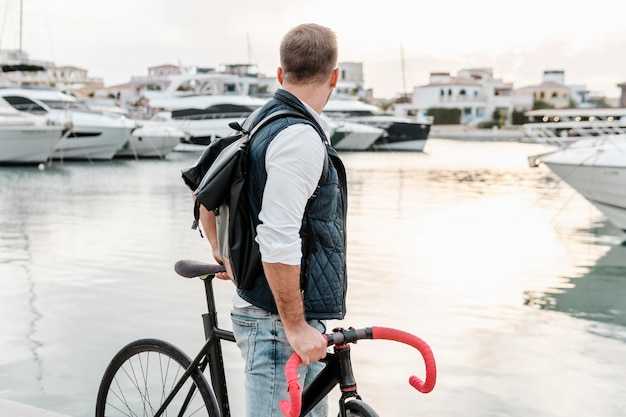
Choose a pontoon for short, calm routes across protected waters; accessible, stable, and easy to board, it is the first choice for a gentle morning or sunset ride. Forget crowded decks and slip-ready surfaces; a pontoon keeps things comfortable and accessible from start to finish.
For longer stretches or open-water sections, a cabin cruiser or a small keelboat adds shelter, seating, and potential for gear. Usually, you want a craft with a moderate draft and predictable handling when winds pick up, reducing fatigue and keeping guests comfortable, especially across long crossings.
If your route runs along langebaan coast or similar protected lagoons, a pontoon or a wake-friendly craft works well across shallow water. Whether you stay near shore or cross a wider span, stability matters most for mood and safety; in a worst case scenario, you’ll appreciate a stable platform that forgives mistakes.
Dress in clothing that layers easily, bringing a light jacket for morning chill or sunset breeze. Pack something extra for warmth, and keep a hat, sunscreen, and non-slip shoes close at hand. For extra comfort, consider gentle water shoes that protect feet on dock ramps and galley steps.
Check safety gear before you depart: life jackets for everyone, a throwable flotation device, and a basic kit. Confirm the boat’s capacity and fuel level, then run a quick system check to avoid surprises along the way. If conditions shift, have an escape plan ready and review it with your crew.
With the right boat type chosen, you support a smooth, excellent experience from morning checks through sunset anchors. Then, monitor the mood on board, adjust plans if needed, and keep a completely relaxed pace across the water.
Check Required Safety Gear by Boat Type
Always verify a Coast Guard–approved life jacket for each person before you cast off. Keep a dedicated equipment case onboard to store safety gear, and be prepared with a light, accessible kit for island hops or city sightseeing days.
- Dubalı tekneler
- Life jackets: one per person, properly fitted
- Throwables: Type IV device and buoyant cushion
- Whistle or horn for quick signaling
- Fire extinguisher: 1 per deck or per applicable length
- First aid kit stored in a waterproof case
- VHF radio or waterproof phone case for emergencies on water
- Lighting: waterproof flashlight or headlamp
- Dry storage for electronics and camera equipment
- Spare rope, fenders, and anchor with line
- Signaling device such as flares for longer cruising
- Basic tool kit for quick checks and minor repairs
- Fishing boats
- Life jackets: one per person
- Sharp knife in a case and pliers for line release
- Pliers and hook remover
- Spare tackle and spare line stored in a watertight case
- First aid kit and sunscreen
- Yangın söndıreıci
- VHF radio or satellite messenger
- Waterproof flashlight
- Dry storage for cameras and electronics
- Spare batteries and a small power bank
- Landing net for easier catch handling
- Cruising or city sightseeing boats
- Life jackets: one per person
- Throwables: Type IV
- First aid kit
- VHF radio and phone in waterproof case
- Navigation light for dusk or night cruising
- Spare rope and an extra anchor line
- Dry storage for camera gear and any special equipment
- Signaling device such as flares for extended routes
- Onboard safety briefing with all passengers
Photography-friendly trips, whether city sightseeing or island hopping, benefit from a light approach to carry gear in a waterproof case. Forget last-minute scrambling by picking the right gear in advance and keeping it stored in a dedicated case, prepared for good days on water.
Assess Weather and Water Conditions for Your Vessel
Check the marine forecast now and choose a better window; if wind stays above 20 knots or seas rise beyond 1.2 meters, reschedule. A well-planned trip relies on a stable forecast for at least 6 hours and visibility of more than 5 nautical miles to keep navigation smooth. This mindset avoids surprises as you leave the harbor and head toward the evening hours.
Monitor wind direction and speed, wave height and period, tide changes, and current flow. Where you sail matters: a lagoon typically stays calmer than open water, and a port offers quicker shelter if a squall approaches. Track water depth and charted obstructions along your intended route to prevent shallow rocks or submerged hazards from catching you off guard.
Keep a mental note of risk indicators while you plan: weather updates every 2–3 hours during your trip, and a backup route in case conditions deteriorate. Prepare the gear you will use, and ensure your supplies, equipment, and amenities are ready for a potential halt at a harbor. Think through a margin for delays and a safe return plan to port if the forecast worsens.
Protect your crew with appropriate clothing and sun protection: hats and sunscreen for everyone, plus rain layers if a squall is possible. Pack extra water, snacks, and a basic medical kit, and verify that life jackets, signaling devices, and the VHF radio are in good working condition. A well-prepared boat allows you to adjust quickly, switch to a calmer shelter, and keep the trip enjoyable rather than rushed. Forget careless shortcuts–stick to the plan, and prefer a safer, more enjoyable route over chasing a perfect without protection.
In any scenario, keep the romance of a calm voyage alive by choosing routes with predictable conditions and well-timed pauses near amenities. By staying focused on condition readings and staying flexible where needed, you can enjoy a better experience and end the day safely at a familiar port.
Plan Fuel, Power, and Provisions for the Boat
Fill the main fuel tank to 80% of capacity and carry a 20% reserve. In the case of sudden weather shifts or high-speed legs, the extra fuel keeps you moving.
Map power needs and use means that conserve fuel: power electronics using shore power when you dock, run high-efficiency devices, and set lighting to low when possible. An experienced skipper keeps speed steady and trims systems to avoid unnecessary load, preserving safety on coastal legs.
Provisions for guests: estimate meals for the trip, plus water and snacks, and store perishables smartly. Pack coastal jackets for all riders; particularly useful if weather shifts. Maintain a variety of non-perishables and fresh fruit, so relaxing breaks along the scenery won’t feel rushed. If youre planning a river or island cruise, adjust quantities by number of guests and days.
Safety planning: check the weather forecast before departure, monitor wind, tides, and visibility, and choose sheltered bays for breaks if conditions deteriorate. Though the plan stays practical, adjust as conditions change. An experienced crew prioritizes safety, keeps a steady pace, and stays flexible to shorten legs if needed.
Navigation and shore connection: keep VHF and mobile backup, log your route, and stay within cellular range when youre near the island or along a river delta. Maintain a clear connection to shore when you need updates on weather or ports.
| Item | Quantity / Capacity | Notlar |
|---|---|---|
| Fuel | Main tank: 300 L; fill 240 L; reserve 60 L | 80% fill, reserve for high-speed segments or weather shifts |
| Su | Total 150 L; drinking 24 L; cooking/washing 126 L | Insulated tanks; distribute as needed; guests onboard 4 |
| Food & Provisions | Non-perishables for 4 days; fresh fruit for day 1 | Include snacks for relaxing scenery stops |
| Jackets & Safety Gear | Coastal jackets for all guests; life vests for all | Store near exits for quick reach |
| Power Equipment | Spare battery (12 V/24 V); portable charger; optional generator | Test before departure |
| İletişim | VHF radio + backup mobile | Keep channel 16 standby; republic waters awareness |