


 Türkçe
  English (UK)
  Русский
  العربية
  日本語
日本語  한국어
한국어  Magyar
  Español
  Čeština
  Svenska
  Português
  Ελληνικά
  Suomi
Suomi  Nederlands
  Română
  Italiano
  Français
  Polski
  Українська
  Deutsch
  简体中文
简体中文  Slovenčina
 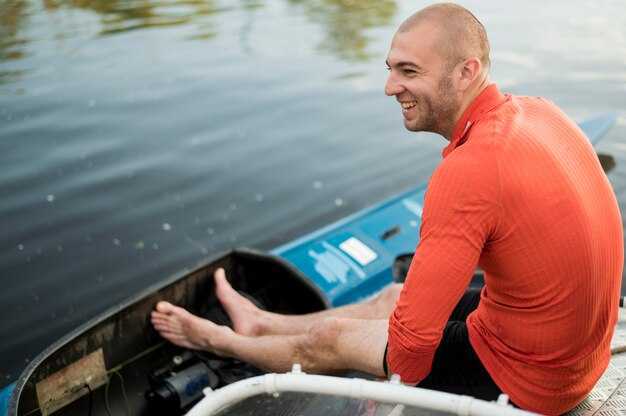 How to Drive a Sea-Doo Personal Watercraft – A Beginner’s Guide to Safe, Confident Riding">

Put on a properly fitted life jacket and attach the safety lanyard before you approach the water’s edge. After you confirm gear and fuel, run a quick check of the handlebar and throttle, then start with a shallow, coastal cruise at idle to establish balance and control.
Stand with knees flexed, feet shoulder-width apart, and your weight firmly centered over the watercraft; grip the handlebar firmly with thumbs around and elbows relaxed. Maintain a standing posture as you practice coasting at low speed, scanning for other operators and waves along the shoreline. A balanced stance helps you maintain control.
Engage in courses led by qualified operators to learn braking, turning, and throttle discipline. After each session, focus on added precision in your movements and stay within options that match your skill level. Avoid jumping or abrupt maneuvers until you feel balance and control.
Keep sessions brief and progressive: becoming proficient requires multiple repeats on different models of watercraft to feel how weight and trim respond. Check for damage after every outing, and note any added resistance or steering drift to guide your next practice.
In coastal conditions, maintain a steady cruise pace and avoid dangerous shifts in weight; stay standing or seated as trained, maintain a generous distance from other vessels, and watch salt spray. If youre not sure about condition changes, reassess and, if needed, return to shore to continue practicing in controlled areas.
Sea-Doo Personal Watercraft: Beginner’s Guide
Start with a quick safety check: inspect the hull for damage, verify fuel level, and test the startstop switch to ensure reliable power on and off. Position yourself for a stable stance and identify a clear exit path on the shore, away from traffic.
Wear a well-fitted life jacket, add neoprene gloves, and choosing a wetsuit or neoprene jacket for warmth. Wearing jackets helps floatation and keeps gear in place.
Basics of handling: sit upright, place feet in the foot wells, knees slightly bent, and hands on the handlebars. Hold firmly and keep head up, eyes forward, to scan the surroundings when you begin. When turning, shift weight smoothly to maintain balance.
Awareness and navigation: be aware of surroundings, other crafts, swimmers, and water skis. Navigation decisions should consider where to turn and how to maintain a proper distance from docks and shorelines. When approaching others, slow down and give space.
Best practices and confidence: there are ways to practice at a steady pace in calm water to build confidence. Example drills include straight-line runs, controlled turns, and smooth deceleration. Additionally, focus on intelligent body positioning–shift your weight when you lean, keep your chest open, and avoid sudden moves.
Careful timing and gear checks: when you accelerate, set a comfortable throttle grip with hands; the driver is the person steering. Ensure you wear gloves and keep your feet in contact with the hull. Inspect the safety lanyard connection and verify that the drain plug is secured.
Care and maintenance: rinse after use with fresh water, dry thoroughly, and store away from direct sun. For protection, keep neoprene gear handy, along with spare jackets. Use great habits like inspecting before each session and monitoring wear to extend durability, and you’ll feel a great sense of control.
Pre-ride safety gear and pre-checks
Put on a USCG-approved life jacket and attach the lanyard to your wrist before ignition. The following checks ensure basic safety and better handling today.
Dress for the marine environment with a fitted neoprene layer, gloves, and water shoes to protect skin and improve grip on the handlebar. If the water is cold, add a full wetsuit and booties. This equipment helps you stay comfortable during a glide and docking maneuvers.
Before starting, perform a brief systems check: engine oil level, fuel level, battery charge, and that all warning lights clear. Confirm the steering and throttle systems respond smoothly. Secure safety gear and test the lanyard by pulling it to simulate a fall; the engine should shut off promptly. These steps really support performance and line control during turning and coasting.
Make a communication plan with a passenger or buddy: agree on hand signals for turning, speed, and stopping. Inspect the deck for objects in the water: fishing lines, plastic, or other debris. Travel at a cautious, coasting pace in a marina environment; keep clear of docks and other vessels. Many marinas require extra attention near docking areas. The following cueing helps you feel confident when approaching a docking area, and be ready to slow down after a turn.
Rentals often come with a basic safety briefing; insist on a brief session and a low-throttle, supervised test run today. Ensure the rental is in good mechanical condition and that the staff records the pre-ride checks. Start in shallow water near a marina, build familiarity with the handling and line, then progress to open water once you feel the craft’s performance and confidence grow. This approach minimizes risk and helps you accelerate your skill progression.
| Item | Purpose | Nasıl doğrulanır |
|---|---|---|
| Life jacket (PFD) | Buoyancy and visibility | Snug fit, zipper closed, fasten the strap |
| Lanyard / Kill switch | Engine cut-off on fall | Attach to wrist; pull gently to confirm engine stops |
| Neoprene gloves | Grip and warmth | Check seams; ensure dexterity |
| Neoprene suit / layer | Thermal protection; abrasion resistance | Fit snug; no loose sleeves |
| Su ayakkabıları | Foot protection and traction | Non-slip sole; secure around ankle |
| Helmet (optional) | Head protection | Proper size; secure strap |
| Eye protection | Parlama azaltma | Yerinde duran gözlük veya güneş gözlüğü |
| İletişim cihazı | Hava durumu güncellemeleri ve tehlike uyarıları | Su geçirmez kasa; pil test edildi |
| Yakıt seviyesi | Menzil planlaması | İlk çalıştırmada depoyu 1/4'ün üzerinde tutun |
| Yağ seviyesi | Motor koruması | Yağ çubuğu aralığında |
| Tekne tahliye tapası | Su alımını önleme | Fiş yerinde; çatlak yok |
| Gaz ve direksiyon | Yanıt kontrolü | Boşta bırak, gazı sık, gidonu çevir; merkeze geri dön |
| İkaz lambaları ve göstergeler | Erken arıza tespiti | Ateşleme açık; tüm alarmların temizlendiğini doğrulayın |
Montaj, çalıştırma ve ısınma prosedürleri
Güvenilir bir başlangıç için, bir dalgıç giysisi ve ceketler giyin, güvenlik şalteri kordonunu bileğinize takın ve etrafınızda boşluk bırakın. Kıyıdan ayrıldıktan sonra sürprizleri önlemek için yakıt, akü ve kordon bütünlüğünü hızlıca kontrol edin.
Sol taraftan, öndeki ayağı kaymaz basamağa yerleştirerek binin, ardından tutamağı hafifçe tutarak diğer bacağınızı üzerinden geçirin. Dik durun, dengelemek için hafifçe araca doğru eğilin ve ilk hareketlerdeki sarsıntıyı azaltmak için kalçalarınız ortalanmış şekilde koltuğa yerleşin.
Kordonu acil durdurma düğmesine bağlayın ve vitesin boşa alındığını ve gazın kapalı olduğunu doğrulayın. Sistem gerektiriyorsa, kontağı açın veya başlat düğmesine basın; hiçbir şey olmazsa, kapatın ve hareket ettirmeye çalışmadan önce bağlantıları tekrar kontrol edin.
Sakin bir alanda yavaş, kontrollü hareketlerle ısının: düşük hızda direksiyon girdileri, dönüşler ve duruşlar; yüzünüzü ileriye, gözlerinizi yola odaklayın ve ani bir şekilde asılmak yerine gazı yavaşça verin. Manevralar arasında kısa bir duraklama vermek, özellikle yakında çok sayıda araç varken dengede kalmanıza yardımcı olur.
Harekete başlamadan önce kontrolleri yapın: ceket giyildiğinden, alanın temiz olduğundan, kordonun bağlı olduğundan ve göstergelerin normal rölanti gösterdiğinden emin olun. Kontrolleri sarsmadan ileri harekete geçebilmeniz için rölantiyi kısaca test edin.
Hukuki rehberlik önemlidir: Florida'da birçok operatörün onaylı kursları tamamlaması ve can yeleği taşıması gerekir; belirtilen sınırları ve yerel düzenlemeleri takip edin. Mümkünse, gün ışığı ve uygun koşullar lehinizeyken yakındaki kanalları keşfetmek için kısa bir tur planlayın.
Denge değişimi olursa, uzaktan kumandayla kapatın ve durmaya bırakın; yeniden denge sağlayın, ekipmanı ve çevreyi kontrol edin, ardından kendinizi rahat hissettiğinizde devam edin. Isınma sırasında zıplama veya pruvayı kaldırma önerilmez ve tekne bölgesinde işaretli bir alanda kalmak güvenliği sağlamaya yardımcı olur.
Hazır olduğunuzda, son bir kontrol yapın ve görüş hatları ve yasal sınırlar içinde kalarak yavaşça ayrılın. Unutmayın ki, direksiyon, vites seçimi ve gaz üzerinde kolay kontrol sağlamak için sürekli pratiğe güvenebilir, turlar ve Florida su yollarındaki gelecekteki görevler için sağlam bir temel oluşturabilirsiniz.
Gaz kelebeği kontrolü, yumuşak hızlanma ve direksiyon temelleri
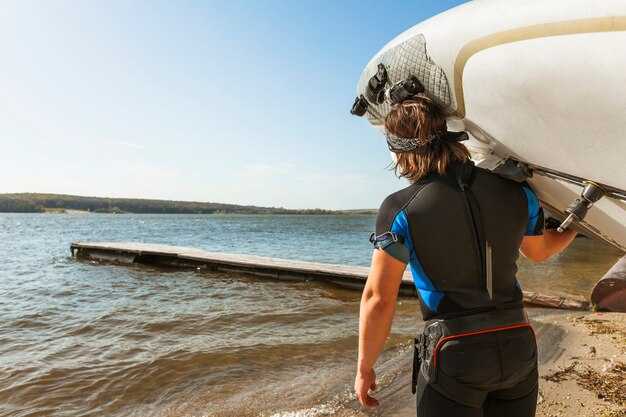
Dikkatli gaz kelebeği kontrolüyle başlayın: 2 saniye içinde rölantiden 10–15%'ye geçin, ardından düzgün bir süzülmeye oturun. Bu, adrenalin artışlarını en aza indirir ve sürücünün bugün istikrarlı bir akışta kalmasına yardımcı olur. Bu adımı unutursanız, rölantiye dönerek ve her iki eliniz de tutamaklarda olacak şekilde yeniden başlayarak sıfırlayın.
Gazı iki elinizle devreye alın, bileklerinizi düz tutun ve 25–30% gaz seviyesine ulaşana kadar 5–10%'lik artışlarla küçük girdiler kullanın. Kısaca bekleyin, ardından temiz bir düzleme kalkışı sağlamak için gevşeyin. Bu yaklaşım öngörülebilir hızlanma sağlar ve ani dalış veya yükselme olasılığını azaltır.
Denge için vücudunuzu konumlandırın: dizler bükülü, ayaklar güverte koç boynuzlarının yakınında tahtada ve kalçalar öne doğru bakar şekilde durun. Bilekleri bükmek yerine üst vücudunuzu dönüşe doğru eğin; aşırı dümenlemeden kaçınmak için tüm gövdenizle yönlendirin. Sakin bilekler ve sabit bir bakış, kayarken uyanıklığı izlemenize ve kontrolü sürdürmenize yardımcı olur.
Güvenlik ve farkındalık: Motoru rahat RPM aralığında tutun ve yüzücülere, kayakçılara ve diğer teknelere dikkat edin. Güvenli bir akış sağlayın, aşağı veya daha yavaş seyreden tekneler için yeterli alan bırakın ve kalabalık bölgelerde asla hızla geçmeyin. Unutmayın: Öngörülebilir hareketler için elleriniz tutamaklarda ve merkeze yakın bir pozisyonda olmanız önemlidir.
Ajans kuralları ve kiralamalar: Kiralık veya eski bir üniteden bir model kullanırken, sahiplerden gelen ek talimatlara uyulmalıdır. Oryantasyon sırasında sorular sorun, montaj prosedürünü doğrulayın ve uzaklara gitmeden önce gaz tepkisini teyit edin. Bu, güvenebileceğiniz anılar oluşturur ve ister sakin sularda ister daha dalgalı günlerde olsun, güvenle keşfetmenize yardımcı olur.
Pratik ipuçları: dengeli bir biniş pozisyonu koruyun, ani gaz kesmelerinden kaçının ve dışarı çıkmadan önce rotaları planlayın. Kendinizi tedirgin hissederseniz, konumunuzu yeniden kontrol etmek ve dönüş manevraları yapmak için sığ bir alana geri dönün. Rüzgar veya kalabalık zamanlarında hızınızı yavaşça ayarlayın. Bugün kasıtlı, dikkatli adımlarla başlayarak, waverunner'ınızla her gezintinizde hem kontrolü hem de konforu artıracaksınız.
Güvenli duruş: mesafe, teknik ve planlama
Her sürüşten önce durma mesafesini planlayın: yavaş geçişler 40–60 metre, orta hızlar 60–120 metre, hızlı geçişler 120–200 metre gerektirir. Dalgalar, kabarcıklar ve yakındaki trafik için bu rakamları ayarlayın. Durmak için açık, yasal bir alan seçin ve panik yapmadan, yüzücülere ve diğer araçlara dikkat ederek düz bir rotada kalın. citeturn0search0
- Şartlara göre mesafe planı
- Yavaş veya sakin bölümler: hedef 40–60 m; kademeli gaz azaltımı ile motor frenini kullanın.
- Orta hızlar: hedef 60–120 m; yerel geçiş hakkı kurallarına ve diğer sürücülere daha fazla dikkat edin.
- Hızlı geçişler: hedef 120–200 m; daha büyük dalgaları ve potansiyel engelleri öngörün; mesafeyi buna göre ayarlayın.
- Yavaşlama ve kontrol tekniği
- Gazı yavaşça gevşetin, ani kapatmalardan kaçının; motor freni gidon ve merkez hattı hizalaması yoluyla dengenin korunmasına yardımcı olur.
- Ayakları omuz genişliğinde açın, dizleri bükün ve vücudunuzu ortalayın; aşağıya suya değil, hedeflediğiniz durma noktasına bakın.
- Yavaşça düz bir çizgiye yönelin, ani dönüşleri en aza indirin ve bölgelere ve diğer sürücülere saygı göstermek için sağa doğru açık bir yol bırakın.
- Gidonu sıkıca tutun, kalçaları gövdeye bağlayın ve dengeyi kaybetmeden daha büyük dalgaları yönetmek için ağırlık transferini kullanın.
- Son durak ve durak sonrası eylemler
- Rölanti hızını hedefleyin, ardından motoru durdurun ve güvenlik kordonunu takın; aracı trafikten uzak, güvenli bir alana sabitleyin.
- Scan for riders or swimmers as you finish; if someone approaches, drift to a wider gap rather than blocking a lane.
- Check surroundings again, re‑evaluate your distance to others, and plan the next segment of the ride based on current limits.
Checks and planning for reliability: license status and local rules; complete safety courses; modern practices emphasize these steps as standard. Before departure, verify the lanyard, kill switch operation, fuel level, and engine readiness; confirm that waves are within your comfort range and that you can stop within the planned distance. Multiple riders nearby require extra caution to avoid losing control or creating collisions; always ride with space to maneuver.
- License and courses: ensure your documentation is current and that you’ve learned stopping discipline in local zones.
- Equipment and checks: lanyard connected; engine and handlebar controls respond smoothly; checks completed without rushing.
- Questions to answer while preparing: Are waves larger than expected? Is traffic spacing sufficient? Whether the route provides safe escape options if conditions worsen?
- Strategy and planning: connect with fellow riders when possible; respect the limits of your experience; know when to slow down or change course.
- These steps help maintain control and reduce risk in waters with other users and changing conditions.
- citeturn0search0
Turns, wakes, and speed management in varying water conditions
Direct recommendation: Plateau entry speed, choose a clean, angled line for the turn, engage the outside handle with steady pressure, and increase throttle gradually to sustain planing. In mixed conditions, head up and eyes forward to think ahead about wave sets and line options.
In heavy wakes, hopping can unsettle the craft; keep the vessel flat and apply small, controlled adjustments. When you meet a wave crest, slow the pace before entering, then accelerate through the trough to preserve stability. Rinse spray off the neoprene and gear after the session to prevent chafing and water absorption.
To execute a turn in chop or oncoming waves, shift weight toward the inside leg, lean the torso into the arc, and engage the throttle smoothly to preserve traction. both hands stay on the bars with a light grip; let the devices display RPM and speed so you know when to increase or reduce power. Slow increments prevent a bog or lift-off at the crest of a wave.
In glassy water, speed can grow sooner, but stay mindful of visibility; in rough water, extend the arc and watch for obstructions. Think ahead about exits and escapes if control is compromised; choose lines that avoid colliding with vessels or submerged hazards. Also, wear guard-approved neoprene protection and a PFD to protect the body and joints; being cautious reduces risk compared with hasty maneuvers.
Gradual acceleration is a key technique; increase speed in small increments rather than surging. Watch the wake pattern ahead and adjust your path to stay out of tight eddies. In states of wind and tide, shorten the turn radius to retain control, leaving more margin for error.
The best approach includes avoiding dangerous conditions; refrain from operating if you suspect impairment related to drugs, and always perform a quick rinse after use. The adventures on the water hinge on being prepared, staying aware, and watching for others. Careful attention to handling helps you protect equipment and riders alike; use practice again and again to sharpen skills.