


 Türkçe
  English (UK)
  Русский
  العربية
  日本語
日本語  한국어
한국어  Magyar
  Español
  Čeština
  Svenska
  Português
  Ελληνικά
  Suomi
Suomi  Nederlands
  Română
  Italiano
  Français
  Polski
  Українська
  Deutsch
  简体中文
简体中文  Slovenčina
 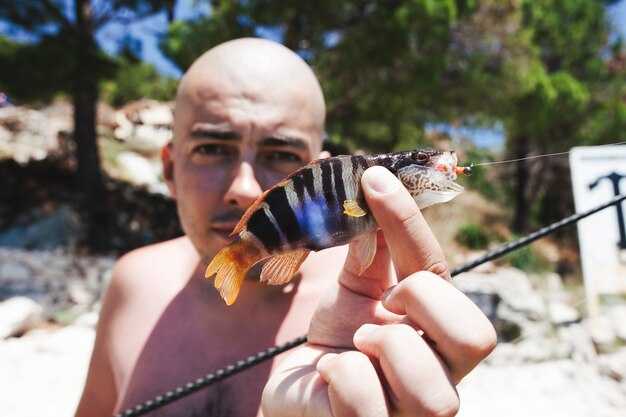 How to Catch Catfish – Expert Tips on Bait, Gear, Techniques">

Start with locating a hole on a shallow downstream bend where the current slows and structure concentrates prey. countyfeatures such as submerged timber, rock ledges, and a wide bottom profile draw the most active fish; scan the shore for signs of sunfish activity and feeding along the edge.
Set up a sliding rig on a robust tackle setup with a sturdy line, a 2–4 oz weight, and a strong circle hook. Use a sunfish chunk or whole sunfish as the lead piece, keeping the mouth of the fish oriented toward the point. Employ a hybrid setup that blends weight and sensitivity, ideal for bottoms and snag-rich runs. Cast across a range of depths from shallow to mid-column, and be ready to adjust the leader length depending on cover.
Execute the retrieval with rhythm: cast along the downstream edge and let the bait settle; when a tug comes, pause, then sweep the rod tip and feed line to keep contact. The slowest bites often arrive after the weight settles near the bottom; stay patient, guard against snags, and let every test teach you the water. If you love quiet patience and precise timing, this approach is rewarding, because the fish gravitate toward the bait, bringing steady action from them.
Adapt to the river’s rhythm because the pattern depends on season, current, and light. In your home waters, mark where you find them most often: near holes, along the shore, or downstream from big structure; note how often bites occur at dawn or dusk. sometimes the best bites come after a short adjustment, so move a few arm lengths and recheck the line. The reward is steady, and the tackle you build today will pay off every outing.
Practical Catfish Angling Guide
Use a minimum 20–30 lb mainline with a 12–24 in leader, a 2–3 oz sliding weight, and a sturdy circle hook. Anchor down in coves where riprap lines the shore and current slows; present them just off the bottom where the edge structure holds fish. Keep the line taut to register quick takes, and adjust your position with each cast based on water clarity. These setups have fished reliably across coastal bays and okaloosa lagoons.
For attractants, use sucker chunks, mullet pieces, crawlers, and a dough ball option; try your favorite combination and test each element to isolate results. The stink of natural scents matters; use unique presentations to improve response. With clear water, go lighter; with stained water, extend the longer leader and let scent linger. In okaloosa coves near riprap, this approach shines. If you fish into longer sessions, stock extra chunks; they stay effective across tides.
Target zones by depth: flathead favor deeper edges, striped cats lurk near structure at night; place one line toward deeper pockets and another toward shallower zones to cover multiple possibilities. As advised by local captains, adjust angle and use staggered lines for easier detection of subtle taps. Each cast should bring the offering within reach of likely holds, and when you see a line twitch, give a firm but controlled set. Fished this way, you can feel the difference between a light nudge and a real bite, easy to distinguish; determined by tide and wind, keep your stance steady and read the current before the next cast.
| Koşul | Kurulum | Notlar |
|---|---|---|
| Calm, clear water near coves | 20–30 lb line, 12–24 in leader, 2 oz weight, circle hook; sucker or mullet chunks | Present just off the bottom, near riprap |
| Murky water, dusk | Longer leader, dough ball, crawlers | Stink attractants boost visibility; okaloosa spots respond well |
| Deep flats with current | Anchor down; two rigs aligned to hold in cross-current | Target flathead more; maintain minimum tension |
Choosing the right bait for catfish by species and water conditions
Start with live shad on forked-tail rigs in slow-moving lakes spanning acres; this choice yields the most rewarding bites for blues and flatheads when temperatures hover between 60 and 78°F. Place the set-up near the bottom and tend the line through weed edges and along creeks, where fish frequently pass by in sunshine.
Channel catfish in public waters respond well to cut shad or chicken liver. Use a robust set-up with 2–4 oz weights and a strong leader, and fish near submerged logs or along back eddies where current slows. If the bite is slow, wait the minimum time before swapping baits, then switch to a stinkier option or a fresh cut to keep their attention through the day.
Blue catfish prefer bigger offerings in large reservoirs or lakes well over 100 acres. Go with live shad or large cut bait, targeting depths of 20–40 feet when temperatures rise into the 70s. Use 6–10 inch baits on multi-hook rigs and a heavier line to hold bottom in current. In stained water, add scent and adjust leaders to keep the bait inside the backwash that blues patrol.
Flathead catfish bite best on live fish such as bluegill or shad, often around submerged wood and logs. Target slow-moving channels and brushy cover near Woodruff areas or other woody structure; use bottom rigs with heavy weights and circle hooks sized 6/0–10/0. In lakes with clear water, offer natural presentations; in murk, lean toward larger, stronger baits to trigger sight and bite signals.
Water conditions dictate placement: in lakes with clear water, mimic natural forage and keep baits steady near cover; in acres of murky water, increase bait size and scent to reach fish through the glassy or turbid layers. Orlando-area public lakes and similar devletler demand frequent changes in depth and distance from shore, especially on sunny days when fish back off to cooler zones. If a bite is determined by line movement rather than visible strike, adjust depth and switch to shad or cut bait that matches what the fish have been feeding on.
Hook types and rigs for flathead, channel, and blue catfish
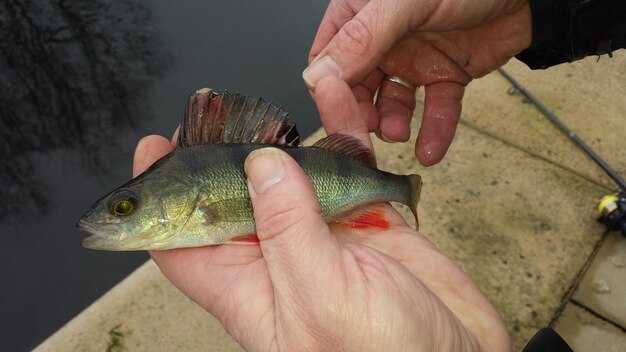
Begin with a Santee Cooper bottom rig: 6–8 oz weight, bead, and barrel swivel, plus a 12–18 in leader to a circle hook for blue catfish; switch to a large J-hook or curved point for flatheads. Spooled braided line provides the necessary strength, and a stout knot keeps connections secure. In muddy current, add weight to pin the rig to the bottom. This setup tend to hold in current and minimize snagging near cover, creating reliable opportunities from tailwaters to deep holes.
Flathead-focused configuration relies on direct bottom contact: a single large hook (5/0–8/0) on a 12–24 in leader with a bottom-hugging stance. A Texas rig with a slip sinker works well, or run a dropper loop with a curved hook to keep the bait near the riverbed. Use 6–8 oz in moderate flow to maintain contact; a straight or curved hook aids clean hooksets on big fish.
Channel cat rigs favor simplicity and quick, solid hookups: a bottom setup with a slip-sinker and one or two hooks, weights 1–4 oz, and circle hooks (#4/0–#7/0) to minimize gut hooking. A short dropper leader keeps the bait in the strike zone while the main line moves with current. In calmer water, a Texas rig offers dependable performance with a single hook and light weight (1–2 oz).
Blue catfish demand heavy tackle and reinforced connections: 8–12 oz weights in flowing water, 60–100 lb class braided line, and long leaders. Either Santee Cooper or Texas rigs work well; circle hooks boost hookup efficiency and reduce handling stress. In slow tailwaters, try artificial lures such as crankbaits to locate fish, then switch to dough balls or paste-based attractants mounted on the hook to seal the bite.
General setup notes: plan from the ramp, coordinate with friends, and begin early in the season when flows are favorable. Use spooled braided line for performance, keep weights heavy enough for muddy conditions, and choose hooks with curved or straight profiles based on bite style. Such rigs tend to deliver, even when fish hold deep or lurk near cover, and they translate well across multiple water bodies and seasons.
Rods, reels, lines, and terminal tackle for freshwater catfishing
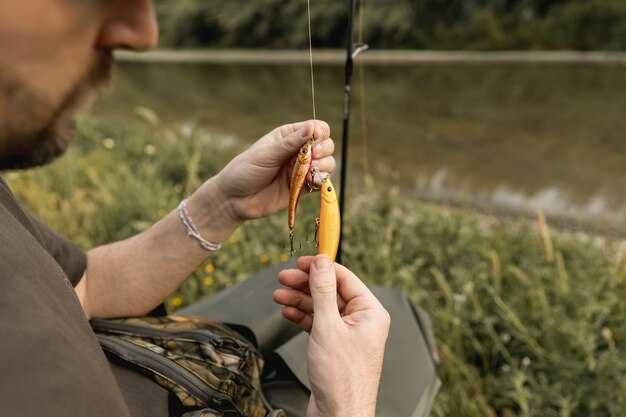
Best starting setup for freshwater catfish is a 7-foot to 7.5-foot rod with medium-heavy action, paired with a sturdy reel and smooth drag. Use about 200 yards of 20 lb braided line backed by 12- to 15-lb monofilament, or run straight braid for deep, beefy control. This setting lets you bring them out of dense cover and patches across acres of water, turning the battle into a controlled, powerful fight.
Line choice and handling: Braided mainline delivers very sensitive feel and strong performance, while a fluorocarbon leader 20–40 lb resists abrasion from rocks and timber. Soak the leader before tying to reduce knot slip in cold water. This setup offers a fantastic balance between learning and control, especially when you fish near sunfish and striped patches that mark weed lines and feed zones across acres.
Terminal tackle: Use hooks sized 4/0–8/0, with circle or wide-gap shapes depending on bite style. A sliding sinker above a bead and swivel prevents line twist; pair with a 20–40 lb fluorocarbon leader for abrasion resistance when fishing into timber and dense cover. This arrangement stays strong in a battle and keeps big fish from tearing off.
Rigging and setting: Approach this sport with a simple rig that works in wintering pools and dense cover. If youd prefer simplicity, begin with the Carolina rig. Tie knots with a reliable palomar or improved clinch; keep line setting taut as you probe patches in acres of water, including weed beds and sunfish schools. Their feeding tends to be gorging during warm spells, so stay focused and smooth, happily turning learning into solid results.
Baiting tactics: fresh bait vs. stink bait, scent trails, and presentation
Begin with live beef bullheads as your main attractant; harvested from a licensed fishery, these fish stay dense in a cooler and deliver strong aroma. Thread 2–4 on a sliding leader so the hook sits 6–12 inches off the bottom, then cast along the shore, side channels, and maidencane patches where activity is highest. Access public ramps and prepare for early drives; plan year-round trips, looking for movement near structure and chasing the target in the same area. In the Weohyakapka fishery and nearby public waters, this setup produces consistent results.
Taze, canlı yayın balığı berrak suda keskin bir koku dalgası yayar; bulanık veya akıntılı sularda, düzeneğin arkasındaki koku izini genişletmek için çürümüş balık bazlı bir yem kullanın. Ortamı boğmadan suyu kokulandırmak için ölçülü miktarlarda kullanın; çoğu zaman azı karar, çoğu zarar ve sabit koşullarda her 20-30 dakikada bir tazeleme yaparak izin su sütununu doldurmasını sağlayabilirsiniz.
Koku izleri: akıntının aromayı yatak boyunca hedef bölgeye doğru itmesine izin verin; sık bitki örtüsünün balıkları yoğunlaştırdığı bakire kamış kenarları, ot cepleri ve düşüşler boyunca ilerleyin. Yuvarlanan bir sunum, yemin aynı alana doğru koku yaymasına izin verirken, yemin tabanla temasını korumasına yardımcı olur. Weohyakapka balıkçılık alanına yakın kamuya açık erişim noktaları aracılığıyla erişilen sular, hatları rüzgara ve akıntıya bakacak şekilde konumlandırdığınızda iyi sonuç verir.
Sunum önemlidir: Yemi otlardan uzak tutmak ve derinliği kontrol etmek için kaydırmalı bir kurulum kullanın. Aynı bölümü taramak için yavaş sürüklenme düşüşleri ile daha uzun, sabit sürüklenmeler arasında geçiş yapın; yapı mevcut olduğunda sunumu zeminden 15-30 cm yukarıda tutun ve zeminin daha dik bir eğime yükseldiği yerlerde daha derine inin. Kapsamı artırmak için kıyıdan birden fazla olta atın, özellikle sabah erken veya öğleden sonraki seanslarda, ve verimli sürüşler için aynı teknedeki adamlarla koordineli çalışın; bu yaklaşım, koşullar değiştikçe uyum sağlamayı kolaylaştırır.
Saha notları: hava durumunu, su berraklığını ve hangi cezbedicilerin etkili olduğunu kaydet; gizli aktivite belirtilerine (bozulmuş çamur, iz çizgileri veya kuyruk vuruşları) bakın ve hızlıca ayarlama yapın. Kıyıya yakın halka açık alanlarda ve sık sazlık bölgelerinde, hasat edilmiş, sığır aromalı canlı yemlerden sürekli olarak sağlayarak yıl boyunca tutarlı sonuçlar elde edebilirsiniz. Aynı hedef türlere karşı bilgi sahibi olmak ve sonuç üretmek için güncellemeleri Orlando, Weohyakapka balık çiftliği ve yakındaki haber kaynaklarıyla paylaşın.
Isırık okuma ve zamanlama: mevsime ve günün saatine göre vuruşları optimize etme
Balık avını alacakaranlık saatlerine (şafak ve gün batımı) denk getirmeyi planlayın; bu zamanlarda su hafifçe soğur ve hareketlilik artar. Doğu ve kuzeydoğu sistemlerinde, sığ düzlüklerde ve çalılık yakınındaki bu saatler, daha net ısırma sinyalleri ve daha hızlı tepkiler için zemin hazırlar.
- İlkbahar: yumurtlama sonrası yükseliş ve daha sığ beslenme
- En iyi zamanlar: özellikle Apalachicola halici gibi nehirler ve koylar boyunca kıyıya yakın ve erişim noktalarında, gün doğumundan öğle ortasına kadar.
- Okuma parçaları: Balıkların fırça yığınlarının etrafındaki 2–8 ft bölgelere ve levrek ve diğer türlerin gevşek bir şekilde toplandığı alanlara girmesiyle daha hızlı vuruşlar bekleyin; ağızlar yakalandıkça kısa, belirgin çekişler ve misinanın sabit bir şekilde eğilmesini arayın.
- Desen notları: bu balıklar sıcak noktalarda dolaşmayı ve akıntıyı kıran yapıları sever; şed balıklarını ve diğer yemleri taklit eden krank yemler kullanın, ardından hareket kıyıdan açığa kayarsa daha derin kurulumlara geçin.
- Ekipman ve yem kılavuzu: Açık kıyı şeritlerinde ve tekne erişim noktalarında orta aksiyonlu ekipmanlarla çalışmayı planlayın; ilkbahar sonlarında sık görülen daha yavaş, kasıtlı vuruşları cezbetmek için yemleri 5-10 cm aralığında tutun.
- Yaz: sıcak ısırma temposunu yavaşlatır; konsantrasyonu en üst düzeye çıkarın
- En iyi zamanlar: günün ilk ışıkları veya gün batımına yakın; günün sıcağında balıklar daha derin sulara veya çıkıntıların altına kayar, bu nedenle 1,8-6 metre derinliklere ve kıyılar boyunca veya kanallar arasında çalılık alanlara geçin.
- Okuma ısırıkları: en yavaş vuruşlar, sert bir çekişten önce misinanın bir anlık gevşemesiyle gelir; balık yemi sabitlemek için ilk santimdeki hafif kafa sallamalarına ve nazikçe ısırmasına dikkat edin.
- Desen notları: daha derin termoklinlere ve kaslı hamsi sürülerine erişimi olan hedef bölgeler; yüzeydeki hamsi döküntüleriyle yoğun bir şekilde beslenen kaya balığı ve diğer dip balıklarının etrafında çalışmayı planlayın.
- Ekipman ve yem kılavuzu: okuldaki gölgeleri taklit eden krank yemleri kullanın ve daha yavaş, daha metodik bir geri alma işlemine ayarlayın; takımları örtünün yakınında tutun, ancak açık deniz duvarlarına aşırı yerleştirmeden kaçının.
- Sonbahar: beslenme aralığı genişler; ısırıklar belirleyici hale gelir
- En iyi zamanlar: şafak öncesi ve gün batımı sonrası, ılık havanın aktiviteyi uzattığı dönemler; büyük nehir sistemlerinde, kuzeydoğu kıyısı boyunca ve doğu havzalarına doğru olan bölgelerde daha sığ ve orta derinliklerde tutarlı vuruşlar görülmektedir.
- Okuma ısırıkları: aktif sürüler 1-4 metre bölgelerine girdikçe daha güçlü çekişler veya ani düşüşler bekleyin; birçok ısırık, balıklar fırçalıklardan yapı yakınındaki açık suya doğru dönerken meydana gelir.
- Model notları: Okullar sığ çıkıntıların ve noktaların etrafını sıkılaştırır; yemin iten dalgaların olduğu erişim noktalarına ve kıyı şeridi kenarlarına odaklanın.
- Ekipman ve yem kılavuzu: kıyıdan veya tekneden iyi atılabilen güvenilir yemlere öncelik verin; sığ ve orta derinlikte sunumların bir karışımını kullanmayı planlayın ve gölge taklit eden desenler ile daha agresif krank yemler arasında sık sık geçiş yapın.
- Kış: soğuk cepheler, sabırlı yoklamalar, daha derin tutuşlar
- En iyi zamanlar: güneş ışınlarına maruz kaldıktan sonra sığ bir ısınma noktasının oluştuğu öğleden önce geç saatler ile öğleden sonra erken saatler; daha derin kanalların karşısına ve fırça kalıntıları ve güneş alan kıyılar dahil olmak üzere kalıntı ısıyı tutan yapının etrafına bakın.
- Yemleme şekilleri: Isırıklar en yavaş ve dikkatli olanlardır; çekme sabit bir çekişe dönüşmeden önce minimum misina hareketini izleyin; genellikle dipten hafif bir çekiş gibi hissedilir.
- Desen notları: Kursak balığı ve diğer yemleri barındıran hedef erişim noktaları ve kıyıdan uzak bölgeler; daha derin sığınakların yakınında toplanan kaya balığı ve diğer dip canlıları civarında balık tutmayı planlayın.
- Ekipman ve yem kılavuzu: daha kalın misinalar ve daha yavaş, sabırlı bir ritim kullanın; soğuk sularda ağızda yakalamayı tetiklemek için daha büyük yemler veya doğal sunumları düşünün.
Sezonluk strateji esasları: Fırça ve yapının yemi tuttuğu, erişim noktalarının, kıyı şeritlerinin yakınında ve av okullarının hareket ettiği su sütunları boyunca kurulum yapmaya odaklanın. Apalachicola bölgesinde ve diğer doğu sularında, hem kıyı şeritleri hem de daha derin kanallar boyunca düzenli kontroller en tutarlı sonuçları verir. Teknelerden veya kıyıdan atış yapmayı planlayın ve ortama uyum sağlayın; ısırmalar için ideal pencere genellikle hava ve su sıcaklığına bağlıdır: Hava sakin olduğunda, fırça hatları yakınında aktif balıkların görüntüsü artar ve rüzgarlar yükseldiğinde, gölgeler ve su altı yapısı devam eden beslenmeyi tetikler. Birden fazla alanda ortalama hızların değiştiğini göreceksiniz; en iyi okuyucular daha az aktif alanları araştırmayı öğrenir, ardından sabırlı ve metodik bir yaklaşımla en umut verici noktalara odaklanır. Planı güncel tutmak ve şafaktan akşama kadar aktivitedeki bir değişimi tespit etmek için en sevdiğiniz Kuzeydoğu rotalarınızdaki erişim noktalarını ve fırça yığınlarını düzenli olarak ziyaret edin.