


 Türkçe
  English (UK)
  Русский
  العربية
  日本語
日本語  한국어
한국어  Magyar
  Español
  Čeština
  Svenska
  Português
  Ελληνικά
  Suomi
Suomi  Nederlands
  Română
  Italiano
  Français
  Polski
  Українська
  Deutsch
  简体中文
简体中文  Slovenčina
 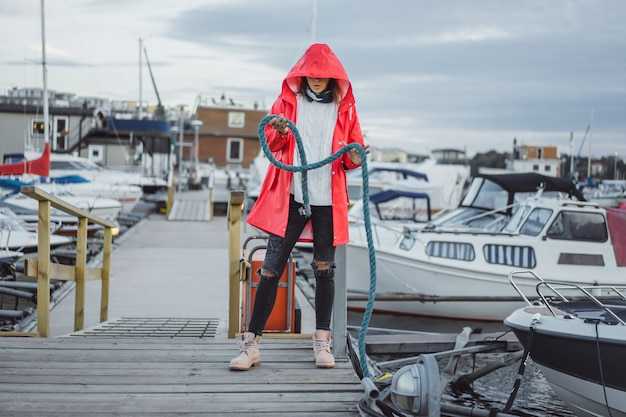 How to Anchor a Boat – A Step-by-Step Guide for Safe Mooring">

Drop hi-test chain and line to a 5:1–7:1 scope in calm, shallow water, and attach it securely to a robust bow cleat. Let the rode be lying on the bottom and the boat riding the current, not dragging. This setup follows a rule that reduces risk and offers a stable reference as conditions shift.
The intended bottom type matters: sand with low current holds better; rocky or weedy beds demand shorter scope and more power to maintain grip. Most vessels in depths up to 8 m use about 6x depth of rode; at 5 m depth that equals 30 m of line and chain. Use hi-test chain to reduce stretch; keep the line attached to the chain, not to the bow cleat or locker, to prevent creep and chafe.
Before settling, run a quick test: ease the line and watch for drag; if the vessel shifts more than a meter in 15 seconds, increase scope or shift to a deeper spot. The rule is simple: more power yields more holding, while letting slack invites drift. The crew should have skills in reading currents and tying reliable knots, such as a bowline or cleat hitch, though the latter varies by gear. The line should remain attached to the cleat and to the rode to prevent chafe. Sailing practice helps you apply these checks easily, even if winds rise unexpectedly.
In shallow harbors and crowded marinas, use a shorter rode to reduce swing, making the task easier. Such disciplined checks, though repetitive, fit most vessels and crew sizes; it minimizes risk while preserving power to ride out short squalls. Taking the time to rehearse the setup builds confidence and keeps the process simple, even when the water looks choppy, and the horizon seems like a toon cartoon rather than a calm scene. Most importantly, always verify weather updates and be ready to adjust if the wind shifts abruptly.
Bahamian Moor Setup: Site Evaluation, Gear, and Execution
Locate a well-sheltered site with good holding and a limited swing radius; lay two mushroom anchors in a circle to keep a recreational vessel lying steady, just like a well-timed setup that makes calm conditions easier to handle, even when winds shift or currents change.
Depth target: 5–12 m. Bottom: sand or mud for best holding; weed, rock, or coral reduce grip; areas like weed patches should be avoided; locate underwater obstructions and map the areas you plan to use; with rule of thumb, allow at least 1.5–2 vessel lengths of clearance from structures or shoals; current, wind, and surge should be evaluated instance by instance; lines should lie easily, wrapped around cleats to prevent chafe.
Gear: two mushroom anchors rated 25–60 pounds each, two lines 15–30 m long for each, optional short chain segment to help set, buoy and float to mark, and a secondary line for adjustment; attach to the vessel with a hand-over-hand wrap and keep lines wrapped around cleats to reduce wear; a spare rope stored in the home locker provides quick replacement if needed.
Steps to execute: drop the two anchors to the seabed while maintaining the vessel in a true position, arrange them to form a circle around the vessel, mark the stern line with a buoy, connect the secondary line for adjustments, start the engine at idle to test hold and swing, verify the vessel lies well inside the circle, and adjust by hauling a short length of line and re-wrapping if necessary, then recheck buoy visibility and keep a safe distance from other craft.
Maintenance and checks: inspect lines and buoys for wear, wrap damage, and chafe; replace worn components; boater should practice come-aboard signaling and keep the engine ready; instance of heavy swells, shorten lines gradually; ensure the circle remains clear of propellers and traffic; store spare parts home for quick access.
Evaluate wind, current, depth, and swing room to prevent crowding
Recommendation: Set swing room minimum 1.5x–2x boat length, rising to 3x in gusty winds or stronger current. For a 28 ft craft that means 42–56 ft of clearance, up to 84 ft when gusts top 25 mph or current exceeds 2 knots. Maintain extra space near buoys, sandbar, and shorelines where seaweed, grass, or shallow bottoms raise snag risk. When in currents, keep stern clear of the channel; use spare rode length to adjust riding position.
Wind and current assessment helps plan adjustments. Check local forecasts; note likely gust timing and direction; upon wind shift, swing room increases or decreases accordingly. If winds come from a direction that brings boats toward a crowded area with buoys or a sandbar, increase clearance and shorten riding length to avoid contact. In shallower basins near seaweed or grass, swing room must be kept large enough so you do not drift onto the bottom or into other craft lines.
Depth, bottom, and swing geometry. Measure depth at low tide and at expected high; base your rope length on range. In shallow zones, extra caution with height of stern to avoid contact with bottom; check for sandbar edges or grass beds; seaweed can snag lines. If the bottom is hard or rocky, adjust line length accordingly. Larger boats require more margin; if depth drops quickly, reduce swing by moving to a deeper hole or repositioning to a more favorable angle.
Obstacle awareness and riding strategy. Keep clear of buoys, sandbar, seaweed beds; if you ride near them, you risk entanglement. Use a flexible approach: adjust techniques, swap to a horizontal line when winds push you sideways; throw a longer line to the cleat on deck; maintain a strong grip and use a hard stop if needed. When gusts hit, use a larger margin to maintain strength; also check strength of line and rode; use steel cleats with protective chafe gear.
Local context and practical tips. Based on local needs, choose a berth style that suits the site. If winds shift, adjust height strategy and re-check swing room; best practice is to enjoy calm moments, then escalate line length when wind rises. Avoid crowding by ensuring a safe distance from other vessels, with room to ride your style without impacting neighbors. It comes down to technique, skills, and adjustments made times when conditions change.
Identify hazards and plan an exit route using charts and sounder
Begin with a hazard scan using charts and sounder, establishing a clear exit corridor at minimum three vessel lengths from edge features and seabed shadows. In calm white water, keep the crew shifted toward the windward side, and account for current drift. This setup reduces sudden movement as you ride the approach.
Plot hazards on charts and confirm with the sounder: edge drop-offs, rocky outcrops, weed beds, wrecks, and submerged cables. Note seabed type and depth changes, marking the next gate in your path that keeps you out of shallow pockets. If markers exist, record their positions and log buoys that signal the route to follow.
During close-in work, use sonar data to verify bottom structure along the chosen path: when depth falls sharply, shift to a deeper lane with the same general heading. Document sizes and shapes of features; keep a safe margin of three vessel lengths whenever abrupt relief or soft soils appear in the seabed.
Assign a hand at the helm and another on the chart while the crew watches the water ahead. danik can verify markers, while barletta buoys help define the white corridor and signal the area riding the edge. Use calm, deliberate motions; throw a line only when control remains solid.
After clearing the hazard zone, rotate to a safe heading and confirm depth with the sounder. If there is a couple on deck, share watch to maintain awareness; keep communication clear and avoid rushed decisions. Stay well back from the edge, and monitor the seabed as you transition to calm water.
Select and prepare gear: bow anchor, stern line or secondary anchor, rode, fenders, and chafe protection
Start with a heavy plow-style bow device, designated recreational use, with a roller head assembly and corrosion-resistant finish, preferably white.
Pair it with a stern line or designated secondary device, plus a robust rode in braided nylon or polyester; keep spare line on deck to react quickly to changes in wind or current.
Rode length equals water depth multiplied by 7 to 10, with an extra 5 m on deck to move easily. Use an appropriate amount of absorption to damp shock loads; moderate tension works best in light chop.
Two fenders, white as a preference, are mandatory at bow and stern, with chafe protection along hull contact points; ensure both lines have protection where they pass through hardware; ashore adjustments can help show best results.
Chafe protection: install sleeves or protective tape on the rode where it passes through hardware; use roller fairleads to reduce wear; check security of all connections.
Most setups benefit from keeping both lines accessible and easy to handle, looking clean ashore; this choice is a favorite among recreational crews, as it resists wear while enhancing safety and security at the moment of moor.
Position the rode to move downwind toward the most favorable direction; this idea reduces stress on gear and helps to moor in a stable stance, even in gusty conditions. That approach makes the setup easy to manage, and you can enjoy adjustments without fuss.
Finally, ashore, make adjustments to ensure the lines look neat and secure; the position of gear should be clear; most crews enjoy safety, security, and ease of handling with a well-planned scheme, which helps to moor confidently and move down the channel with less effort.
| Item | Specification | Notlar |
|---|---|---|
| Bow device | heavy, plow-style, white finish, roller | weight by boat length: 3–6 m: 4–6 kg; 6–9 m: 7–12 kg; 9–12 m: 12–20 kg; >12 m: 20–40 kg |
| Stern line / secondary device | braided rope or resin-coated line; rated to main gear | backup control; easy to secure ashore |
| Rode | polyester or nylon braid; scope 7:1–10:1; depth-based length + deck reserve | absorption reduces shock; move down current if needed |
| Fenders | two large white fenders | position at bow and stern; prevent hull contact |
| Chafe protection | kollar veya koruyucu bant; koruyucu kullanın | donanımın geçtiği yerler |
Pruva demirini uygun kaloma ve rüzgâr/akıntı farkındalığı ile bırakıp sabitleyin
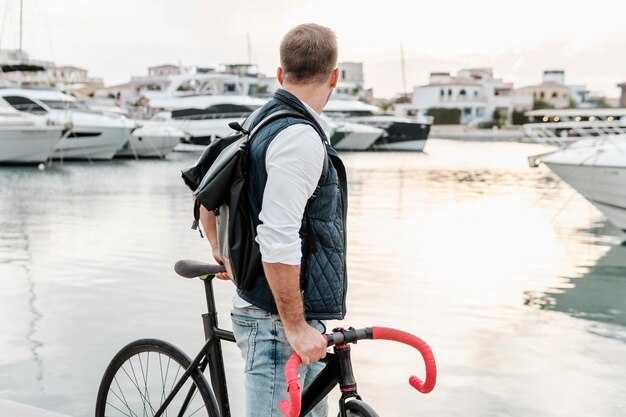
Sakin sularda en az 5:1, rüzgar veya akıntı arttığında ise 7:1 iskota oranıyla baş ıskotasını bırakın. Sığ bölgelerde, işe yarar bir tutuş sağlamak için naylon bir halat üzerinde ağır bir mantar donanımı kullanın; uygun ağırlık ve yerleştirme dahil, durum değişirse sıfırlamayı kolaylaştırır. Bu seçim kalabalık limanlar için iyi sonuç verir ve dikkatli kontrol ile daha da tahmin edilebilir hale gelebilir.
Botu rıhtımdan, teknenin pruvasını rüzgara veya akıntıya doğru konumlandırın, ardından donanımı yavaşça indirin. Misinanın deniz tabanına kadar inmesine izin verin; noktayı tekneden görülebilir hale getirmek için kösteğe bir şamandıra takın. Aşınmayı önlemek için naylon misinayı düzgün tutun ve gövde boyunca veya takozlardan geçtiği yerlere sürtünme koruması ekleyin. Sığ suda sürüklenmeyi azaltmak için misinayı daha kısa tutun; derin suda ise daha uzun uzunluğa izin verin. Bu yaklaşım, daire boyunca size rehberlik edecek işaretler ve markörler sağlar.
Dişli dibe ulaştığında, ısırığı sağlamlaştırmak için tekneyi nazikçe geri çekin ve hattı herhangi bir hareket için izleyin. Hareket tespit edilirse, geri çekilip tekrar bırakarak sıfırlayın. Bir tutuş sağlandıktan sonra, yığılmayı önlemek için halatı daire içine alın ve yuvarlanma koşullarında aşınmaya karşı dikkatli olun. Gerekirse, aynı durumda işlemi tekrarlayın.
İpuçları: Ev kayıtları için akıllı telefonda pozisyonu kaydedin ve işaretleri görünür tutun. Ayrılıyorsanız, misinayı sabitleyin ve sakin havalarda daha kısa bir menzil seçerek veya rüzgarlı bir durumda yalnızca gerektiği kadar uzatarak riski azaltın. Bu akıllı seçim sürüklenmeyi azaltır ve gerekirse ekipmanı hızlı bir şekilde sıfırlamaya hazır tutar.
Genel teknikler rüzgar farkındalığı, gelgit değişimleri ve ekipman yönetimine vurgu yapar: sinyal şamandıralarını görünür tutun, halatta bir yüzdürücü bulundurun ve naylon halatı aşınma ekipmanıyla koruyun. Her zaman gerekli yedek ekipmana ve tutuşun her durumda nasıl davrandığını belgelemek için bir akıllı telefona sahip olun.
Bahama Bağlama: Bir kıç halatını ikincil bir demire veya sabit bir noktaya bağlayın ve halatları düzgünce toplayın.
Rüzgâr altına belirlenmiş ikincil bir demire veya sabit noktaya sağlam bir halat bağlayın, ardından takılma riskini azaltmak için tüm halatları düzenleyin ve koşullar değişirse hızlı bir şekilde serbest bırakılmayı sağlayın. Zemin bilgisi, işaretler ve değişen sularda gerginliği kontrol etmek için açık bir plan kullanın.
- Ön kontrol bağlantısı: Kıçtan erişilebilecek sağlam tutunma zeminine (kum, çamur veya temiz kaya) sahip belirlenmiş bir yedek demir veya sabit nokta seçin. İkincil hedefin dümenden görülebildiğini ve halat yolunun pervanelerden ve dümen dişlilerinden kaçındığını doğrulayın.
- Halat güzergahı: kıç koç boynuzundan, kıç halatını geriye doğru uzatın ve rüzgar altında belirlenen demire veya sabit noktaya bağlayın. Zeminin kayması durumunda hafif bir düşüşe izin vermek için kıç bağlantısı ile ikincil donanım arasında yaklaşık 1 tekne boyu mesafe bırakın ve halatın güverte donanımlarından ve yükleme bloklarından uzak durmasını sağlayın.
- Halat seçimi: aşınmaya karşı yüksek dirence ve sert, öngörülebilir bir yapıya sahip mumlu örgülü halat veya naylon seçin. Yedek olarak bir çıpa seçeneğini değerlendirin; çelik donanım, yük ve korozyon direncine göre boyutlandırılmalıdır. Barletta işaretleri veya benzeri navigasyon yardımcıları, paraziti önlemek için dikkatli bir şekilde yönlendirme gerektirir.
- Halat düzenleme: yedek halatı vardavela boyunca sarın ve ambarlardan uzağa, baş güverteye sabitleyin. Sıkışmayı önlemek için kıç omuzluklardan veya koçboynuzlarından net bir geçiş yolu oluşturun ve halatları yük altındayken gövdeden uzağa doğru kayacak şekilde yönlendirin. Gece boyunca kontrolleri kolaylaştırmak için tüm halatları işleve göre gruplandırın.
- Gözlem ve ayarlamalar: teknelere, şamandıralara ve kıyı yapılarının yakınlığını izleyin. Zemin türlerine göre tutma özelliklerini ve rüzgar veya akıntıdan kaynaklanan değişen gücü kontrol edin. Kopma veya dalgalanma durumunda, gerginliği kısa bir süre gevşetin ve zemin tutuşu iyileştiğinde yeniden sabitleyin. Bu nedenle plan, düzenli hatlara ve kolay bir salıvermeyi vurgular ve son olarak gerekirse hızlıca bırakabildiğinizi doğrulayın.
Gece operasyonları, ışıkla bağlantılı bir plandan yararlanır: kıç halatını küçük, düşük güçlü bir ışıkla aydınlatın ve işaretlerin görünürde kaldığını doğrulayın. Dar alanlarda yavaşça seyredin, diğer teknelerden güvenli mesafeyi koruyun ve belirlenen demirleme teçhizatı ile serbest bırakma sırasını prova edin. Demir seçimi, küçük çıpa kullanımı ve barletta işaretleri, zemin özellikleri, bağlı teknelere yakınlık ve deniz trafiği düzenleriyle uyumlu olmalıdır. Teknelerinizin tüm uzunluğu boyunca tutmanın güvenilir kalması için her zaman yedek bir halat hazır bulundurun.
Test tutma, sapmayı izleme ve değişen koşullar için bir acil durum planı uygulama
İlk olarak, hatlara kontrollü bir yük uygulayarak ve 5–10 dakika boyunca kafa hareketini ve yuvarlanmayı izleyerek bir tutma testi yapın. Bu adım faydalıdır ve yerel tekne toplulukları tarafından doğrulanmıştır. Tekne için uygun olan çalışma yükünü pound cinsinden kullanın (hat başına yaklaşık 20–40 pound ile başlayın, ardından ayarlayın). Hatları normalde kullandığınız basit konfigürasyonda bağlayın ve birkaç yedek hat hazırda bulundurun. Hareket dakikada birkaç inçi aşarsa, açıları ayarlamanız, hat yayılmasını sıkmanız veya dengeyi iyileştirmek için bir çıpa atmayı düşünmeniz gerekir. Açık, tekrarlanabilir bir yönteme sahip olmak, aile ve kaptan ve mürettebat dahil olmak üzere tüm yolcular için riski azaltır.
- Sürüklenmeyi ölçün: Güvertede sabit bir referans noktası işaretleyin ve mevcut koşullar altında sürüklenme hızı ve yönünü belirlemek için her 5 dakikada bir yanal hareketi kaydedin. Bu teknik, yoğun limanlar da dahil olmak üzere kalabalık ortamlarda beklenmedik kaymalara karşı koymaya yardımcı olur.
- Deniz tabanını değerlendirin ve kapsamını belirleyin: deniz tabanı tipini doğrulayın ve hatların uygun olmayan bölgelerde bulunmasını önlemek için yeterli hat uzunluğunun aşağı ve boyunca olduğundan emin olun. Zincirin veya naylon hattının aşınma ve yıpranmaya karşı dayanıklı olup olmadığını kontrol edin.
- Acil durum önlemleri: Sürüklenme devam ederse, güvenli bir kerterizden küçük bir çıpa atın, yükü dağıtmak için halatları yeniden düzenleyin ve daha elverişli bir akıntıya doğru yönelin. Kalabalık marinalarda, kaptan değişiklikleri duyursun ve tekne sahibi ile ailesini bilgilendirin.
- Roller ve iletişim: basit bir planı net sinyallerle atayın; kaptan kararları denetler, bir mürettebat üyesi halatları tutar ve güvertedeki bir yolcu yerel bir hava durumu bağlantısı aracılığıyla koşullardan haberdar olur.
Uyguladıktan sonra, koşullar sabitlenene kadar izleyin. Değerlendirmek için yeterli zamanınızın olduğundan emin olun, performans hakkında kendinize yalan söylemekten kaçının ve ancak o zaman olası durum önlemlerini azaltın. Son olarak, gelecekteki vardiyalar için teknikleri iyileştirmek üzere saat, rüzgar, gelgit, pound okumaları ve deniz tabanı notlarını belgeleyin. Ayrıca bu verilerin mürettebat ve gemideki aile tarafından hızlı başvuru için ortak bir bağlantıda tutulmasını önerin.