


 Türkçe
  English (UK)
  Русский
  العربية
  日本語
日本語  한국어
한국어  Magyar
  Español
  Čeština
  Svenska
  Português
  Ελληνικά
  Suomi
Suomi  Nederlands
  Română
  Italiano
  Français
  Polski
  Українська
  Deutsch
  简体中文
简体中文  Slovenčina
 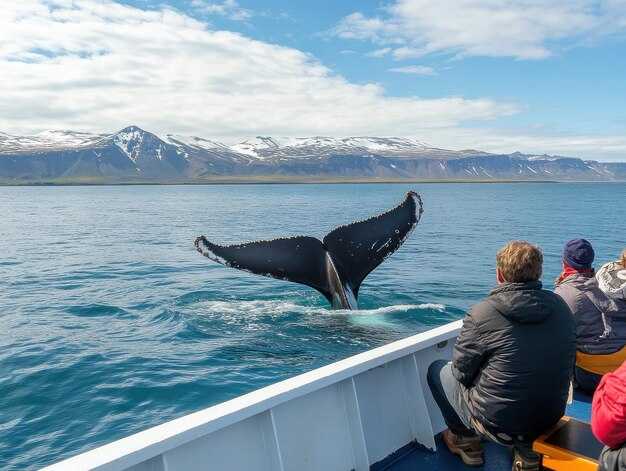 Eyjafjord Humpbacks – Iceland Whale Watching Guide">

Book the 08:30 departure with a licensed operator for Eyjafjord humpbacks. This practical start sets you up for an enjoyable day on the water, and a solid example of how to maximize value on a coast that consistently delivers. You’ll begin with calm seas, steady visibility, and a real chance to spot whales breaching or lifting tails above the water.
From the village docks along the west shore, boats depart on steady schedules and slip into fjord waters that feel like a lake in still air. Humpbacks are seen, frequent visitors during late spring and through summer, and captains highlight spots where tail flukes and curved backs rise within easy view.
Dress in layered, waterproof gear and bring binoculars for distant glides. For watching safety, stay on deck and maintain distance from animals; the longest glimpses come when boats ride the wind and crews keep noise to a minimum.
For travelers pairing Iceland itineraries, Eyjafjord pairs well with a west Iceland day in and around snæfellsnes. This rehber approach helps you plan around the typical departure windows, choose favorable conditions, and leave with a complete memory of calm fjord life and close-up whale behavior.
During calm mornings, the ecosystem around Eyjafjord supports frequent, close sightings of humpbacks; the waters offer a stable platform for a perfect family experience in a village setting. Undoubtedly, the trip is a true rehber to Iceland’s northern wonders, with watching moments that show giants staying near the coast for hours, surface feeding, and tail-slapping shaping memories that last.
Best months and daily time windows for humpback sightings in Eyjafjord
Visit Eyjafjord between late May and September, with July and August delivering the greatest chances to see humpbacks. In peak months, sightings occur on roughly 60–85 percent of trips, and many excursions produce multiple close approaches. Favor early-morning departures (06:00–09:00) or late-afternoon sails (16:00–19:00) to align with feeding activity and calmer seas, which improves sighting quality. For year-round options, some operators offer other experiences, but humpbacks are most reliable in summer.
Specifically, choose a licensed guide who stays within Eyjafjord’s inner areas and leaves from sheltered harbors. They know the best spots to watch from and can become flexible with timing to maximize encounters. These routes bring advantages: less swell, closer views, and smoother transitions between sightings. On board, you’ll find tonnes of safety gear and a skilled crew, supporting a great experience.
To widen your chances, you can combine Eyjafjord watching with a husaviks option on different days; still, Eyjafjord offers some of the year’s finest moments. On clear days, you’ll notice the horizon ring with snaefellsjokull on the distant skyline, and you may spot a tail just a few feet from the bow, then surfacing again below. If you scan the inner areas within Eyjafjord carefully, you’ll observe incredible wildlife behavior that visitors remember.
Accessing and interpreting online daily whale reports for Eyjafjord
Start by checking the Eyjafjord Marine Centre daily report by 07:30 local time; it provides the latest sightings, distance to shore, and notes on which pods are active. marine observers on site log everything in real time, and the feed often signals habitat, meaning the places where whales feed, are shifting. For passengers on the boat, this early read helps set expectations and makes travel planning better, whether you’re traveling from the village or staying at home base.
Beyond the centre, cross-check the same data on a second source, such as a local tour operator page or regional tourism site, to build trust and confirm patterns. Furthermore, this redundancy improves reliability and helps you interpret stability in sightings across days. You might be able to trust two independent notes if they align, which makes planning simpler.
Where to access
- Eyjafjord Marine Centre official feed on their website or social channels
- Local village tourism pages and cooperative guides that summarize daily observations
- Whale-watching operators’ daily reports, with maps, distance markers, and group size
- Marine research institute quick notes published for the Eyjafjord area
- Coastal weather and sea-state updates that accompany the reports
How to interpret
- Identify the species and counts; if humpbacks appear, note the length and any stunning, majestic displays; some observers call a particularly bold animal the king of the sea in their notes.
- Record distance to shore and the direction of travel; greater distance often points to a broader coastal habitat, while close sightings reveal prime viewing spots.
- Look for a pattern across days; stability in sightings suggests a reliable feeding ground and a home range that supports those individuals being active in Eyjafjord.
- Read feeding notes; humpbacks mostly chase herring and other schooling fish, so prey notes help you plan when and where to travel.
- Watch for predator mentions; killer whales may appear in some reports, and those notes signal you should adjust plans to keep passengers safe.
- Check size estimates to gauge if a whale is juvenile or adult; you’ll see a range of lengths that reflects variation in the population being observed.
- Combine sighting data with weather; better visibility and calmer seas boost success and a prime experience.
- Trust multiple sources; making a habit of cross-checking improves confidence and helps you book trips with a clear picture of conditions.
What humpback behaviors to look for during sightings
Look for a clear surface signal in the first minutes of the sighting: a breach or tail slap signals feeding interest and makes your information collection more valuable through tours. Note the breath cadence as the whale surfaces.
Curious humpbacks often show spyhopping, slow rolls, and flipper waves. They may lift their heads out of the water to study the boat, then settle back for breaths. You’ll notice these moments between feed bursts; they keep you engaged and help identify whether they are alone or with a calf. In Olafsvik, wintering groups can be abundant and regularly visible during spring months.
Feeding cues stand out: a dense ring of bubbles, a surge of tail action, and a series of lunges indicate an active feed. This behavior signals an abundance of prey in a given month and helps you plan the next observation window. You may see both solo individuals and groups coordinating through bubble-net displays or streamlined strikes.
Interactions with porpoises or even other species sometimes appear through tours. In some regions, passing sperm whales can influence humpback behavior, and this adds to information on prey dynamics and social cues. They also affect the chances of an enjoyable sighting, especially when the herd is in spring feeding cycles or wintering aggregations. They can reveal curious dynamics without forcing any interaction, and the animals respond to nearby predators with brief breath holds.
Safety and etiquette matter: keep a respectful distance, avoid abrupt engine changes, and never chase alone. A calm ship approach reduces risk of eliciting an evil response and helps ensure an enjoyable experience for all aboard. Regularly remind your crew that good viewing depends on patience and space; this approach increases the chances of consistent sightings and more information for future tours. The best moments come when observers stay steady and let the animals decide how close they will approach.
Operational tips for observers
Record times, behaviors, and group composition in a simple log; note the between moments of rest and feeding, and mark whether you see feed or bubble-net activity. If you catch a close interaction with porpoises, log that as a separate event; it may indicate an abundant local prey patch. Use these notes to compare sightings across spring and wintering periods and to share on your next information-focused tour from Olafsvik.
Boat-based versus shore-based viewing: practical tips and safety
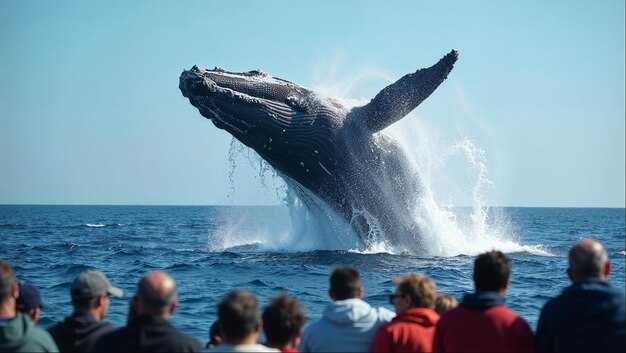
Book a small-group, eco-friendly boat tour in the early morning for calmer seas and the best chances to see humpbacks. These vessels typically carry 8–12 passengers, and this arrangement provides close, controlled access that keeps the animals comfortable while you stay within 100 meters. Operators share updates on sightings through radios and on-deck announcements, helping your group maximize time with these giants while keeping the experience enjoyable and free from crowds.
Safety basics: wear a life jacket, stay seated or hold railings, and listen to the crew briefings. Weather can change quickly in Eyjafjord; if seas rise or visibility drops, switch to shore-based viewing to stay safe and comfortable. Once a sighting occurs, move slowly, keep voices low, and avoid invading the whale’s space with sudden movements or flash photography.
Boat-based viewing: practical tips
Choose a vessel with an experienced captain and naturalist who can explain whale behavior and share folklore about these animals. A modern hull with a quiet, low-emission engine reduces noise and minimizes disturbance. For several hours at sea, bring layers, a warm hat, water, and a camera with a fast shutter to capture flukes seen at surface; plan for breaks when wildlife indicates a rest period.
Consider a combo with a shore stop: start aboard, then visit a coastal lookout or small museum to deepen context. These short transitions provide traditional stories about seafaring life and eco-friendly exhibits, making the day more enjoyable. Some boats offer free coffee or tea and locally sourced snacks to fuel your adventure while staying respectful to wildlife; these options also support small Icelandic producers.
After the outing, leave feedback updates with the operator to help improve safety and wildlife handling. If you notice invasive noise or persistent approaching from other boats, report it to the harbor authority to reduce stress on these animals and preserve the chance to see the largest humpbacks seen in the fjord.
Shore-based viewing: practical tips
Shore platforms along Eyjafjord provide solid vantage points with the water visible through rocky coastlines. You can watch sea surface activity with minimal disturbance and enjoy a more relaxed pace, facilitating an eco-friendly approach. Bring binoculars, a compact chair, and a thermos of hot drink to extend viewing time apart from crowded docks; local guides often share updates on several sightings each day.
Pair shore time with a short cultural walk to connect with folklore and traditional stories about the sea. These talks enrich the day and offer a calm contrast to boat traffic, while you learn about the largest whale residents of the area and how conservation is integrated into local practice. For food lovers, look for shore stops featuring traditional Icelandic snacks such as fish pastries or skyr-based treats to complement the visuals.
Weather, sea state, and seasonality impacting sightings
Book your Eyjafjord trip for late May through August when daylight is long and the sea state is often gentle enough for perfect close encounters. Choose a location in skjalfandi that offers sheltered waters and a clear backdrop to the glacier-dusted coast, where hundreds of seabirds add to the scene and things align for strong sightings.
Aim for days with wind under 15 knots and a sea state 2 or lower; calm conditions reduce rolling for guests and improve visibility for spotting tail flukes, pectoral fins, and curious breaches from a distance. A stable vessel leaves little motion on deck, helping guests stay focused and making it easier to estimate size and behavior from a safe distance. Guests learn to read tail slaps and breathing patterns to anticipate the next move. Morning updates frequently bring fresh conditions, so check again before you go; forecasts brought by local models can shift quickly.
In late spring and summer, hundreds of humpbacks gather along the Icelandic coast, with many individuals feeding near glacier fronts. You commonly see a mix of females and males, including a few curious males that approach the bow. Beyond humpbacks, porpoise pods sometimes skim the surface, creating a rich backdrop for sightings.
Plan to stay on site for at least 2–3 hours to increase the chance of a spotted encounter; early morning or late afternoon trips often align with calmer sea states and more active behavior from whales. For guests staying in the area, a split day helps; though weather shifts, local crews adapt to keep you in position. If you are staying in a town near skjalfandi, a ferry or local vessel can bring guests to sheltered coves where sightings tend to cluster around feeding grounds.
Wear a warm coat and non-slip footwear; the wind along the coast can feel evil cold even on sunny days. Keep a lookout for a series of blows and tail slaps that indicate a large male approaching; even a single, well-timed surface breach can define a memorable size impression for your party.