


 Türkçe
  English (UK)
  Русский
  العربية
  日本語
日本語  한국어
한국어  Magyar
  Español
  Čeština
  Svenska
  Português
  Ελληνικά
  Suomi
Suomi  Nederlands
  Română
  Italiano
  Français
  Polski
  Українська
  Deutsch
  简体中文
简体中文  Slovenčina
 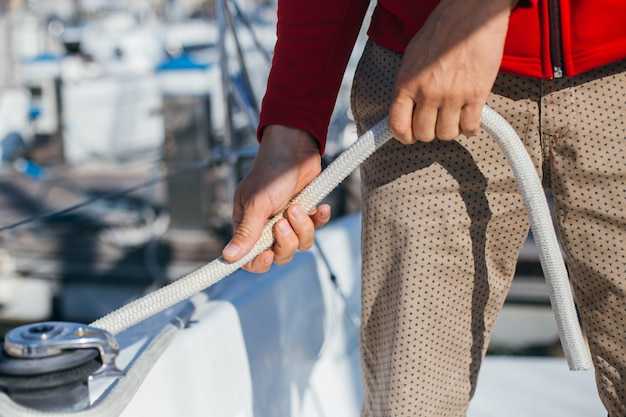 Essential Equipment on Board a Boat – Must-Have Gear for Safe Boating">

Stock a weatherproof toolbox on the deck with a specific, ready-to-use kit to support your well-being and enjoyment on the water. Build it with a core set: bandages, alcohol wipes, sterile dressings, tape, and a square signaling mirror for visual cues. Keep the box open and clearly labeled so you can grab what you need in chop or lights-out situations.
Every person should wear professional-grade life jackets, with a ready-to-throw throwable device within reach of the helm. Attach a whistle to each vest and keep a spare in the hatch. Test flotation, inspect straps and seams, and replace worn items after a summer season or high humidity to avoid failure when you need them most.
Keep a charger for your phone, VHF, and GPS in a splash-proof case. Add a compact, unbreakable flashlight and spare batteries, plus a small vacuum to tidy crumbs and spray between rows of seating. Store cables in a neat pouch and label connectors so you can reconnect quickly. Place electronics in desiccant bags or dry-bags to handle humidity on damp mornings.
Organize safety and navigation items so you can access them with one hand while keeping eyes on the water. A dedicated pocket for bandages, sterile wipes, and tweezers helps with minor injuries. Include a fire extinguisher, a spare fuses kit, and review your plan for specific failures before every trip. Consider a square weatherproof sign for emergencies and keep it within arm’s reach of the deck.
With this setup, you enjoy safer trips, protect well-being, and cut response time in emergencies. Think ahead, run a quick pre-departure check, and refresh items after each voyage to keep readiness high.
Key Equipment on Board a Boat: Must-Have Gear for Safe Boating; Do I Need a VHF for a Day Trip?
For a day trip, a marine-rated VHF radio is a must for fast, direct contact with harbor masters, marina, and the coast guard.
Store it in a waterproof case, carry spare batteries, and practice switching from channel 16 to a working channel when you have a response.
Equip every person with a properly fitted PFD; ensure they are within reach at all times and worn when underway or near the deck edge, where either child or adult can reach quickly.
Keep documentation handy: boat registration, insurance details, emergency contacts, and a simple filling checklist.
Protect your crew with a compact safety kit: a fire extinguisher, a flashlight, a horn or whistle, and a basic medical kit.
For the deck, secure gear and keep the surface dry: use a small handheld vacuum to clear salt spray and dampness, reducing slip risk.
Plan for different event scenarios: have a clear meeting point, assign roles to young crew members, and keep a bright headlamp ready for night or low visibility.
On the water, have a reliable safety system and make sure fenders and spare parts are secured.
Always place gear where it is easy to reach and protect delicate items from splash; a small dry bag protects documentation and electronics.
Think about the morphology of your vessel’s layout; assign a safe, protected position for the crew during rough seas, and rehearse for potential event scenarios.
Checklist: Key Gear for Safe Boating
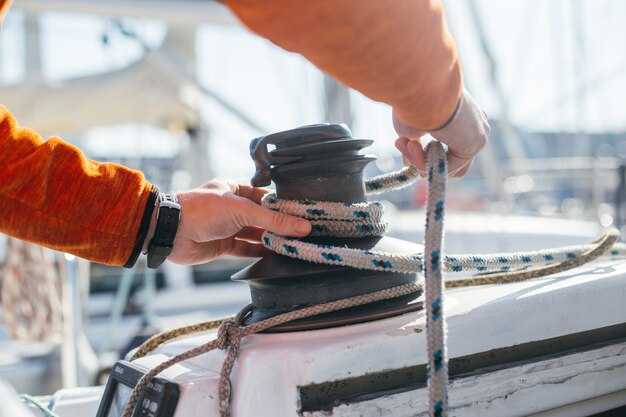
Always keep a signaling kit within arm’s reach on every outing to ensure rapid visibility in trouble. Include handheld flares or LED beacons, a compact whistle, a signaling mirror, and a waterproof flashlight. Pack these in a dedicated dry bag and place it near the helm for quick access between tasks.
Protect every person with a life jacket and add a fire jacket for deck tasks. Choose bright colors for excellent visibility, inspect buoyancy, and replace worn straps. Store a sanitary kit in a labeled dry bag near the seat for quick access; include wipes, hand sanitizer, disposable gloves, and basic hygiene items for many days afloat.
Keep a compact multitool and a dedicated tool bag on deck; a folding chair helps during long anchorage or maintenance checks, keeping your crew comfortable and alert. Add a spare paddle as a backup propulsion method if you operate a small dinghy or have rowers aboard; store both in waterproof bags.
Use dry bags and water-resistant containers to separate gear by use: signaling, sanitary, navigation, and repair items, including spare batteries and other small components. Between uses, rinse salt spray and dry thoroughly to maintain resistance to corrosion and extend equipment lifespan; label each bag with its content to accelerate retrieval.
Carry specialized items for emergencies: a fixed beacon (EPIRB or SART) and a compact VHF radio; add a handheld fire extinguisher; keep spare batteries and a charging kit. For signaling, include a mirror, whistle, reflective tape, and a sophisticated distress beacon; these options provide excellent redundancy.
Place a small kit of water- and splash-proof tools near the helm, staying within reach on shore or during transfer between shore and boat. Use a waterproof map and a magnetic compass or GPS as a navigation tool; these devices are useful for quick orientation and confident decisions. Add a small emergency bag with spare parts such as fuses, tape, and zip ties to handle common repairs at sea.
Regular pre-departure checks on gear transforms how quickly you respond to changing conditions. A quick checklist reduces risk and increases crew readiness; run a short drill after loading gear to verify accessibility of signaling devices and protective clothing.
Do I need a VHF for a day trip? When to rely on VHF and practical alternatives
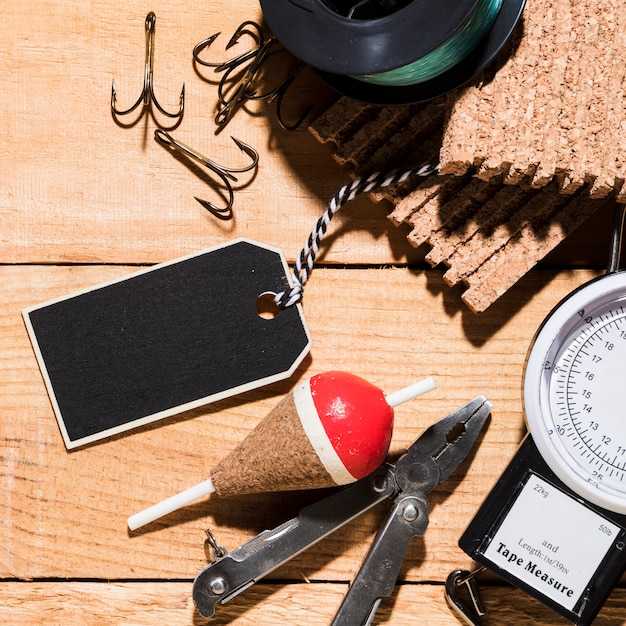
Yes–take a handheld VHF transceiver on a day trip and keep it charged and within reach.
Use it for distress alerts, weather updates, hails, and coordination with shore stations or nearby vessels. For DSC-enabled units, you can send a digital call to a preset contact on Channel 70 and confirm on a working channel.
Range varies with antenna height and conditions. Handheld models typically cover a few miles on calm water; placing the antenna higher on the deck can extend reach along a coastline when visibility is good.
Always monitor Channel 16 for hails and emergencies; switch to a clear channel to have a conversation. In populated coastal zones, Channel 13 or 9 often see practical use for safety calls and ship-to-ship checks, depending on local habits.
If your plan keeps you inside shore coverage, a VHF setup may be enough. For offshore legs or dead zones, rely on a cellular phone for data and messages and carry a satellite messenger as a backup option.
Practical upgrades: battery packs, a dry bag, spare fuse, and a weatherproof charger help you stay connected. Signaling aids such as a whistle, air horn, and flares provide reliable backup in low visibility or when electronic options fail.
Before departure, test the unit, program the local channels, and practice a quick hail and response routine with your crew. Keep the unit secured and dry during wet conditions, and remind all aboard how to reach the helm in case of distress. A clear plan, reliable devices, and calm, practiced use boost safety and ensure smooth, reliable experiences on the water for all aboard.
Personal Flotation Devices: selection, fit, labeling, and legal requirements
Start with a correctly fitted, USCG-approved jacket-style PFD for every person on board; wearing it underway reduces accidental immersion risk and keeps a ready safety habit. For young crew and adults alike, ensure the jacket sits high on the chest in the correct position, with the straps snug and the line of the zipper centered so you can move easily.
Choose between inflatable and inherently buoyant options based on comfort, activity, and water temperature. Fully inflatable models save bulk but rely on a good seal and regular maintenance; for sailing, surfboards, and other lively days on board, many sailors prefer a Type III jacket for ease of movement and quick release in a pinch. Whatever conditions you face, have a backup ready.
Fit tips: each PFD should sit high on the chest and stay close to the body without restricting breathing. Adjust side straps first, then the shoulder straps to eliminate slack. Do a quick test by lifting the wearer’s chin to ensure the device remains in position during a sudden move. For young children and lightweight crew, use a crotch strap if provided; it keeps the PFD mounted and prevents riding up if you slip overboard.
Labeling and inspection: check the USCG approval label on the inside or back, confirm the Type, size, and weight range, and note the date of manufacture. Replace any PFD with frayed webbing, torn panels, or buoyant material that has lost its resilience. Store each unit dry and out of direct sun when not in use, and follow the manufacturer’s care instructions to keep your tool ready for action.
Legal requirements: regulations vary by country and state, but common rules include having enough PFDs for everyone, keeping them readily accessible, and wearing PFDs on open decks while underway. For children, some jurisdictions require wearing a PFD at all times on deck; check local codes before heading out. A Type IV throwable is recommended on most boats and should be within easy reach in addition to the worn devices.
Organization and practical tips: keep PFDs organized and mounted near entrances for quick access, and avoid stowing them where a router or other electronics could cause interference. Do not fill pockets with drinks or small items that could impede deployment; pockets should stay clear to allow rapid inflation or release. Include signaling gear such as whistles or small lights, and ensure communication devices stay functional when the vest is wet. Keeping the gear in good condition influences safety and keeps every pleasure trip comfortable, from a calm day on a sail to a busy afternoon with boards like surfboards and inflatable crafts.
| Tip | Best Use | Weight Range (approx) | Labeling | Pros / Cons |
|---|---|---|---|---|
| Type I | Offshore/open water | Check label for adult/child ranges | USCG Type I; size; weight range; date | High buoyancy; bulky; best in rough water |
| Type II | Near-shore/calm seas | See label | USCG Type II; size; weight range | Easy to wear; can ride up in rough seas |
| Type III | Sailing, cruising, water sports | Most adults; weight range on label | USCG Type III; size; weight range | Mobility and comfort; good for daily use |
| Type V | Special use; inflatable | Model-dependent | USCG Type V; specific use; weight range | Compact; must follow wear instructions; varies by model |
Navigation and Communication Tools: charts, GPS, compass, and redundancy
Keep a portable, dual-source kit for everything you need on the water: paper charts plus a handheld GPS, a modern magnetic compass, and a reliable VHF radio with spare batteries. This setup works for sailboats and yachts alike, supporting safe planning across adventure-filled days at sea.
-
Charts and planning
Maintain current paper charts (1:25,000–1:100,000 depending on area) and ensure the latest electronic charts are loaded on your GPS. Before each outing, filling a planning checklist with headings for wind, currents, shoals, tides, and moorings helps keep everyone aligned. Annotate depth contours and mooring locations. Some skippers arent aware that a single device cant cover all conditions, so rely on both sources to fill gaps. Everything you record enriches future trips. Regularly, filling the checklist after each voyage keeps data fresh and ready for planning new routes. You should compare GPS tracks against the chart to validate passage and avoid drift.
-
GPS and compass redundancy
Use two independent position inputs: a primary GPS device and a handheld GPS as backup. Keep a magnetic compass on the helm and verify bearings with the GPS to catch miscalibration. In low-signal areas, dead reckoning from the last known position keeps you on plan.
-
Communication and devices
Install a VHF radio with DSC, and maintain a phone with offline maps as a supplement. Use weather data from multiple sources, where possible, but don’t rely solely on any single device. For in-port coordination or emergencies, share your position with the crew and shore contacts via radio or messaging.
-
Visibility and aids
Keep binoculars within reach at the helm to identify marks, buoys, and other traffic. Use a portable light for night nav and have back-up charts ready in low-visibility conditions.
-
Onboard readiness and safety
Have earplugs for crew comfort during engine tests or loud events. A lifting strap helps move gear safely. Store all navigation gear and spare batteries in a dry, accessible location near mooring and planning areas, ready for the next event or voyage.
-
Maintenance and hull awareness
Inspect gelcoats and hull finish regularly; smooth surfaces improve handling near moorings and in channels. Keep the planning file and checklist current after each trip to enrich learning for young sailors and those new to sailboats and yachts, supporting many learning moments.
Emergency Signaling Kit: flares, horn, signal mirror, and visibility tips
Keep a marine-rated signaling kit secured in a dry, accessible locker and test it before every trip. A sure grab-and-go setup speeds response after an incident, and checking the condition of each item helps you replace expired elements promptly.
- Alevler – Pack a complete set: at least 3 handheld red flares, 1 parachute flare, and 1 orange smoke flare. All items should be marine-rated; store in a waterproof container and rotate stock to avoid expiry. Check expiry dates and replace anything that shows damage or corrosion. If possible, choose established brands such as estrela and include spare parts or seals in the kit.
- Horn and signaling devices – Include a loud marine horn or air siren and a compact electronic signaling device as backup. Test weekly, replace batteries, and ensure the sound carries over engine noise. Use the horn with your visual signals for maximum reach; nevertheless, a radio call on channel 16 provides contact with vessels navigating nearby.
- Signal mirror – Use a marine-rated mirror with a bright, glare-free surface. Clean with plain water or mild cleaning fluid and inspect for scratches. Practice aiming the reflection toward a distant observer on a sunny day; sunlight can wash out signals, so ensure proper angle and contrast to distinguish your signal from other lights in the distance.
- Visibility and supplementary gear – Add glow rods or LED strobes for nighttime visibility and a reflective flag or tape to increase conspicuity. Position lights to cover multiple angles and avoid blocking access on deck. Consider a PLB or satellite tracker as a backup; many units automatically transmit your position when activated. A VHF radio with DSC and channel 16 remains the backbone for distress calls while navigating vessels respond to your signal.
- Storage, handling, and maintenance – Keep the kit in a secure, ventilated case; store away from tanks and fuel lines. After any signaling event, replace used flares and batteries. Wipe components with water or cleaning fluid and inspect for corrosion. Check the bilge and deck for residue and perform cleaning as needed. Ensure spare parts, if included, are accounted for and that straps and containers remain secure for rough seas.
Gear Maintenance and Readiness: inspection, testing, and replacement cadence
Establish a fixed cadence: inspect all gear before each outing, test critical systems after each trip, and replace components on a published schedule. Maintain a master list of needed items and keep them in bags on deck for easy access. Zero-tolerance for missing items should guide your approach; treat every voyage as an activity that adds memories aboard small boats, sailboatsve ships joined by a well-prepared crew.
Adopt a square, waterproof checklist and a recurring cadence: a brief pre-trip review (5–7 minutes) focused on personal safety gear, hoses, and plug connections, followed by a post-trip check (5–10 minutes) for leaks, corrosion, and moisture. Conduct a deeper inspection monthly and a full system audit quarterly, ensuring marine-rated components and safety items stay in excellent condition. Do this while logging results so the uyarılar for expiration or wear never drift out of sight.
During testing, run functional checks for each critical system: bilge pump operation, manual backup, and hose clamps; VHF radio on a test channel; navigation lights; and the filtration unit feeding drinking water. Inspect scuba gear only with proper training, and verify the bandages and first‑aid items are accessible and within their shelf life. Check personal protective gear in a dry, neat setup so you can perform tests while keeping dried components ready. Ensure uyarılar exist for every expiring item and that each device is that you can trust during an adventure.
Replacement cadence rests on lifespans and wear. Replace life jackets and immersion gear every 5–7 years, or sooner if fabric frays, seams open, or buoyancy is compromised. Schedule hydrotests and service for fire extinguishers per marine-rated guidance (often every 5–12 years) and replace extinguishers if gauges fail or discharge time lengthens. Swap batteries for cordless devices every 2–3 years, mirroring device performance. Refresh filtration cartridges, hoses, and clamps on a 6–12 month cycle or per manufacturer guidance, and renew spare parts for critical items so you never search under pressure. Check bandages and other first‑aid supplies for expiry and replace as needed to keep them ready for adventure or routine memories aboard boats, sailboatsve ships.
Documentation supports reliability. Maintain a central log with fields: date, item, status (OK, serviced, replaced), next due date, and responsible person. Set expiry alerts that trigger a reorder or service appointment; review the log after every voyage so joined crew members know what was done and what remains needed. This disciplined approach keeps gear in excellent order, helps you react quickly during an emergency, and makes each passage safer and more enjoyable for your personal equipment and crew.