


 Türkçe
  English (UK)
  Русский
  العربية
  日本語
日本語  한국어
한국어  Magyar
  Español
  Čeština
  Svenska
  Português
  Ελληνικά
  Suomi
Suomi  Nederlands
  Română
  Italiano
  Français
  Polski
  Українська
  Deutsch
  简体中文
简体中文  Slovenčina
 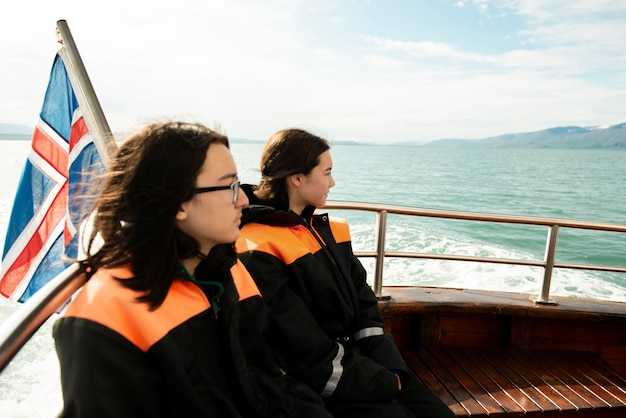 Costa Brava Yelken – İpuçları ve Marinayla Birlikte Nihai Rehber">

Book a dawn charter and head straight to turquoise calas along the Costa Brava to catch glassy water and fewer crowds. Start with Roses or Cadaqués, where early light flatters the cliffs and your first navigation feels controlled and rewarding.
Exploring the coastline means hopping between calas, areas where shelter matters most. Look for calm coves from Roses to Cadaqués, where wind is gentler and the mediterranean water stays clear toward the afternoon.
Marina options include Port de Roses, Port l’Estartit, Palamós, Blanes, and Sant Feliu de Guíxols, each offering berths, fuel, chandlery, and waterfront dining. heres a simple planning note: pick a southern base for the first leg and switch north as you gain confidence.
Policy and practical tips: take note of anchoring rules in protected areas such as Cap de Creus and other nature reserves. If you prefer fewer variables, book fixed moorings when possible and use harbour master services to avoid fines. This approach keeps crew safe and morale high as you move towards your preferred routes.
The culinary scene along the coast shines with dishes such as suquet de peix and grilled sardines, reflecting a culinary mix that fuses Catalan tradition with mediterranean flavors. In spain you’ll find small family eateries that welcome sailors after a day’s sail, turning fresh seafood into memorable meals.
For confidence on the helm, plan short hops of 20–40 nautical miles, anchor in calmer coves, and check local winds each morning. Fewer moving parts on a well-structured route keeps the crew safe and makes the experience better.
heres a compact 5-night outline you can adapt: Roses → Cadaqués → L’Escala → Palamós → Blanes, with a final return to Roses. Use this frame to explore calas, areas where you can drop anchor safely, and towards calmer mornings that set the pace for your Costa Brava adventure.
Practical Planning for Costa Brava Sailors
Book marinas in Palamós, Blanes, Roses, and Cadaqués at least six weeks ahead to guarantee best berthing during peak season. Use a trusted agency to confirm reservations and check each venue’s management policies for late arrivals, fee structures, and guest limits. To book a berth later, contact the agency. This approach will guarantee smoother check-ins.
Divide the coast into areas with unique coastlines: between Calella de Palafrugell and Begur, the Cap de Creus headland, and the sheltered ports around Blanes and Roses. Each area offers unique anchorage options, pristine coves, and breathtaking beauty, and your plan should align with wind direction and daylight. The coastline’s beauty is a constant bonus for a well‑timed sail.
Identify the best sailing windows by checking regional forecasts and historical patterns. Lean on advanced forecast tools; the combination of light morning winds and calmer seas typically produces the warmest sailing conditions and the smoothest passages along the coastline. Plan to sail so you reach the first port by midday to maximize safety and comfort.
Maintain quality gear and environmental discipline onboard. Inspect sails, lines, and fenders before each hop; carry a dedicated safety bag with PFDs, a throwable, and a first aid kit. Pack a spill kit and practice environmentally responsible waste disposal to protect the pristine coastline.
Consider road access and local transport for port hops. Most marinas provide secure parking and easy taxi or bus connections to towns like figueres for a day trip. The route boasts scenic towns and easy road access, so plan a figueres visit to Dalí’s Theatre‑Museum and return before dusk.
Create a flexible itinerary that accommodates weather windows and marina availability. Advanced bookings are a must in summer; prepare backups in Roses or L’Escala to reduce detours and keep the plan smooth. Seasoned skippers will keep the tempo steady while adjusting to sea‑state realities.
Agency-backed checks and safety guarantees help avoid last-minute stress. Ensure your boat’s insurance is active, confirm licenses if required, and keep a copy of the local port regulations. A clear safety plan will guarantee smoother operations.
Budgeting and provisioning: outline a weekly spend for fuel, groceries, and marina fees, then book main stops in Palamós and Blanes where on-site supply quality is high. Use local markets to stock fresh produce, and reserve a contingency in your budget for weather-induced delays and emergency moorings. This plan will keep costs predictable.
| Kategori | Action | Details | Timing |
|---|---|---|---|
| Pre-trip bookings | Reserve berths | Marinas in Palamós, Blanes, Roses, Cadaqués; confirm with agency | 6 weeks before |
| Route planning | Outline areas | Calella de Palafrugell to Cap de Creus; Cap de Creus to Roses | 2 weeks before |
| Safety & gear | Inventory | Sails, PFDs, first aid, spill kit | Pre-departure |
| Provisioning | Groceries & fuel | Stock quality products; use local markets | During trip planning |
| Günlük geziler | Figueres visit | Dalí Theatre‑Museum; drive from Roses/ Figueres | Mid-trip |
When is the best time to sail Costa Brava? wind, seas, and crowd considerations by season
The best overall window is late spring or early autumn–May or September–for a balanced mix of wind, seas, and quieter harbors. If you can choose today, pick May or September rather than the peak July crowds. This decision helps you sail with a unique blend of reliable conditions, open bays, and fresh coastal life.
-
Spring (April–June)
- Wind and seas: steady 12–18 knots on coastal hops; afternoon sea breezes push into the 15–22 knot range, enough to keep you into a comfortable planing tempo without rough seas.
- Crowds and setting: tourism grows gradually; there is there a calmer feel than midsummer, with open ports in Palamós, Begur, and the famous llafranc area offering close-to-shore sailing and easy anchoring in protected bays.
- Permits, anchoring, and planning: check permits for anchoring in natural spots around the Cap de Creus natural park–some areas require permits or designated moorings. Choose well-reviewed spanish şirketler that provide clear cancellation terms. This is ideal to train beginners and level up sailing skills, as sea conditions remain forgiving and the coastline offers a natural classroom.
- Tips: start from Lloret de Mar to Blanes and work north; use calmer mornings to open horizons, life aboard blending with coastal delights, and stay flexible in schedule.
-
Summer (July–August)
- Wind and seas: afternoons bring strong thermals along the coast, with typical winds 15–25 knots; mornings can be lighter, yielding a pleasant start for day sails but potential congestion later in the day.
- Crowds and setting: peak tourism drives busy marinas and crowded anchorages; bays such as Tamariu, Aiguablava, and Cala Montgó become lively, while there are great offers for day trips if you book ahead.
- Permits, anchoring, and planning: plan ahead–cancellation policies and refund options vary by spanish şirketler. Expect higher rates and more restrictions near popular harbors; consider shorter hops and early starts to beat the rush.
- Tips: if your goal is social sailing, this is the peak, but whether you want a bustling scene or a few quiet coves, you’ll find both by moving into less-traveled coves around Calella de Palafrugell or Lloret de Mar in shoulder hours.
-
Autumn (September–October)
- Wind and seas: winds settle into reliable 12–20 knots with fresh mornings; seas remain comfortable for coastal hopping, often improving clarity after the heat of summer.
- Crowds and setting: tourism fades from peak; open harbors and bays feel more relaxed; bays along Begur to Aiguafreda offer quiet anchoring and natural scenery for shore visits.
- Permits, anchoring, and planning: check last‑minute refund ve cancellation options with spanish şirketler as weather windows can shift; many operators extend flexible terms into early autumn.
- Tips: this is a strong period to choose a longer cruise with fewer crowds; it’s a good time if you want life afloat at a comfortable pace, with tours and coastal Delights in calmer seas.
-
Winter (November–March)
- Wind and seas: overall lighter conditions, often 5–12 knots; days with usable sailing are fewer and weather can shift quickly, so plan short hops and shelter in protected bays.
- Crowds and setting: quiet harbors and lower rates tempt starting sailors to gain level experience; this is less about long cruises and more about practicing anchoring and boat handling in sheltered coves.
- Permits, anchoring, and planning: always verify cancellation terms and availability of safe moorings during low season; some offering options reduce during winter, but refund opportunities exist if trips cancel due to poor conditions.
- Tips: if you need a winter training ground, join a train program aboard a stable vessel; focus on low‑risk coastal hops and learning life afloat at a comfortable ayarlama.
Regardless of season, the Costa Brava coast rewards both casual sails and longer itineraries. Plan with trusted spanish şirketler, review cancellation terms, and look for flexible refund options. Whether you start in llafranc or in a southern bay, you’ll find a unique blend of rugged coastline, pine forests, and crystal water that makes every day at sea a life reaffirming delights.
Which marinas along the Costa Brava offer reliable berths, fuel, repairs, and shore facilities?
Empuriabrava Marina is the best all-round choice for reliable berths, fuel, repairs, and shore facilities along the Costa Brava. This large, well-kept complex handles a steady vessel flow and offers fuel docks, repair yards, chandlery, showers, and laundry along a broad seafront. For lovers of life at sea, it feels like paradise, with a level of service that keeps peace even in july crowds. Booking ahead is wise; this journey begins with a quick berth confirmation, and you can board quickly after arrival. The road network and nearby train connections make it easy to extend your itinerary north along the bravas coast.
Marina de Roses balances reliability and accessibility with a solid berthing plan, a staffed fuel dock, and workshops for minor repairs. Shore facilities include modern showers and laundry, while the harbor esplanade offers seafront strolls and nearby cafés. If youre planning spring or july sailing, booking ahead saves stress, and youre base lets you explore the Gulf of Roses and nearby nature and islands such as the Medes Islands. This stop keeps your vessel close to the bravas coast with a simple road and train access for onward travel.
Palamós Marina provides solid berths and dependable fuel, with on-site repairs and crane services. The seafront town offers a lively life with a traditional fishery vibe, yet the harbor remains calm for small vessels. Itinerary plans can anchor here after a long leg, and booking in advance is prudent for july. The harbor has good road and train links to Girona and beyond, making day trips to nearby nature reserves and the islands easy.
Further south, Port de Blanes and Port de Lloret de Mar provide reliable berthing for cruising boats, plus shore facilities like showers, laundry, and fuel. If you want a more intimate stop, portlligat near Cadaqués offers shelter with a seafront vibe and close access to the famous Dalí residence. From here, you can continue along the coast to Cadaqués and the Cap de Creus route; road access and the regional train network keep this stretch convenient, whether you prefer a short stop in spring or a longer stay into july.
An efficient itinerary for this coast begins in Empuriabrava, then moves to Roses, Palamós, Blanes, Sant Feliu de Guíxols, Lloret de Mar, Portlligat, Cadaqués, and Llançà, with a final hop to Figueres by train or road for a culture break. Each stop adds more life and nature to your voyage; you’ll find calm anchorages away from crowded resorts, but still enough to enjoy the seafront and harbor atmosphere. In july, temperatures rise and winds shift, so check the forecast and book berths in advance to keep your schedule flexible.
What are the top sailing routes and day trips along the coast from Blanes to Cadaqués?
Begin with Blanes to Tossa de Mar as a reliable opener, enjoying sheltered bays and a medieval skyline; anchor near Cala Giverola to stretch legs ashore and sip coffee on the quay. Then push north to Sant Feliu de Guíxols and Palamós, where two marinas offer good services and calm moorings between beaches and fishing culture.
Palamós'tan Calella de Palafrugell, Llafranc ve Tamariu'ya doğru ilerleyin, turkuaz suları ve çamlarla çevrili burunları saklayan koylar arasında yol alın. Rota, küçük limanlara korunaklı yaklaşımları ve Aiguablava ve Sa Tuna gibi koylardaki demirleme yerleri ile aileler ve yeni başlayanlar için uygundur.
Begur'un kuzeyinde, Port de la Selva ve Cadaqués'e doğru yelken açın; Cap de Creus dramatik bir fon oluşturur ve kıyı izole edilmiş koylar ve deniz feneri manzaraları ile övünür. Cadaqués'ten, Cap de Creus ve Cala Jóncols'a yarım günlük bir gezi planlayın; bunlar berrak suları ve unutulmaz manzaralarıyla güzel demirleme yerleridir.
Costa Brava'da yat veya yelkenli tekneyle yapacağınız bir charter için ne paketlemeli ve nasıl erzak sağlamalı?
Yolculuğunuza güvenle başlamak için kompakt, iyi donatılmış bir yedi günlük set hazırlayın. Nefes alabilen katmanlar, çabuk kuruyan giysiler, güneş koruması, hafif bir yağmurluk ve kıyı ziyaretleri için dayanıklı bir kuru çanta bulundurun. Temel güvenlik malzemelerini erişilebilir tutun: Can yelekleri, ilk yardım çantası, el feneri ve belgeler için su geçirmez bir kese. Bu kurulum, günübirlik yelkenler, yürüyüşler ve sahil boyunca buradaki koylardaki pitoresk koyları keşfetmek için kesinlikle hazır. Burası, seyahatinize daha az sürprizle hazırlanmanızı sağlar.
Yakınlardaki pazarlardan temin edilen taze ürünler ve bozulmayan gıdaların pratik bir karışımıyla tedarik. Haftalık kişi başı en az 20–25 litre içme suyu ve ek olarak 5 litrelik bir acil durum şişesi bulundurun. Raf ömrü uzun temel gıdalar ekleyin: zeytinyağı, makarna, pirinç, konserve domates, baklagiller ve konserve balık. Lezzet çeşitliliği için bir baharat seti bulundurun. Taze yemekler için, Palamós, Blanes veya Cadaqués'teki pazarlardan alınacak karides veya yerel balık kullanılarak 3–4 deniz ürünü seçeneği planlayın. Buzluğu iyi yalıtılmış bir soğutucuda buzları ve tazeliği korurken, pitoresk koyları ziyaret etmek ve kristal berraklığında yüzmenin tadını çıkarmak için birkaç esnek gün ayırın. Kiraladığınız teknede mutfak personeli varsa, onların listesini takip edin; aksi takdirde, bir liman durağında yeniden stok yapmak için marina dükkanlarıyla koordinasyon sağlayın.
Bir yelkenlide depolama ve enerji yönetimi önemlidir. Kompakt bir buzdolabı veya jel paketleri ve dondurucu torbası olan üstten yüklemeli bir soğutucu kullanın. Teknenizin güç sistemini doğrulayın ve aküden tasarruf etmek için buzdolabını yoğun saatlerde çalıştırmaktan kaçının. Yeniden kullanılabilir kaplar kullanın, her şeyi etiketleyin ve yemekleri İspanyol menüleri ve yerel pazarlar etrafında planlayın. Pazar günleri rotanızla aynı zamana denk geldiğinde, bütçeyi aşmadan yemekleri zenginleştiren mevsimlik ürünler bulacaksınız.
Kıyı seyri için giysi ve ekipmanlar. Gündüz seyirleri ve akşamlar için katmanlı giyim, ayrıca serin geceler için sıcak bir katman. Kaymaz güverte ayakkabıları, güneş şapkası, güneş gözlüğü ve resiflere zarar vermeyen güneş kremi getirin. Karada yürüyüşler için hafif yürüyüş ayakkabıları, kompakt bir sırt çantası ve bir su şişesi hazırlayın. Costa Brava'da sık sık dramatik sahil şeritleri ve pitoresk manzaraları olan tarihi kasabaları keşfedeceksiniz, bu nedenle tuz spreyine ve kuma karşı dayanıklı ekipmanlar hazırlayın. Limanlar arasındaki uzun mesafeleri kapatmak için birkaç ekstra iç çamaşırı ve birkaç havlu değişimi yanınıza alın.
Güvenlik ekipmanları ve teknede bulundurmak isteyeceğiniz yedek parçalar. Tüm yolcular için can yelekleri, temel bir alet çantası, yedek sigortalar, halat, usturmaçalar, bağlama halatları ve güvenilir bir çapa takımı bulundurun. Sigortanızın ve teknenin güvenlik özelliklerinin güncel olup olmadığını kontrol edin ve nelerin kiralamaya dahil olduğunu teyit edin. Bir marina erzak sağlama hizmetleri sunuyorsa, teknedeki yükü azaltmak ve seyahatleri en aza indirmek için bunları kullanmayı düşünün.
Arazi koşulları ve planlama ipuçları. Rotanıza taze pazarların ve kıyı çiftliklerinin bulunduğu kasabaları dahil edin. Bazı günler teknenin mutfağını İspanyol temek gıdaları ve yerel deniz ürünleriyle doldurun, diğer günler ise kullanıma hazır malzemelerle kolay yemeklerin tadını çıkarın. Sorunsuz bir seyahat için, özellikle arzın daralabileceği festivaller sırasında, tercih ettiğiniz dükkanlar veya marinadan önceden ikmal randevusu alın. Bazı charter'lara dahil edilen seçenekler planınızı basitleştirebilir; aksi takdirde, neyin işe yaradığını bildiğiniz şeyleri getirin, rotaya uyum sağlayın ve gerçekten unutulmaz bir Costa Brava seyahatinin ödüllerinin tadını çıkarın.
Denizcilerin bilmesi gereken güvenlik kuralları, lisanslar, VHF kullanımı ve yerel seyir uygulamaları nelerdir?
İspanyol sularında seyretmeden önce geçerli bir VHF telsiz operatörü sertifikası alın ve sertifikayı teftiş için güvertede bulundurun. MMSI numaranızı programlayın, DSC'yi etkinleştirin ve anteninizi ve bataryanızı test edin. Costa Brava boyunca marinalarda, liman başkanları teknenizi ve rıhtımınızı 16. kanalda tanıtmanızı ve ardından ilk çağrıdan sonra bir çalışma kanalına geçmenizi bekler.
VHF görgü kuralları için, her temasa geminizin adını ve uğrak limanını belirterek başlayın, Kanal 16'dan çağrı yapın ve iletime başlamadan önce karşı tarafın niyetini onaylayın. Mümkün olduğunda DSC çağrıları için Kanal 70'i kullanın ve mesajları konum, rota ve niyetinizi belirterek kısa tutun. Her zaman Kanal 16'yı izleyin ve başarılı bir görüşmeden sonra yerel bir çalışma kanalına geçin; bu, trafiği düzenler ve kıyı kasabalarının parıltısının kalabalıkları çektiği yoğun mayıs-haziran dönemlerinde tıkanıklığı önlemeye yardımcı olur.
Navigasyon uygulamaları güncel haritalara, AIS'e ve koylara ve adaların etrafına dikkatli bir bakışa dayanır. Sığ alanlara yavaş hızda girin, bağlı teknelerden geniş bir mesafeyi koruyun ve ticari veya feribot trafiğine yol verin. Dalí'lere ve büyüleyici koylara yakın dar girişlerde, gündüz pilotajını tercih edin veya rüzgarlar sizi sığ resiflere doğru itiyorsa yerel rehberlik alın. Esnek planlama, hava koşullarına uyum sağlamayı ve köyler ve özel adalar boyunca programınıza uymayı kolaylaştırır.
Yerel kurallar, liman sınırları içinde güvenli hızları zorunlu kılarken, birçok koy sessizlik saatleri ve demirleme kısıtlamaları uygulamaktadır. Özel marinalara yaklaşırken önceden arayın ve liman başkanının talimatlarına uyun. Şayet demirlemek zorundaysanız, onaylı yerleri seçin ve diğer teknelerden yayınlanan mesafeyi koruyun; özellikle adalar, koylar ve festivaller sırasında tekne trafiğinin yoğunlaşabileceği dini veya festival bölgeleri çevresindeki korunan alanlara saygı gösterin.
Güvertede bulunan güvenlik ekipmanları hazır ve erişilebilir olmalıdır: kişi başına bir can yeleği, atılabilir bir yüzdürme cihazı, yeterli halatlı uygun bir çapa, usturmaçalar ve yedek pilleri olan su geçirmez bir VHF telsizi. Bir ilk yardım çantası, bir ışık kaynağı ve su geçirmez bir harita veya tableti el altında bulundurun. Acil durumlar için, bir Mayday çağrısı yapmayı ve kesin konumunuzu bildirmeyi bilin; denizde veya kalabalık bir limanda başınız belada olduğunda bu, yardıma giden en hızlı yolunuzdur.
Eğitim ve hazırlık karşılığını verir: yerel denizcilerle pratik eğitim alın, liman kılavuzlarını inceleyin ve başlangıç kıyısındaki çeşitli marinalarda yanaşma alıştırmaları yapın. İşte güçlenmek için basit bir rutin: VHF çağrılarınızı gözden geçirin, sığ koylarda kılavuzluk uygulayın ve misafirlerle turlara çıkmadan önce birkaç gece-gündüz geçişi yapın. Bu yaklaşım, beklenmedik durumlarla başa çıkmanıza, güvenlik beklentilerini karşılamanıza ve muhteşem Costa Brava sahil şeridinin tadını çıkarırken daha iyi yelken açmanıza yardımcı olur.