


 Türkçe
  English (UK)
  Русский
  العربية
  日本語
日本語  한국어
한국어  Magyar
  Español
  Čeština
  Svenska
  Português
  Ελληνικά
  Suomi
Suomi  Nederlands
  Română
  Italiano
  Français
  Polski
  Українська
  Deutsch
  简体中文
简体中文  Slovenčina
 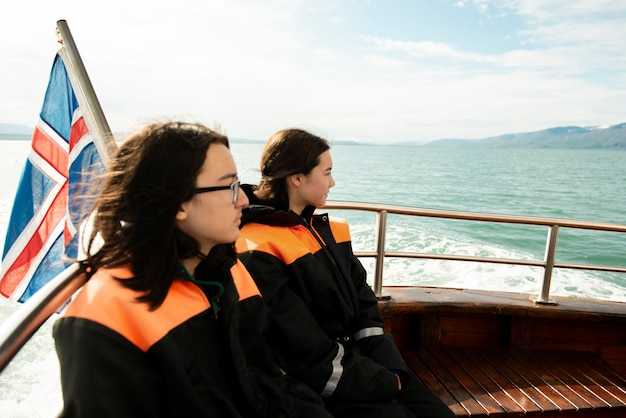 Boat Names – Superstitions and Lore Behind Maritime Naming Traditions">

Pick a name that respects the vessel’s role and its history. For a wooden sailboat, choose a title that reads clearly across the deck and in written logs. Keep the tone steady, and let crews hear it without hesitating, so the call is easy from the bow to the helm. dont chase flashy trends; names picked for meaning outlast a single season, shes ready for the sea. Its meaning will matter to every crewmember.
Superstitions weave through the baptism and naming ritual that sailors have practiced across centuries in naval fleets. A formal baptism might accompany a baptism of the hull, and a symbolic splash, sometimes with a drink to honor the sea. Names chosen in the early months or during a monday gathering gain a rhythm that links the vessel to its dates and its crew. The chosen word carries rich symbolism, making the going forward part of a shared identity.
Implement a simple three-step naming process to keep it practical. The steps performed: Step 1: collect ideas that reflect the vessel’s role and its history; Step 2: check written records and registries to confirm the same name isn’t already in use by another sailboat or superyacht in your fleet; Step 3: test pronunciation and spelling with crews and captains to guarantee smooth calls across ports. Record the final choice in the ship’s log and on the plaque, and aim for a name that reads well in a crowd and in a quiet harbor at dawn.
How to Name Your Boat: Step-by-Step Selection Process
Step 1: Gather inspiration and set a tone
Pick a name that signals your water identity and the crew’s sense of belonging. dont chase trends; an enduring choice sounds local and true when you pronounce it at the dock and over the wind. Write down a list of 5-7 options tied to water, waves, and zephyr, then circle those that felt right in the head and heart. Consider blessings from a godfather figure or a trusted mentor, and note which options would age well with maintenance and time. If a miller at the harbor comments on your list, thats a good sign their advice aligns with the vessel’s identity. Make it written on paper and on the hull for easy reference. These names work well for vessels like theirs and belong to their home water. also, review the picked options after awhile; consider which ones were considered earlier, and refine before you name the final choice; therefore you gain confidence. theyre ready for the change.
Step 2: Test, narrow, and commit
Limit to 3-5 candidates and test them in real runs. Say the names aloud on deck, at the quay, and during a short water test, then note how they settle in the wind. Ask your crew for quick feedback and write it down. Check that the name is easy to spell, short enough to shout, and clearly written on the transom and in the registry. See how it feels when the name is spoken in conversation, and how it sounds when you call it across water. If you need to change, do it before you mark the final name; otherwise, commit to the one that best fits the local culture and the vessel’s identity. Remember that this chosen name will stay with the vessels for years and set the tone for maintenance and care. also, verify there are no misfortune signs in other languages when the name is written down. The picked name should be easy to remember and robust in all weather, so its impact is named and trusted by the crew.
Finalize by officially naming and recording the designation. ensure the name is written on the hull, on charts, and in the maintenance log. The act creates belonging and blessings across every voyage, with the identity riding with water, head, wind, and zephyr through many seasons. The name is named on the hull and logged in records, guiding upkeep and future maintenance.
Dates to Avoid and Words to Avoid When Naming
Recommendation: avoid dates in boat names; they clutter the registry and dates will not age well on the sail. Choose names with a clear meaning behind traditional maritime lore. Names named after mythological beings, blessings, or symbolic imagery are considered safer and easier to remember on the sail and in the boat-name shop. If a baptism or blessing moment sparked the name, mark it as a memory rather than a date that will fade with the tide.
Practical guidelines
When evaluating potential names, take a pause to test how they will sound with their crew and how they will age with time. If the idea took root from a baptism or blessing, use that story to motivate the name, not a single date. Consider gender-neutral options that will continue to work for those aboard, whether they sail on weekend boating trips or longer voyages. These choices will help the owners and their crew feel comfortable saying the name aloud at the dock or in the shop window. Avoid lightning imagery or aggressive terms; theyre rarely welcome when the boat is at rest and the crowd is listening. Instead, pick mythological or traditional symbols that make a positive impression behind the words, and keep the tone friendly for their peers and those who hear the name on deck. The matter is not only branding; it affects how others approach you in marinas, clubs, and chart rooms.
Examples to consider
| Avoided dates or words | Why to avoid |
|---|---|
| Friday the 13th | superstition and weak branding |
| 12/25 | date-stamped; hard to evolve with the vessel |
| Baptism date | ties the name to a moment; limits reuse |
| Lightning | evokes danger; not welcoming in calm waters |
| Names tied to doom or war | negative associations aboard |
Baptism by Bell: Ceremony Steps and Participant Roles
Set a fixed cue: ring the bell to start, then follow this sequence to ensure every role is clear and the moment becomes a legend among mariners.
- Preparation at the boatyard: choose a calm day, position the white hull as a focal point, lay the rope line that trailed from the bow, polish the bell, and confirm a sober crew. Keep drugs away from the area; safety is the top priority. This ritual echoes a tradition followed by mariners for centuries.
- Assign roles: Captain leads the procession; Bell Master handles timing and the bell; Sponsor acts as mother or godparent; Miller records actions and keeps time; Mariners form a steady line along the deck; Boatyard crew supports setup and cleanup; translators handle languages when lines are spoken in more than one tongue; the Owner acknowledges ownership and signs a ceremonial certificate. Also, the team works sure to keep the cadence smooth.
- Processional arrangement: crew moves in a measured, noise-free sequence; the rope line that trailed from the bow remains taut; the Bell Master steps forward to begin cadence with a clear, even rhythm.
- The bell sequence: first ring signals the vessel’s identity and the first blessing; second ring accompanies the naming words; third ring seals the dedication to life at sea and to enduring storms; the cadence mirrors the wave pattern and keeps the moment in focus.
- Kutsama ve ad verme: sponsor, kitleye uygun dillerde bir kutsama yapar; anne, geminin amacını kabul eder ve güvenli geçiş çağrısında bulunur; isim okunur; katılımcılar, geminin denizi ve onlara bakanları onurlandırma sözü verir; an, mürettebatın en çok birleşmesine yardımcı olur.
- Kapanış ve yansıma: çizgiyi güvenli hale getirin, kalanları ve olacakları onurlandırmak için kısa bir süre durun; bu andan sonra anıyı fotoğraflarla belgeleyin; tören, geminin bir sonraki yolculuğa hazır ve mülkiyetinin kesin olarak belirtilmesiyle sona erer.
Çanlarla Vaftizdeki Roller ve Sorumluluklar
- Bell Master: çan zamanlamasını yönetir, her aşamada sinyal verir ve Kaptan ile koordinasyon sağlar.
- Kaptan: güverte güvenliğini sağlar, katılımcılara işaret verir ve misafirleri karşılar.
- Sponsor / Anne: şefkat ve isim verme dizelerini sunar, kimlik ve amaçla konuşur ve dizinin sorunsuz ilerlemesini sağlar.
- Miller: zamanlamaları kaydeder, her ipucunu not eder ve töreni resmi kayıtta korur.
- Denizciler: törensel hattı oluşturun, ince ipleri kullanın, düzeni koruyun ve hattın sorunsuz geçişi için hazırda kalın.
- Teknehanede çalışanlar: ekipman kurun, kalabalık akışını yönetin ve alanı temiz ve güvenli tutun.
- Sahibi: mülkiyeti kabul eder ve törensel belgeye imza atar, böylece aracı kendi soyuna bağlar.
- Çevirmenler (gerekirse): Kapsayıcı katılımı sağlamak için dil desteği sağlayın.
Akdeniz Kutsamaları ve Şampanya: Sahil Kürsüleri ve Anlam
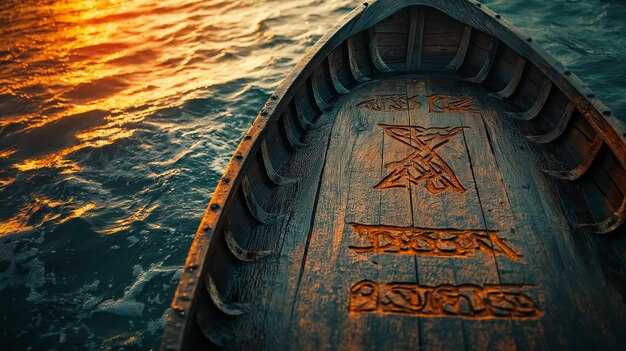
Deksende soğutulmuş bir şampanya şişesi bulundurun ve batı Akdeniz kıyı şeridi boyunca sular sakinleştiğinde şafakta bir kadeh kaldırın. Bu basit eylem denizcileri, balıkçıları ve donanma gemilerinde veya süper yatlarda mürettebatı merkezler ve iyi akıntılar ve açık ufuklar getirebilir.
Kıyısal ritüellerde, kaptanlar mürettebat veya ziyaretçi konuklardan dualar diler, bu anı müzikle ve denizi onurlandırmak için sessiz bir duraksamayla birleştirir. Kadeh kaldırma, limanları ve hikayeleri birbirine bağlayarak, kişisel bir anı ortak bir amaç ve yolculuğun sahiplenme duygusuna dönüştürür.
Uygulamada, bir kutlama kadehi seçilir, şişe açılır ve demir suya salınmadan önce güvertede bulunan herkes için küçük bir içki dökülür. Şişe, mutfaktan pruvaya doğru ilerlerken, balıkçılar, güverte görevlileri ve zabitler uzun ufkun açıldığını izlerken aralarında bir bağ kurar.
Gelenek limanlarda evrimleşti: çekirdek anlam aynı kalırken, şekli yeni sahipler, kaptanlar veya mürettebatlarla değişti. Sahil ve sulara saygı duymak ritüeli anlamlı tutar, özellikle bir süper yat veya donanma gemisinde kullanıldığında.
Bir Gemiyi Yeniden Adlandırma: Bir Tekne Adını Değiştirmek İçin Yasal ve Törensel Adımlar

Açık bir yasal kontrole başlayın: Yeni adın zaten kullanımda olmadığını doğrulayın ve herhangi bir törenden önce değişiklikleri denizcilik sicilinize kaydedin.
İsim değişikliği için yasal adımlar
Hukuki adımlar, uygun belgelendirmeyi sağlar: ulusal sicil veya bayrak yetkilisinden iletişime geçin, bir isim değişikliği formu doldurun ve geminin tapu, sicil, sigorta ve radyo belgelerini güncelleyin. Birçok yargı için bekleme süresi ve resmi bir bildirim süreci bekleyin. Değişikliğe itiraz eden mevcut herhangi bir rehin veya ipoteğin bulunmadığını teyit edin; gerekirse kredi veren onayı alın. Yeni ismin filonuzda zaten kayıtlı olan herhangi bir isimle aynı olmadığından emin olun, böylece kafa karışmasını önleyin. Bir değirmenciye ait bir zanaat veya süper yat için, liman otoriteleri ve sigorta şirketleriyle uyumlu dosyaları ayarlamak için operatör, kaptan ve hukuk ekibiyle koordine edin.
Törensel ritüeller ve gelenekler
Yeni kimliği başlatmak için zamansız bir an olarak vaftiz veya sünnet törenlerini planlayın. Ritüellerde, ismi kutsamak üzere bir vasi (kefaatçi) seçin, ardından mürettebat ve misafirlerin huzurunda güvertede törenler yapın. Vasi töreni yönetir, gemi kutsanır ve isim yüksek sesle söylenir - ardından şanssızlığı ve yıldırımı yatıştırmak için gövde suya veya törensel bir sprey ile dokunulur. Törene genellikle birkaç tanık katılır ve geminin bekçileri olarak rollerini onurlandırmak için bir içki ile kadeh kaldırma ve resmi bir kutsama içerebilir. Bazı tekneler, seçilen bir pazartesi veya resmi bir tören programı sırasında vaftiz edilir; beyaz gibi gövde rengi, yeni bir başlangıcı ve güverte çevresindeki sakin mavi tonları simgeleyebilir. Yunan mitolojisindeki adlandırma geleneği, bazı sahipleri ilhamlandırır; bir adın mana ve pürüzsüz sular için rehberlik taşıdığına inanırlar. Aynı özen ruhu, tekne yeni adıyla demirlemeye başlarken onunla birlikte yolculuk eder ve her katılımcı değişimin etrafındaki onur duygusuna katkıda bulunur.