


 Türkçe
  English (UK)
  Русский
  العربية
  日本語
日本語  한국어
한국어  Magyar
  Español
  Čeština
  Svenska
  Português
  Ελληνικά
  Suomi
Suomi  Nederlands
  Română
  Italiano
  Français
  Polski
  Українська
  Deutsch
  简体中文
简体中文  Slovenčina
 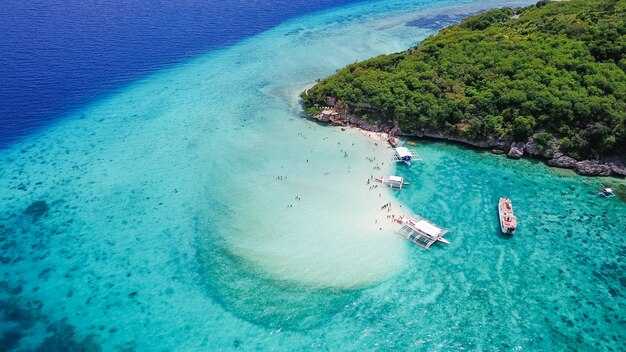 Best Seychelles Sailing Itinerary – 7-Day Island-Hopping Guide">

Plan a private sailing itinerary for a small group that starts in Mahé and hops to Praslin, La Digue, and nearby islets. This approach keeps daily distances compact and lets you enjoy sheltered coves, palm-fringed bays, and almost daily views of granite peaks at sunset.
Nerede you anchor matters as much as the route. Begin in Mahé’s harbor, then sail toward Curieuse Island for a morning swim and a walk to the turtle sanctuary. A nautical pace gives time to snorkel, visit the Vallée de Mai on Praslin, and then anchor off La Digue to admire ox-cart lanes and palm-fringed shorelines that define the island.
With a population around 100,000, Seychelles offers generous space and easy harbor access. The hava durumu stays steady in the dry season, with reliable trade winds that keep daily legs short and predictable. Plan to sail in the morning when breeze is gentler and finish your day with a sheltered anchor and sunset views.
One standout stop is grand-soeur, a private islet that delivers quiet coves and crystal water. Here you can snorkel near the outer reef and enjoy uninterrupted views toward the open sea. From grand-soeur, return to Mahé or continue to nearby reef-filtered coves for a final balance of beaches and wildlife.
facts for planning: aim for about 20–30 nautical miles per day for a comfortable pace, hire a captain and crew you trust, and book early for island stops with limited moorings. If your group includes first-time sailors, set a relaxed timetable that blends sailing, shore time, and casual meals aboard–this setup can impress with both comfort and scenery.
7-Day Island-Hopping Route and Practical Planning
Start in Mahe and sail to Praslin on monday in february to catch a reliable weather window, easy dockage, and the calm morning passages that make the first leg smooth.
- Day 1 – Mahe to Praslin
- Set sail from Port Victoria at first light for a 4–5 hour crossing to Praslin. Choose a sheltered dockage at Grand Anse or Côte d’Or to protect against any rolling waves.
- Afternoon explore Vallee de Mai, a UNESCO heritage site that highlights the islands’ biodiversity and the blend of cultural influences. Take short trails through the palm forest, spotting endemic birds and unique flora.
- Evening on board with a simple fish dish and freshly baked farine, paired with a sunset over white-sand coves. Youre set for a relaxing start to the week.
- Day 2 – Praslin to La Digue
- Short sail to La Digue, arriving at La Passe harbor for dockage and a tender ashore. Plan 1–2 hours on the water, depending on seas.
- Rent a bike to reach the island’s iconic beaches along anse Lazio and anse Source d’Argent. The route passes a mix of coastal trails and shaded lanes, perfect for a leisurely morning ride.
- Lunch ashore or on board, then a relaxed afternoon exploring local markets and creole flavors. Return to the boat by early evening to enjoy a calm anchorage under clear skies.
- Day 3 – La Digue to Curieuse Island and Sainte Anne Marine Park
- Morning tender to Curieuse Island to visit the giant tortoise colony (colony) and preserve the island’s delicate shoreline. Stay on marked paths to protect the habitat.
- Nearby Sainte Anne Marine Park offers clear water for snorkeling with colorful fish and impressive corals. Use dockage options to settle for a protected night on the boat.
- Back on deck, enjoy a light onboard meal and a stroll along the idyllic coastline as the day fades.
- Day 4 – Sainte Anne to Mahe (Victoria)
- Return to Mahe, anchoring near Port Glaud or in a protected bay by Victoria. Morning snorkel in a sheltered cove and a stroll along a white-sand beach in the area.
- Afternoon hike or bike along Mahe’s trails with a focus on Morne Seychellois viewpoints. The blend of lush forest and coastal scenery gives a strong sense of heritage and landscape without leaving the boat list.
- Evening on board, planning the next day’s shorter hops and potential upgrades to your gear or provisions.
- Day 5 – Mahe northwest coast and a coastal stop
- Head toward the northwest coast to anchor at a protected bay such as Port Launay or near Anse Major. Snorkeling around the reef lets you spot schools of fish and coral structures.
- Dockage options along the coast let you land for a short beach walk, then return to the boat for dinner. Keep waste minimal on board and sort waste in approved containers when ashore.
- Evening reflections on the trip’s destinations and the coordinated rhythm between sailing legs and leisure time.
- Day 6 – Optional extension or extra Mahe day
- Option A: Extend to Denis Island or a northern anchor for an extra night of remote scenery and quieter seas (dockage requires advance coordination). If you skip this, spend the day exploring Mahe by hull-to-shore routes, visiting anse and local markets to taste coastal cuisine.
- Option B: Stay on Mahe to explore more inland trails, small coves, and a few heritage sites, keeping the schedule flexible for weather windows and wildlife sightings.
- Whichever path you choose, keep the day really relaxed, letting currents and winds guide the hours while you savor the blend of island vibes and luxury aboard.
- Day 7 – Final leg and departure
- Use the morning to finalize provisioning, check the weather forecast, and complete dockage preparations for a smooth departure from Port Victoria.
- Disembark with a sense of accomplishment from visiting multiple destinantions, reflecting on the idyllic mornings and the cultural heritage you’ve encountered along the way.
Day-by-Day Itinerary: Mahe, Praslin, La Digue, and Offbeat Islets
Start with a half-day charter from Port Victoria to Mahe’s northwest coast, cruising along shore with huge granite cliffs and blue water in a marine setting. A quick snorkel breaks the pace, and you still have time to savor seychellois hospitality before the week ahead.
Day 2: An arranged morning transfer to Praslin by fast charter; the leg lasts about 1.5–2 hours, shaving roughly 30 percent of typical transit time. Whether you prefer a quick hop or a relaxed sail, the surrounding sea and blue horizon set a calm tone for the next days.
Day 3: On Praslin, a Vallée de Mai visit offers a diverse forest that delights nature lovers. During the afternoon, sail to Curieuse Island for a guided walk with giant tortoises and a shallow snorkeling spot where raie glide along the sand near mangroves. A small-group format keeps the pace easy and enjoyable.
Day 4: Transfer to La Digue by a short motorboat crossing; the surrounding blue water and gentle breeze invite a relaxed mood. Rent modern bicycles to reach Anse Source d’Argent and Grand Anse; the shorelines deliver delightful photo opportunities and a tranquil vibe for lovers of slow travel. In late afternoon, plan a brief stop at an offbeat islet for a quiet swim before returning to La Digue.
Day 5: The Offbeat Islets cluster begins with Cousin Island Reserve for a guided bird walk, then continues to Cousine for reef snorkeling, and ends at Aride for panoramic views over the surrounding sea. This cousin group of islets showcases a diverse range of habitats and adds nautical charm to the itinerary. All visits are arranged with permits and allowed routes to protect wildlife.
Day 6: Sail back toward Mahe with a sheltered stop at Sainte Anne or Cerf Island to stretch legs and reef snorkel. The loop offers a well-balanced mix of calm water and breeze, and you can grab a last Seychelles coffee on deck while the surrounding islands slip past. If winds shift, the crew adapts to keep the day smooth rather than hard.
Day 7: Wrap up with a final sunrise or morning swim off a sheltered Mahe cove, followed by a relaxed shore stroll through Victoria and a private transfer to the airport. todays tempo suits families, couples, and groups who want a moderate pace, nautical vibes, and memories that reflect seychellois charm and hospitality.
Aldabra Atoll Access: Permits, Access Windows, and Conservation Rules
Apply for a permit from the Seychelles Islands Foundation (SIF) at least 9–12 months ahead and pair it with a licensed guide and a confirmed itinerary. This right approach lets you sail into the atoll during the May–October season when the wind is gentler and most days bring calmer seas. Your plan should include a 3–4 day stay on the land and in the waters, with a clearly defined walk along designated paths and time to explore the idyllic beaches and surrounding reefs, all while respecting the environmental limits that safeguard the atoll’s fragile ecosystems.
Permits and access windows are tightly coordinated by SIF and approved operators. Entry typically happens in scheduled blocks, and a passe channel is used by authorized vessels to approach the atoll. Transfers commonly originate from nearby hubs such as praslin and other outer islands, with the itinerary tied to a regulated cap on the number of visitors. Those arrangements aim to protect the square kilometers of land and sea that host giant tortoises, seabirds, and mosaics of coral reefs. Aldabra’s remoteness is part of its charm, yet the logistics require careful timing and a clear plan if you want to visit.
Conservation rules cover every aspect of visiting. Do not land outside designated points and respect all walkable routes; never disturb wildlife or remove shells, rocks, or coral; carry out all waste and avoid leaving any traces behind. Evening plans stay quiet near nesting sites, and drones remain prohibited. The wind and current patterns sind monitored to minimize impacts on the atoll’s natural processes, and all activities occur under strict supervision. Those guidelines apply to all visitors and are non-negotiable for preserving the atoll’s unique character.
Practical tips help you know what to expect from your time at Aldabra. Plan your visit as a part of a broader Seychelles itinerary that may include a stop on praslin and a stay at nearby resorts on the main islands, to balance your sailing days with land-based exploration. If you’re visiting during peak season, be prepared for limited daily windows and a tight schedule. Pack light but sturdy gear for walking on uneven granite shores and along sandy beaches, and bring reef-safe sunscreen, water, and a few shells for your memory only–not for collection. A well-structured plan makes a remarkable difference on those idyllic days, letting you sail between passes, walk shorelines, and observe the wildlife up close while keeping safety and preservation at the forefront of your journey.
| Görünüm | Details | Tips |
|---|---|---|
| Permits | Issued by Seychelles Islands Foundation (SIF) through approved operators; requires a licensed guide, vessel details, and a confirmed itinerary; entry channels include a passe | Apply 9–12 months ahead; coordinate with your operator and guide; ensure your plan includes land-based walks and reef checks |
| Access windows | Aligned with the May–October season for calmer seas; actual days depend on weather, currents, and conservation needs | Monitor forecasts daily; stay flexible and build 1–2 spare days into the schedule |
| Conservation rules | No camping; no collecting shells or rocks; stay on marked walks; no waste; no drones; respect wildlife distances | Follow the guide’s instructions at all times; land only at designated sites; observe nesting cycles |
| Logistics and connections | Common transfer routes include praslin or other outer islands; visits are part of a controlled expedition | Plan ahead for transfers, and pair Aldabra with a nearby island stop to balance travel time |
| Activities | Guided reef viewing, shoreline walks, and controlled viewing of wildlife; kayaking is contingent on permissions and on-site safety | Ask your guide about permissible activities; respect reef zones and avoid touching coral |
Wildlife Encounters: Giant Tortoises, Seychellois Birds, and Coral Reef Life
Begin with a focused plan: a mahé-based sailing day that ashore Curieuse Island to walk among giant tortoises, then glide to a reef where raie drift over sand and turtles cruise the shallows, delivering a memorable wildlife introduction.
Giant tortoises on Curieuse number around 100–120 and roam mainly along the forest edge and mangroves. Reserve about 1.5 hours for an ashore walk, keeping a respectful distance and using marked paths to minimize environmental impact. The slow pace invites close observation of head turns, shells, and social cues, with dramatic views over turquoise coves as a backdrop.
Seychellois birds shine on Cousin Island Special Reserve and Aride Island, where you’ll find several kinds of endemic and migratory species. Plan a morning visit to spot Seychelles warbler, black parrot, and vasa parrot silhouettes against the sky. Protection efforts have supported populations for years, and tourism funds continue to bolster nesting sites; danke for supporting responsible travel through each quiet observation.
Coral reef life thrives around Sainte Anne Marine Park near mahé and along Praslin’s sheltered shores. Snorkel along reef edges to see vivid parrotfish, wrasse, and reef butterflies, with raie gliding through deeper channels and turtles nibbling algae at shallower flats. Keep kicks gentle and stay in designated zones to protect coral and juvenile fish nurseries; through mindful movement you’ll maximize your chance of encounters without causing damage.
Practical tips: whether you’re chasing a honeymoon mood or a family-friendly itinerary, tandem snorkeling or tandem kayak between islets adds variety without crowding. Choose licensed guides who offer environmental briefings, and heed what’s allowed on each stop–no touching coral, no feeding wildlife, and ashore only where designated. Bring coconuts or fresh water, arrive at dawn or late afternoon for best light, and plan routes that minimize travel miles while maximizing wildlife sightings. End the day with sunsets over the Indian Ocean, knowing your choices support conservation and the long-term health of the environment for years to come.
Navigation and Anchoring: Weather Windows, Tides, and Safe Moorings
Check the afternoon weather window and pick a baie for anchor with good holding in sand or rubble; set your anchor early and use a long rode to keep swing minimal in sheltered waters.
Know the tide cycle and plan around slack water to reduce drag when you set the anchor; avoid areas with coral heads by staying in depths that keep your hull well clear of hazards.
Moorings: whenever possible, use official mooring buoys in main tropical bays; they offer safe, predictable swing and protect the shore.
Hazards and wildlife: monitor underwater terrain with a depth sounder, avoid seagrass beds, and watch for hawksbill sightings near sheltered shorelines.
Kayak reconnaissance: use a kayak to inspect the anchorage from the water before setting, especially near baie poule or other paradisiacal spots. andré suggests a quick water-check to minimize drag later.
Anchoring technique: drop the anchor on a sandy base when possible, pay out 5–7 times the depth in calm conditions, test drag, and secure a back-up line to a shore tree or available mooring.
Logistics and meals: stay near the capital Victoria for supplies if needed; also you can catch meals from local markets and enjoy a great tropical ambience.
Conclusion: in all anchorages, minimize noise, respect underwater life, and check the forecast again in the afternoon before the next move.
Gear, Packing, and Onboard Comfort for a Week at Sea
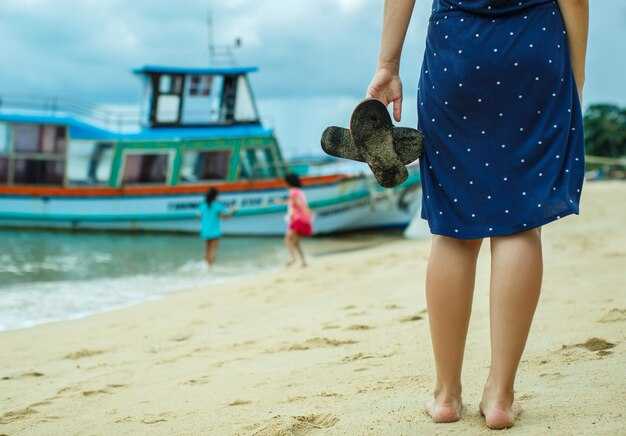
Pack a compact, versatile kit: a 30–40L dry bag, a lightweight rain shell, two quick-dry outfits per day, and reef-safe sunscreen you can pocket. Include a small personal kit for meds, documents, a USB power bank, and a compact microfiber towel. This setup keeps items accessible during long passages and minimizes clutter on deck. they also simplify mid-ocean rhythm.
Choose hard, durable, non-slip boat shoes plus sandals for shore exploration, a breathable hat, polarized sunglasses, and a sun scarf. Use hundred milliliters of sunscreen in travel containers to pass airports easily, refilling at stops. For sleep, bring a compact travel pillow and a light sheet; eight hours of quiet rest starts your day on the right foot, and helps you be ready for early starts.
Onboard comfort hinges on organization: packing cubes, labeled daily kits, and a small deck bag with essentials–waterproof phone case, whistle, flashlight, and a quick-reference map. Hydration matters, so carry a reusable bottle plus a simple purification method. Favor breathable fabrics and layered clothing to handle sun, breeze, and shade changes; even when a breeze shifts, crack a hatch and let fresh air circulate.
On shore days, plan for hiking with sturdy, closed-toe shoes and a light windbreaker. If you encounter a seabird colony or other fauna, observe from a respectful distance; the seychellois crew offers excellent guidance and safety. They tailor snorkel stops, and note the presence of seine nets in some bays–keep clear and head for open water as needed.
Heading between islands, you can enjoy peaceful anchorages and breathtaking scenery as mornings start with coffee on deck. The eight daylight hours give you space for sailing, snorkeling, and shore visits, while the diversity of habitats–from granite mountains to palm-fringed coves–offers perfect photo opportunities. The itinerary offers a balanced mix of rest and activity, and the crew keeps comfort a priority; sailwithus for a private beach stop or a sunset sail if conditions allow. A wednesday check-in helps refresh equipment and align the next leg of the voyage. Check weather when planning each leg to keep the schedule flexible.