


 Türkçe
  English (UK)
  Русский
  العربية
  日本語
日本語  한국어
한국어  Magyar
  Español
  Čeština
  Svenska
  Português
  Ελληνικά
  Suomi
Suomi  Nederlands
  Română
  Italiano
  Français
  Polski
  Українська
  Deutsch
  简体中文
简体中文  Slovenčina
  Best Great Loop Boats – Top Picks for Your Great Loop Adventure">

40-44 ft dizel-sürücü tipi motor yatı ile başlayın Büyük Döngünüz için. Gemi üzerinde iki ila üç kişi için yeterli alan, 8-9 knot hızda 1.800–2.400 millik kanıtlanmış menzil ve nehir ve göl kesimlerini güvenle idare eden stabil bir platform sunar. Piyasa listelerinde bu tekneler orta piyasa fiyat noktalarında en tutarlı satanlardır ve piyasa, onları uyacak bir düzenlemeyi uyarlamak için yeterli seçenek sunar. Gövde çizgisi, Hudson Nehri kilitleri, Erie Kanalı ve göller boyunca yönetilebilir kalır.
Çok amaçlı seyahatler ve tek başınıza kat edeceğiniz kısımlar için, değerlendirin 36-40 ft pilot ev veya kompakt sürat teknesi daha sığ bir taslak (2.5–3.5 ft) ve bir burun dümeni ile tek bir motora sahip. Bu tekneler, 7–8 knot hızda 1.200–1.800 mil menzil sunar ve özellikle hudson koridoru, nehir limanları ve kanal bölümleri çevresinde sıkışık liman yaklaşımlarında mükemmeldir. İç mekanları, tam boyutlu bir mutfak ve birkaç yatakhane ile pratik bir düzen sunar; bu da yaşam maliyetlerini kontrol altında tutarken ekipman ve ikmal için çok sayıda seçenek sunmaya devam eder.
Kullanım durumuna göre en iyi seçenekler şunları içerir: 1) 40-44 ft dizel-trawler günlük dolaşım için 1.800–2.400 nm menzilinde 8–9 knot hızda, 2 kamarası ve 600–900 galon yakıt kapasitesiyle; pros nehirlər və qapıqlarda stabillik və idarə etmək asanlığını nümayiş etdirir; interyer əsas salonun içərisində 6 ayaq 5 düym təxmini təpə hündürlüyü təmin edir; orta səviyyəli sahibkar üçün qiymət aralığı adətən $350k–$650k civarında oynayır. 2) 45-50 ft uzun menzilli çift pervane 900–1.200 galon yakıt, 9–11 knot ve sağlam bir kokpit ile; 2.000–2.600 nm menzil ve $700k–$1.2M fiyat aralıkları bekleyin. 3) 40-46 ft güç katamarani çift kabinler ve 2-3 motor seçeneği sunar; taslak 3-4 ft, göllerde ve açık nehir kesimlerinde çok dengelidir, $500k–$900k kullanılmış aralık değerleri ile.
Seçenekleri karşılaştırırken, doğrulayın yakıt esnekliği, elektrik yedekliliği ve haftalarca rahatça uyuyabilme yeteneği. Yönetilebilir liman ziyaretleri ve kanal geçişlerine olanak tanıyan, özellikle hudson ve diğer yoğun kanallarda gerçek dünya liman manevralarında düzeni test edilmiş tekneler arayın. İyi seçilmiş bir tekne seyahati mümkün kılar, birkaç akıllı yükseltme ise iyi bir tekneyi gerçekten sorunsuz bir Büyük Döngü arkadaşı haline getirir.
En iyi Loop teknelerini karşılaştırmak için pratik kriterler
Büyük seferin uzun bacaklarında denge için güvenilir bir koşullandırma sistemi ve geniş bir ışın ile 12.000–14.500 lb aralığında bir yer değiştirme gövde seçin.
Yer değiştirme ve gövde şekli, köprülere yaklaşırken ve iç bölgelere girerken seyir performansını ve manevra kabiliyetini etkiler. Bu kombinasyon, uzun bir yolculuk sırasında değişen yüklere rağmen bile öngörülebilir bir kontrol sağlayacak ve dar kanallarda kil geçişleri sırasında trim değişikliklerini en aza indirecektir.
kaynak verileri, yazın soğutma ve omuz mevsimleri için ısıtma içeren kanıtlanmış bir koşullama paketinin mürettebatı dinç tuttuğunu ve hatta kuzey rotalarında sonbahar geceleri serinlediğinde programın korunmasına yardımcı olduğunu göstermektedir.
40–45 feet aralığındaki örnek düzenler tipik olarak 2–4 kamarada, 60–120 galon suda ve 300–600 galon yakıtta yer sağlar, rahat bir günlük menzil ve sağlam bir uzun yolculuk imkanı sunar.
Boyut değerlendirilirken, iç mekan alanı ve güverte kullanılabilirliği arasında denge kuran bir tasarım tercih edin. Bir Fairline düzeni, belirli bir boyutta iyi kullanılmış bir ayak izi sunabilir ve bu da kıyı alanlarında, demirleme alanının dar ve su derinliğinin değiştiği yerlerde önemlidir.
Temel kontroller arasında hibrit veya yelkenli seçenekler için direk varlığı ve tahrik sistemi yer alır. Çoğu Loop teknesi güç odaklı olsa da, özellikle daha uzun mesafeli kuzey rotalarında motor fazlalığını ve servis edilebilirliğini kontrol edin.
Maliyetler ve harcamalar: bakım, demirleme, sigorta ve yakıt ekleyerek toplam sahiplik maliyetini tahmin edin; aşağıdaki örnek, iç kesişim kanalları üzerinde kuzey mevsimi için tipik aralıkları göstermektedir. Bağlanmadan önce bir bütçe belirlemek için bu rakamları kullanın.
Kısa listemdeki seçenekleri karşılaştırmak için, deplasman, boyut, köprü boşluğu ve koşullandırma kapasitesini vurgulayan net verilere güvenin; bu, her modelin ne sunduğuna ve neyin göz ardı edilebileceğine dair doğrudan bir bakış açısı sağlar. Not ayrıca rakamların kaynağı olarak "источник"'e de atıfta bulunmaktadır.
| Criterion | Typical ranges | Notlar |
|---|---|---|
| Boyut (fit) | 38–44 | İç mekanı ve demirlemeyi etkiler; güverte kullanılabilirliği ile dengelenmelidir. |
| Yer değiştirme (lb) | 12.000–14.500 | Daha yüksek deplasman, köprülerin yakınında izleme ve kararlılığı artırır. |
| Yakıt kapasitesi (galon) | 300–600 | Günlük seyir menzilini etkiler; daha düşük harcama için 6–9 knot planlayın. |
| Su kapasitesi (gal) | 60–120 | Sonbahar seyahatleri için çok önemli; daha büyük tanklar, dolumları azaltır. |
| Berths | 2–4 | Mürettebat büyüklüğünü ve misafir ziyaretlerini eşleştirin; düzenlemede mahremiyeti göz önünde bulundurun. |
| Seyir hızı (knots) | 6–9 | Düşük hızlar, uzun mesafelerde daha iyi yakıt tüketimini destekler. |
| Motorlar (toplam HP) | 500–900 | Gücü yakıt tüketimi ile dengeleyin; yedeklilik önemlidir. |
| Körprü geçiş yüksekliği (ft) | 10–16 | Düşük tembelden geçişleri doğrulayın; buna göre planlayın. |
| Mast | Evet/Hayır | Anten yüksekliği veya yelkenlere ihtiyacınız olup olmadığını seçin; donanımı kontrol edin |
| Soğutma kapasitesi (BTU) | 24.000–48.000 | Daha yüksek kapasite, sonbahar ve omuz mevsimlerinde konforu artırır. |
| İç kesimde uygunluk | Yes | En iyi seçimler kanalları, kilitleri ve sıkı dönüşleri yönetir. |
| источник | – | Data reference |
Fuel range and fuel consumption estimates
Recommendation: choose a boat with a usable fuel range at economical speed that comfortably covers your longest planned leg, plus a 20–30% safety margin. For typical Great Loop boats, aim for a practical range of about 1,000–1,700 nautical miles at 7–9 knots, depending on hull design and load. Build your plan around weather, currents, and detours, and track fuel consumption monthly to spot drift from the design targets.
- Displacement/Trawler (35–40 ft): fuel capacity 300–700 gallons; cruise 6–9 knots; burn 5–12 gph; estimated range 500–1,200 nm at economical speeds; bigger tanks extend range, while sanitary fueling and checking fittings keep operations clean. Useful for inland hops and lagoon trips on the loop.
- Semi‑displacement (40–50 ft): fuel capacity 600–1,200 gallons; cruise 8–12 knots; burn 8–18 gph; estimated range 700–1,900 nm; designed for steadier speeds and longer legs between towns like York and other inland ports; plan with 1–2 fueling windows to stay on schedule.
- Planing/fast cruiser (35–45 ft): fuel capacity 350–900 gallons; cruise 15–22 knots; burn 20–60 gph; estimated range 300–900 nm; heavier use at higher speeds reduces range, so reserve margin is essential when looping the coast or crossing lagoons and bays.
How to estimate your boat’s range in practical terms
- Identify your engine’s gph (gallons per hour) at each cruising speed you consider frequent on the loop.
- Compute hours available per full tank: hours = fuel capacity (gal) ÷ gph.
- Convert to range at each speed: range (nm) = hours × cruise speed (knots).
- Use a conservative factor (20–30%) for weather, currents, and detours, then compare to your longest planned leg.
- Check real data from months of boating; record average gph at each speed and review any drift from the original designs.
Practical fueling strategy for planarity and inland legs
- Always plan fueling windows where reserves are visible in the logs–routine checks reduce the risk of running dry during looping days near river mouths or York River access points.
- Keep the sanitary area clean and dry; check the vent lines, fill caps, and strainers before every long leg.
- Carry a buffer of 20–30% beyond your calculated range to accommodate unexpected currents or weather delays; this “whole” safety margin protects the schedule and comfort on longer hops.
- For bigger trips through lagoons and inland passages, map your route with an eye toward reliable shore facilities and fuel stations that align with your windows and plans.
- Document your average consumption per month; use the data to adjust speed you can maintain without sacrificing comfort or shower breaks.
Tips to optimize range and comfort on an American‑built yacht or catamaran
- Use the economical speed, typically the slowest steady pace that still keeps you on schedule; this is the fastest way to extend the ranger of your trip.
- When in doubt, drop the throttle a notch and observe the effect on gph and range; the difference can be substantial, especially while cruising through inland stretches with currents.
- Keep a running number of gallons remaining and estimate hours left until the next safe stop; this helps you decide where to anchor for the night or pull into a marina for a tidy shutdown and sanitary checks.
- Document the design intent of your tank arrangement; some designs distribute fuel across multiple tanks, which can alter how you calculate range as fuel moves between tanks on certain maneuvers.
- Leverage open water crossings or long lagoon passages to log fuel data; an incredible dataset grows from consistent logging, like a Tumblr of your boat’s performance over months of use across different seas and currents.
Common references for planning and checking ranges
- Keep a running table of your engine’s average consumption at 6–8 knots, 8–12 knots, and fast speeds; use these numbers to estimate range for each leg.
- Where you refuel can determine your schedule; plan your loop around reliable inland ports and major hubs with sanitary facilities, showers, and windows for maintenance and rest.
- Most boaters want predictable performance; test your range with a full tank on a calm day and again after months of use to verify the ongoing numbers.
- When you publish your plan or share notes with the crew, include the long legs and the shorter hops so everyone understands the whole strategy.
- Be mindful of the “bigger” tank option if your plan includes long cross-stitched routes; a larger tank translates to fewer stops and a smoother looping experience for the crew.
- Check your tank capacities and replenishment options before you leave shore; the more precise your fuel design and the better you track the windows for refuel, the less you worry about getting stuck far from a shore facility.
- Remember that a solid fuel plan improves safety, comfort, and the overall experience for boaters on American-built hulls and those cruising near lagoon shores or inland routes.
Hull design, stability, and sea-kind handling
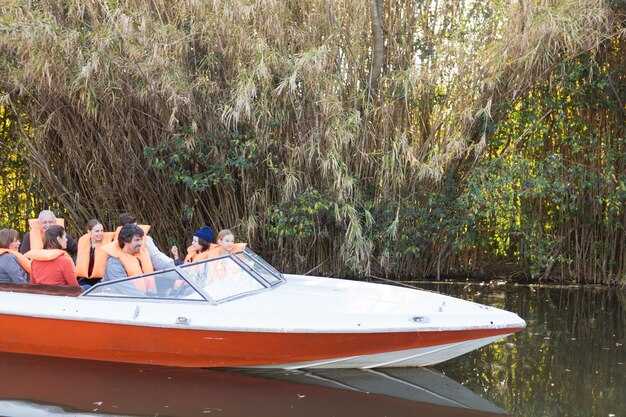
Go with a hull that combines a moderate V, a wide beam amidships, and ballast kept low to the bilge; this setup would give you steady control in rough waters, keep the captain comfortable, and make long trips more predictable.
For loop cruising, a mono-hull with a deep forefoot and spray rails tracks well in chop, while a northern ranger style hull prioritizes stable displacement and predictable motion in open water. Since docking and crosswinds around port corridors are common, choose a design with balanced ballast and centerline weight to keep heel modest. In winter around seattle waters, choose a hull with buoyant bow and a dry deck to preserve visibility.
Keep ballast low and midships; place heavy fuel and water tanks low in the bilge to lower the center of gravity heights and reduce rolling. Required metrics include ballast position, beam, draft, center of gravity. Print the spec sheets to compare GM, freeboard, and damping characteristics across options. Look for a hull that maintains comfort when wind rises and waves come from the side, so navigation remains precise at 6–8 knots during crossings and near harbor approaches.
In practice, ensure you have trim tabs or stabilized fins if budget allows; this helps suppress tight rolling and improves response to helm input. For long passages, a hull with good damping preserves speed without adding fatigue to the captain and crew, keeping the living area comfortable through the watch and in winter conditions.
Interior layout for long trips and liveaboard comfort
Recommendation: Start with a practical, convertible dinette layout that frees a dedicated sleeping area and a private head. A bigger midship salon with a U-shaped dinette that converts to a sleeping berth keeps lounging comfortable and delivers a full-time bed for long trips. Place the galley forward of the main cabin to keep noise and odors away from sleeping quarters, and ensure a clear, unobstructed path to the heads. This setup is very efficient when you are at the marina here or at the docks after a day on the water.
Among diverse models, Leopard catamarans stand out for liveaboard comfort. Leopard models offer ample hull storage, under-bed drawers, and a second heads option, which helps privacy. In winter, heated cabins and consistent cabin temps keep sleeping areas comfortable. Read the specs here to compare berth sizes, beam, and gross tonnage. Illinois-based loopers often favor these layouts for their maneuverability when docking at busy docks and marinas.
Maximize storage by using under-seat shelving, step-up storage, and hanging lockers in every cabin. Tie-downs (knots) on deck items keep gear from shifting while underway. Use waterproof, wipe-clean surfaces in galley and heads to reduce maintenance during long trips. For sleep quality, install acoustic insulation around berths and use blackout shades. Always ensure the bed orientation faces the most stable hull, not the salon, to avoid roll during rough seas.
Time aboard a loop boat means you need the galley to function with a compact footprint. Storage in two levels, with ceiling-height lockers, keeps daily routines smooth and reduces clutter. Owners asked about the best heads configuration and many choose a split-head plan to avoid morning queuing. cailtte’s notes highlight galley stability and a strong countertop edge to host small appliances. More exotic layouts add a mezzanine or a second sleeping cabin if you plan longer time on the water.
What matters most is a configuration that minimizes motion impact on the bed, keeps the heads and galley easy to reach, and preserves maneuverability under power or sail. In americas, the Leopard models with modular interiors score high marks for cruising comfort; always verify a well-insulated hull and a dedicated charging station for long trips on winter seas and extended time on the water.
Docking, maneuverability, and marina logistics
Make docking easier by choosing a vessel with a bow thruster and a stern thruster; over a year of real-world testing, crews report that this setup, making docking repeatably smooth, especially on long-distance legs and in gusty marinas.
In marina operations, plan ahead: foredeck visibility, set fenders, and secure two spring lines to the bow and stern so you can pivot with the gusts; when approaching locks on lake erie or other canals, coordinate with the harbor master to avoid blocking traffic. Important: secure slips in advance to keep a tight schedule across the years you spend on the loop.
Maintain speed to 6 knots or less in marinas; use thruster-assisted turns to align with slips, then ease forward. Practice docking in open water first; each maneuver becomes easier again after a few reps, and you’ll gain confidence that lasts years of Loop travel.
In the market, the choice should balance long-term reliability with cost; the average dockage can vary by region, and investing in gold-level features like a robust thruster system and clear foredeck visibility can improve market resale value. Think about suitability for your typical routes and that your budget supports maintenance for years of use.
For fishing enthusiasts, a broad foredeck and accessible lines help keep gear ready without crowding the cockpit. A vessel that handles like a mastodon in tight spaces reduces stress during busy passages; give yourself room to maneuver, because small errors multiply in locks and crowded marinas. Cons include the extra weight and maintenance of thrusters, plus higher initial cost and ongoing battery needs, but the long-term benefits often outweigh the downsides when you plan the year-long loop.
Maintenance planning and parts availability along the route
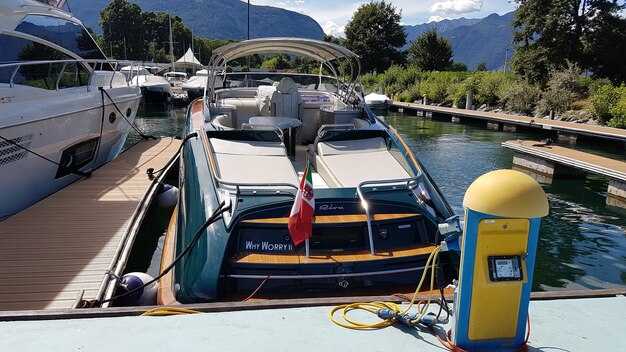
Tüm rotada mutlak bir yedek parça planı ve döngünün her bölümünü kapsayan bir bakım takvimi sürdürün. Bu, daha az gecikmeye neden olur ve güvenlik ekipmanının her an hazır olmasını sağlar. Ancak, mevsimsel değişiklikleri ve liman müsaitliğini hesaba katmak için geçişlerden önce planı gözden geçirmeyi unutmayın.
Rota boyunca limanlar ve kilit sistemleri aracılığıyla tedarik noktalarını haritalayın; birkaç gün içinde, özellikle çeşitli liman kasabalarında bantlar, contalar, çarklar, filtreler ve hortumlar temin edebildiğinizi doğrulayın. Bu yaklaşım size esneklik sağlar ve araştırmalar, Great Loop üzerindeki çoğu tekneye büyük merkezlerde bir hafta içinde yaygın ürünlerin temin edilebileceğini göstermektedir. Ancak her geçişten önce stoğu kontrol etmeyi unutmayın, böylece uzun bir çekme veya kaçırılan bir geçişle asla karşılaşmazsınız.
Katamaranlar için, her gövde başına iki adet özel yedek parça depolama alanı ve bir dingi bakım kiti ayırın. Yüksek güverte alanları ve düzenli kutu sistemleri, kokpiti sıkıştırmadan onlarca küçük parçayı erişilebilir tutmanıza yardımcı olur. Açık bir düzenlemeye sahip olmak, hızlı bir değişim gerektiğinde zamandan tasarruf sağlar ve kilitlerde ve yoğun limanlarda hareketli günlerde stresi azaltır.
Pratik sayıları: motor başına 2-3 adet yedek motor kayışı; motor başına 2-4 pervane; motor başına 2-4 yakıt filtresi; motor başına 2-3 yağ filtresi; 1-2 termostat; 2-4 adet yedek ham su pompası; çok sayıda o-ring ve kelepçe (düzinelerce); 2-4 çinko anot; ve bir dingi onarım seti bulundurun. Motorlarınız yüksek saatli ise, bir yedek marş motoru veya alternatör ekleyin ve soğutma ve yakıt sistemleriniz için derecelendirilmiş birkaç ek hortum bulundurun. Bu ürünler en sık karşılaşılan arızaları gidermek ve haftalarca beklemeden çoğu marinada onarımları tamamlamanıza olanak tanır.
LinkedIn ve mastodon gibi sosyal ağları marina mağazaları, tamirhaneler ve diğer Loopers ile bağlantı kurmak için kullanın; mevcut stok, teslimat süreleri ve önerilen yerel tedarikçiler hakkında bilgi alın. Bu fikir sizi bölgesel eksiklikler hakkında bilgilendirir ve teknenizi ve mürettebatınızı seyahat ettikten sonraki düzinelerce mil ve çok sayıda çeşitli kanal geçişinden güvenli tutarak doğru parçalara sahip bir limana yakın bir yerde kalmanızı planlamanıza yardımcı olur.
İşte bir örnek: kış depolamasından sonra, motorlarda ve pompalarda bir teşhis çalıştırın; yedek parçaları envanterini kontrol edin ve yaklaşan rotalar için miktarları ayarlayın; yıllar içinde, bu yaklaşım riski azaltır ve zamandan tasarruf sağlar. Güvendiğiniz bir ortakla paylaştığınız net bir plan, teknedeki herkesin sizin sefer ve bir sonraki kilitlere odaklanmanızı sağlarken onarımları yönetmesini kolaylaştırır.