


 Türkçe
  English (UK)
  Русский
  العربية
  日本語
日本語  한국어
한국어  Magyar
  Español
  Čeština
  Svenska
  Português
  Ελληνικά
  Suomi
Suomi  Nederlands
  Română
  Italiano
  Français
  Polski
  Українська
  Deutsch
  简体中文
简体中文  Slovenčina
 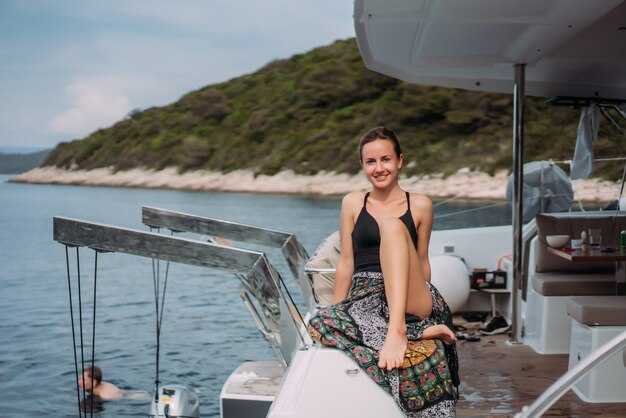 Bahamas Abacos Yacht Charter & Sailing Vacations – Your Ultimate Guide">

Start with a 7‑day loop: hopetown, mangroves, and fresh catches–this concrete plan sets expectations and time for each stop. Pick a vessel that fits the group (4–6 guests) and a capable captain comfortable with remote harbors. For american travelers, having a seasoned skipper saves money and avoids weather misreads, while keeping the pace steady and enjoyable.
Itineraries here vary, offering a variety of short hops and longer passages. Each route narrows into sheltered lagoons, pristine mangroves, and early morning lines. You’ll visit hopetown’s harbor, Albury, Green Turtle Cay, and Man‑O‑War Cay, then back to the main channel. Those days deliver sun, salt air, and a gallery of sky pictures at sunset.
Timing and costs: The best window is late fall through spring, when trades are favorable and water stays warm enough for snorkeling. Budget guidance: choose a crewed float for predictable money outlay; a bareboat option invites risk and fuel surprises. Two to three mornings dedicated to fishing produce fresh catches; those meals aboard boost morale and make meals back on deck memorable.
Harbor notes: hopetown offers a sheltered anchorage with a sandy bottom and shallow reefs nearby. Albury provides calm moorage and a quick land excursion for coffee and a chat with locals. Mangroves along the interior give sanctuary for birds; if you went ashore, you could map those waterways by kayak and see green water reflections in the shadows of mangrove roots.
Equipment tips: bring a compact camera to capture sunrise in front of the gallery‑like skies, and a light, dry bag for protecting electronics during a mangrove drift. Fresh groceries come from small markets on Albury and in Hopetown; money, a spare SIM card, and a reliable weather app keep everyone prepared. Here, you’ll learn to read the wind and adjust course to avoid afternoon squalls.
Itineraries tailored for every interest exist: family days with shallow snorkeling, american crews chasing bonefish, fotoğrafçılar chasing color from the aft deck, and those seeking solitude. Weve found that having a balance of two anchor days and one full‑day island hike keeps energy high. Kick off with a sunset sail, then land for a picnic on the beach, and finish with a quiet night under the stars.
Final note: this route emphasizes hands‑on experiences–fishing, mangrove tours, and local art galleries–while keeping the pace accessible and safe. Plan with a local operator who can adjust itineraries on the fly and add fresh stops if conditions allow; you’ll return with stories and a renewed sense of escape, back home with a new appreciation for blue horizons and rugged coastline, ready for the next voyage.
Gourmet on the Water: Practical Cuisine Guide for Abacos Charters
Plan a three-day provisioning cycle: select two mains from the reefs (yellowtail snapper or grouper) and a shellfish dish (conch or lobster), plus a vibrant vegetarian option, and arrange a mid-trip restock with a trusted vendor in the following ports.
Shop abacos village markets for citrus, tropical fruits, breadfruit, and leafy greens; stock dairy and bread from reliable suppliers, and align purchases with the year-round climate and seasonal harvests here.
Maintain the cold chain in the galley: insulated coolers, clearly labeled quarters, and close attention to the condition of fish–clear eyes, firm flesh–before cooking to 63°C (145°F).
Craft sauces with lime, coconut, and herbs; fold in african-inspired spice blends and american-style rubs to diversify flavors.
Grill fresh catches on a deck rack, bake flatbreads in a compact oven, and keep a crystal bowl of water and citrus on the counter; ensure a serene rhythm of meals while soaking in tropical bliss.
Night dining beneath a soft firefly glow elevates the mood; respect quarters by planning simple, low-waste plates; follow local fishing rules around reefs, and note that turtle protections apply in many harbors; visit lighthouse villages for coastal light and local american-style taverns.
Here, the following approach yields unforgettable meals across year-round warmth, with hope in each plate and a kick of discovery.
Core Dishes to Sample Aboard: Conch, Lobster, and Bahamian Classics
Begin with conch fritters at a dock between mangroves, where catamarans glide by and the laid-back vibe makes the experience effortless. That bite is likely to be a picture-perfect start and also gives weve time to settle in before exploring more flavors around the north coast and hidden coves.
- Conch-focused bites
- Conch fritters: crisp, golden, with a citrus dip.
- Conch salad: diced conch with tomato, onion, lime, and peppers; pick up peppers at the grocery to boost freshness.
- Conch chowder: creamy, coconut-forward, a hidden gem in boutique-lined harbors.
- Lobster delights
- Rock lobster: grilled with garlic butter; buy the catch fresh at a morning market and cook it before the heat fades.
- Lobster tail with citrus beurre blanc: a refined choice for a picture-perfect dinner as the sun sets.
- Lobster boil: a social, one-pot option that works well aboard a bareboat rig with a small crew.
- Bahamian classics and seasoning
- Cracked conch: light batter, fried crisp, great as a stop-and-go lunch beside a quiet place with mangroves in view.
- Stew fish or fried fish with johnnycake: sturdy and satisfying, often the anchor of a midday repast around the north coast.
- Guava duff or a simple sponge cake with rum sauce: a traditional finish that blends with African-influenced spice blends.
- Rice and peas with pepper sauce: a staple side that carries flavors widely across the archipelago.
For the on-water cook, competence matters. Plan with the knowledge-theory of flavor and keep the kitchen simple to fit the electricity-hungry galley of a bareboat. Before you set out, do a quick grocery run and map a few practical stops so you’re not chasing a stop every hour. The experience hinges on staying settled and being able to shift plans if a hidden anchorage offers a more evocative scene; thats when the voyage becomes something more than a routine, a true, also picture-perfect meal-and-moment. If you’re able, keep things compact and scalable so you can enjoy the surroundings around dockside towns and boutique-lined harbors without compromising competence.
Provisioning 101: Shopping for a Week in Abaco, Marsh Harbour, and Treasure Cay
Do one efficient provisioning run the day before departure: hit petes for staples, then top up at the harbour market for produce and dairy; choose weeklong supplies that suit your crew, from rice and pasta to canned tomatoes, beans, oil, coffee, and breakfast cereals. Add fresh eggs, butter, hard cheese, fruit, and a couple of pounds of local fish if possible; keep a small stash of refrigeration-friendly items for nights when the tide runs calm and the anchor holds.
Pack smart storage: deploy a compact plymouth cooler and a wooden icebox to extend freshness; separate raw from ready-to-eat items, label days by use, and wrap herbs in a damp cloth to slow wilting. opt for cheeses and yogurt that travel well, and plan for two days of seafood or poultry so you can unwind without last‑minute scrambling.
Build a weeklong menu around three core staples–rice, pasta, and beans–plus two protein options and plenty of fresh produce. Favor reef‑caught fish when available, but keep reliable backups like canned tuna or chicken thighs. Craft five dinner ideas with simple sauces, citrus, and greens, and marshal breakfast and lunch around oats, bread, eggs, fruit, and salad. Apply knowledge-theory to portioning so one couple or small crew avoids waste while leaving room for occasional treats from island heritage markets; you went coastal once, you can repeat the pattern with local twists.
Plan the logistics around the rhythm of the harbour area: stores often close before dusk, so buy water, ice, dairy, and perishables first; space planning matters, so pack dry goods in sealable sacks and keep a dedicated space for fish and poultry. Expect year-round warmth and occasional gusts; choose a calm day for re-stocking if the forecast calls for rough seas. For beaches with white-sand sands, reserve a few days to unwind and refresh after cruising; last nights on deck benefit from simple, light meals, a cup of coffee, and a steady breeze that keeps the crew comfortable as you prepare to sail again.
Onboard Menu Templates: 7-Day Dinner Plan for Yacht Charters
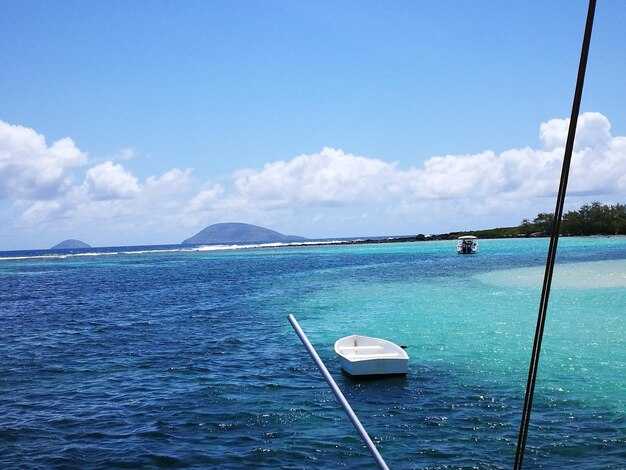
Start with a core, flexible dinner setup that minimizes provisioning and keeps the crew happy: a single protein, a dependable starch, two vegetables, and a pairing sauce that can be scaled up or down that calm, settled rhythm throughout the itinerary.
Day 1 – Citrus-crusted fish with herb rice: Quick sear of firm fish, lemon zest crust, fluffy herb rice with parsley. Pair a cucumber-dill salad with a light yogurt dressing that blends brightness with creaminess. This open, refreshing start leaves room for wine and a calm evening on deck as the tide slips by.
Day 2 – Coconut-lime chicken with mango salsa: Pan-sear chicken thighs, simmer in coconut milk, lime juice, and ginger until tender. Serve with jasmine rice and a vibrant mango salsa. The tropical flavors keep the mood bright for a calm, settled dinner as the itinerary winds through open water.
Day 3 – Garlic shrimp pasta with lemon and herbs: Spaghetti tossed in olive oil, garlic, chili flakes, and a dash of white wine; finish with parsley and parmesan. Add blistered cherry tomatoes for a filled, bright sauce that pairs with a chilled white and a quick sprint to the dock for sunset.
Day 4 – Grilled veggie kebabs with quinoa and herb feta: Skewer peppers, zucchini, mushrooms, and red onion; grill to char; serve over fluffy quinoa with a lemon-herb feta crumble. This vegetarian option keeps the blend fresh and works well on bareboat itineraries, open to around anchorages where provisioning may be tight.
5. Gün – Chimichurri soslu ve közlenmiş biberli dana şişSarımsak, zeytinyağı, kırmızı biber ve kekik ile marine edin; orta pişmiş olacak şekilde ızgara yapın; közlenmiş biberler ve hafif patates püresi veya zeytinyağlı patates püresi ile eşleştirin. Güvertede gelgitin yıkadığı bir akşamla iyi uyum sağlayan, doyurucu ve güçlü bir seçenek.
6. Gün – Sebzeler ve yasemin pirinci ile kremalı hindistan cevizi körisi: Karnabahar, havuç ve bezelyeyi köri ezmesi, zencefil ve misket limonu ile hindistan cevizi sütünde kokusu çıkana kadar kaynatın. Yasemin pirinci ile servis yapın. Albury'deki Anchorage, mangrovlar ve bataklıkta geçen bir günün ardından bu sıcak ve rahatlatıcı yemek için sakin bir zemin sağlıyor; gelgit yükselirken gün batımında açık deniz gezisi için yakıt depolayın.
7. Gün – Susamlı pilav ve yeşilliklerle birlikte miso soslu balık: Miso glazeli beyaz balık pişirin, susamlı pilav ve sotelenmiş ıspanak veya Çin lahanası ile servis yapın. Mürettebatı unutulmaz bir finalle ve yeni bir yolculuğa hazır bir şekilde rıhtıma veya şamandıraya sorunsuz bir dönüşle bırakan son bir tat.
İçecekler, Alkollü İçecekler ve Yerel Eşleşmeler: Bahama Lezzetleriyle Ne Yudumlamalı
Hindistan cevizi suyu, misket suyu, bir tutam esmer rom ve bir fiske deniz tuzu ile başlayan bir hindistan cevizi-misket limonu spritzi; çıtır, canlı ve suda geçen günler tekne gezintisi ve mangrovların yakınında seyir içerdiğinden numune tadımları için ideal.
Daha sonra, rom ağırlıklı bir punch veya şurubu keşfedin: çarkıfelek meyvesi, hibiskus ve zencefil, deniz salyangozu böreği veya jerk baharatlı deniz ürünleri gibi daha ağır yemekleri dengeler; aşağıdaki eşleşme, kuzey deniz feneri yakınında tekneyle bir gün geçirdikten sonra, kıyı boyunca yelken rotalarında güvertede iyi sonuç verir.
Issız koylar sessiz bir yuduma davet ediyor: kuru beyaz şarap veya hafif bira, kızarmış muz, ızgara balık ve tahta bir iskelede tadını çıkarılan bir dizi basit atıştırmalıkla eşleşiyor; deniz fenerinin yakınındaki misafir odaları, küçük bir parti için mükemmel bir ortam sağlıyor.
Bakım notu: Servis konusunda yeni mürettebatı eğitirken, onarım görevleri arasında mağazayı yeniden stoklamak ve envanteri kontrol etmek de bulunur; temiz bir kurulum yapmak karaya oturma kazalarını önler ve suda güvenli bir şekilde yudumlanmasını sağlar.
Afrika esintili notalar mutfağı tazeliyor ve turunçgiller veya mango ile eşleşiyor; deniz ürünlerini tamamlamak için zencefilli bir şurup deneyin; yakındaki yerler, konukları aşağıdaki yemeklerin tadını çıkarmaya davet eden zengin bir lezzet galerisi sunuyor.
| İçecek | Pairing | Notlar |
|---|---|---|
| Hindistan Cevizi-Misket Limonu Spritzer'ı | Izgara deniz salyangozu, muz cipsi | Parlak, deniz tuzu bitişi; tekne gezintisi sonrası için ideal |
| Rom bazlı özel kokteyl | Baharatlı deniz ürünleri, narenciye salatası | Cesur; mutfaktaki Afrika baharat notalarını tamamlar |
| Hibiskus Zencefil Şurubu | Mahi ceviche, mango salsa | Mangrovların yakınında asidik yükselme; çok yönlü |
| Kuru Beyaz veya Hafif Bira | Kızarmış muz, ızgara balık | Ahşap bir iskelede rahat seçenek |
| Baharatlı Kahveli Tonik | Hamur işi, yerel peynir | Baharatlı bir dokunuşla sabah gücü |
Teknede Gıda Güvenliği ve Saklama: Tazelik, Soğutma ve Hijyen İçin İpuçları
Sıkı bir kural koyun: Bozulabilir gıdalar, görünür bir termometre ile 3–4°C'de tutulan ana buzdolabında bulunmalıdır. Çiğ proteinleri alttaki rafa sızdırmaz kaplarda yerleştirin ve tekne gezisi sırasında bozulmayı önlemek için ilk giren ilk çıkar sistemini kullanarak stokları döndürün. Küçük eşyalar için hızlı erişim sağlamak amacıyla mutfak alanlarının yakınına yerleştirilmiş özel bir depolama kutusu takımı bulundurun.
Süt ve yumurta: yumurtaları orijinal kartonunda saklayın ve 3–4°C'de buzdolabında muhafaza edin. Süt açıldıktan sonra 5–7 gün, yoğurt 7–14 gün, sert peynirler 3–6 hafta, yumuşak peynirler 1–2 hafta, tereyağı 1–4 hafta dayanır. Buzdolabı kullanımı aralıklıysa, UHT süt veya kutulu bitki bazlı içecekler gibi raf ömrü uzun seçeneklerle destekleyin ve tarihleri net bir şekilde etiketleyin.
Yapraklı yeşillikler nem kontrollü bir sebzelikte 3–5 gün taze kalır; hava akışını sağlamak için delikli torbalar kullanın. Domates, salatalık ve biberleri etilen yüklü meyvelerden uzak tutun ve soğan ve patatesleri filizlenmeyi yavaşlatmak için serin ve karanlık yerlerde saklayın. Yıl boyunca seyir halindeyken nem birikimini ve solmayı en aza indirmek için ürün depolama planı yapın.
Hijyen: Yemekleri hazırlamadan önce ellerinizi sabunla 20 saniye yıkayın; kesme tahtalarını ve bıçakları çiğ proteinlerden sonra ve yemeye hazır ürünlerden önce dezenfekte edin. Çapraz bulaşmayı önlemek için renk kodlu (renkli) tahtalar kullanın ve yüzeyleri bir dezenfektan solüsyonuyla (1:50–1:100 çamaşır suyu veya onaylı sprey) silin. Kuru bezler, dar alanlarda küf oluşumunu önlemek için nemli bezlerden ayrı olarak saklanmalıdır.
İçecekler ve çeşitlilik: Sızdırmaz şişelerde saf su bulundurun ve damlamayı önlemek için içecekleri yiyeceklerden uzakta saklayın. Renkli çeşitli alkolsüz ve düşük alkollü seçenekler için harika, sabit bir sıcaklık sağlayarak tadı korumak ve yoğuşmayı en aza indirmek için içecekler için ayrı bir soğutucu kullanın.
Limanda durakları sırasında market planlaması: özellikle seferler arasında, yeniden stoklamak için yakındaki marketleri ziyaret edin. Yıl boyunca dayanıklı temel gıda maddeleri ve küçük bir favori sığınağı içeren bir tedarik oluşturun; küçük kasaba limanlarında veya ıssız koylarda, bir hafta daha yetecek kadar yiyecek için bir yedek planınız olsun. Çeşitli zevklere (çeşitlilik) uyum sağlayan ve temel ihtiyaçları ana yaşam alanlarında kolayca ulaşılabilir bir şekilde tutan bir rutin sürdürün.
Güç kaybı ve acil durum stoğu: Buzdolabında elektrik kesintisi olması durumunda konserve yiyeceklere, kuru meyvelere, kuruyemişlere ve raf ömrü uzun süt alternatiflerine geçin. Birincil soğutucuda buz aküleri bulundurun ve bozulma riski en az olan ürünlerin hızlı bir şekilde tüketilmesini planlayın. Yakaladığınız her şeyi derhal işleyin ve israfı önlemek için daha küçük kaplara porsiyonlayın.
Dalışla yakalanan ürünlerin işlenmesi: Deniz ürünleri avlıyor veya dalışla topluyorsanız, hemen temizleyip buzlayın; filetoyu yakalandıktan sonra 2 saat içinde buzdolabına koyun, ardından hemen dondurun veya pişirin. İsrafı azaltmak için küçük porsiyonlar kullanın ve kötü kokan, yapışkan dokusu olan veya rengi değişmiş herhangi bir şeyi atın.
Bilgi teorisi burada geçerlidir: sıcaklık kontrolü, hava akışı, nem ve çapraz bulaşma önleme, tazeliği ve güvenliği belirler. Amacınız, küçük kasabalarda ve pitoresk koylarda duraklar arasında, ıssız bölgelerin ötesinde tedarik için yakındaki market seçenekleriyle, sular ve liman hayatı arasında her yemeğin dingin, dengeli ve güvenli kalmasını sağlamak için bu kuralları uygulamaktır.