


 Türkçe
  English (UK)
  Русский
  العربية
  日本語
日本語  한국어
한국어  Magyar
  Español
  Čeština
  Svenska
  Português
  Ελληνικά
  Suomi
Suomi  Nederlands
  Română
  Italiano
  Français
  Polski
  Українська
  Deutsch
  简体中文
简体中文  Slovenčina
  Eğlence, Güneş ve Güverte Güvenliği İçin 8 Temel Yaz Yazı Tekne Kullanma İpuçları">

İpucu 1: Göl kenarında UV korumalı kumaşlardan yapılmış giysiler ve hem kendiniz hem de çocuklarınız için uygun, bakımlı can yelekleri ile başarıya hazırlanın; hava şartları değiştiğinde hayati tehlike arz eden durumlardan kaçınmak için bu tür ekipmanlar çok önemlidir.
İpucu 2: Yola çıkmadan önce koşulları kontrol edin; ister kıyıda ister sahile yakın seyrediyor olun, serinlemenize yardımcı olması ve güvertede güneş ışığında terlemeyi azaltmak için yanınızda soğuk içeceklerle dolu bir buzluk bulundurun.
İpucu 3: Seyir halindeyken alkolden kaçının; alkol, yargıyı ve sürüş becerisini olumsuz etkiler, hayati tehlike arz eden riskleri artırır ve sudaki başka birini koruma yeteneğinizi engeller; kazaları önlemek ve herkesin güvende kalmasını sağlamak için ayık kalın.
İpucu 4: Teknenizin lansman öncesi kontrolünü yapın. iyi bakılmış systems–gaz/yakıt hatları, elektrik tesisatı, sintine ve bir extinguisher–emin olduklarından. located ve kolayca erişilebilir olmalıdır; dengeyi korumak ve tekneyi muhafaza etmek için ağır eşyaları tek bir yerde toplamaktan kaçının. safely devam ediyor.
İpucu 5: güverteyi uygun düğümler ve kaymaz ayakkabılarla sabitleyin; saklayın ağır ürünler azaldı, packed uzaklaşın ve denetleyin kids ve other yolcular böylece deck remains safe for everyone on board.
İpucu 6: Can yeleği, telsiz ve bir can simidi de içeren eksiksiz bir güvenlik kitiniz olsun. extinguisher gerekirse; korunmak için tatbikat yapın kurbanlar ve nasıl yapılacağını bilmek çek panik yaratmadan sudan birini kurtarın; güvenebileceğiniz ekipmanlar için Amazon önerileri listesi tutun.
İpucu 7: Çevreyi koruyun; dengeli bir rota sürdürmek için yükünüzü dengeleyin, yüksek yakıt tüketiminden kaçının ve koşullar kötüleştiğinde kıyı şeridinden uzaklaşın; bu genel güvenlik alışkanlığı, diğer teknelerin müdahil olmasını engeller ve başkalarıyla paylaştığınız suyu korur.
İpucu 8: Marinanın yerel kurallarını öğrenin; uv koruyucu giysiler kullanın, driving ve sahil hesaplamaları basit tutun ve paylaşmak için diğer denizcilerle konuşun recommendations hayatı tehdit eden olayları önlemeye yardımcı olan; her zaman rahatlayın ve hazırlıklı olduğunuzu bilerek kıyı şeridinin tadını çıkarın.
Yazın Tekne Gezisi İçin 8 İpucu: Eğlence, Güneş ve Güverte Güvenliği; Güneş Kremi
İpucu 1 – Donanım, can yelekleri ve güvenlik kontrolleri Lansmandan önce, herkesin Sahil Güvenlik onaylı ve güvenli bir şekilde oturan bir yeleği veya ceketi olduğundan emin olun. El altında fazladan ceket bulundurun ve hareketi önlemek için güvertedeki tüm ekipmanları sabitleyin. Şarjlı bir yangın söndürücü, bir korna ve bir ilk yardım çantası dahil olmak üzere güvenlik donanımlarını ve güvenlik sisteminin hazır olduğunu doğrulayın. Bu hazırlık, riski azaltmak ve mürettebatı bir kafa travması veya ani bir denge kayması dahil olmak üzere gelecekteki her türlü duruma hazırlıklı tutmak için çok önemlidir.
İpucu 2 – Güneş kremi, gölge ve güneşten korunma Güneşe maruz kalmadan önce geniş spektrumlu güneş kremi uygulayın ve suya girdikten sonra tekrar uygulayın. Güneş ışınlarının en güçlü olduğu zamanlarda güvertede gölgeli alanlar arayın ve şapka ve UV korumalı giysiler giyin. Suyun parlak yansımaları güneş yanığını hızlandırabilir, bu nedenle mümkün olduğunca gölgede kalın ve gözlerinizi polarize güneş gözlükleriyle koruyun.
İpucu 3 – Sıvı takviyesi, serin kalmak ve rahatlık Yanınızda bolca su ve elektrolit içeceği bulundurun. Sıcak havalarda susuz kalmak gerçek bir risktir, bu nedenle düzenli olarak yudumlayın ve susuzluğu artıran içecekleri sınırlayın. Gölgeli alanlarda dinlenme molaları planlayın, sıcak çarpması belirtilerine karşı dikkatli olun ve herhangi biri aşırı ısınmış veya başı dönüyormuş gibi hissederse faaliyetleri durdurmaya hazır olun.
İpucu 4 – Güvenli güverte hareketi ve ekipmanı sabitleme Dönüşlerde veya dalgalı sularda güvertede hareketi sınırlayın ve güverteyi gevşek nesnelerden arındırın. El tutamaklarını kullanın, kaymaz ayakkabılar giyin ve koltukların üzerindeki tüm gevşek ekipmanları sabitleyin. Yürümek için doğrudan bir yol oluşturun, dönüşleri duyurun ve tökezlemeyi veya ani denge kaymalarını önlemek için mürettebat üyelerinin alanına saygı gösterin.
İpucu 5 – Motor, yakıt ve fırlatma disiplini Limandan ayrılmadan önce motoru, yakıt seviyesini ve kabloları kontrol edin. Planlanan mesafe için yeterli yakıtınız olduğundan ve varış noktanıza doğrudan giden açık bir rotanız olduğundan emin olun. Tekneyi sakin, kasıtlı dönüşlerle kullanın ve prosedür gereği yanaşırken motoru kapatın, mürettebatı bilgilendirin ve rüzgar veya akıntıdaki değişikliklere yanıt vermeye hazır tutun.
İpucu 6 – Cihazlar, navigasyon ve acil duruma hazırlık Temel cihazları ve yedek navigasyon ekipmanını hazırlayın, şarjlı ve güvenli, kuru bir yerde bulundurun. Hava durumu ve haritalar için Google Play'den güvenilir uygulamalar kullanın, ancak sinyallerin kesilmesi durumunda yedek bir çizelge veya çevrimdışı harita da yanınızda bulundurun. Ek güvenlik için Amazon'dan ekipman eklemeyi düşünün ve çalışan bir radyo veya SOS cihazının hazır olduğundan emin olun; pilleri sıçramalardan koruyun ve kabloları düzenli tutarak iskelede veya güvertede bulunan biri için takılma tehlikesi oluşturmasını önleyin.
İpucu 7 – Pratik, öneriler ve güvenlik tatbikatları Mürettebatınızla birlikte temel kullanım ve denize adam düştü prosedürlerini uygulayarak güven oluşturun. Teknenin üreticisinin tavsiyelerine uyun ve eyalet düzenlemelerine riayet edin. Motor arızası, durmuş bir pompa ve yangın söndürücü kullanımı için hızlı tatbikatlar yapın; bu oturumlar herkesin sakin kalmasına yardımcı olur, hazırlıklılık gösterir ve özellikle dönüşlerde veya ani hava değişikliklerinde genel deneyimi iyileştirir.
İpucu 8 – Saygı, hazırlık ve güvenli tekne kullanma rutini İskelede ve denizde yerel kurallara uyun, en muhafazakar sınırlara riayet edin ve kullanılmadığı zaman tüm ekipmanları emniyete alın. Her zaman mevcut hava koşullarını takip etmek ve güneş ışığı veya rüzgardaki değişiklikleri planlamak gerekir. Güverteyi düzenli ve güvenli tutun, su ihtiyacınızı giderin ve tüm grubun rahatlayıp yolculuğun tadını çıkarabilmesi için güneşten korunma malzemeleri hazırlayın. Bu yaklaşım, sevdiklerinizle en iyi deneyimi paylaşırken ve ekipmanlarınızın ve güvenlik uygulamalarınızın bir sonraki sefere hazır kalmasını sağlarken, güvenliği her zaman ön planda tutmanıza yardımcı olur.
Yazın Tekne Gezisi İçin 8 İpucu: Eğlence, Güneş ve Güverte Güvenliği; Güneş Kremi
İpucu 1: Lansman öncesi bir güvenlik kontrol listesini takip etmek, havayı, rüzgarları ve güverte koşullarını değerlendirmenize yardımcı olur. Bu kontrol listesi, ilgili herkesin aynı sayfada olmasını sağlar ve sürprizleri azaltır. Can yeleklerini ve diğer güvenlik ekipmanlarını kolayca erişilebilecek bir yerde bulundurun ve çocukların ve diğerlerinin gözetim altında olduğundan emin olun. Lansmandan önce kaymaları önlemek için yüzeyleri temiz ve kuru tutun.
İpucu 2: Güneşli günler için güneş kremi stratejisi. Güneş ışığına maruz kalmadan önce geniş spektrumlu güneş kremi uygulayın ve her iki saatte bir ya da yüzdükten veya terledikten sonra tekrar uygulayın. Herkesin korunmuş ve rahat kalması için şapka ve koruyucu giysiler taşıyın. Güneş kremi rutinleri, maruz kalmayı azaltmaya ve sudan güvenle keyif almanıza yardımcı olur.
İpucu 3: Can yelekleri en iyi güvenlik önlemidir. Güvertede veya suya yakın herkes Sahil Güvenlik onaylı bir can yeleği giymelidir. Bedeni kontrol edin ve çocuklar ve misafirler için de kolayca ulaşabileceğiniz bir yerde yedek bulundurun. Tekneciler, düşmeleri önlemek için güvertedeki hareketliliğin farkında olmalı ve rutin işlere dahil olmalıdır.
İpucu 4: Hidrasyon ve sıcaklık kontrolü. Bol miktarda su ve alkolsüz içeceklerle dolu bir buzluk getirin ve serinlemek ve aşırı ısınmayı önlemek için gölgede molalar verin. İstikrarlı bir enerji için aktivite ve dinlenme arasındaki dengeyi koruyarak rahatlayın ve sürüşün tadını çıkarın.
Tip 5: Alcohol rules and operators. Do not operate watercraft if anyone is under the influence; stop the activity and have a sober operator take over. Alcohol affects judgment and reaction time, so keep it away from the helm. If someone is having a drink, avoid allowing anyone to be in the operating position.
Tip 6: Deck safety and surfaces. Keep surfaces dry with non-slip mats and secure all loose items to prevent trips. Consider lighting needs; use lights to improve visibility at dawn, dusk, or night; check the deck rails and latches so they are secure. This reduces slips and keeps everyone safely.
Tip 7: Sun protection for kids and others. Apply sunscreen, provide shade, and dress for direct sunlight; use hats and lightweight clothing. Be mindful of the effects of exposure on skin and eyes, especially for kids. Fans on board help stay cool and reduce fatigue during warm winds.
Tip 8: Planning, equipment, and resources. Have a comprehensive checklist and download trusted weather apps to stay ahead of conditions. Know where everything is located and maintain the safety system with spare parts. Have a back-up plan for launch or leave when weather turns; related responsibilities should be shared so everyone is involved. youre able to enjoy the experience, stay calm, and keep movement on the watercraft safe.
Choose Broad-Spectrum Sunscreen (SPF 30+) with Water Resistance
For most boating days, choose a broad-spectrum sunscreen with SPF 30+ and water resistance. Familiar formulas provide reliable protection on all surfaces exposed to sun, including deck, rails, and skin. Look for guard-approved labels and opt for a product that remains effective under direct sun, sweat, and wind. The best options deliver strong protection in bright lights and throughout the environment, making it easier to manage movement on a moving boat. There are numerous choices that suit different skin types, temperatures, and preferences, so you can find what fits your routine and keep skin safe.
Apply generously before underway and reapply every two hours, or after sweating, swimming, or towel-drying. This ensures full coverage of all exposed skin, including ears, neck, and the tops of feet that catch the strongest sun during long rides. In extreme temperatures, you may need to reapply more frequently to prevent dehydration and overheating; always carry a spare bottle and drinks to stay fresh and hydrated on the boat. If you wear clothing or vests, apply sunscreen to protected areas as well, since UV can penetrate through thin fabrics. Youll find that a well-absorbed formula dries quickly, leaving a fresh feel and smooth surface on your skin as you move. If youre looking for simplicity, a scent-free, mess-free option helps.
When selecting, verify that the sunscreen includes broad-spectrum coverage and water resistance rated for 80 minutes or more. Look for guard-approved labels and choose formats that fit your routine: sticks for quick touch-ups, sprays for fast coverage, or lotions for full protection. There are numerous options, and most are easy to apply without leaving surfaces sticky. Fresh scents and lightweight textures work best under direct sun, in hot environments, and during long trips; this reduces the risk of a greasy feel and helps you keep moving, even when the temperatures spike. The product should feel comfortable on skin and offer strong protection without clogging pores or causing irritation, so your protection stays consistent for every outing. This includes easy-to-apply options that fit your lifestyle.
Beyond sunscreen, implement a complete safety routine: wear protective clothing and a hat, and keep guard-approved vests on when splash risk is high. Pack sunscreen, a spare bottle, and a small towel within easy reach; youll want to toss the bottle into a pocket or packed bag for quick access. theres no need to complicate your routine–theres a simple system you can rely on. There are guard-approved products that work on every surface and stay effective when you move, pull, turn, or climb. For safety, monitor the environment and state forecasts; if sudden weather shifts or a hurricane approaches, move underway to a sheltered area away from the engine and prepare a rescue plan. You can search for sun-safety tips on googleplay and use your phone to set reminders and log protection times. The goal is to prevent dehydration and overheating, so stay hydrated with drinks and keep the air fresh for cooling and comfort.
Purchase sunscreen from reputable brands and check the ingredient list for familiar, safe filters. this is important for everyone on board and helps manage exposure across different temperatures and sun angles. with consistent use, you can maintain full protection and reduce the risk of overheating and dehydration. the best approach combines smart planning and easy-to-apply protection to ensure you get the most from the day. always ensure you locate sunscreen in a reachable spot, never leave protection to chance, and turn your routine into a habit that keeps you safe, comfortable, and ready to rescue your crew if needed. this is the same level of care you expect from guard-approved products, so you can enjoy your time outdoors with confidence. there are numerous states of sun and shade to navigate, so be prepared and keep the plan moving.
Apply Sunscreen Correctly and Reapply After Water Exposure
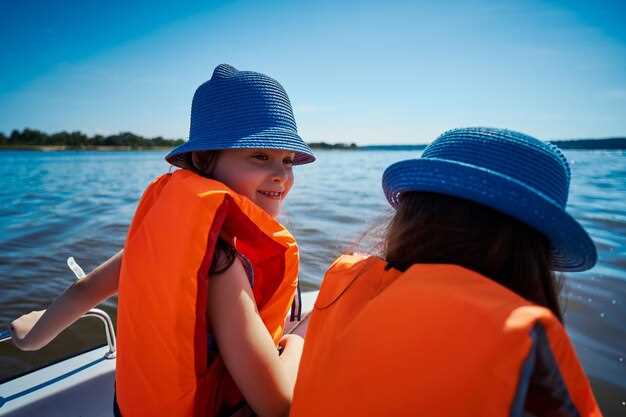
Guard-approved sunscreen with broad-spectrum protection and SPF 30+ is the foundation of a safe on-water routine. Apply generously to the body before you head underway, including hard-to-reach areas behind the ears, on the feet, and along the neck. This practice helps prevent dehydration and reduces rapid skin damage when conditions are general and unpredictable, especially during weekend outings on the coast.
Apply the product 15-30 minutes before sun exposure and reapply after any water exposure or towel-drying. Even if a sunscreen is water-resistant, you could lose protection quickly with heavy movement on a boat, so a quick reapplication is crucial to prevent skin burn and long-lasting damage. Keep a disciplined checklist to ensure you’re wearing protection before a voyage, and dont skip any exposed areas.
To ensure adequate coverage, use about one ounce for full body application, then reapply as needed. Focus on commonly missed spots such as the face, ears, neck, shoulders, back, and feet, and remember to apply to any areas that will be behind a spray or shade, where sun reflection off water can intensify exposure. If you’re wearing protective clothing, sunscreen still helps to plug gaps and guard against sunburn from quick, rapid movements that occur when maneuvering around the engine, lines, and deck fittings. In harsh sunlight, the combination of sunscreen and protective gear becomes a powerful foundation for preventing harm and staying relaxed during the voyage.
During underway operations, have sunscreen easily accessible along with other sun-safe devices and accessories. A small cooler can keep products at a stable temperature in hot conditions, reducing the risk of product separation and keeping cooling measures handy for long trips. Storage in a cooler also supports staying prepared for changing conditions and the need to reapply quickly after water exposure. источник of safety guidance emphasizes reapplication after water contact, especially when fatigue or dehydration signs appear in crew members, so monitor feeling and apply promptly if someone shows signs of sunburn risk or overheating.
Additional tips: reapply after wearing sunscreen for several hours in direct sun, and apply to all exposed skin, including often-missed spots like the backs of the legs and the tops of the feet. Avoid sunburn by pairing sunscreen with hats, UV-rated clothing, and shade when possible. Be aware of rescue and emergency situations; always keep a whistle and life-saving devices within reach, and remember that protection is part of a broader safety routine, not an isolated action. The goal is to keep skin healthy and the boat crew safe, so you’re prepared to handle any weather conditions that arise, wave after wave, without compromising comfort or performance on the coast.
| Checklist | Details |
|---|---|
| Product selection | Guard-approved, broad-spectrum SPF 30+; check expiry; choose water-resistant if you’ll be in the water. |
| Amount and coverage | Apply about one ounce for full body; cover face, ears, neck, shoulders, back, and feet; reapply after water exposure. |
| Timing | Apply 15-30 minutes before sun exposure; reapply every two hours or after sweating/towing/falling overboard. |
| Reapplication after water exposure | Reapply promptly after swimming, towel-drying, or heavy spray; always check for signs of wear or rubbing off. |
| Storage | Keep sunscreen in a cooler or shaded area when underway; avoid extended heat exposure to preserve efficacy. |
| Coverage areas | Face, ears, neck, shoulders, chest, back, arms, hands, legs, feet, and behind knees; don’t miss hidden spots. |
| Supplemental practices | Wear protective clothing, hats, and sunglasses; limit sun during peak hours; maintain hydration to prevent dehydration. |
| Emergency readiness | Keep sunscreen accessible alongside life-saving devices and signaling equipment like flares and whistle; prevention supports rapid rescue if needed. |
Wear Protective Gear and Practice Safe Deck Habits
Protective gear reduces the risk of injuries when you’re on the deck. Wearing a guard-approved vest or life jacket is crucial, with snug fit and securely fastened straps. Sunglasses that block UV rays protect eyes in bright sunlight, and clothing designed for quick drying helps you stay comfortable when spray or sweat makes surfaces damp. Non-slip footwear, a hat, and a light, breathable layer add to overall protection while you’re moving around the deck. Remember to check gear before each trip and replace worn parts–these items can become less effective if neglected.
- Wear a guard-approved vest or life jacket that fits snugly; fasten all straps and check for wear or fraying before you start.
- Use sunglasses and UV-protective clothing to reduce glare from sunlight and spray; consider a hat and sunscreen for long exposure.
- Choose sturdy, non-slip footwear and keep all surfaces clear of loose items that could cause trips or slips.
- Stow gear in accessible places and maintain a clear deck to promote safe movement and easy rescue if needed.
Safe deck habits keep you relaxed and protected. Stay mindful of constantly changing conditions–sunlight intensity, wind, and movement on a rocking surface can quickly alter risk. Never ignore a hint of fatigue or imbalance; taking a moment to check your footing and surroundings is an important habit. Always respect lines, rails, and deck edges, and use handholds and rails when turning or stepping down from elevated areas.
- Keep surfaces dry and free of garbage, water, and loose gear that could cause slips or trips.
- Turn away from the railing when lifting or moving heavy items; never kneel or lean over the edge without support.
- Respect weather and water conditions; if conditions worsen, slow down, stop moving, and reassess your position on deck.
- Use the skipper’s guidance to stay within safe zones and follow the posted safety lines and flags.
Tech tools and resources can help you stay on track. Download safety apps and use a checklist to ensure you follow these steps consistently. Youll find guard-approved options on googleplay and amazon; these apps offer a ready-made checklist and quick reminders for protective gear, surface checks, and safe movement on deck. Use these tools to keep a fresh idea of what to wear, how to move, and when to change positions to stay cool and comfortable while you enjoy the ride.
- Start with the basics: wearvests, wearingsunglasses, and wear non-slip clothing and footwear.
- Follow the safest movement patterns around surfaces and rails; keep hands free and using straps when climbing or descending.
- Check the environment: assess sunlight, shaded areas, and cooling needs; adjust clothing and gear accordingly.
- Maintain a simple, reusable checklist and review it before every trip; you may add notes about conditions and any safety concerns observed.
By prioritizing protective gear and safe deck habits, you’ll reduce risk while staying comfortable and focused on an enjoyable experience for everyone on board, whether cruising near the beach or floating farther offshore.
Dress for Sun: UV-Protective Clothing, Hats, and Sunglasses
On a bright day around the dock, around the beach, or during a weekend outing, proper sun protection starts with clothing that covers the body without restricting movement. Taking sun safety seriously shows respect for your skin and the lines of exposure that influence risk during rapid sun angles. Build a full protection system with UV-protective fabrics, a wide-brim hat, and sunglasses. The required gear includes long-sleeve shirts or rash guards, lightweight pants, and UV-protective vests for extra coverage when you’re moving between sun and shade. Look for breathable fabrics that wick sweat, offer UPF protection, and stay comfortable as the temperature rises. This is not only about protection but comfort, ensuring even cold mornings or hot afternoons feel easy to handle. Adapt for changing weather and environmental conditions, so you stay out longer and enjoy the day. Choose colors that reflect heat, and size that fits every member of your crew, from loved partners to kids, so everyone stays safe, even when you’re in windy conditions on the water.
Hats and sunglasses play a pivotal role in head protection. A wide-brim hat (three inches or more) protects face, ears, and the back of the neck, located on your head for steady protection. Sunglasses should block 100% UV rays and stay secure during movement to reduce glare and protect the eyes. When on deck or at the beach, their protection prevents sunburn around the eyes and on the skin behind them, even on breezy days. Use a whistle to signal breaks and remind everyone to pause when it’s time to retreat to shade; for kids, keep their hats on and their sunglasses within reach. For boat handling, keep the crew aware of knots and rope movement, and encourage everyone to work with hands free so you can respond quickly. Always look out for your loved ones and maintain safety without compromising fun, so everyone stays safe on every outing.
Pratik ipuçları ve dijital yardımcılar: Güneş korumadan haberdar olmak için basit bir kontrol listesi oluşturun. Kalkmadan önce çevreyi, havayı ve tahmini kontrol edin ve sıcak öğleden sonralar veya rüzgarlı koşullar için planınızı ayarlayın. UV yoğunluğunu izlemek veya korumayı ve hidrasyonu yeniden kontrol etmenizi hatırlamak için googleplay'deki uygulamaları kullanın. Kıyafet seçimi için, her kişinin yelek veya gömlek bedeninin uygun olduğundan ve bükülüp döndüğünüzde kaplamanın tam olduğundan emin olun. Düzenli olarak ve güvenli bir şekilde su içmek, nabzınızı istikrarlı tutmaya yardımcı olur; aşırı ısınma kusmaya veya baş dönmesine yol açabilir, bu nedenle kendinizi iyi hissetmeyen biri varsa durun, gölgede dinlenin ve molalar verin. Herkesi—çocukları, ebeveynlerini ve müşterileri—rutine dahil edin, böylece güvende kalabilir ve geziyi güvenle tadını çıkarabilirler.
Son bir hatırlatma: Güneş kremiyle giyinmek, cildinizin arkasındaki ilk savunma hattıdır, böylece günü rahatlayarak ve keyifle geçirmeye hazır olabilirsiniz. Hayatı ve teknedeki sevdiklerinizi korur ve gezmeyi herkes için daha güvenli hale getirir. Kendinizi iyi hissetmezseniz, durun, gölgenin arkasına geçin ve dengenizi yeniden kazanana kadar uygun molalar verin. Güneşten koruyan giysilerinizin uygun boyutta ve düzgün bir şekilde sabitlendiğinden emin olun ve iskele den tekneye, sahilde veya daha uzun müşterilerle yapılan gezilerde hareket ederken şapkanızı ve güneş gözlüğünüzü kolayca ulaşılabilir tutun. Doğru ekipmanla her andan en iyi şekilde yararlanabilir, suda güvende kalmak isteyenler için iyi bir örnek oluşturabilir ve tüm mürettebatın dahil olmasını ve bir sonraki macera için hazır kalmasını sağlayabilirsiniz.
Su İçin ve Su Üzerinde Sıcak Hava İçin Plan Yapın
Hidrasyon ve erişilebilir hidrasyon ekipmanları Taze suyla başlayın ve hafif şişelerden oluşan küçük bir seçki kullanın. Sıcak bir öğleden sonra uzun bir aramayı önlemek için tekne güvertesinde birkaç şişeyi elinizin altında bulundurun. Düzenli aralıklarla içmenizi hatırlatan uygulamaları kullanarak hafta sonu veya tek günlük bir gezi planlayın. Proaktif bir yaklaşım, sıvı dengenizi korumanıza, baş ağrılarını önlemeye ve gölde keyifli vakit geçirirken uyanık kalmanıza yardımcı olur.
Giyim ve gölge ile sıcağa karşı hazırlık UV koruyucu giysiler, şapkalar ve hafif kumaşlar seçin. Rüzgarlı bir günde bile, güneş sudan ve güverteden yansıyarak maruziyeti artırabilir. Gölgede veya kabinin içinde molalar verin ve her yolculuk için koruma kullanın. Çocuklar ve yolcular için planınızı onların boyutlarına ve ihtiyaçlarına göre uyarlayın, düzgün oturan can yelekleri kullanarak ve güverte üzerinde ayakların rahat etmesini sağlayın.
Ekipman ve güvenlik kontrolleri Kalkıştan önce, yangın söndürücünün çalıştığından emin olmak için kontrol edin, tüm güvenlik ekipmanlarının gemide olduğundan ve çalıştığından emin olun ve bayrakların veya sinyal cihazlarının görünür olduğundan doğrulayın. Motorun sorunsuz çalıştığından, su soğutma sisteminin çalıştığından ve sıcak günlerde fanların veya havalandırmanın çalıştığından emin olun. Acil durumlar için bir cep telefonunu şarjda tutun veya gemide bir telsiz bulundurun. Her operator Yolcu sayısı için maksimum kapasiteyi gözden geçirmeli ve teknenin mevcut yüke uygun olduğundan emin olunmalıdır. Bu, kapsamlı bir su üstü güvenlik planının ilk adımıdır.
Isilik hastalığına karşı dikkatli olun ve hızlı hareket edin Isı kaynaklı hastalıklar hızla gelişebilir. Belirtiler arasında hızlı nabız, baş ağrısı, baş dönmesi ve kusma bulunur. Birisi kendini iyi hissetmezse, onu gölgeye taşıyın, giysileri gevşetin, soğutma yöntemleri uygulayın, su yudurtun ve gerekirse yardım isteyin. En önemli adım, vücudu serin ve nemli tutmaktır; nemli bir havlu veya veranda vantilatöründen hava akımı gibi hızlı bir soğuma yöntemi kullanın. Su üzerindeyken ani semptomları görmezden kaçmayın; daha ciddi etkilere ilerlemesini önlemek için derhal müdahale edin.
Su üzerinde operasyon ve ortam Çocuklar ve yolcular için gözetim şarttır; aklı başında tutun. child ve kids görüş mesafesinde tutun ve uygun bağlayıcıları kullanın. Güverteyi çöplerden uzak tutun ve eşyaların denize atılmasını veya fırlatılmasını önlemek için teçhizatı sabitleyin. Su aracının rüzgar ve dalgalarda dengeli kalmasını sağlamak için ağırlık dağılımının dengeli olduğundan emin olun. Düdük ve bayraklar gibi sinyal cihazları el altında bulunmalı ve her kayış veya halat uygun şekilde sabitlenmelidir. En iyi uygulama, molalar planlamak ve rolleri arasında döndürmektir operators ve yolcuları, ayrıca gemideki her öğenin dengeli veya güvenliği tehlikeye atmadan güvenli bir şekilde depolandığını ve erişilebilir olduğunu teyit edin.