


 Türkçe
  English (UK)
  Русский
  العربية
  日本語
日本語  한국어
한국어  Magyar
  Español
  Čeština
  Svenska
  Português
  Ελληνικά
  Suomi
Suomi  Nederlands
  Română
  Italiano
  Français
  Polski
  Українська
  Deutsch
  简体中文
简体中文  Slovenčina
 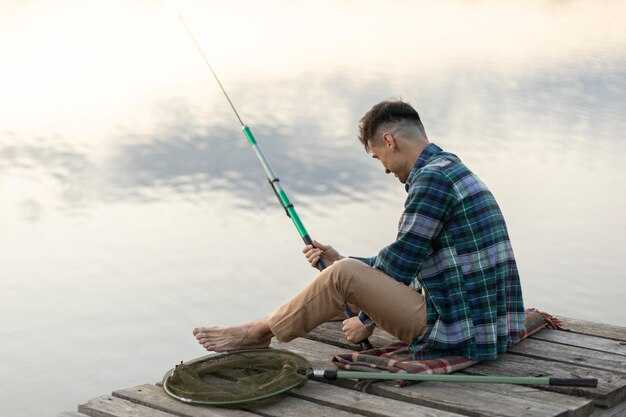 6 Pro Fishing Tips – How to Become a Better Fisherman">

There is one concrete recommendation to jump-start your progress: set up a dependable, compact rig and test it on the water. For an adult angler aiming to improve quickly, use a 6’6″–7’0″ medium-light rod, 8–12 lb test line, and a diameter 0.28–0.30 mm line. Pair with a size 6–8 hook and a small slip-float or light jig. This combo will provide consistent feel and fewer tangles, so you can practice timing and line control more effectively and allow quicker feedback.
Apply a clean casting rhythm: stand with feet shoulder-width apart, keep your shoulder aligned to the target, and use a controlled wrist flick backed by hip rotation. This kesinlikle yapılar strength and accuracy, and you can study images from local events to refine your form.
Read the water by watching weed edges, sunfish haunts, and the first drop-offs near the woods. Identify place where currents converge and baitfish swirl; these spots work well, especially early morning.
Keep a simple kit with extra jigs, hooks, and a spare bobber. If you spot sunfish showing quick movements, try a bright jig on a short line and a slow, irregular rhythm. This approach lets you test different lures quickly and learn what can happen under changing light.
Keep a compact log: date, location, wind, water clarity, lure tried, and result. Review images from your sessions to spot patterns, then apply what you learned next time. A few focused sessions raise your bites per hour and help you place consistent catches.
Advanced Angling Mastery: Practical Steps for Real Results
Start with a precise line diameter check and re-tie all critical knots to prevent failures; this gives you instant reliability on every cast and builds a sturdy platform for training, something you can count on.
Understand water structure by mapping current seams, depth changes, and forage zones where fish concentrate, especially in morning light. Note the colour of the water and bottom, then choose lures and leaders that match the forage and the pattern you expect. For brook and other species, adjust diameter and leader length to the target size; use a 0.12–0.18 mm leader in tight brooks and a 0.20–0.25 mm leader where clarity is higher. Cast unto the bank near weed edges to test how the current influences bait presentation.
Try special, uncommon rigs for shallow, calm runs; a dropper setup with a small bead and a light fluorocarbon leader keeps the presentation natural and reduces line glare, helping fish take easily. In beattie Brook, locals call the stretch beattie, a place to test subtle actions. The brook tests the method under changing light. Channel a superman mindset. Hold the rod with a steady, confident grip, and if a take occurs, lift smoothly and relax your grip. Maintain a deliberate cadence; this approach shines in green weed edges where hides are tight.
At events across various waters, compare results and log what works. Track bite windows as light shifts and adjust your cast angle to keep line quiet; short, controlled sweeps win in tight cover. Understand when to switch from broad presentations to subtle taps; this adaptation reduces the problem of missed takes and improves consistency.
Maintain gear care and place discipline into daily routine: clean reels, examine drag, and replace worn lines or beads. The habit gives training value and translates to real results, with the performance becoming smoother each week. After each session, store gear in a dry place and check knots once more; this simple step prevents surprises and keeps you on track for future catches. This approach has been tested by guides and pros, and it continues to yield reliable outcomes.
Choose the Right Rod and Reel for Your Target Species
Begin with a versatile setup: a 6 ft 6 in to 7 ft rod, medium-light power, fast action, paired with a 2500 reel. This answer gives you sensitivity for shy bites along brush and in brook pockets, plus enough backbone to handle adult fish in moderate current. Ask staff for guidance on line diameter and reel size for your local conditions, but start with 6–8 lb test in clear water or 10–14 lb in stained water. A small fluorocarbon leader (2–4 ft) helps you stay stealthy and keep everything presenting cleanly.
-
Trout, brook trout, and panfish: 6 ft 6 in to 7 ft, medium-light, fast action; reel 1000–2500; line 4–8 lb test; line diameter kept minimal for quiet presentations in shade. Fish near brush and along the bank to locate likely bites; you should be able to lodge the rod in a holder during pauses. This setup is nice for small jigs, live bait, and light lures on clear streams.
-
Bass and larger open-water fish: 7 ft to 7 ft 4 in, medium-heavy, fast action; reel 3000–4000; line 12–20 lb test; consider black braided line with a fluorocarbon leader. This tactic handles cover and be reached through weed edges and open water alike, where you need steady backbone. Use a larger spool to avoid line twist and keep pressure on the fish without overtaxing your shoulder.
-
Walleye and river species: 7 ft to 7 ft 6 in, medium, moderate action; reel 2500–3000; line 6–14 lb test; use a fluoro leader for subtle presentations in clear water. Its diameter is a compromise between sensitivity and abrasion resistance, and you can easily adjust to stealthy, accurate casts to structure and lanes where fish hide.
-
Large predators or heavy cover: 7 ft 6 in to 8 ft, medium-heavy, fast action; reel 5000+, line 20–30 lb test; consider a strong, dark braid for abrasion resistance. In thick brush or fallen timber, a longer rod helps you keep pressure on the fish while you lodge the line and keep the presentation tight. This setup is ideal when you expect big bites after a long beat along bank and rock, and it gives you control where the fish are likely to sit.
Read Water: Identify Structure, Currents, and Likely Hangouts
Start by reading water in three steps: identify structure, pinpoint currents, and mark likely hangouts. For beginners this quick read yields immediate targets and boosts confidence on the water. Note the opportunity to move to better angles; the easier you see early structure, the sooner you can target key spots with precision. Throughout the day, many guides taught this three-zone read as a simple, repeatable routine – and the beauty of it is how fast you can gain confidence and make smarter calls. Never underestimate the clarity a few minutes of water reading gives you.
Identify structure quickly. Scan the shoreline and water column for sunken cover (trees, limbs), rock piles, and abrupt depth changes. Use your eyes to trace weed edges and edge transitions. When you find a point or bend that turns toward deeper water, mark it as a target. Move your boat or adjust your approach so your cast travels along the edge, not across it–this puts the lure into the hold zones where fish sit. Elite anglers and bassmaster competitors stress structure first; regardless of lake or season, structure holds more bites than open water. Note the location of cover that breaks the current and creates an ambush zone. For coaches who teach clients, the structure read builds confidence and speed. The leader mindset follows this rule: structure first, every time. Three cues to watch: cover, ledge, and edge.
Read currents to locate seams. Look for fast water meeting slower pockets, places where a point creates a seam, and eddies behind rocks or brush. These seams concentrate bait and increase your chance to get a bite. Cast up current and drift your lure along the edge, pausing to let the bait sink into the target depth. Use a steady speed on the retrieve; speed up slightly in faster seams and slow down in slow sections. Three-second counts to depth work well for moderate water; in clear lakes you can see depth transitions with your depth finder, if you have one. What happens next often hinges on timing, so keep a mental clock and adjust accordingly. Reels should run smooth to maximize feel and efficiency.
Target likely hangouts and apply a targeted plan. Inside bends, outside bends, and points that drop into deeper water are your primary hangouts. Inside bends hold fish that feed under varying light conditions; outside bends hold cruising fish that ambush from the current edge; points offer a funnel and a quick drop to deeper holds. Regardless of lake clarity, weed lines and timber edges attract prey and bass alike. Use targeting to pick three spots on your map and run through them in order before moving to the next area. Note how many bites you get at each spot and whether your lure should run shallower or deeper to keep pace with depth change. Many followers and coaching clients see more success when they stay disciplined and targeting the obvious ambush zones.
Practical moves you can apply now. Keep reels silky; a smooth retrieve helps you feel subtle bites. Place three casts per structure to verify depth and reaction, then shift downstream to the next structure. Build confidence by repeating this pattern with different lures: a spinnerbait or swimbait on windy days, and a soft jerkbait on calm mornings. The founder of many local clubs and the sport’s leaders would tell you that consistency beats flashes; practice the same routine across three spots per lake, regardless of mood. This habit creates more opportunities, moves your average catch upward, and trains you to read water with elite-level discipline.
Set Up Your Tackle: Hooks, Lines, and Weights to Match Your Lure
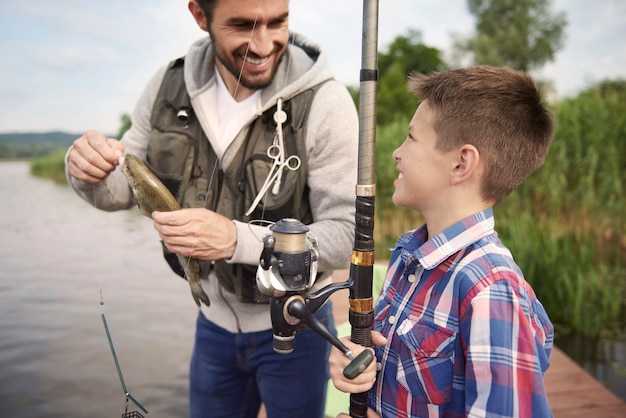
Always start with a braided main line in the 60–80 lb range and a 60–100 lb fluorocarbon leader; match hooks and weights to lure size for the conditions and the windows of opportunity you’re pursuing. For muskies, use bigger gear to handle heavy plugs and aggressive hits, and keep the setup balanced so you can learn quickly and stay confident on the water.
Hooks, not leaders, set the hook. For muskies choose heavy-wire trebles in the 8/0–12/0 range or dependable singles in the 9/0–11/0 range when the lure calls for a stout bite. For smaller lures aimed at smallmouths chasing in lakes, 2/0–4/0 trebles or offset singles keep action clean and reduce missed grabs. Pick rust-resistant finishes (black nickel or mega-strong stainless) and keep gaps matched to lure mouth size; making this fit is the simple step that boosts hookups every time you swing for the front edge of weedbeds or rocky shoals.
Line choice matters as much as the hook. Use braided main line in the 60–100 lb class for muskies, paired with a leader in the 60–120 lb range when you fish through timber or rough rock. If you target smallmouths in clear lakes, a 10–20 lb fluorocarbon leader pairs well with mid-weight plugs. Wire leaders are an option for razor-sharp teeth or heavy cover, but they reduce feel; test both in local waters to see what gives you the best balance. After tying, run a quick patrol of the knot to verify security.
Weights must match lure weight and technique. Start with jig heads around 1/4–3/8 oz for finesse presentations; switch to 1/2–2 oz for mid-size swimbaits; for big musky baits, 3–6 oz or more keeps your lure deep and lively in current or wind. In backcountry lakes with deeper structure, use the heavier end; in calm, shallow bays, lower the weight to improve the lure’s action and sound.
A simple rule: heavier gear for bigger, louder lures; lighter gear for smaller, more subtle baits. This approach makes it easier to control the drop and anticipate the hit, which improves your learning and confidence over multiple sessions, last season on the water highlighted how small changes added up. If you fish with a buddy like mike or a lady angler on a local lake, share notes after each outing; multiple small changes add up to a big gain over the season.
Hızlı değişim kiti hazır bulundurun: ekstra kancalar, farklı uzunluklarda yedek liderler ve çeşitli boyutlarda ağırlıklar. Bu düzenleme, ekipmanınızdaki boşlukları en aza indirir, suda güvende kalmanızı sağlar ve ister ücra göllerde yayın balığı avlıyor olun ister Brook dereleri boyunca küçük ağızlı levrek kovalıyor olun, her avınızda gelişmeye odaklanmanıza yardımcı olur. Sürekli ayarlama sizi daha hızlı, daha hassas ve günün getireceği her şeye hazır hale getirir.
Su Sıcaklığına ve Sezona Göre Yem ve Suni Yem Eşleştirme
Bir sıcaklık merdiveni kullanın: Soğuk su, daha derin ve daha yavaş kurulumlar gerektirir; sıcaklıklar ilkbahara doğru yükseldikçe, orta boy yüzme yemlerine ve çok yönlü krank yemlerine geçin; sıcak günler ise hız ve su bitkisi hattı pusularını destekler. Bu yaklaşım, yemleri olası beslenme dönemleriyle hizalayarak size anında bir avantaj sağlar.
- Soğuk su (10°C / 50°F'nin altında)
- yemler ve suni yemler: craw römorklu jigler, ince silikon yemler (3–4 inç), drop-shot takımları ve derine dalan krank yemleri, hepsi kompakt tutulur
- Kurulumlar: florokarbon veya örgü-floro liderler kullanın, hassas avlar için 6–12 lb misina ve 1/8–3/8 oz jig kafaları; fırçalıkların etrafında ve yosun kenarlarının ötesindeki daha derin eyerlerde balık avlayın
- nerede balık tutulur: daha derin düzlükler, yavaş yavaş alçalan kıyı şeritleri ve düşüşün yakınındaki yapılar; ilkbaharda sabah erken veya akşam geç saatlerdeki zaman aralıkları en verimli olanlardır
- davranışlar: dipten gelen yavaş, dokunsal hissi ara; balıklar daha uyuşuk olduğu için soğuk suda ince ısırıkları okumayı öğrenmeye devam et
- Geçiş (10–16°C / 50–60°F)
- yem ve suni yemler: dudaksız krank yemler, orta boyutta yüzen yemler (4–5 inç), yaratık yemleri ve kompakt bıçaklı döner kaşıklar
- ayarlar: kerevit römorklu 5–14 gr jigler, 5,5–6,5 kg misina ve hem çalılık hem de açık suyu tarama çok yönlülüğü; rengi doğal yeşillere ve kahverengilere doğru ayarlayın
- Nerede balık tutulur: Yabani ot hatlarının kenarları, yüzeyin 50–150 cm altındaki fırçalıklar ve sığ koylarla daha derin havzalar arasındaki geçiş bölgeleri
- desenler: değişen okul etkinliğine ve artan su berraklığına dikkat edin; daha berrak su dönemleri genellikle daha agresif ısırıklarla ilişkilidir
- Ilık su (16–21°C / 60–70°F)
- yem ve suni yemler: daha büyük yüzen yemler (13–18 cm) ve titreşimli jigler, chatterbait'ler ve orta ila hızlı hareket eden crankbait'ler
- kurulumlar: 1/2–3/4 oz jig veya daha ağır kafalara sahip yüzücü yemler kullanın; daha uzun atışlar için 12–20 lb misina; yabani ot hatlarını ve burunları sabit, orta hızda avlayın
- Nerede balık tutulur: yosun kenarları, güneşli düzlükler ve fırça ile kamış çevresindeki cepler; Ontario gölleri, bahar sıcaklığında cephe sonrası güçlü beslenme gösterir.
- desenler: sabahın erken saatleri ve akşamın geç saatleri yüzey vuruşlarıyla aydınlanır; güneş suyu ısıttıkça öğle saatlerindeki ısırıklar orta derinlikteki örtüye kayar
- Sıcak günler (>21°C / >70°F)
- yemler ve suni yemler: hızlı hareket eden yüzen yemler, kare dudaklı/krank yemler ve titreşimli yemler; gündoğumundan sonraki ilk saat içinde su üstü sahteleri
- Hazırlıklar: Hız ve çeviklik için daha hafif kafalar kullanın, 6-9 kg misina kullanın ve hızlı değişimler için yedek, daha hafif bir hazırlık bulundurun; sığ, güneşli düzlükleri ve ot ceplerini hedefleyin.
- nerede balık tutulur: çalı yakınındaki sığ yapılar, yeşil ot hatlarının kenarları ve akıntı bölgelerine bitişik noktalar
- desenler: parlak ışık altında sürü halinde gezen balıkları ara; yemlenme aralıkları kısalır, bu nedenle avlak noktaları arasında hızla hareket etmeye hazır ol
Dönemler boyunca esnek bir duruş sergileyin ve suyun hissini takip edin. Ontario bölgesindeki balıkçılar ilkbaharda genellikle iki belirgin değişim görür: sezon başı çalılık ve su yosunu hattı faaliyeti, ardından sezon ortasında daha derin, daha serin ceplere geçiş. Müşteri tarzı kurulumlardan oluşan kompakt bir set bulundurun, böylece duraksamadan uyum sağlayabilir ve kalıp tanıma yeteneğinizi keskinleştirmek için atışlar arasında kısa bir öğrenme döngüsü uygulayın. Yemleri sıcaklığa ve mevsime göre eşleştirerek somut bir avantaj elde eder ve tahminlerin peşinden koşmak yerine oyuna odaklanırsınız.
Usta Atış ve Geri Alma: Tempo, Duraksamalar ve İğne Oturtma
Kural: Çekişinizi beklediğiniz derinliğe ve vuruşlara göre ayarlayın. Ritmi derinliğe uydurun, misinaları kamış ucunda gergin tutun ve vuruşa odaklanın. Temiz bir atış yaptıktan sonra, kasıtlı olarak 0,5 saniyelik bir duraklama ve ardından 6 ila 8 kez tekrarlayarak 60 ila 90 cm'lik bir makara hareketi yapın; zamanlamayı sabitlemek için her geçişte tekrarlayın. Bu yaklaşım ilk teması netleştirir ve kaçırılan vuruşları azaltır.
Yıl boyu balık avından alınan ipuçlarıyla, hızı su sıcaklığına ve görüş mesafesine göre ayarlayın. Serin, taze sabahlarda yemi daha derine bırakın ve araları uzatın; parlak, sıcak öğleden sonraları araları kısaltın ve daha agresif sarın. Misinaya odaklanmak, belirgin olmayabilecek hafif vuruşları tespit etmenize yardımcı olur. Misinaya uygulanan basınç ile yemi vuruş bölgesine doğru hareket ettirme dürtüsü arasında ince bir denge vardır.
Misina çapı ve sahte yem aksiyonları üzerine yapılan araştırmalara göre, en iyi performans gösterenler donanımlarını duruma göre uyarlar. Berrak sularda, daha ince çaplı bir misina hassasiyeti artırır; yoğun bitki örtüsünde ise daha kalın çaplı bir misina takılmaya karşı direnç gösterir ve bir şeylerin içinden çekmenize yardımcı olur. Farklı kombinasyonlarla pratik yaptığınızda, yakalama oranlarında başarılı bir artış göreceksiniz.
Kapalı yüzlü makaralar sorunsuz bir öğrenme süreci sunar, ancak arızalara karşı dikkatli olmalı ve buna göre ayarlama yapmalısınız. Atışta boşluk veya zorlu bir geri sarma gibi şeyler fark ederseniz, kalama ayarını hafifçe sıkın ve daha hafif bir yem deneyin. Oradan, koşullar izin verdiğinde daha fazla kontrol için çıkrık takımlarına geçin, bu da genel doğruluğu artırır.
Kancalar kasıtlı ve kendinden emin bir hareket gerektirir. Bir vuruş hissettiğinizde, omuzunuzla kamışı hızla çekin ve kancayı ağızdan geçirin; ardından vuruşu tamamlamak için sabit bir gerginlik sağlayın. Isırmayı hissettiğiniz anlarda hızlı ve temiz bir tepki vermeyi hedefleyin ve enerji harcayan ve vuruşun amacını kaçıran sarsıntılı bilek hareketlerinden kaçının.
Bölünmüş antrenman seansları, ihtiyacınız olan içgüdüleri geliştirmenize yardımcı olur. Hıza ve duraklamalara odaklanan alıştırmalar ile hassas kanca takımlarına odaklanan seanslar arasında geçiş yapın. Tutarlı, kısa seansların aralıklı, uzun çabalardan daha iyi sonuç verdiği gösterilmiştir; gelişme, balık tuttuğunuz her gölde ve nehirde kendini gösterir. Yöntem, şimdiden rehberlerin ve balıkçıların güvenini kazanmıştır.
| Koşula göre hızlı başvuru | |
| Koşul | Tip |
|---|---|
| Sığ, berrak su | Kısa duraksamalar, daha hızlı makara artışları, his için ince çaplı misina |
| Derin su veya yoğun bitki örtüsü | Daha uzun duraksamalar, daha yavaş geri alma, takılmaya karşı daha kalın misina |
| Taptaze, serin sabahlar | Daha derine at, zirve duraklamasında tutma süresini artır, gerekirse daha ağır yeme doğru eğil. |
| Yıl boyu pratik | Tutarlı bir ritim sürdürün; kural tabanlı kararları iyileştirmek için süreleri ve çekimleri kaydedin |
Balıkları ve Habitatı Korumak İçin Hızlı ve İnsancıl Bırakma Uygulaması
Hızlı ve insancıl şekilde bırakın: Balığı iğneden çıkarırken suda tutun, bırakma işlemini anlık bir ritimle, ideal olarak 30 saniye içinde tamamlayın ve kancalı iğne kullanmayın; bu anlık ritim zamandan tasarruf sağlar ve stresi azaltır.
Islak ellerle balıkları nazikçe tutun ve solungaçlarına veya gözlerine dokunmaktan kaçının. Karnının altından destekleyin, balığı yatay tutun ve canlanması için nazikçe akıntıya geri bırakın; balığın tekrar nefes alıp almadığını kontrol etmek için serbest bırakmadan önce saniyenin onda biri kadar duraklamayı hedefleyin.
Ontario sularında tekneden balık tutarken, havayla teması en aza indirmek için dipten yukarıda kalın ve özellikle aktivite ve solungaç tepkisinin değiştiği sonbaharda balığı dik olarak geri bırakın. Kaldırmanız gerekirse, başı kuyruğun üzerinde tutun ve bükülmekten kaçının; bu, iyileşmeyi hızlandırır ve vücudu sağlam tutar.
Ne Takip Ettiğini ve Ne Yapabileceğini Bil: Ontario sularında, yuvarlak kancalar veya kancası olmayan tekli kancalar bağırsak yaralanmalarını azaltır ve salınımı hızlandırır. Hedeflediğiniz türleri (sudak, levrek, güneş balığı) ve onların düzenlerinin hedefleme başarısını nasıl etkilediğini ve morarmaların hızlı müdahaleye nasıl tepki verdiğini anlayın. Son zamanlarda, ellis taktik ipuçları, diğerlerinin Ontario gölleri ve nehirleri boyunca habitat kalitesini korumasına yardımcı oldu.
Hızlı salmada ustalaşmak, güzel bir rutinle başlar: ekipmanı hazırla, kancayı çıkarma alıştırması yap ve balığın hissine dikkat et. Küçük bir prova, zamanlamayı doğru yapmanı sağlar, bu da süreci hızlandırır ve yaşam alanını korur. Rüzgarın arttığı veya suyun dalgalı olduğu zamanlarda, sakin ve kasıtlı bir ritim tutmak ilk başta zor gelir, ancak tempoya girdiğin anda, balığı suya geri verirken ve iyileşmesini izlerken su sesinin kaybolduğunu duyarsın; o saniyelik sakinlik, büyük popülasyonların gelişmesini sağlayabilir.