


 Türkçe
  English (UK)
  Русский
  العربية
  日本語
日本語  한국어
한국어  Magyar
  Español
  Čeština
  Svenska
  Português
  Ελληνικά
  Suomi
Suomi  Nederlands
  Română
  Italiano
  Français
  Polski
  Українська
  Deutsch
  简体中文
简体中文  Slovenčina
 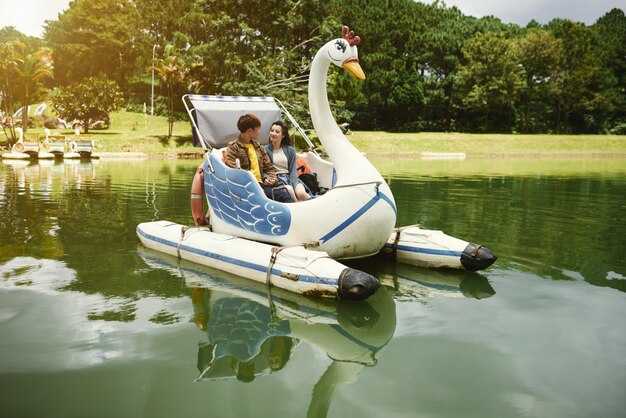 15 Fun Boating Games to Play On-Board – Family-Friendly Boat Activities">

Begin with one quick, easy deck pastime now and rotate every hour for variety on a pontoon. Set up a single, clearly marked station and keep rounds to around 10–12 minutes. This approach minimizes thinking, keeps the group moving, and makes it easy for newcomers to join without delaying the next activity.
Fifteen ideas are designed as short rounds that deliver enjoyable moments and build lifelong skill. Whether you’re traveling with youngsters or adults, these pursuits are easy to pick up, require minimal equipment, and are flexible to weather or space constraints.
To keep safety and flow, use anti-slip mats on all standing surfaces, issue simple, clear instructions, and deploy a timer so rounds end on time. If you’re looking for involvement, you’ll see kids and adults take turns directing a round, while others observe and cheer.
Benefits go beyond silliness: these short bouts boost balance, listening, and thinking under gentle pressure. They also offer a lifelong habit of cooperative pastime that translates to everyday life, whether you’re docked at a marina or floating between markers.
Keep youngsters involved by assigning roles: captain, timekeeper, and navigator. A clear goal each round keeps focus, while rotating tasks gives everyone a chance to lead. This structure is bringing energy and smiles to the deck even when seas are calm or choppy.
Before departure, prepare a simple kit and a short rules sheet to reduce friction: colored markers for tasks, a small ball or buoy for tossing, and a checklist of practical safety steps. The plan will stay easy to adapt and would look for improvements as you gather feedback from youngsters and grownups alike.
Smart Planning for On-Board Fun: Quick, Space-Saving Games and Rug Tips
First, switch to a 15-minute scavenger session that uses a single rug as the playing field; theres minimal setup and three quick roles guide the challenge: colors, items, and clues. This is first in the sequence.
Pack a compact kit: checkers board (foldable), a small deck of cards or tiles, a handful of color cloths, a non-slip mat, and a few foam floats as tokens; these things enhance engagement while staying lightweight and easy to store.
Session structure: three rounds–scavenger-items hunt, checkers moves in a tight time slot, and a color-spot challenge; that gives players a choice of tasks; winners earn a lightweight prize, others receive a token, and the system provides guaranteed participation and quick reset.
Rug safety and comfort: use a non-slip pad under the rug, avoid moisture on deck, and check for sharp edges; during summer, glare can affect color cues, so remind crew to wear jackets when breeze picks up, and keep the rug within reach of the bench so it doesn’t slip; knock minor bends flat when needed.
Tell the crew that this plan is appropriate for limited spaces and quick sessions; when you want variety, switch between scavenger challenges and checkers rounds, or try a three-color race on the rug; this approach provides guaranteed participation, creates a creative deck of tasks, and keeps everyone engaged as you join new rounds.
Pre-Trip Game Kit: Pack List, Space Allocation, and Easy Setup
Recommendation: consolidate eight must-have items into a waterproof tote with a clear insert; this speeds setup aboard, reduces spill risk, and fuels memorable experiences for guests aboard boats and on several ships. theyre organized in labeled pockets, so finding each piece is fast even when seas are rough, catching laughter and engagement together during lulls or long passages, while fostering learning and catching moments of triumph from every player.
Space Allocation prioritizes immediate access and stability. Set a folding table around 24×36 inches on the centerline or port side, with a non-slip mat beneath. Place the tote under a seat or in a dry locker within arm’s reach, and reserve a nearby shelf for small piles of tiles, cards, or markers. Tall items go toward the back; short items toward the edge to prevent tipping during rough water. Keep all pieces within a 12-inch drop zone from the table edge. For themes, youd rotate quick challenges to keep engagement high and experiences fresh for guests.
Pack List
| Item | Qty | Notlar | Storage/Space |
|---|---|---|---|
| bananagrams tiles | 1 | Tile set with bag; 144 tiles; supports learning and word-building | In tote, side pocket |
| card deck or Uno set | 1 | Standard cards or UNO; for fast word and memory challenges | Top tray |
| dry-erase boards and markers | 2 boards + 2 markers | 4×6 inches; eraser optional | Front-plate tray |
| timer | 1 | 2-minute sand timer or digital | Within reach of table |
| memory cards | 1 | Simple 16–24 pair set | Under-table bin |
| Olympics-themed challenge cards | 1 pack | 10–12 quick challenges; boosts engagement | Drawer in tote |
| score pad and pencil | 1 | Waterproof cover recommended | Table groove |
| mini first-aid kit | 1 | Basic injuries care; include bandages | Dry locker |
Easy Setup Steps
- Unfold the table, place on a stable surface, and lay a non-slip mat down.
- Open tote, arrange eight items into a quick-access zone: bananagrams tiles in their bag, card deck, two dry-erase boards, timer, memory cards, Olympic challenge cards, score pad, and first-aid kit.
- Place tall items toward the back of the table, shortest pieces near the edge to prevent tipping during rough water.
- Turn markers and eraser accessories into a labeled pouch; secure with Velcro strip to prevent loss.
- Assign a quick role to guests (host, facilitator, scribe) to boost engagement; youd rotate roles for a dynamic experience, adding a player-focused twist.
- Explain one short activity per round and reset in under 60 seconds for fast-paced sessions, keeping laughter high and attention sharp.
- Close with a quick safety check: nothing should extend beyond the table edge; move liquids away from tiles or paper.
Card and Word Games You Can Play in Tight Boat Spaces

Start with a compact deck and magnetic tiles; limited space demands lean rules and fast rounds. A poker-inspired bluff will heighten tension, while a clean scorecard keeps the group engaged and the atmosphere lively; those tweaks often boost self-esteem and ensure everyone stays involved, even with rough weather ahead, especially in the summer.
Gear and setup
- A slim deck of playing cards and a handful of chips or tokens for scoring
- Magnetic letter tiles or lightweight word chips that cling to a metal tray
- A foldable tray or damp-wipe board to prevent spills
- Clip-on weights or a towel to stabilize the surface
- A compact anchor line or suction cup to secure the edge of the table
- Color markers for quick clues and a small noodles snack for a brief recharge
- A waterproof scorepad or notepad for tallying points
- Five-Card Poker Quick Sweep
- Participants: 2–6; each round uses a 5-card hand; stakes are tokens, not money
- Rules: deal 5 cards per player; players may fold or raise using fixed limits; after a short betting phase, reveal hands and assign points based on standard ranks
- Scoring: highest hand earns points equal to its rank (e.g., pair = 2, flush = 5); track totals on the waterproof pad
- Space-fit tips: hold cards with one hand, place chips near the edge, and keep moves crisp to fit into a few minutes
- Word-Chain Relay
- Setup: start with an anchor word (for example, anchor) and place the first tile or write it on the board
- Rules: each player adds a word that connects semantically or by a shared letter; no repeats; a miss or invalid link incurs a small penalty
- Scoring: 1 point per valid addition; bonus for chaining three or more letters into one longer word
- Space-fit tips: limit rounds to 2–3 minutes per cycle to keep momentum
- Magnetic Letter Scramble
- Setup: lay magnets on a small metal tray; set a 2-minute timer
- Rules: form as many valid words as possible from the available tiles; longer words score higher
- Scoring: award 1–5 points per word based on length; no duplicates allowed in a single round
- Space-fit tips: rotate players to keep everyone engaged; use colors to group categories (short, medium, long)
- Spot and Toss Challenge
- Setup: label a compact target board with numbered spots; place a few lightweight tokens nearby
- Rules: players toss a token to land on a spot; each landing reveals a word clue or color cue
- Scoring: correct hits award points; incorrect throws yield zero; first to a set threshold wins the contest
- Space-fit tips: keep throws within arm’s reach; use the spot to guide a quick word or color task
- Group Story Toss
- Setup: pick a summer-themed starter sentence on the notepad
- Rules: each player adds a sentence in turn; aim for a cohesive mini-tale tied to a single color or image
- Scoring: collective creativity earns a team score, with bonus for unexpected twists
- Space-fit tips: keep contributions short; use a timer to prevent derailment
Tips for a smooth session
- Keep each round limited to 5–7 minutes to maintain pace and prevent fatigue
- Rotate moderators to sustain engagement and avoid stalemates
- Reinforce packing discipline: bring only essential items, label spots, and stash noodles or light snacks for quick breaks
- Use a simple scorecard to track progress; losing momentum is prevented by frequent small wins
Using a 6-Checkers Rug: Setup, Variants, and Secure Storage
Securely anchor each corner with weights on a dry, relatively flat deck to prevent rocking and shifting during movement at sea since conditions can change.
Layout and boundaries: mark a clean playing area with tape or chalk, ensuring space for multiple groups and for those nearby to observe without crowding the surface.
Variants: solo challenges, pair rotations, and multiple groups cycling through themes such as nautical signals, sailboats silhouettes, color-pattern sequences, and geometric layouts, plus a lighthearted ‘chicken’ corner rule for quick rounds.
Edge handling: place a pool noodle along the rug edge to create a soft boundary and add buoyant feedback when the deck rocks the surface.
Storing and handling: after sessions, shake out any moisture, roll or fold the rug, and store in a dry bag or under a shaded deck locker to protect from sun, keeping weights together in a labeled container.
Benefits and opportunities: this setup promotes creative thinking and offers opportunities for those with different experience levels to participate; the themes support nautical curiosity and tangible learning outcomes.
Preparation and trying: assemble six checkers, six weights, a pool noodle, towels, and a waterproof bag; test the arrangement on calm conditions to ensure the surface remains stable when weights are added and the rug is in use.
Storage and safety: store the components together, keep the rug flat when not in use, and check anchoring before redeploying on days with stronger deck movement.
Active and Cooperative Games for All Ages and Skill Levels
Start with a two-team cornhole-style challenge using soft floating targets and bright colors, enforcing a two-foot distance to keep injuries away; this easy setup gets minds working, creates memorable moments, and proves every participant can contribute.
Set up a noodle relay that involve groups pass soft noodles between teammates while using verbal cues to keep everyone in sync; instead of chasing single glory, you tell teammates when they should switch, keeping the mood cooperative and inclusive. youd avoid confusion by using a simple signal.
Try marauders-away drills: two teams defend a floating target while teammates attempt to move a marker toward the opposite side; this requires minds, balance, and steady footing, especially when waves push the float during rides. Run a compact olympics circuit with five stations–color-match, noodle carry, target toss, balance walk, and cooperative carry–to keep every participant involved, taking on each challenge and earning a shared sense of achievement.
To accommodate all ages, label tasks by difficulty and offer adjustable levels: the two-foot rule remains, but you can drop to a one-foot line for younger kids, or extend to three feet for thoughtful adults; always have a quick regroup after each round to prevent injuries and keep minds calm. Youd switch to a slower task if someone hesitates, recheck grip and stance, avoiding unnecessary risks while groups stay engaged.
The essential idea is inclusivity: rotate leaders every round, ensure every participant can contribute, and celebrate small wins with color badges; this approach keeps distractions away, makes the entire journey memorable, and discourages injuries by promoting calm, controlled movements. Colors help signal roles and make transitions clear.
Simple Rules, Scoring, and Safety Tips for Family Play
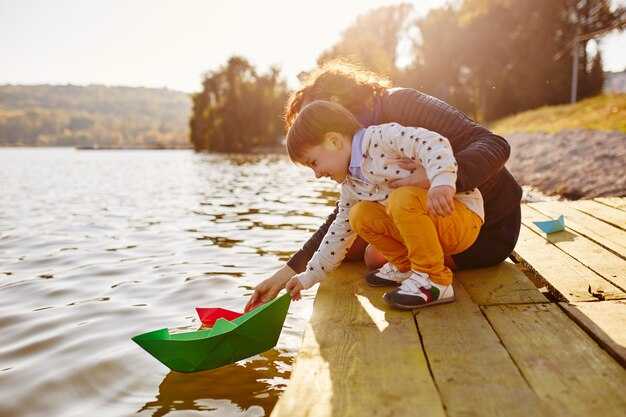
Begin with a quick, single-set circuit that uses cards and clues. Cap each round at ten minutes to keep the atmosphere brisk and the excitement high. Everyone wears a life jacket when near the edge, and a designated coordinator tracks points on a wipeable tally. Although compact, this boardactivity provides healthy challenges and experiences for adults and kids alike, and it invites creativity, laughter, and entertainment, involving the whole crew.
- Rules at a glance
- Station A: clues and landmarks hunt – use a deck of cards labeled with coastal landmarks; solve a clue to locate the landmark on a map; correct answer earns 3 points.
- Station B: cornhole toss – flat deck surface; toss bags toward a marked hole; bag in hole = 5 points, near edge = 2, miss = 0.
- Station C: light joust – pairs face off with soft paddles against a foam target; first to score 2 hits earns 2 points; rotate rounds to involve everyone.
- Scoring and rounds
- Track scores with cards or a whiteboard; keep three rounds; after round 3, declare the winner or a tie-breaker with a quick duel.
- Versions exist for younger players: shorten rounds to 6 minutes; use bigger targets and 2-point rewards for engagement.
- What this method provides
It gives a structured entertainment flow that involves the whole crew, minimizes chaos, and reduces fatigue on longer trips.
- Safety first
- Life jackets are mandatory when underway or near the rail; adjust for child size and fit; check straps before use. Keep a jacket handy for quick wind changes.
- Stow equipment securely; keep cords and props away from rails; ensure non-slip footwear on wet surfaces.
- Assign a supervisor; maintain clear callouts; establish a whistle cue to pause during rough weather or if someone slips.
- Tips to boost enjoyment
- Rotate roles to keep adult and younger participants active; narrate actions for creativity and to keep atmosphere lively.
- Use cards with clues and a simple map; integrate a mini-marauders theme for flair while staying safe.