


 Türkçe
  English (UK)
  Русский
  العربية
  日本語
日本語  한국어
한국어  Magyar
  Español
  Čeština
  Svenska
  Português
  Ελληνικά
  Suomi
Suomi  Nederlands
  Română
  Italiano
  Français
  Polski
  Українська
  Deutsch
  简体中文
简体中文  Slovenčina
 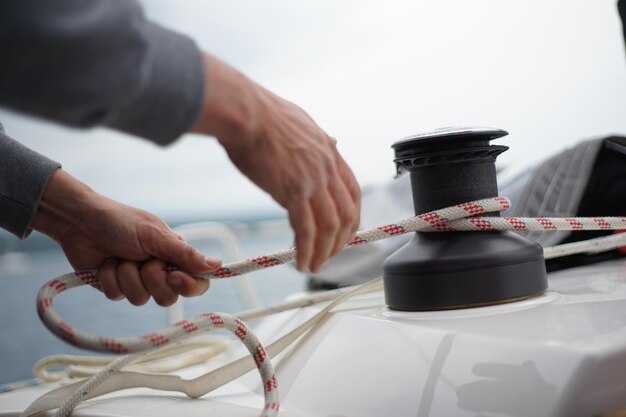 12 Most Common Boating Mistakes and How to Avoid Them – A Practical Guide">

Recommendation: cross-check forecast, maintain a pre-departure planning checklist, plus navigate with a focused crew to stay safer in wind, around docking zones, where distracted moves are common.
Inexperienced operators often neglect flotation gear; ensure every person wears a properly sized life jacket; confirm flotation devices are accessible before engines start; respect the capacity rating; avoid overloading the craft to reduce flotation risks.
Although a simple approach helps, practicing docking in calm water builds basic seamanship: trim sails for wind direction, adjust throttle smoothly, keep hands on the wheel to prevent missteps. This readiness is best reinforced with periodic drills aboard.
News from trusted sources says weather can shift rapidly; always check updates before leaving the harbor; assign a lookout to spot hazards; clear communication between crew members reduces risk during close-quarters maneuvers near moorings; using charts helps prevent getting lost in channels.
To finish, stay mindful of sickness signs when rolling seas appear; drink water, avoid heavy meals; keep a dry, stable position; this supports planning; keeps you safer wherever you navigate.
Prevalent Watercraft Errors and Navigation Pitfalls to Prevent
Perform a thorough pre-trip check of propulsion system.
Verify safety gear before leaving the dock.
Need to adjust speed in shallow water.
Learn navigation in unfamiliar waters using charts, GPS overlays, radar when available.
Opt for the easiest route in low visibility.
Mark your trip route on a waterproof map; monitor weather forecasts, winds, tides.
Limit speeds while close to shallow shoals.
Rely on buoyage in unfamiliar channels; their meanings reduce misreads.
Glare from sun rays reduces visibility; wear polarized sunglasses; adjust visor height.
Onboard safety gear checklist: life jackets, throwable device, fire extinguisher, flares, VHF radio, whistle; expiry dates verified.
Safety checks cover basic items, including PFDs, signaling devices, flare kits.
Propulsion maintenance: inspect engine oil, coolant, fuel lines; replace stale fuel.
Trip planning includes route options, fuel calculation, alternates in case of weather; check regulations in county.
Practice with an experienced skipper; practicing in small increments builds confidence.
Leaving harbor during low light requires proper lighting; verify navigation lights meet regulations.
Weight distribution, gear stowage, passenger briefings contribute to stability; larger loads raise risk in rough water.
Water conditions, tide changes, current shifts create navigation risks.
Learn from inexperience by debriefing after each trip; note where regulations or gear fails.
County compliance checks require up-to-date registration; safety gear; signaling devices.
Remember basic safety priorities: crew brief; location of PFDs; radio channels; practice discipline amid busy water.
Much risk may arise from inexperience; training reduces exposure during initial trips.
If issues arise during transit, switch to safety protocols.
Participate in supervised practice; experienced skipper mentoring accelerates learning.
Repeat drills to maintain readiness; practice scenarios during calmer sessions.
Need to monitor changes in weather regularly; update plan accordingly.
Pre-Departure Weather, Route Verification, and Risk Checks
Before departure, check the forecast 24 hours ahead; recheck two hours prior; adjust plans if winds reach hazardous thresholds or seas exceed safe limits. Identify times when daylight fades; showers reduce visibility; dehydration risk rises in heat. Kids require extra fluids; maintain supply of water electrolytes. Many incidents are preventable through disciplined prep; weather shifts, leaving times, crew capability require addressing risk as part of daily practice. Sails stay trimmed; sails plan simplified; anchor lines ready; VHF radio tested. This process can become second nature for sailors. That routine increases sailing safety; practicing quick adjusting of sails boosts navigating skills; away from hazards becomes easier.
Route verification requires cross-checking GPS route against paper charts; confirm waypoints; identifying hazards; shoal zones; alternate routes. This practice reduces misnavigation during busy passages. cioè-peña serves as a reminder for addressing risk during busy sailing times.
Risk checks focus on crew readiness; contingency planning; safe operations. This approach can become routine for crews. Confirm PFDs for kids are properly sized; test VHF radio; review weather, fuel, battery status; establish a simple escape plan; dehydration precautions addressed; identify potential ballast excess loads as a hazard in rough weather.
| Item | Action | Notlar |
|---|---|---|
| Weather review window | 24 hours pre-departure; recheck 2 hours pre-departure | Wind thresholds; seas; visibility |
| Route verification | GPS route; paper charts; identifying hazards; shoal zones; alternate routes | Reduces misnavigation; supports navigating safely |
| Crew readiness | Kids PFDs sized; life jackets in good condition; VHF test | Passenger safety; reliable comms |
| Anchoring plan | Assess anchorage options; wind shift prep; practice quick anchoring | Avoid excess deck movement; secure hold |
| Hydration plan | Water; electrolytes; scheduled breaks | Prevents dehydration; sustains energy |
Weight, Balance, and Passenger Capacity
Before launch, verify payload; capacity plate doesnt include nonessential ballast; keep total weight under limit; place weight near center of the boat.
- Plate interpretation: Payload value equals max load for people; gear; fuel; plate doesnt include nonessential ballast.
- Fuel weight estimate: up to 20 gal; density approximately 6 lb per gal; fuel weight about 120 lb.
- Remaining payload: if plate shows 800 lb; minus 120 lb equals 680 lb for passengers plus gear.
- Occupant load example: three occupants; 180 lb each; total 540 lb; gear capacity remains 140 lb.
- Load distribution: heavier items kept low; gear placed toward center; balance weight toward port; balance toward starboard; limit difference to roughly 140 lb.
- CG check: CG must stay within envelope during operation; shifting occupants toward one side can cause unexpected steering; with a significant shift, loss of stability possible; maintain middle CG during navigation of activity.
- Beginner tip: reduce occupancy today; lighter load yields easier handling; this requires proper planning; those starting out, theyre mindful of balance during every move.
- Fatigue factor: fatigue reduces focus; this causes errors; stop for breaks; checking remains critical today.
- Signs of imbalance: bow rise; stern dip; yaw; if any appear, pause activity; redistribute weight; then continue.
- Yearly practice: payload decisions change over time; weight of crew, gear, fuel shifts year after year; operator should revisit the same checks before each trip.
- Float plan for ballast: bring plenty of ballast such as bags or cans; those with plenty of room on board place ballast low and center; avoid placing ballast high; this improves stability today.
- Final caution: ensure those aboard contribute to proper understanding of capacity; lack of planning can bring loss of control; if any doubt exists, postpone activity until balance improves.
Safety Gear, Equipment Checks, and Regular Maintenance
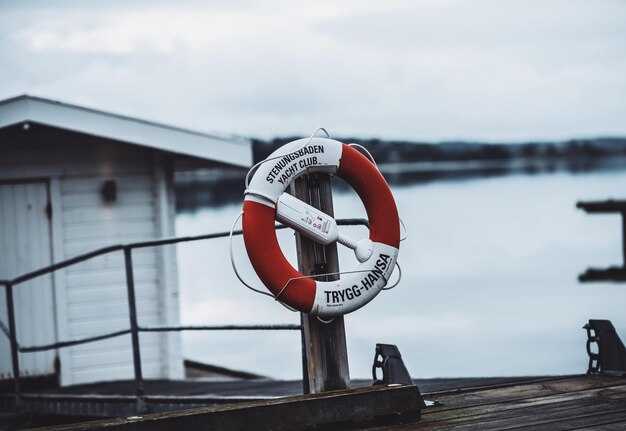
Begin with a focused safety gear check. Perform a quick review of each crew member’s equipment: lifejackets are USCG-approved; properly sized for kids; fastened securely. Inspect signaling devices; a throwable float; fire extinguisher; spare batteries for electronics. Confirm the engine kill switch functions; verify bilge pump readiness. Bring yourself a checklist to todaycom for records.
Establish a maintenance routine with distinct intervals: daily pre-departure checks for hull, engine fluids, battery status; weekly inspection of rigging, lines, hoses; monthly service of engine, propeller, seals; quarterly tests of electrical system, navigation lights. Replace worn components with certified parts; store spare fuses; store spare bulbs on board. stemming from wear, inspect hoses; clamps.
Plan maneuvers to minimize abrupt changes; monitor weather; observe tides; track current. Prioritize reducing sudden course shifts; adjust speed to conditions; keep clear of traffic; log changes in the todaycom record. Note any change in conditions. Ensure electronics display tide data; weather alerts; route guidance in real time.
Kids safety: lifejackets required at all times; teach signaling for help; rehearse man-overboard response; enforce staying close to the helm. Drills help kids learn buoyancy basics. An experienced crew leads drills; theyre capable of guiding newcomers to stay near the boat’s centerline.
Rules compliance and emergency readiness: know local regulations; carry a well-stocked first aid kit; identify nearest hospital before departure; ensure horn, flares, whistle aboard; keep a charged portable radio; inspect life rings; maintain proper lighting for visibility. Curb irresponsible actions on deck. Keep the boat stabilized during docking.
Equipment checks for electronics: waterproof cases for phones; GPS; test buoyant radios; inspect charging cables; keep spare batteries; review owners manual according to manufacturers guidelines. theyre ready to retrieve them at a moment’s notice.
Preventive work ensures reliability; schedule annual surveys with a certified tech; keep a log of changes; review procedures after each voyage; this ensures safer sailing.
Navigation Skills: Charts, Buoys, and Cross-Checking Instruments
Recommendation: Verify charts, buoy locations; cross-check instruments; maintain situational awareness while moving.
Use navigational charts as backbone for each trip, select proper scale, note hazards, currents; heat of the day increases sun glare, impacting readability; adjust brightness, set alarms for shifts; train operators to confirm positions at key turning points. Before leaving a county harbor, plot a planned track, mark the mooring area, establish safe alternate route to follow.
Treat buoys as essential cues; identify color shapes, reference the legend on charts; if a buoy is missing or moving, recalculate the track plan; proceed with reduced speed to minimize risk during transitions.
Cross-check GPS, compass, radar, AIS against the charted course; when data diverge, rely on visual cues along shorelines, bearings from fixed objects found along routes; this practice enables operating effectively, reducing improper readings during rough seas.
Practice routines at a steady pace; schedule sessions with operators to simulate boating trips leaving mooring, noting weather, visibility, light modifying decisions; repetition builds prepared habits, spend time on troubleshooting; choose ones with clear objectives, adjusting speed.
Causes range from improper chart interpretation to buoy misreading, leading to deviations; running off planned headings; poor prep; heat, fatigue during practice trips raise risk, although calm conditions exist; most misreads occur with a person at the helm lacking preparation.
Maintain prepared crew; designate ones to focus on charts, others to monitor navigational instruments; establish a routine checklist including a safe speed, a reachable alternate route, adjusting heading as conditions shift; stick to the plan during a watch to minimize loss.
Before leaving mooring, verify a heading, record positions relative to county landmarks, confirm a safe exit path; maintain VHF contact with shore-based operators for weather updates; log deviations to learn from errors; although margins exist, lessons from practice pay off.
8 Getting Lost: Common Scenarios and Prevention Techniques

Set a fixed route before departure; verify position every ten minutes; carry backup navigation; bring a portable chart; in emergency, transmit on VHF channel 16; keep notes of intended bearing; this helps safety for everyone on the boat; slow to a safe speed; rely on radar or AIS if available; landmarks located along the shoreline aid confirmation; drift risks increase when visibility drops; if conditions worsen, the work becomes harder; here is how to proceed if uncertainty arises in Areas near shore moorings.
Night-time disorientation in unfamiliar waters Pre-set route; use chart plotter with backups; rely on compass; use stars; shoreline features for references; designate a leading navigator; maintain a lookout; keep a life of sorts; record position every five minutes; if urban lights hinder, use minimal deck lighting to preserve skin and vision; if electronics fail, proceed by bearings to known markers; here, the crew can avoid drift and injuries.
Harbor traffic congestion Maintain a clear plan; coordinate with crew; use VHF to announce intentions; follow applicable laws, especially safety rules; keep a safe speed; watch for larger vessels; fix a single navigator; take bearings before entering channels; record position every few minutes; if confusion arises, revert to inbound leg; backtrack slowly; life safety depends on timely actions.
Electronic failure or dead battery Switch to manual navigation; map position using landmarks; rely on a compass; chart; set fixed bearings to shore or known marker; carry a spare battery or portable GPS; log notes every fix; in emergency, radio beacon or flare used; this keeps the party safe; failure leads to injury if not prepared.
Shallow water or shoal misreads Use depth soundings; confirm with chart; maintain safe speed; avoid relying on a single mark; track distances to shore; place a dedicated lookout when near islands; if unsure, turn back to a known location; call for help when needed; dehydration risk increases in sun while waiting; plenty water on board; proper buoyage and mooring signs help here.
Drift due to current or wind Monitor current charts; use a stern anchor or mooring to hold position; set a bearing to head into the drift; time fixes every few minutes; if conditions require, adjust course quickly; crew role to monitor environment rapidly; life safety remains a priority; larger vessels may require early action; this reduces injury risk and keeps you within life-saving areas.
Miscommunication among crew Conduct pre-departure briefings; designate a single navigator; use clearly defined roles; avoid ambiguous calls; keep notes of plan; if confusion arises, pause, re-check bearings, re-establish course; life safety requires calm actions; here, everyone stays informed; physician on board can advise if an injury occurs.
Unfamiliar archipelago navigation Pre-map islands; note safe mooring areas; maintain radar; use AIS; keep a list of available mooring locations; designate a path; if location uncertain, backtrack to a known area; request assistance to locate; life safety improves with proper planning; year-to-year patterns minimize risk for people on board.