


 Türkçe
  English (UK)
  Русский
  العربية
  日本語
日本語  한국어
한국어  Magyar
  Español
  Čeština
  Svenska
  Português
  Ελληνικά
  Suomi
Suomi  Nederlands
  Română
  Italiano
  Français
  Polski
  Українська
  Deutsch
  简体中文
简体中文  Slovenčina
  10 Essential Tips for Boating With a Baby or Toddler | Safety, Gear & Fun">

Always have a properly fitted PFD on every kid before the craft moves. Tighten straps so they sit high on the chest, and verify a snug fit at the shoulders. A small child should never sit without a parent within arm’s reach, and jackets should be close at hand above the seating area.
Keep a calm pace, assign one adult to supervise, and avoid multitasking while the craft moves. Put your phone away and perform quick checks; look ahead to the safe path and prevent sudden moves behind you. Maintain awareness of the situation and position yourself above the seating so kids can follow your line of sight.
Dress young passengers in clothing suitable to sun and spray. Choose apparel with a light layer, breathable fabrics, and a quick-dry outer layer for wind. Layering helps adapt to sun and shade on young ones, and a hat with ties keeps it secure. Avoid loose garments that can snag on rails.
Carry a compact first-aid kit, a whistle, a flashlight, and a waterproof bag for important items. Keep a spare set of clothing and a towel handy in case of splashes, and store them behind the seat or in a dry locker. This reduces the need to move around the craft during a rough ride.
Pack nourishing snacks like fruit slices or crackers; including a banana helps quick energy during long sessions. Hydration matters: offer water frequently and keep a spill-proof bottle within reach. Avoid leaving cups rolling around to prevent spills and distractions.
Bring simple activities that engage without chaos: a small wind-up toy, look-and-find cards, or waterproof stickers for play. Use games to keep kids focused when engines idle or when you anchor near a calm spot. Short activities help guard patience and prevent boredom.
Be mindful of wildlife along the shore; observe from a distance, never feed animals, and teach kids to respect nature. A calm presence helps youngsters learn to observe around vessels without chasing. Believe that curiosity can be guided through safe distance and clear rules.
At the dock, secure lines, avoid stepping over railings, and supervise every movement near the edge. Check clothing and equipment before leaving the dock, ensure jackets stay on, and watch the water level above the deck to anticipate splashes. A quick glance above gives you time to adjust posture and keep kids calm.
Know what to do if someone falls overboard: designate a signal, practice reaching, and keep a whistle handy. In a capsize risk, identify the nearest exit and who will call help if needed. Have a phone at the ready and keep it within reach of the little ones.
Over the years, prioritize learning skills: practice getting in and out of life jackets, securing seating, and running short on-board drills. Believe in your ability to stay calm and show young ones how to handle a rough ride by maintaining a steady pace and keeping your eyes on the horizon. dont panic, and rely on another adult to share supervision. Finally, keep yourself composed, turning every situation into a moment to reinforce games, stories, and shared looks.
Port Sanibel Marina Boating Tips for Families
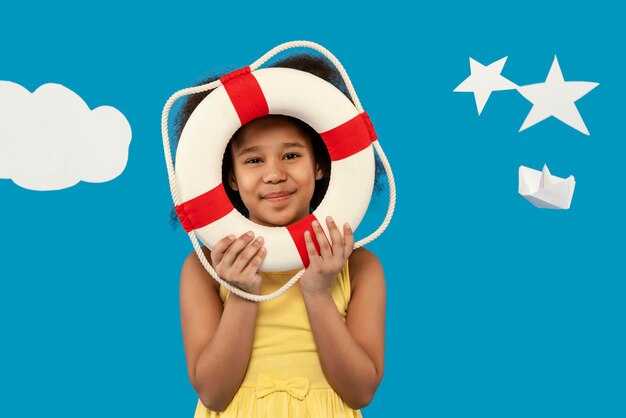
Always have passengers wearing a properly sized life jacket and onboard before departure from Port Sanibel. You must confirm that each person is secure and seated, which will reduce risk and set a tone for an enjoyable day on the water.
- Deck safety and weight distribution: Keep the deck dry and non-slip; place heavier items low and near the center to maintain balance. Move slowly, hold hands when transitioning, and always keep kids close on deck to prevent slips.
- Equipment and storage: Pack a basic, waterproof first-aid kit, a whistle, a flashlight, and a spare water bottle. Use gloves for line handling, store loose items in dry bags, and keep plenty of space on seating areas for snacks and drinks. Using a compact setup helps you stay organized today.
- Snacks and energy management: Bring banana slices with a thin spread of butter on bread or crackers; small portions support energy today without mess. Hydration matters–offer water frequently to prevent mood dips and ensure enough stamina for activities.
- Activities and engagement: Plan simple activities that spark curiosity–example, a marina scavenger hunt, waterproof crayons, or a boat-spotting checklist. They provide something entertaining and will keep energy positive onboard.
- Documentation and rules: Verify license requirements in this region and carry relevant documents and vessel registration. Having them handy speeds up departures and reduces pauses.
- Wildlife awareness and environment: Be mindful of animals around docks; maintain a respectful distance from wildlife and boats. Do not feed, and explain boundaries so experiences stay nice and calm.
- Preparedness and basics: Before launch, run a quick check: life jackets secured, whistle accessible, light ready, weather status reviewed, and a simple plan for the trip. This prepared routine will enhance confidence and minimize surprises.
- Handling challenging conditions: Weather can shift; have a plan B and a safe turnaround point. A compact dry layer helps keep everyone comfortable and energy high even when conditions become challenging; you will finish with better mood and stamina.
- Takeaway and vibe: Port Sanibel offers a nice backdrop; with a lightweight kit and calm approach, your time will be great, enjoyable, and smoother today.
10 Practical Tips for Boating With a Baby or Toddler: Safety, Gear & Fun at Port Sanibel Marina
- Must-have life jackets sized by weight; test fit; fasten buckles and grab strap; briefing onshore prior to launch; pair each child with a supervising adult; Port Sanibel Marina setting boosts team-work.
- Anchor practice: in calm cove near marina, demonstrate anchor line, how to secure chain, and signaling if wind shifts; keep a second line ready; then descend to deck slowly while child sits.
- Seating plan and movement: position seats low, near guard rail; distribute weight evenly; keep doors to cabin closed during underway; use non-slip mats to prevent slipping; plenty of foot space; remind everyone to stay seated when the vessel moves.
- Hydration and snacks: pack plenty water in leakproof bottles; protein-rich snacks to sustain energy; extra crackers with butter as quick fuel; store snacks in a waterproof place; label each child’s snack bag.
- Sun cover and protection: hats on every head; sunscreen reapplication; shade options via canopy or dock cover; take mid-day breaks to reduce sun exposure; reapply sunscreen often.
- First-aid readiness and planning: compact first-aid kit; wipes; antiseptic; learn basic care steps; check expiry dates; keep kit within reach on deck.
- Wildlife awareness: keep distance from wildlife; monitor spots around docks; move slowly near shore; educate kids to observe from safe distance; report sightings to marina staff if birds swarm.
- Active bonding and kayaking option: light kayaking sessions in shallow, calm areas; supervise closely; team-work among parents and kids; together stabilizing paddling; keep all participants wearing vests; end session with high-five and snack.
- Planning and security means: create a simple checklist before departure; designate a place for equipment; flag security rules with clear signs; allow plenty time for setup and cleanup; assign helping roles to parents and people nearby.
- End with a protection-first mindset: prioritize careful behavior; check weather and wildlife warnings using local sources; review what worked; store items beneath shade when not in use; ensure doors and hatches closed when underway; youre role as guardian grows through practice.
Pre-Boat Prep: Safe, Proper-Fit Life Jackets for Baby and Toddler
Recommendation: choose a USCG-approved infant-size or child-size life jacket, sized to your child’s weight, and ensure a snug, secure fit. Bringing a vest to each trip helps quick readiness on docks and boats; we recommend confirming snug, secure fit, look for a crotch strap on infant models to prevent riding up, prefer a bright ginger trim for visibility, and confirm the vest remains worn during all activity.
Fit-check steps: have an adult assist; test in shallow water under supervision. The child stands tall with arms overhead; tug the chest area, collar, and straps to verify security. There should be no open gaps behind the neck or at the sides; you should be able to slide only one finger between strap and torso. The back sits flat, and the crotch strap anchors behind the legs to prevent ride-up. Therefore, practice dips in calm water to confirm stability while moving.
Sizing varies by brand: infant-models cover roughly 8–30 pounds, child-models 30–50 pounds; check the label showing weight range, and measure chest to ensure a correct fit. If the torso is taller or shorter, adjust shoulder straps; ensure the collar sits comfortably behind the neck; a correct fit prevents water from entering through the chin area.
During trips on boats, owners and family members share responsibility to watch those on deck; keep the anchor area clear of gear; store PFDs near the head of the craft, enabling quick access; adjust layers only after securing the vest. Prioritize sun protection: apply sunscreen on skin before exposure; reapply as needed, and keep the vest worn during sun-intensive intervals. Bring games to keep those engaged, such as quick color-spotting or memory challenges, so supervision remains natural and enjoyable. The aim remains keeping everyone secure while staying comfortable in the open air.
Sun, Shade & Hydration: Shade, Sunscreen, and Hydration Strategies
Always apply SPF 30+ sunscreen 15 minutes before sun exposure and reapply every two hours, after swimming, or when sweating. Use a broad-brim hat and UPF clothing; head protection keeps their skin safe and their memories pretty well preserved as they grow; parents prepared.
Set up a large shaded zone with a pop-up canopy or umbrella. Position it to cut the rays during peak times; taking rest breaks in shade keeps energy high and prevents heat stress in their young party. Plan outdoor play around 10 a.m.-4 p.m. to maximize comfort.
Hydration matters: offer small, frequent sips of water using a labeled bottle; babies receive a measured amount in a sippable cup; check that their head remains cool and their hydrated status stays strong as playing continues. Bring extra bottles so some moments you can refill without delay.
Use a sunscreen formulated for sensitive skin with at least SPF 30; reapply after swimming or sweating. Apply to head, ears, nose, and neck; to add extra coverage, a UV mask can protect the cheeks and forehead. Avoid eyes and mouth areas to prevent stinging.
When moving between sun and shade, a lightweight UV mask can shield the head and neck while playing; add wraparound sunglasses to limit glare from rays. This keeps people and their little crew comfortable and prevents sun fatigue after long sessions; consistent shading work helps maintain energy.
Prepare a compact sun-safety kit: sunscreen, hats, mask, hydration, spare clothes, and a small trophy or badge to celebrate a sun-smart milestone; bringing a spare set of clothes ensures quick changes, and some parents wont miss the basics, turning every voyage into a memory-filled party that legends speak about.
Always rely on источник of evidence from pediatric guidance or local health authorities, and then keep a plain, quick reference about protection times and shade options handy as their growth continues.
Onboard Gear You’ll Find at Port Sanibel Marina: Must-Have for Toddlers
Start with bright, size-appropriate PFDs that fit a 30–50 lb (14–23 kg) child; include a crotch strap and quick-release buckles; test fit at the dock and adjust before departure; keep a spare vest near the helm to boost readiness. Every buckle test becomes a trophy moment.
Sun protection kit: wide-brim hat (3–4 inch), wraparound sunglasses, and reef-safe sunscreen SPF 50; reapply every two hours or after water exposure.
Toys and activities: a compact set ideal during sailing, such as soft cloth books, silicone rattles, and a magnetic drawing board; store in a waterproof pouch so they stay snug during travel.
Hydration and snacks: spill-proof sippy cup, small fruit pouches, soft snacks, and a quick-dry bib; wipes keep hands clean.
Comfort and shade: a snug blanket, a light windscreen, and a clip-on sunshade for the cabin; a lightweight carrier can create a cozy nook when cabin space is tight.
Nap setup: a portable mat or thin travel sheet near a quiet corner and dim lighting; this option helps calm activity during travel.
Skin care routine: moisturizer suitable for sensitive skin, fragrance-free wipes, and a small dry towel; keeping surfaces clean makes surroundings friendlier.
First-aid and prep: small pouch with bandages, antiseptic wipes, bug repellent in a compact bottle, and a printed emergency contact card.
Organization: mesh bags, dry box, and labeled tote keep items within reach; dockside spots at Port Sanibel Marina provide plenty of storage near the helm, making it easy to keep everything in its place, boosting safety and order.
Animals policy: Port rules allow a limited number of animals in designated zones; always verify before docking.
Trip planning: check tides, look at remote weather updates, and note port advisories; a compact kit makes travel smoother, leaving plenty of room for memories.
Outcome: better preparedness will yield smooth sailing and confidence; you’ll enjoy cozy surroundings, pretty views, and memories that last long after the trip.
Safe Boarding & Movement: Transitions Between Dock, Deck & Cabin
Begin with a simple, rehearsed sequence ashore: one person handles securing on the dock, another invites toddlers aboard, then moves to the deck and into the cabin. Teamwork matters, yet tasks can be done individually, so each crew member knows their responsibility. Train the crew to recognize safe lines, knots, and handholds; develop the skills with short, practical drills. Keep entertainment ready during holds to ease transitions and invite calm minds. Practice on calm days at the marina to build confidence.
Dock-to-deck transition: check the pier surface is dry, wear non-slip footwear, and secure lines to cleats. Stow bags to keep aisles clear and prevent trips near plants placed on the edge. Move one person at a time, with the helper guiding from the side and using the rail to catch if balance falters. Never rush the handover; maintain a steady tempo until everyone is on deck and ready to continue movement toward the cabin.
Deck-to-cabin passage: open doors slightly to monitor space, keep the path clear, and pass along items you might need along the way. If space is tight, move individually with a brief pause at each hinge to check footing. Use the catch of the handrail to stay balanced, and keep bags close to your center of gravity. Depending on the layout, you may step inside, then back out to adjust; maintain comfortable speed to avoid jostling the youngster.
Engagement during transit: assign a simple task to the person at the helm of the journey, such as picking sunscreen or a hat; ensure older siblings participate by choosing entertainment or snack options like bananas. This approach reinforces responsibility and teamwork and provides a dependable rhythm. Have a small bag ready ashore with a change of clothes, wipes, and a spare shirt; this keeps things easy and avoids last-minute scrambling.
Overall marina planning and risk awareness: never let movement take place without an adult’s focus; keep a quiet, controlled tempo; note that children enjoy light, easy tasks individually while the grownups coordinate. The approach reduces risk of slips; if conditions colder, dress in comfortable layers and bring a compact bag of essentials. When ashore briefly, retrieve plants to prevent tripping hazards.
Entertainment, Naps & Snacks: Age-Appropriate Activities to Keep Them Content
Anchor a compact, reliable kit: a soft fabric book, a textured rattle, and a tiny mirror card. Keep a snack option like fruit salad ready; rotate items to match pace, going from short, quiet moments to long, adventurous experiences. Place the kit within arm’s reach to support family bonding and a sense of being calm on deck. Use a basic checklist to track what helps, and adjust items depending on shore conditions and the course of the voyage. Position the setup near port side seating to improve access.
Three-zone routine keeps a little one engaged: calm play, sensory discovery, and gentle movement. Start with short, quiet activities such as turning a soft page book, tracing bold color cards, and listening to shore sounds. When cues show curiosity, switch to adventurous tasks like stacking cups, rolling a ball along the rail, or peeking through a mirror; return to relax moments to ease toward a nap cycle. Keep enough items handy; never rely on a single thing. A little applesauce or sauce can accompany a snack to maintain energy.
Checklist-driven cadence helps keeping morale high: keep enough items within reach; swap in good, reliable choices as needed; avoid loud triggers; label a few basic go-to items. Open deck doors; air flows while calm stretches, and check the course as you move toward shore. This plan enhances bonding and makes shore transitions smoother with a cheerful tempo.
| Yaş Aralığı | Item | Activity | Notlar |
|---|---|---|---|
| 0–12 months | Texture book; Soft rattle | Tactile exploration; eye contact; short sessions | Keep within reach; respond with a calm voice |
| 12–24 ay | Color cards; Stacking cups; Safe mirror | Color match; stacking; peek-a-boo | Watch cues; rotate items every few minutes |
| 2–3 years | Water-safe sponge; Chalkboard; Ball | Imaginative play; toss games; deck side chase | Keep items light; short blocks |
| 3+ years | Mini travel drums; Magnetic drawing board | Rhythm play; drawing; simple obstacles | Monitor noise; switch to calm if needed |