


 English (UK)
  Русский
  العربية
  日本語
日本語  한국어
한국어  Magyar
  Türkçe
  Español
  Čeština
  Svenska
  Português
  Ελληνικά
  Suomi
Suomi  Nederlands
  Română
  Italiano
  Français
  Polski
  Українська
  Deutsch
  简体中文
简体中文  Slovenčina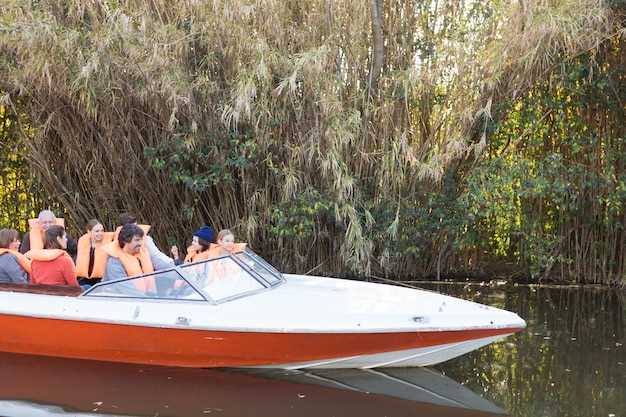

Begin with a clear use case and budget. For a novice, smallest practical motorboat with a 20–40 hp outboard often applies as easiest entry. In local markets, this size fits most slips and handles well on calm water. Use these figures as baseline, then ask dealers about gear bundles that fit a plan to explore nearby lakes and coastlines.
Different hull designs affect stability and planing speed. A flat hull is forgiving at slow speeds, while a light V-hull handles chop better. For lakes, 15–18 ft boat with a 40–60 hp outboard delivers smooth planing and quick response. Consider a variety of hull options to match water conditions. Check local regulations for allowed horsepower on public slips.
Mistakes to avoid include chasing horsepower without regard to handling, skipping on-water testing, and neglecting maintenance history. Create a test plan drawn up with a local dealer, run on water for at least 20 minutes; record rpm, load, throttle response, steering feel, trim, battery state, bilge pump operation. These checks prevent costly missteps and align expectations with publications from reputable sources.
These steps also apply to gear options; compare lineups from other brands; consider a used model with documented maintenance. Gather data from publications and local dealers; quotes for same model in different locales help explain regional pricing and value.
Map criteria to land a good fit: line length, beam, capacity, fuel type, trailer compatibility. Idea is to find a motorboat that matches line items: ease of use, space for gear, and kept within budget. Everyone who enters this market should compare at least three options and consult local publications for current deals; their data helps in finding a model that fits needs.
Choosing Your First Powerboat: The Quicksilver Activ 455 Open – A practical and affordable open-hull option
Go for this model if budget is priority and practicality rules; its open-hull design is easy-to-handle, ideal for offshore hops, and noise stays low in calm water while delivering straightforward control and quick access to all cockpit areas, tailored for particular trips.
Engine options ranging from 60 to 90 hp with a single outboard are offered, delivering faster acceleration and a balanced top speed for day trips; high-end finishes exist but core kit focuses on reliability and excellent economy.
For beginners and those moving from sailboat backgrounds, cockpit is roomy with accessible consoles; while hull shape provides a smooth ride in chop, offshore stability remains solid thanks to a wide beam and stepped underbody.
Renowned for value, this package includes clever stowage, practical seating, and photo-ready versatility; from a beach stop to a sunset cruise, youll enjoy reliable servicing that adds confidence for new owners on the last weekend of summer.
Dimensional notes: 4.55 m length overall, about 2.0 m beam; this compact footprint offers a usable cockpit, swim platforms, and a wide step area for beach landings, with marlow lines ready for moorings and easy-clean surfaces.
Maintenance and servicing are straightforward thanks to simple outboard rig; the setup benefits from common spares and a broad dealer network, reducing downtime and keeping operating costs predictable.
Be mindful of limits: not designed for heavy offshore chasing or high-speed passages; this is a practical day-boat that excels at moderate runs, coastal exploring, and beach stops; to maximize performance, choose the engine package that yields the fastest acceleration while staying within weight and trim guidelines.
In short, this offering suits families and solo explorers seeking a faster, affordable entry into offshore boating while keeping complexity minimal and joy maximal; thats a solid foundation before moving to higher-end models later on.
Hull stability and seating configurations for beginner crews
Start with two midship seats, one port and one starboard, plus a low, centralized ballast area to keep the deck level during cruising and to improve steering predictability.
For larger crews, add a foldaway stern bench or a single aft seat that can be stowed when not needed; this thing keeps the deck clear for a quick swim or wakeboarding session and reduces crowding in the cockpit while taking waves.
Weight distribution: keep the larger person toward the centerline, with their position near midship; avoid loading all heavier gear toward bow or stern, which shifts trim and narrows the wake footprint.
An overlooked factor is seat geometry: choose seats with a stable base and secure locking to prevent shift during waves; keep their weight distributed evenly to make stability predictable and possible to react quickly.
Deck and seating specifics: low-profile, non-slip surfaces and secure handholds along the gunwale; specialized seating with reclining backrests can boost comfort without compromising safety; position seat backs to encourage a natural stance while taking turns or docking.
Clarify options with a dealer or seasoned boater; look for adjustable, lockable seats and modular layouts that can adapt from cruising to family days; this investment pays back in comfort, safety, and sustained passion for the water. If started with a fisherman mindset, the emphasis on easy access to deck gear helps reduce fatigue and keep the crew focused.
Look for a hull with a broad beam and a stable wake footprint, and search for integrated storage that keeps gear out of the way. There, the goal is to maintain a comfortable ride for boaters of all skill levels, especially those who began with a passion for fishing or wakeboarding, and to ensure you can swim or cruise without shifting the balance.
Key specifications of the Activ 455 Open to verify during a run-through

Verify propulsion options and throttle response before departing to confirm performance on rivers and pond.
Activ 455 Open offers multiple configurations, including diesel or petrol propulsion, joystick control, and integrated technology for docking. Where options were chosen, confirm data compatibility.
Layout centers on comfort: ample seating, convertible sunpad, and a pontoon-style deck that enhances onboard comforts.
Position of helm above deck ensures right visibility; check control ergonomics, digital displays, and how layout does affect access to bow. position of controls matters for ergonomics.
Prices vary by build history and finishes; common options include extended cockpit canopy and higher-performance props. Building quality influences long-term reliability. generally, buyers look for balance between equipment and running costs.
Technology affects operation and ownership; verify navigation package, engine data, and app integration; owning a model with strong tech adds confidence. their interfaces simplify management. to manage day-to-day use, verify access to storage and system alerts.
Choose elements that fit adventures: explore rivers and pond cruises, last checks on safety gear and systems; history of Activ lineage shows building durability. This arrangement offers an exciting advantage for right setups, blending cruiser and pontoon vibes.
Power, propulsion options, and on-water performance targets for novices
Start with trailerable pontoons featuring one mid-range outboard in 90–115 HP range for stable handling, easy maintenance, and reasonable fuel use. This choice yields steady speed, minimal stress, avoids difficult handling, and low complexity for novices, delivering both stability and speed. Favor models with dual consoles for protection in windy, splashy days and ample storage under seating for gear and life jackets; bayliner and other brands offer galley setups and lounging areas for complete day trips; this boat approach keeps handling simple. Controls remain intuitive when theyre engaged, easing transition from shore to water.
Propulsion options include outboard gasoline four-stroke units, trailerable electric drives on smaller craft, or dual outboards offered on larger layouts. For novices, single outboard on a pontoon provides the simplest process, predictable response, and lower maintenance while leaving room for occasional watersports and weekend adventure.
On-water performance targets for novices: cruise speed around 12–20 mph for 20–24 ft pontoons, offering stable lounging and easy handling; planing occurs around 18–25 mph depending on weight and hull; top speed should stay under 35–40 mph to keep control; acceleration 0–20 mph within 6–8 seconds; fuel burn around 3–6 gph at cruise, higher under load. Where gear sits, use sealed compartments to minimize shifting.
Shopping tips: inspect defects in decking, pontoon tubes, hull seams for cracks or soft spots; test bilge pump operation; verify storage housings seal; check trailer wiring and lights; inspect consoles for moisture or loose fittings; ask for full maintenance history; confirm fuel lines, filters, and clamps show no leaks; confirm replacement parts from Bayliner or other brands are offered and readily available; ensure loaded weight aligns with stated capacity to keep performance stable.
Ownership costs: upfront price, insurance, moorings, maintenance, and fuel use
Set a hard total budget that covers upfront price plus annual costs. Starting price for a used 25–28 ft all-around cruiser varies widely: roughly $40,000–$90,000; sale of newer units or premium options can exceed $120,000. Include a safety margin for gear, safety equipment, and resale value. When evaluating costs, focus on owning full cost rather than sticker price; thats a practical approach for owning a cruiser. Consider a financing option with fixed payments to simplify planning, and remember there are various cost components beyond the sticker; this also applies to cruisers in general.
Insurance typically runs 1.0–2.5% of hull value per year; factors include location, storage, and captain experience. For lake use, a modest policy with agreed value helps; expand coverage as needed for coastal trips. A low-deductible plan raises fees but improves peace of mind during maneuvering in busy marinas. This kind prudent planning keeps ownership predictable.
Moorings vary by setting: lakefront marinas bill roughly $2,000–$6,000 annually; pond slips are usually cheaper; king-waterfront spots in crowded harbors push higher. Look for long-term rates, winter storage, and access to power. Some owners opt for yard storage during off-season to reduce costs; that option requires readiness for impulsive trips. Even when talking about rigging, many describe deck layouts with sails-inspired efficiency, which is a mental model for stability and versatility.
Maintenance commonly runs 5–12% of hull value each year, covering engine service, pumps, batteries, electronics, antifouling, and winterization. Include spare parts reserve for belts, impellers, and anodes. Sometimes major repairs or refits appear; scrapes and dock rash add repaint costs. A sleek and well-maintained hull supports stability and greater resale value, making upkeep less painful.
Fuel use depends on engine size and hours. A powerful 150–250 hp planing cruiser at cruise burns about 0.8–1.6 gal/hour; faster speeds increase burn. Annual fuel spend often ranges from $1,000 to $4,500, depending on search for lake trips, coastal runs, or pond weekends. To keep costs predictable, log consumption and stick to nearby lake or pond routes when possible; this keeps the experience enjoyable and affordable, thats a practical reminder for ambitious owners. This versatility is ideal for all-around lake and pond escapades. For many owners, owning a fast, sleek, and powerful craft remains exciting and rewarding.
| Cost component | Typical range | Notes |
|---|---|---|
| Upfront purchase price | $40,000–$120,000 | varies by age, condition, options |
| Annual insurance | $400–$3,000 | depends on hull value, location, experience |
| Moorings/berthing | $2,000–$6,000 | lake vs pond vs king waterfront |
| Annual maintenance | $2,000–$10,000 | engine service, parts, winterization |
| Annual fuel | $1,000–$4,500 | hours logged and speed drive cost |
Pre-purchase checks and a step-by-step test-drive plan for the Activ 455 Open
Begin with a thorough baseline check and a staged sea trial to confirm capable balance and comfort under load, clarify whether Activ 455 Open fits your passion for watersports and family cruising. This plan applies to sheltered and open-water trials.
Pre-purchase checks
- Hull integrity: inspect gel coat, deck, stringers, transom for cracks, delamination, water intrusion; perform a light tap test to spot hollow areas.
- Propulsion and drive: examine outboard condition, propeller state, gear case, skeg wear, corrosion on brackets; verify trim indicator and tilt function.
- Engine hours and service history: request maintenance invoices, confirm recent service including impeller, water pump, filters; note any overheating events or alarm triggers.
- Electrical and electronics: confirm battery condition, charging system, VHF, chartplotter, depth sounder; verify onboard tracker is active for remote monitoring.
- Safety gear and compliance: check PFDs, throwable, fire extinguisher, flares, fenders; ensure license and registration are current; verify load within capacity plate.
- Hull and deck fittings: inspect cleats, rails, hatch seals; check for corrosion on stainless hardware; ensure cockpit cover and all zips/straps function.
- Weight and balance: verify expected gear, supplies, and water ballast; understand impact on trim and planing performance; plan for various passenger numbers and bag loads; note how weight distribution affects balance down front or aft.
- Dealer network and service availability: confirm proximity to a service network, especially near boston; ensure parts availability and dealer support for routine maintenance.
- Onboard comfort and layout: test seating, helm reach, switch accessibility; check storage spots and legroom; assess spot for skiing and towing when needed; understand layout and space for gear.
- Documentation and coverage: confirm warranty options, spare parts availability, dealer support; request a clear sale proposal with price and inclusions, which helps clarify your path to purchase.
- Beginner-friendly notes: if skipper experience is limited, verify that from-scratch checks are supported by dealer guidance and that you can practice in sheltered waters without risk.
Step-by-step test-drive plan for Activ 455 Open
- Onboard orientation and feel: review layout, switch placements, gauge visibility, helm seating, an overall balance when seated and standing.
- Systems pre-check: verify battery levels, fuel, oil, coolant (if applicable); ensure lanyard and safety equipment are in place.
- Cold start and idle: start engine, listen for rattles, check exhaust smoke, idle stability; confirm gauges show correct readings.
- Low-speed handling: move in sheltered area at idle to 5-8 knots; test steering response, throttle control, and maneuverability in tight space.
- Trim and weight setup: adjust trim for best planing response; note feel under various loads and speeds; ensure balance remains fore/aft stable.
- Planing acceleration and lift: smoothly advance to plane; observe acceleration rate, hull wake, spray, and stability; ensure no porpoising with trim adjustment.
- Cruise performance: reach intended cruising speed; monitor GPS speed vs RPM; check fuel consumption, engine noise level, and passenger comfort.
- Turning and stopping: perform turns at different radii; test emergency stop with controlled throttle; evaluate spray direction and body position comfort.
- Rough-water test: if conditions permit, ride in light chop to assess ride quality, balance, and handling under varied seas.
- Docking and anchoring: practice slow-speed control, docking maneuvers, and securing with fenders; practice anchoring procedures and quick stops.
- Data log and decision aid: fill tracker with key metrics (GPS speed, RPM, trim angle, fuel use, ride quality); judge, which helps justify next steps, whether to proceed with sale terms or upgrades.