


 Svenska
  English (UK)
  Русский
  العربية
  日本語
日本語  한국어
한국어  Magyar
  Türkçe
  Español
  Čeština
  Português
  Ελληνικά
  Suomi
Suomi  Nederlands
  Română
  Italiano
  Français
  Polski
  Українська
  Deutsch
  简体中文
简体中文  Slovenčina
 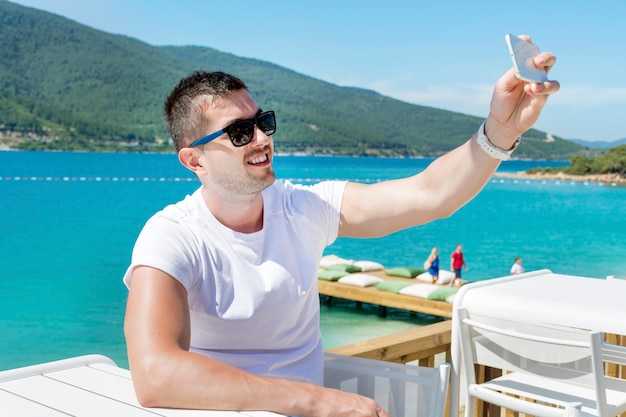 Why Charter a Yacht in Croatia – The Land of a Thousand Islands – A Comprehensive Guide">

Recommendation: Börja med en vecka från Split för att få tillgång till ett tätt område med närliggande öar, ankarplatser och historiska hamnar. För bästa flöde, planera chartern så att den avgår en wednesday för att minska köerna i marinorna och få seglingsträckorna att löpa smidigt.
När du bestämmer din rutt, balansera en traditionell dalmatisk runda med mindre besökta vikar. particularly, sikta på rutter med god tillgänglighet till hamnar och landanläggningar. Before du seglar, kolla tidvatten, vind och hamndjup för att undvika överraskningar.
Från Split kan du nå de mest ikoniska stränderna inom några timmars segling; detta upplägg är ideal for families och förstagångsbesökare. Se till att ha ett par båtar redo att skjutsa till land, och använd en tenderbåt för att snabbt landa medan besättningen hanterar ankring och säkerhet.
Närliggande öar som Brač, Hvar, Vis och Mljet erbjuder en blandning av historia, natur och mat. Du kan dock undvika långa sträckor genom att välja kortare etapper på 20–35 sjömil och stanna i skyddade vikar. Planera några övernattningar för att njuta av lokala skaldjur och solnedgångar.
Du bör veta att många hamnar tar ut förtöjningsavgifter per natt, och säkerhetsutrustning är obligatorisk för alla ombord. För extra bekvämlighet, boka en skeppare eller besättad charter för att hantera hamnprocedurer och för att hålla din grupp säker i livliga hamnar och lugna vikar. Schemat kan löpa smidigt när du har en erfaren kapten och en tydlig plan.
Kroatiens kust erbjuder överlag ett rikt område med seglingsmöjligheter som blandar kultur, natur och komfort. Kombinationen av skyddade vikar och klart vatten ger alla en chans att njuta av både vatten och städer. Om du söker en destination som passar familjer och grupper, förtjänar Kroatien starkt övervägande inför din nästa seglingssäsong.
Praktiska skäl att hyra i Kroatien med ett schema från onsdag till onsdag
Välj en charter från onsdag till onsdag för att maximera seglingsdagarna och samtidigt hålla planeringen enkel.
Centrala baser som Split, Zadar och Dubrovnik gör att du kan organisera proviantering och besättningsbyten på ett ställe, vilket minskar transittiden mellan hamnar.
Att börja mitt i veckan sparar också tid i hamnar, undviker helgträngsel och håller rytmen på vattnet jämn från onsdag och framåt, med slag i slag-hopp som kortar transiten. Denna plan kan spara dig tid och minska bränsleförbrukningen.
Längs den dalmatiska kusten når du en varierad sekvens av ankarplatser: safirblå bukter, steniga vikar och strandnära vikar som passar alla stämningar.
Exklusiva, mindre hamnar längs pärlkusten belönar dig med oförglömliga upplevelser, lugnare hamnar och färre folkmassor.
Utnyttja en mängd alternativ för mat och måltider ombord, medan professionella besättningar skräddarsyr proviantering och menyer tills du säger stopp.
Familjesemestrar förblir avslappnade med enkla rutiner, hemlika hytter och leksaker för barn att njuta av under sjödagar, medan du packar enkla kläder och skor för kullerstenar och kvällspromenader, vilket gör veckan riktigt njutbar för alla åldrar.
Längs rutten erbjuder ett porto-område enkel förtöjning och praktiska utflykter i land, med ett centralt tidsschema som du kan organisera med tillförsikt. Denna flexibilitet låter dig klämma in ett museibesök eller en marknadspromenad.
Med en onsdagsrytm balanserar de flesta resplaner tid till havs och upptäckter iland, vilket låter dig glömma trötthet och njuta av fantastiska solnedgångar med oförglömliga minnen.
Välj rätt yachtstorlek för din besättning och resplan
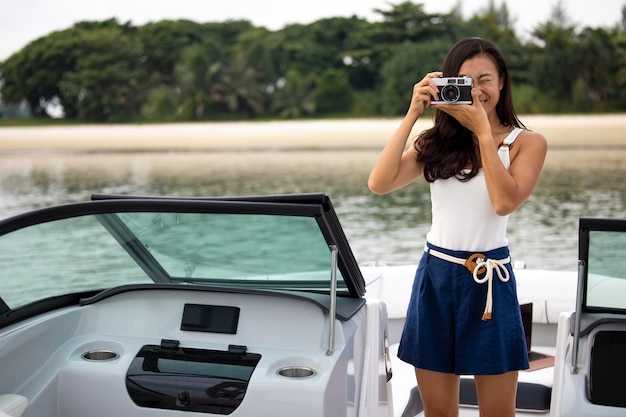
För en besättning på 4–6 personer, välj en 40–45 fots yacht med 4 hytter och 2 toaletter; den här storleken balanserar komfort, avskildhet och flexibla dagsetapper längs den dalmatiska kusten.
Om du föredrar en kompakt layout och enkel packning passar en 28–34 fots enskrovsbåt eller katamaran bra i välanslutna hamnar; för större grupper kan 58–70 fots båtar med 5–6 hytter hantera 7–9 personer och även täcka större resplaner längs kusten. Tänk också på att en mindre båt kan vara benägen till överfulla marinor i augusti, så välj utifrån din takt och ditt schema.
Planera dagliga etapper på 15–25 NM under hektiska augustidagar, med 3–4 timmars segling och ett stopp i en naturlig vik eller en dalmatisk stad som Trogir, Split, Hvar, Korčula eller Dubrovnik för att smaka på skaldjur och promenera på gatorna när folkmassorna tunnas ut på kvällen; många städer erbjuder också en litterär kulturarvsvandring som passar ett avslappnat tempo.
Typ av yacht spelar roll: traditionella, enskrovsbåtar erbjuder klassisk seglingscharm och stark prestanda; moderna, välutformade katamaraner ger extra boyta och en stadig gång, perfekt för längre vistelser med barn. Om du föredrar snabba resor längs kusten kan en mellanstor motor yacht ta dig mellan större öar med färre stopp.
Packa smart: två till tre outfits per person plus badkläder, en lätt jacka för havsbrisen och rejäla sandaler; använd naturmaterial för att hålla dig bekväm i augustivärmen. Du kommer att märka hur en lättare packning frigör plats för skaldjursätande och solnedgångar i varje stad.
För specifikationer och tillgänglighet, håller источник globesailor en aktuell lista över båtar som passar varje besättningsstorlek och resplan, så att du kan välja alternativ som matchar dina önskemål och passar din budget.
Med rätt storlek håller du dygnsrytmen stadig, provsmakar fisk och skaldjur i större städer och njuter av ett naturligt andetag av havet; somrarna i augusti kan vara trånga, så planera framåt och boka hamnar tidigt längs den dalmatiska kusten.
Hur in- och utcheckning samt överlämning från onsdag till onsdag fungerar
Fixa en incheckningstid på onsdagar kl. 09:00 vid er kustbas i Istrien och reservera ett tvåtimmars överlämningsfönster med kaptenen och basteamet. Be gästerna anlända 60 minuter tidigare för att undvika förseningar vid bryggan och hålla ombordstigningen lugn för alla. I augusti sätter livliga hamnar planerna på prov, så en stabil rytm hjälper er besättning att spara tid, spara pengar och leverera en smidigare upplevelse.
Skicka gästlistan, ID:n och eventuella tillgänglighetsanmärkningar till basen minst 24 timmar i förväg. Håll kontakten för uppdateringar och ändringar i sista minuten för att hålla schemat tajt och ge din familj lite utrymme under processen.
- Koordinering före ankomst
- Skicka gästlistan, ID:n och eventuella tillgänglighetsanmärkningar till basen minst 24 timmar i förväg.
- Bekräfta antalet personer, sängplatstilldelningen och eventuella behov för barn och husdjur för att anpassa utrymme och säkerhetsutrustning.
- Dela den planerade rutten och kuststräckorna för den inledande etappen för att anpassa dem till tillgängliga kajplatser.
- Håll kontakten med basen för uppdateringar och ändringar i sista minuten för att hålla schemat tajt.
- Incheckningsdagsflöde
- Möt kaptenen och basvärden vid bryggan, verifiera papper, båtförsäkring och skepparkompetens, signera överlämningsdokumentet.
- Inspektera tillsammans skrov, motorer, elsystem, VVS, säkerhetsutrustning, bränsle- och vattenmätare. Ta foton och notera eventuella problem med datum/tidsstämplar.
- Testa viktiga system på däck och i hytterna; bekräfta tillgängligheten för alla familjemedlemmar och verifiera ruttplanen för första dagen.
- Överlämningsinnehåll
- Överför reservdelar, fendrar, ankare, linor och säkerhetsutrustning till besättningen. Logga inventeringen på överlämningsdokumentet.
- Kartlägg kontakter för besättning, anlöpshamnar och en inledande rutt utformad för att minimera antalet sjömil samtidigt som den levererar vackra vyer.
- Kom överens om en kortare genomgång av dockan och ett tydligt godkännande så att nästa besättning kan ta över med självförtroende; ge gästerna lite utrymme under processen.
- Utcheckning och efter överlämningen
- Return the vessel to the base at a fixed time; settle deposits and capture final photos for your home base records.
- Record final fuel and water readings, reset the chart, and close any fees related to late check-out.
- Send feedback to the base and crew after the trip to help accessibility and operations across diverse areas such as Istria’s coast for future families and adventure seekers.
Island-Hopping Routes: Ideal Archipelagos, Harbors, and Anchorages
Book a Kornati–Dugi Otok loop as your starter; it offers dramatic sea cliffs, sheltered anchorages, and a natural rhythm that lets you return with confidence and a true sense of achievement.
Three ideal archipelagos to weave into a single charter are Kornati and Dugi Otok for rugged scenery and compact hops, Elaphiti Islands for charming harbors near Dubrovnik, and Cres–Lošinj for lush hills, long coasts, and protected bays. Your preference will shape the order, but each area lends city vibes in shore towns, private moments on deck, and natural beauty that inspires lingering upplevelser.
Harbors and anchorages that maximize comfort are clustered around Telašćica Bay on Dugi Otok for safe, well-sheltered moorings; Sali provides a reliable provisioning port, while Biograd na Moru on the mainland offers fuel and shops for any additional needs. In the Elaphiti Islands, Lopud and Koločep deliver charming waterfront anchors and easy shore access, and in Cres–Lošinj you’ll find sheltered coves near Martinšćica on Cres and along the Lošinj coast, with Ilovik and Unije offering quiet, private spaces away from crowds.
Plan day legs of roughly 10–25 nautical miles between stops to keep sails calm and the mood relaxed. Winds in June tend to be favorable for steady progress without heavy heat; check conditions each morning and adjust to sea state. For provisioning and repairs, choosing port calls in Biograd, Zadar, or Mali Lošinj ensures quick services and minimizes downtime. If you want relentless pace, hire a professional skipper who can tailor legs to weather and crew comfort.
To maximize your getaway, reserve extra stugor and plan exclusive days on deck, with private swims and sunset chats on quiet coves. A well-structured route lets you reach multiple harbors without backtracking, keeps your heart in the adventure, and ensures you book the best moorings before arrival. Having a clear planning outline helps you avoid bottlenecks and unlock favorite stops, whether you’re chasing a getaway vibe or a more exclusive segling experience.
Onshore logistics are simple: use a taxi to reach nearby towns, sample fresh seafood in a city market, and coordinate with a professional skipper who knows the areas well. The result is a balanced itinerary that blends natural beauty, culture, and comfort, with stugor that sleep soundly after full days of exploration and exclusive erfarenheter. Använd dessa rutter som din kärnkarta och lägg till additional hamnar eller vikar baserat på preference för att skapa en fullkomligt minnesvärd charter längs de tusen öarnas land.
Pristajanje, opskrba i brodska logistika u hrvatskim vodama
Förboka i förväg för Cavtat och andra skyddade hamnar längs rutten för att garantera en skyddad plats under högsäsong. I de flesta hamnar, sikta på en plats 48 timmar före ankomst; under juli och augusti, utöka till 72 timmar. Att boka i förväg är viktigt, endast under högsäsong, och ha ett reservalternativ i Split eller Dubrovnik för att anpassa dig om vindarna vänder. Ha dina favorithamnalternativ till hands så att du kan byta om det behövs.
Att lägga till längs den dalmatiska kusten belönar förberedelse. Om du hyr båt, läs hamnkartor för vindriktning och välj platser i lä; parkera båtarna med aktern mot vinden om möjligt. I små vikar, fråga på marinan om skyddade pontoner och förtöjningar, och planera en promenad till bränslestationer och marknader så att du kan proviantera på plats.
Proviantinköp börjar med en plan: kartlägg marknader längs Cavtats byar och städer och gå sedan genom gångarna efter färska skaldjur, bröd, ost, oliver och säsongens frukt. I Cavtat och andra dalmatiska städer erbjuder lokalbefolkningen korta transporter till marknaderna; att boka i förväg hjälper dig att slutföra proviantinköpen under ett enda stopp. Nina, skepparen i vår lokala besättning, rekommenderar att köpa fisk och grönsaker på morgonen du planerar att laga mat, så att du kan kryssa efter lunch med fantastisk smak och mindre avfall.
Håll vattentankarna fulla och kontrollera avfallsreglerna i varje marina; använd landström när det är möjligt och kör generatorn endast under hög värme eller vid laddning av elektronik. Under denna period, schemalägg en daglig kontroll av linor, fendrar och navigationsljus, och planera att förvara matvaror i särskilda lådor för att undvika röran under sjötid. Detta håller besättningen avslappnad och ger mer tid för vindvänliga rutter genom städer och öar.
Under resan, använd gömda vikar för säkra ankringsplatser och leta efter några favoritställen längs den dalmatiska kusten där du kan gå iland, smaka på lokala delikatesser och påbörja ditt nästa äventyr. Med rätt planering blir din flykt från trånga rutter en barnlek, och din tid ombord känns som en hantverkskryssning genom ett nätverk av byar och städer.
Budgetering, kontrakt och försäkring för en kroatisk charter
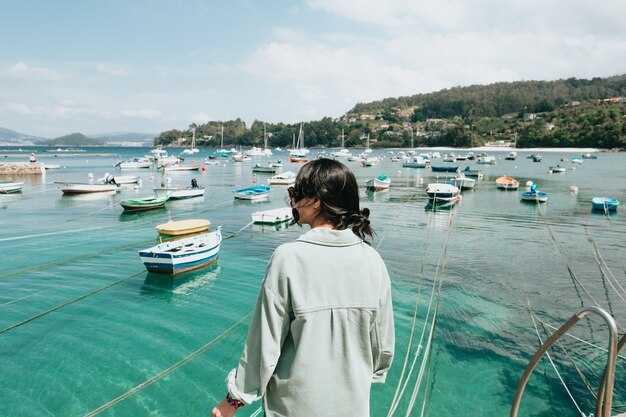
Sätt er totala budget från början och boka en privat, fullt utrustad yacht i förväg under lågsäsong för att spara på charteravgifter.
Kostnaderna fördelas på charterbaspris, besättning, proviantering, bränsle, marinanavgifter, hamnskatter, moms, försäkring och en beredskap för väderrelaterade förändringar. Be om en detaljerad, specificerad uppskattning som listar vad som ingår och vad som är extra, så att du kan jämföra olika alternativ och undvika överraskningar den första dagen av din semester.
Planera med Kroatien i åtanke: Somrarna medför högre efterfrågan och skarpare priser, medan oktober och andra mellansäsonger kan erbjuda lugna hamnar och färre folkmassor. Om du siktar in dig på Korcula som en bas eller ett stopp längs vägen, kan du ofta dryga ut budgeten ytterligare samtidigt som du njuter av traditionell mat och lokala skaldjur. Dessa variabler påverkar de totala kostnaderna, så kartlägg dem i din budget från början för att få stabilitet under hela resan.
För att spara pengar, jämför totalpriser från operatörer som utrustar båten väl och inkluderar viktig säkerhetsutrustning. Enkla, tydliga kontrakt hjälper dig att undvika dolda avgifter. Överväg en mindre yacht med en välskött motor och pålitlig navigationsutrustning; du kan få högre komfort och spara bränsle utan att offra säkerhet eller bekvämlighet.
Kontrakt bör innehålla en detaljerad, skriftlig omfattning: depositionsbelopp och förfallodatum, betalningsplan, leverans- och incheckningstider samt exakt vad som ingår. Kräv en tydlig avbokningspolicy med ett rimligt fönster och en återbetalningsram, plus villkor för väderrelaterade störningar. Se till att yachten är allokerad till dig under de avtalade datumen och att du förstår påföljderna för eventuella ändringar.
Försäkringsskyddet måste omfatta skrov, ansvar för passagerare och en reserv för medicinska kostnader och nödkostnader. Verifiera att försäkringen är giltig varje dag under resplanen och att den täcker eventuella störningar under en förstagångskryssning i Kroatien eller en längre ö-hoppning. Bekräfta dessutom vad som händer vid eventuella påtvingade ändringar av resplanen på grund av väder eller hamnbegränsningar.
| Category | What to verify | Smarta tips |
|---|---|---|
| Befraktningsavgift | Specificerad grundavgift, säsong och vad som ingår | Begär en offert med allt inkluderat för att kunna jämföra likvärdiga båtar. |
| Crew och utrustning | Skeppare, värd, måltider, säkerhetsutrustning och navigationsutrustning | Begär en utbildad besättning med god kännedom om Kroatiens kust och ankringsplatser; bekräfta att utrustningsnivån är lämplig för rutten. |
| Proviant och matlagning | Val av proviantering, lokala köket och kostbehov | Planera en meny du kan handla för längs vägen; lista föredragna matvaror och vinrekommendationer. |
| Försäkring | Skrov-, ansvars-, personolycksfalls- och väderavbrottsförsäkring | Ha tillräckliga gränser och granska undantag; ha en digital kopia av försäkringen tillgänglig. |
| Deposits and payments | Insättningsbelopp, förfallodatum och accepterade betalningsmetoder | Förhandla fram flexibla villkor om du är försiktig med vädervolatiliteten i oktober. |
| Cancellation policy | Återbetalningsvillkor, tidsramar och force majeure-klausuler | Föredra policyer med full eller nästan full återbetalning vid betydande väderhändelser eller hamnstängningar. |
| Avgifter och skatter | Hamnavgifter, hamnserviceavgifter, bränsletillägg och dricks till besättningen | Be om en separat specificerad kostnadsredovisning för att spåra utgifterna när du reser längs kusten. |
| Itinerary flexibility | Ändringsbidrag och eventuella straffavgifter för ruttjusteringar | Se till att du kan justera stopp som Korčula eller andra öar utan höga avgifter. |
Innan du undertecknar, se till att varje punkt är dokumenterad i kontraktet. För en smidig övergång från hemmet till havet, behåll digitala kopior av alla dokument, bekräfta båtens avresehamn och verifiera checklistorna före avresan. En enkel metod med tydliga villkor och gedigen försäkring gör en kroatien charter säkrare och roligare för både förstagångsresenärer och erfarna resenärer, särskilt när du vill ha en lugn flykt som blandar traditionella smaker, moderna yachter och stabil planering under somrar och lågsäsonger.