


 Svenska
  English (UK)
  Русский
  العربية
  日本語
日本語  한국어
한국어  Magyar
  Türkçe
  Español
  Čeština
  Português
  Ελληνικά
  Suomi
Suomi  Nederlands
  Română
  Italiano
  Français
  Polski
  Українська
  Deutsch
  简体中文
简体中文  Slovenčina
 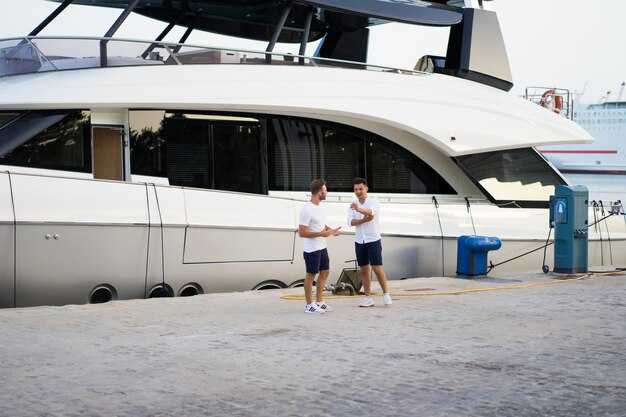 When Does a Yacht Become a Ship? Classifications and Definitions">

Börja med en praktisk regel: när ett fartyg byggs för flermånaders resor med betald besättning och förmågan att transportera varor utöver privat bruk kallas det ett skepp; annars förblir det en lyacht.
De flesta diskussioner förlitar sig på konkreta mätvärden. Titta på dimensions och längd total (LOA). Om en båt överskrider ungefär 78 fot (24 meter) LOA, många models klassificera det som ett fartyg, även om platspecifika regler och flagganställningar varierar. En liten privat kryssning inom en kustnära plats brukar ofta vara juridiskt och praktiskt yacht-storleksbaserad.
Classification models differ: vissa förlitar sig på termbaserade distinktioner, andra använder brutto tonnage eller deplacement som utlösare. The choice av ramverk which frågor kring försäkring, besättning och registrering.
Whether you plan coastal cruising eller långa resor, den choice av etikett påverkar operationer on-water, underhåll och licensiering. Vissa tillsynsmyndigheter behandlar fartyg som är längre än en viss längd som fartyg; andra fokuserar på uppdrags- och flaggkrav.
För att besluta tydligt, följ dessa steg: mät dimensions (LOA, bredd, utkast), notera years av planerad användning, och lista de varor du har för avsikt att bära, om så är fallet. Kontrollera din webbplats registreringsregler, och rikta sedan in start datum, försäkringar och besättning med den valda kategorin.
For most luxury vessels, linjen mellan yacht och skepp spelar roll för vem som seglar, vart du reser och hur du njuter av resan. Detta saken berör försäkringar, regleringar och sättet du närmar dig cruising on-water days across years av äganderätt.
Praktiska kriterier för att skilja yacht och fartyg i verkliga scenarier
Rekommendation: klassificera ett fartyg som en yacht när det främst används för privat fritid och komfort, utan last och utan intäkter från kommersiell verksamhet; om last, militära ändamål eller kommersiella intäkter uppstår, blir det ett fartyg.
Frågan vilar på användning, inte bara namn. Beroende på flaggre regler, registrering och hur ägaren presenterar tillgången i försäljnings- eller publika material, kan den formella kategorin ändras, men den praktiska distinktionen kvarstår i aktiviteter till sjöss och på resor.
Nyckeltal att snabbt känna till: primärt syfte, last/operationer, besättningsintensitet och intäktsmodell. Besättningens storlek och närvaron av sjömän signalerar intention; ett privat fartyg med en liten besättning förblir mer yaktlikt, medan formell lastbehandling eller militära uppgifter tenderar mot status som fartyg. Även om namnet på pappret spelar roll, är aktiviteterna till sjöss viktigare för klassificering.
Inom segmentet gigayachter använder ägare ofta termen för ultra-lyxiga privata farkoster, men den verkliga verksamheten avgör fortfarande om regelverk och efterlevnad stämmer överens med yacht- eller skeppsregler. Årens erfarenheter visar att gränsen främst flyttas när privat bruk ger vika för charter, försäljning eller tjänsteleverans som genererar inkomst. Carl och andra observatörer kommer att notera att många sjömän behåller strikta distinktioner, även när fritidsfartyg efterliknar funktionen i kryssningsfartyg; den praktiska skillnaden kvarstår baserat på syften, lastkapacitet och hur fartyget fungerar dagligen, inte bara på publicitet eller namn.
| Kriterium | Yachtkarakteristika | Fartygs egenskaper |
|---|---|---|
| Primär syfte | Privat fritid, verksamhet med fokus på komfort | Kommersiellt transport, godshantering eller militära ändamål |
| Last och verksamhet | Minimal last; icke-kommersiella uppdrag | Betydande lastkapacitet; formella kommersiella eller militära operationer |
| Inkomstmodell | Egenfinansierat; inkomst inte härrörande från rutinmässiga tjänster | Intäkter från transporter, tjänster eller statliga kontrakt |
| Besättning och sjömän | Liten besätning; begränsad sjöfartsanställd. | Dedikerade besätningar; flera avdelningar och formell manskap |
| Registreringsnamn/kategori | Oftast privat eller yatchkategori; kan använda gigayacht för betoning | Fartygs kategori; registrerat som handelsfartyg/last eller militär tillgång |
| Storlek och prestanda | Wide range; can be very large but owner-driven | Typically substantial tonnage with broader regulatory scope |
| Regulatory definition | Use-based definition; flag rules apply | Regulatory framework tied to shipping law and registries |
Definitions and Regulatory Scope: What designations trigger yacht or ship under common maritime laws
Recommendation: Use the definition rooted in use, ownership, and on-water activity as the primary trigger. If the vessel is designed and used for private pleasure, owned by individuals, and primarily serves recreational cruising, then classify as a yacht. Sometimes foreign flags or classification societies apply the same hull to a ship when it supports a commercial model, transports passengers, or goods for hire.
Regulatory scope turns on terminology and category, not style alone. The same floating craft may be treated differently by flag state rules, port state control, and the rules of classification societies. In practice, the trigger includes the vessel’s size, its primary function, and the business context in which it operates; such factors determine whether it falls under yacht or ship regulation, and which safety, crewing, or inspection regimes apply.
Terminology matters because it affects registration, taxation, and insurance. The same hull can be a yacht in private ownership and a ship when chartered commercially. For the yachtbuyer, the decision hinges on how the boat will be used down the line; if the plan is to enjoy private cruising then the yachtbuyer should pursue pleasure-boat status, while if the operation will include carrying guests or bulk goods, the ship designation will drive compliance requirements. This nuance matters across jurisdictions, where height, length, and tonnage thresholds varies by category and flag.
Practical steps: review related regulations with your broker or attorney, confirm whether the vessel is intended for on-water private use or commercial service, and verify whether it would be counted as a small yacht or a larger ship for purposes of registration and safety rules. If you aim to stay within the yacht category, align construction and fittings with leisure use; when owners plan for motor operations or carrying guests or cargo, prepare for ship-class obligations.
Understanding the terminology and the regulatory scope helps making informed decisions and ensures compliance across jurisdictions, which reduces risk and improves ownership confidence for the yachtbuyer seeking a floating asset that aligns with their goals. Such clarity also guides due diligence on structural design, hull sizes, and operational constraints, and helps determine which rules apply on-water, and whether the vessel sits in the yacht or ship category during registration and operation.
Size, Tonnage, and Displacement Benchmarks: How measurements influence classification
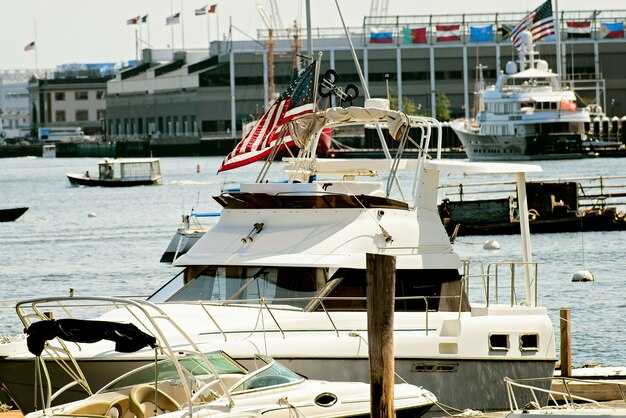
Know that the practical starting point for classification is length overall (LOA). Around 24 meters LOA serves as a clear threshold between smaller watercraft and larger yachts. Use LOA as your primary measure of size, then add tonnage and displacement to refine the label. This approach is becoming a standard in many markets, helping buyers, editors, and ports plan dockage, crew, and insurance with confidence. The thing to remember is that a single dimension rarely tells the full story, but LOA gives a solid foundation for the definition of a vessel’s class.
Beyond LOA, measurement systems like gross tonnage (GT) and displacement drive classification in port rules and documentation. GT is a volume-based index reflecting internal space, while displacement equals the vessel’s full-load weight. For a given dimensions, GT varies with hull form, interior layout, and purpose–fishing, goods transport, military, or luxury watercraft. Displacement also varies with loading and hull design. A full-displacement hull tends to weigh more than a lighter, planing hull, even at the same length. A photo with hemingways helps illustrate how size cues can mislead if you focus only on appearance; while editors and brokers compare vessels, the definition och terminology matter in united markets. Buyers and editors enjoy clearer metrics that guide financing, berthing, and insurance.
To classify reliably, follow practical steps: record LOA, beam, draft, and displacement at full load; check the vessel’s GT with the flag state or classification society; The full hull weight is displacement, and it matters when comparing to tax, insurance, and port regimes; compare with typical market tiers: under 40 meters generally remains a yacht, 40–60 meters marks large yachts, and 60 meters plus leans toward megayacht or superyacht. Superyachts generally begin at around 24–30 meters, though the threshold varies by region and market; more space, crew, and amenities push the label to bigger ranges. Generally, terminology varies by editor and region, with some markets calling substantial craft ships for commercial use, especially in military contexts or near islands.
In practice, the line is a function of several figures, not a single number. The definition and how size relates to cargo or passengers shapes port access and insurance. For on-water operations near islands or in busy harbors, height and draft limit docking options; plan for full-scale berthing, crew, and support; bigger hulls demand more fuel, storage, and maintenance down to the ramp. The thing to track is LOA, GT, and displacement, because they influence editor decisions, buyer expectations, and the suitability of a vessel for venues that host goods shipments or guests. Becoming familiar with these benchmarks helps you know what to expect when you compare different boats while you enjoy the process of choosing the right fit. These benchmarks have practical implications for editors, owners, and insurers alike.
Registration, Flag State, and Documentation Implications for Owners
Register with the flag state before any on-water operation and keep the registry current. Verify the vessel length and LOA are correctly recorded, then secure the certificate of registry, ownership proof, and, if required, a mortgage or lien release. For sale or private use, prepare a bill of sale, registry forms, and a clear proof of payment to avoid delays.
Flag state choice shapes compliance, taxes, and duties. Megayachts and larger craft often benefit from a flag state with streamlined service, while military vessels cannot be registered for civilian use. For powerboats intended for private enjoyment or commercial purposes, ensure the flag state allows the intended purposes and does not impose prohibitive requirements.
Documentation must cover the definition of the vessel and its ownership chain. Keep a complete set: certificate of registry, official number, Hull Identification Number or IMO number, proof of ownership, insurance, radio license, and safety certifications. Many authorities referred to as the источник provide requirements, and the editor may rely on this standard when compiling checklists.
Length thresholds determine registration complexity. Instruments such as load lines, ISM/ISPS compliance, and survey cycles may kick in at larger lengths. A vessel designed for private pleasure differs from one used for commercial sale or charter, yet the basic registry concept remains the same.
Transfer and sale require a clean title and updated documents. When ownership changes, notify the flag state, deliver new proof of sale, and release any liens. Delays can create on-water penalties and insurance gaps, so coordinate with the broker and the authorities.
Access to the flag state’s online portal speeds up processing. Upload scanned documents, track status, and download certificates once issued. This checklist aims for hemingways clarity for the editor and the owner, minimizing back-and-forth and mistakes.
On-board documentation: store a small, durable container with the essential papers, including the registry, insurance, and emergency contact numbers. Keep copies off-board in a secure location. For on-water use, have digital backups and a printed set for inspections.
источник: national maritime authority guidelines and practice notes form the basis for the rules you follow, and they are often cited when owners seek streamlined access to records and faster clearance during sale or transfer.
Operational Use and Crew Requirements: Do charter, commercial use, or passenger capacity shift the label
Label the vessel as a commercial passenger vessel when you charter or carry paying guests; keep the private yacht label for strictly non-commercial operations. This distinction affects regulation, safety, and insurance more than polish or pedigree.
From a practical standpoint, the label follows use. A craft used solely by its owner and a small, dedicated crew remains a yacht; when you host charter guests or offer services, regulators treat it as a ship or passenger vessel, with corresponding requirements.
Across the century of maritime design, the boundary between yacht and ship shifts with operation. Here’s how to assess and plan:
- Regulatory trigger: passenger capacity exceeding 12 triggers passenger ship status under SOLAS guidelines in many regions; charter fleets typically convert to commercial certification and formal operating procedures.
- Crew and certification: commercial use demands a licensed master, licensed mate, engineer, and safety officers; crew rosters follow flag-state rules and ISM/ISPS codes; drills and records become routine.
- Safety and equipment: commercial vessels require lifeboats or liferafts, life-saving appliances, radio, and appropriate manning; larger yachts add medical facilities and enhanced security measures.
- Registration and flagging: a charter or passenger-focused operation usually registers as a commercial vessel under the flag of the country; private yachts stay under recreational registration unless an amendment is filed.
- Insurance and liability: commercial use increases exposure; yachtbuyers should secure coverage for passenger operations, crew injuries, and third-party liabilities, with added terms for island itineraries and offshore services.
- Design and operation: ships certified for commercial use emphasize redundancy and maintenance regimes; powerboats designed for speed may not meet the same standards when used in passenger operations.
- Definitions and terminology: terms vary by market; some refer to a large leisure craft as a yacht regardless of use, while others reserve yacht for privately owned vessels with dedicated services.
Practical guidance for owners and yachtbuyers: plan around intended services. If you cater to guests on islands or coastal routes, prepare a formal operations manual, appoint a capable master, and align crew certifications with the flag regulations. If you intend occasional charters without commercial services, keep the yacht label by limiting passenger numbers and maintaining a private-use operation.
Size, length, and design influence the label. A craft with substantial length or size that carries a passenger load exceeding thresholds will move toward a ship category, triggering more stringent safety and crew requirements. Even among superyachts, commercial use shifts the label and affects crew, insurance, and regulatory compliance. This is why many worlds of specialized yachting distinguish between private yachts and commercial passengercraft; the terminology matters for regulators, insurers, and lenders.
For yachtbuyers, clarity matters. Consider services you plan to offer, from fishing trips to luxury charters, and map routes, crew needs, and insurance accordingly. A vessel currently designed for private use can be adapted for charter with the right permits, but that path should be reflected in the classification, terminology, and order of operations so you cater to clients confidently and safely.
Lyxinteriörer kontra funktionalitet: Hur komfortfunktioner samverkar med fartygsklass i praktiken

En praktisk regel: koppla komfortfunktioner till klass, investera i flexibla utrymmen och modulära system som skalar med fartygets storlek. Vissa inslag från 1800-talet framträder i materialens värme, som trä och mässing, men funktionen dikterar layouter som anpassas till kryssningsstilen. På små motorbåtar, prioritera hållbara material och kompakta layouter; på megayachter, skapa flexibla sviter och flera vardagsrum som kan omkonfigureras för destinationer och gästantal.
- Kvartal och integritet: På mindre motorbåtar, designa kompakta, tysta kojer med direkt tillgång till toalett och effektiv förvaring. På megayachter, leverera en äkta mastersvit med en kläddistrikt, walk‑in closet och en privat lounge, plus separata besättningskorridorer för att hålla servicen diskret och smidig.
- Offentliga utrymmen och flöde: För enklare design, behåll en öppen salong som kan byta till mat- eller biomode med lätta skärmar. För större yachter, erbjud flera sällskapsutrymmen, en formell matplats och en utomhusdäck som kan skuggas eller öppnas beroende på rutt och väder.
- Systems integration och kontroller: Prioritera stabil klimatkontroll, tystgående pumpar och intuitiva paneler. På motorbåtar, installera robusta system som besättningen kan underhålla snabbt; på megayachter, centralisera kontrollerna i en dedikerad hubb för att effektivisera verksamheten och minimera störningar för gästerna.
- Material och underhåll: Välj saltvattentåliga tyger, UV-stabila faner och slitstarka beläggningar. Enklare interiörer på mindre båtar minskar underhållet, medan megayachter kan använda lyxiga ytbehandlingar när de kombineras med lämpligt skydd och regelbundet underhåll.
- Designstrategier efter klass: Enklare förbindelser och lättare texturer passar små fartyg, medan större utformningar drar nytta av rörliga avdelningar, modulära skåp och tekniska nav som anpassar sig till varierande rutter och antal gäster.
- Praktiska referenser och praktiska val: Se webbkataloger och byggarbetarutkast som visar hur en enda design kan omkonfigureras för varierade kryssningsprofiler och destinationer. Fokus ligger på komfort och funktion som fungerar tillsammans med robusta system och besättningsarbetsflöden, vilket gör varje resa mindre om överflöd och mer om hur utrymmet tjänar resan i sig.