


 Svenska
  English (UK)
  Русский
  العربية
  日本語
日本語  한국어
한국어  Magyar
  Türkçe
  Español
  Čeština
  Português
  Ελληνικά
  Suomi
Suomi  Nederlands
  Română
  Italiano
  Français
  Polski
  Українська
  Deutsch
  简体中文
简体中文  Slovenčina
  What Documents Do You Need for a Cruise? Passports, Printouts, and More — Here’s What to Take">

Bring your passport and all necessary documentation. For most itineraries, a valid passport is required, and you should carry printouts of your booking confirmations, shore-excursion details, and the cruise line’s embarkation guidance to keep the line moving and avoid delays at the port. Store these in a clearly labeled folder or access them from a secure digital wallet.
Verify visa requirements early. Some nationalities can travel with an e-visa or visa-exemption; others must obtain a paper visa before departure. If your itinerary includes calls in portugal or japan ports, confirm whether a visa is required for those stops and whether you need any additional entry clearance for each country.
Vaccinations records may be requested by destinations, and lines will ask for health forms to be updated. Make sure vaccinations are administered according to age and travel history, and carry proof with a doctor’s note if needed. For older travelers, bring extra documentation of medical needs to smooth embarkation.
Keep printed printouts of key details. Your line may require arrival times, port calls, and proof of cruise insurance. Have a clear set of documents for each traveler, including booking numbers, emergency contacts, and the ship’s policies. All documentation should be organized in a dedicated folder or digital wallet for quick access in port or on board, and take care not to lose any paper by keeping backups in a secure digital location.
Residents eller visitors alike must meet formalities before boarding. If your itinerary includes the Panama Canal region, bring verification of vaccinations administered and a recent doctor’s note. The costs of delays are avoidable if you prepare ahead; failing to bring the needed items can raise waiting times at the port and complicate embarkation on busy days.
Before you travel, check the cruise line’s admin updates and port authorities’ notices. The rules for visitors and residents can change, so review the latest needs for your ship, itinerary, and stops. For example, visits to japan or portugal may have different entry checks at embarkation and in ports along the canal route. Keep a current update on any policy changes to avoid surprises on embarkation day.
Checklist: Essentials for passports, IDs, and travel documents
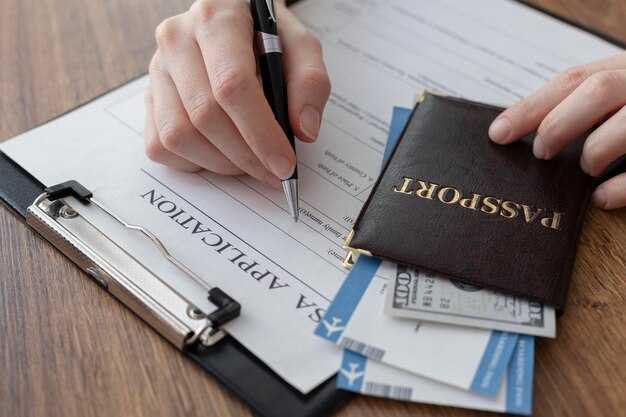
Check current passports and visas before you pack. Verify each guest has a passport valid for your travel dates and the visa or ESTA you may need; plan at least two days for processing if renewal is required. Onboard, store a backup set of copies for service desk checks and keep originals in a secure location; these backups are necessary.
Hold correct IDs that match the reservation. Carry the passport data page, plus a government-issued photo ID for each traveler, and ensure names and dates of birth align with the booking. If you are resident in another country, bring the residency card or visa card that proves status. For those traveling alone, keep a trusted copy and designate an emergency contact.
Understand visas and ESTA in advance. If you hold a visa, ESTA (esta), or any other authorization, verify current validity through your travel dates. There are exceptions by country; applicants should check with the relevant authority. For travelers from washington, ensure the U.S. entry method is active, while EU routes may require a separate permit. For European itineraries, finland and portugal often have specific rules–verify what each stop requires before you board.
Backups you can rely on. Create digital copies stored securely in cloud access and print paper copies of the data pages, visas, and residency cards. Present these if asked during embarkation, port checks, or emergencies; service staff can guide you to authorize replacements if needed. Keep the originals in a sealed, water-resistant sleeve when you travel to avoid damage while at sea.
Special notes for families, residents, and overseas travelers. Singaporean guests should verify ESTA (esta) eligibility for their itinerary and ensure names match booking records. For residents traveling from europe, including finland and portugal, check each port’s entry rules and keep extra copies handy. If you are traveling with guests, ensure you hold documents for those travelers and that there are no mismatches that would trigger delays at the check-in. If you encounter any doubt, contact the cruise line authority to update you with the latest requirements.
Passport validity rules and renewal timing before sailing
Check your passport validity now: ensure it’s valid for at least six months after your sailing date and has two blank pages. If you’ve married or completed naturalization and changed your name, update the passport so your ID matches your bookings. Keep the passport in your carry-on for the trip to the port and during onboard tours, and note any name changes on your reservation to prevent mismatches.
Destination and cruise-line rules vary by country. In most cases, authorities require passport validity through at least six months after your cruise ends and at least two blank visa pages. cyprus residents or other nationals should check customs rules for each port; some ports require longer validity or different page requirements. Be aware that whose rules apply can vary by port, even on the same itinerary, so verify with both the cruise line and destination authorities before you sail. Additionally, this check prevented last-minute issues that could have prevented your sailing. Travelers cruising to multiple ports should verify each destination’s entry rules to avoid surprises. Failure to meet these criteria can cause delays at customs.
Renewal timing is critical: start the process well before you book a cruise. For most travelers, apply six to twelve months ahead if your passport is near expiration; this avoids delays if you need to schedule an appointment or travel during peak periods (such as January). You can apply online in many countries, or visit a passport office for in-person service. If you recently completed naturalization, expect your new name to appear on the document after processing; verify that your names match your reservation and tour tickets. If multiple options exist, select the renewal path that fits your timeline. For groups, determine who travels with which passport (adult andor child) to avoid mismatch.
Children and family members have separate steps. Ensure every guest has a valid passport before booking tours or boarding. If a group includes residents or travelers whose names differ from those on tickets, confirm that the names match across passports and reservations. For cruises that stay onboard and visit multiple countries, carry birth certificates or naturalization documents for minors when required.
What to do now: check the official cruise-line site to confirm passport validity, update personal data, reserve an appointment if needed, and note any particular rules for Cyprus residents. While you verify, set reminders to track expiration dates and update deadlines. If a passport issue arises, contact the cruise operator immediately to adjust itineraries or stay arrangements. Always carry your passport and a digital copy in your carry-on, and log in to your online profile to keep the document details up to date.
Visa requirements by destination and how to verify exemptions

Verify each destination’s visa rules online before you visit and at least 8 weeks before you sail. Use a precise search on the destination’s border department or foreign affairs site to locate the official policy for cruise passengers. For ships, exemptions exist in several countries, and rules vary by nationality and port call. If you hold a non-us passport, check how visa needs shift for your homeland and for your stay planned aboard or on shore.
Check the following sources for accuracy: the destination’s embassy or consulate pages, the ship line’s guidance, and the port authority notices. Note eligibility based on your nationality, including singaporean or other non-us travelers, the itinerary, and the planned days ashore. If an exemption applies, confirm whether it covers entering by sea or only at land borders, and whether bridging stays are allowed after the cruise ends. Policy does change from time to time, so verify close to departure. Hours of operation may affect processing times; some destinations require licenses for certain shore activities.
Some ports publish country-specific notes; for example, Haifa is a common call where visa rules may differ for cruise passengers. The rules for singaporean travelers or other nationalities can differ from non-us residents; always verify with the homeland department or consulate before you sail. If you receive a printed note confirming an exemption, carry the receipt or confirmation alongside your passport and ship documents. These policies are administered by the ministry or border department and can change.
Prepare a concise documents kit: a printed copy of the visa policy for each destination, the ship’s schedule, and a bank statement showing available funds for the stay. Have your visas or exemption documents ready for presentation at border control or upon entering the port. Include contacts for porters or shore-side agents if you need help during tours, and carry a note from the tour operator if required.
What prints and tickets to carry: boarding passes, cruise docs, shore excursion info
Carry printed boarding passes and cruise documents, plus shore excursion tickets, in a safe, organized folder.
Keep a digital backup on your mobile and email copies so youve got a direct link if paper copies fade. Label each document by leg of the trip to reduce disembarking delays.
For domestic itineraries, a government-issued photo ID and your booking number suffice; for international voyages, pack your passport, a backup copy, and any required visas. Check the homeland requirements and ensure the names on the docs match your passport to avoid last-minute issues.
Store originals in the cabin safe and carry copies in your travel wallet; mind you to keep a small paper backup and a separate copy at home in addition.
To determine what to bring, map your itinerary, note disembarking and reboarding times, and collect all materials from the service desk. These steps yield a complete set of details and reduce last-minute scrambling.
These practices also support round trips and multi-entry itineraries, making it easier to mind safety and avoid mix-ups at the gangway or shore crossings.
| Document | Source / Where to get | Print or digital | Tips |
|---|---|---|---|
| Boarding passes | Cruise line portal or airline site; mobile app copies | Print a hard copy and save as PDF; keep a mobile version | Ensure barcode is clear; attach to your carry-on; tag with your name and booking number |
| Cruise documents (itinerary, contracts, numbers) | Cruise line portal, confirmation email | Print and/or save as PDF; also keep in the mobile wallet | Verify port times and disembarking details; confirm your cabin number matches |
| Shore excursion info/tickets | Online booking portal or excursion provider | Printouts or PDFs; store on mobile as backup | Note meeting point, time, and provider contact; carry the booking reference and emergency contact |
| Passport(s) and government IDs | Issuing government authority; copies from a trusted source | Originals in safe; carry color copies; digital copies stored securely | Names must match booking and port records; carry on you during port calls |
| Visas and travel authorizations | Consulate or visa service | Print and digital versions | Check validity window; request multi-entry only if your itinerary requires it |
| Insurance card and emergency contacts | Insurance provider and personal records | Print and digital | Include local emergency numbers and a quick-access contact list |
| Luggage tags | Cruise line or hotel welcome materials | Printouts; keep spare tags | Attach securely; use a backup tag in your bag |
Documents for minors: passports, consent notes, and parental IDs
Always carry originals plus copies for every minor, and keep them in a waterproof folder while you travel. Store a second set with a trusted adult in case disembarking or port checks require quick access. Most lines administer these checks with tight timelines, so assemble everything weeks before the sailings and verify each item below.
-
Passports – Every minor on international itineraries needs a valid passport book. Ensure the document is valid for at least six months after your return and that the name matches the child’s birth records. If you have only a passport card, expect limits at foreign ports and some cruises may require the book. For itineraries including Italy, Turkey, or other foreign ports, obtain or renew the book well in advance; most families obtain these documents months ahead, not last minute.
-
Consent notes – A notarized permission letter from a non-traveling parent or legal guardian is often required for unaccompanied minors or when one parent travels with the child. Include:
- barnets fullständiga namn och födelsedatum
<li ship name, voyage dates, and port calls
- kontaktperson vid nödsituation och kontaktuppgifter för förmyndaren <li explicit authorization for disembarking and any tours or activities <li date, signature, and notary stamp
Keep a hand-signed copy in the folder and a digital copy stored securely, if permitted by the carrier.
Parental IDs – Bring a clear copy of the parent’s photo ID (driver’s license or passport) for each consenting adult. If both parents travel with the child, include both IDs; if one parent travels alone with the child, attach a copy of the absent parent’s ID and the notarized consent note.
Support documents – If custody arrangements apply, bring court orders or custody documents that confirm which parent or guardian may authorize travel and care. These are below the main items in priority, but they can prevent delays during port checks in places like Florida homeports or on itineraries that include foreign ports.
Extra tips – Have copies stored in a separate bag from the originals. If a document is lost, you can replace it quickly while you’re still in the port area. Consider keeping a scanned set in a secure email or cloud storage for backup, and check with the line’s administrative team or the newsletter for updates on required forms.
Before you pack, review details from the cruise line and the port authorities for sources of truth on permission and document requirements. If the itinerary includes foreign calls like Italy or Turkey, obtain the passport book and notarized consent well in advance. For tours or shore excursions, carry the consent notes and parental IDs to avoid delays during disembarking. If a parent cannot accompany the child, the consent process becomes the most critical step to keep disembarking smooth and stress-free.
To stay current, sign up for the cruise line’s newsletter and check the “foreign travel” section of the site. This keeps you informed about any administrative changes, and you’ll know exactly what to bring for each sailings season. When you prepare, focus on the essentials, below, and you’ll avoid last-minute issues at the port.
Digital copies, backups, and staying updated on visa changes
Back up passport data page and visa copies today using two secure locations: encrypted cloud storage and an offline, password‑protected drive. Keep a mobile copy accessible offline for quick checks at the port or airport; this result reduces stress if networks are slow or unavailable.
What to back up (two tiers):
- Passport front page and visa pages, plus any current visas
- Photo copies of licenses and drivers licenses (front and back)
- Certificate and supporting documents (travel authorizations, vaccination records, or other proof of eligibility)
- Evidence of current travel status for each port of call
- Copies of booking confirmations and service documents from your voyage
Organization and security tips:
- Name files consistently: Passport_Front, Visa_Page_Expire2025, Licenses_FrontBack, Travel_Certificate.pdf
- Store one copy in cloud with end‑to‑end encryption and enable two‑factor authentication
- Keep a second copy on an offline drive that is physically locked when not in use
- Maintain a quick‑access photo folder on your mobile device, protected by a strong, unique passcode
Why this matters for a voyage that crosses oceans or skirts multiple regions–like a transpacific route or a Florida stop along a southbound itinerary. If documents aren’t accessible, ships wont sail and you may incur fines or costly delays. A well‑organized set of backups helps you respond quickly and keep your travel plans on track.
Staying current on visa changes is essential for smooth travel. The following steps keep you ahead without overhauling your plans each week:
- Identify official sources for every country on your itinerary (embassy or consulate sites, and the official visa service portal) and bookmark their pages for a quick check.
- Set up alerts or periodic reviews (every 30 to 90 days) to catch new requirements before you pack or depart; include ports in the south and any transpacific segments.
- Build a simple tracker with per‑country visa type, expiration dates, and any new forms or supporting documents requested by authorities
- If a change appears, verify your eligibility and update your files. If needed, contact the relevant service for clarifications to avoid disruptions on your Florida voyage or across other destinations; this can save costs and time on the day of travel
Practical tips for ongoing readiness:
- Keep a current copy of your passport data page and visa stamps in both cloud and offline backups
- Include a photo of front pages for quick reference in low‑bandwidth situations
- Review official opinions from authorities only; rely on those sources rather than third‑party advisories
- Document changes in your travel plan edge cases, such as multiple ports in a single voyage, to avoid last‑minute surprises