


 Svenska
  English (UK)
  Русский
  العربية
  日本語
日本語  한국어
한국어  Magyar
  Türkçe
  Español
  Čeština
  Português
  Ελληνικά
  Suomi
Suomi  Nederlands
  Română
  Italiano
  Français
  Polski
  Українська
  Deutsch
  简体中文
简体中文  Slovenčina
  Wake Surfing for Beginners – Top Tips to Ride Confidently">

Börja med denna konkreta rekommendation: bär en hjälm och en välpassande väst, och lås fast i en låg, atletisk stance as your foundation innan du rider på vågorna. Denna setup håller dig balanserad när båten drar dig framåt och hjälper dig att snabbt återhälla dig efter en vobbel.
Ställ in för hastigheten till ungefär 10–12 mph (16–19 km/h) och hålla föraren informerad; detta intervall hjälper dig maximera stability och gör vaken enklare att åka. Stanna against vågen kommer och förflytta din vikt något mot bakre foten för att hålla balansen.
För den bästa technique, behåll din foundation och stance med en avslappnad överkropp: knän böjda cirka 15–25 grader, bröstet uppe och blicken framåt. Being lugn hjälper dig att reagera smidigt på varje drag.
Lyft smidigt genom att använda höfterna för att driva framåt längs med slutet; det håller dig på planet och redo för nästa rörelse. Also, håll armarna avslappnade och axlarna i nivå för att undvika att dra brädan ur balans.
Progression: när du känner dig stabil, prova en grundläggande trick som en grund spin eller en enkel ytmanöver; soon du kommer att få mer självförtroende och åka längre från båten. detta wakesurfer-rutinen hjäper varje åkare att göra framsteg med övning.
Säkerhet och etikett: bär en hjälm och en PFD, håll dig borta från linjen och signalera driver med en våg om du behöver justera. Vänligen Håll sessionen effektiv och återfuktad genom att ta korta pauser mellan löpningarna.
Beginner Wake Surfing: Core Steps to Ride Confidently
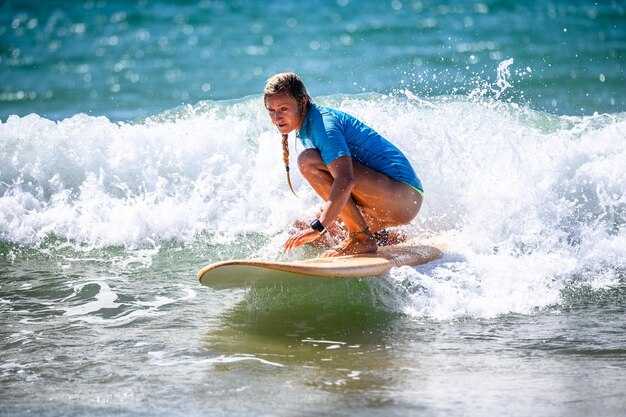
Använd en stabil, nybärvänlig bräda och ett jämnt wake för att börja; den här uppsättningen gör de första åkena enkla och bygger upp förtroendet idag.
Behåll en avslappnad, balanserad hållning: höfterna över brädan, knäna mjuka, axlarna över höfterna och blicken framåt. Båda fötterna förblir aktiva, och kroppen förblir centrerad så att du kan absorbera vågskump utan att spänna dig.
Under starter, lyft upp dig till en ställning med din vikt jämnt fördelad, sedan förskjut vikten lite mot bakre foten för att resa dig, håll brädan platt. När du åker, luta dig in i kanten för att initiera kontrollerade svänger på stillastående vatten, bygg momentum för längre äkningar.
När färdigheterna växer, lägg till enkla tricks och öva på att bemästra grunderna: börja med rena carvelinjer, försök sedan en varial när du känner dig redo; håll rörelsen jämn och avsiktlig för att undvika en gungning. Denna metod hjälper nya åkare att bygga upp självförtroende samtidigt som de utvecklar rytm och balans.
Strukturera varje session i korta, byggstenar: snabba starter, en handfull repetitioner, sedan en snabb återställning vid stranden. Denna metod förbättrar tillgängligheten för dagens elever och hjälper dig att göra framsteg snabbt, samtidigt som du håller dig i en avslappnad rytm och stöder din dröm om långa, smidiga sessioner på sjön.
Säkerhet och progression: Mät framsteg genom längre balanseringar och renare kantkontroll, och öka sedan gradvis hastigheten och wake-avståndet. Erfarna åkare kan pressa sig längre, men nybörjare bör hålla sig inom bekväma gränser och bara avancera när stabiliteten förblir solid genom hela svängarna.
| Phase | Focus | Action |
|---|---|---|
| Att stå upp | Stillt vatten, avslappnad hållning | Pop och stå med vikten centrerad; håll kroppen avslappnad |
| Riding basics | Kantkontroll | Flytta viken för att hugga; håll brädan platt i början |
| Tricksen | Varial basics | Träna små, repetitiva rörelser; bygg upp självförtroende |
| Progression | Konsekvens | Öka gradvis längden på åken och balansera innehav. |
Rätt storlek på bräda och uppsättning för din vikt
Börja med en wakesurfbräda på 5’0″–5’4″ om du väger 140–190 lb; lättare åkare kan använda 4’6″–4’10” och tyngre åkare 5’6″–6’0″. Att använda den här storleken ger stabilitet och lyft, vilket skapar en solid grund för din utveckling i vattnet.
Grund och specifikationer att kontrollera när du väljer ditt kort:
- Längd efter vikt: 4‹6››–4‹10›› för <120 lb, 4'10"–5'2" for 120–160 lb, 5'0"–5'4" for 160–190 lb, 5'4"–5'8" for 190–230 lb, 5'6"–6'0" for 230+ lb.
- Width: 18.5″–20.5″ suits most riders; if you’re heavier, 20″–21.5″ adds accessibility through greater balance.
- Volume: aim for higher buoyancy–roughly 28–38 L for lighter weights, 34–45 L for heavier weights–to keep movement centered and reduce effort getting up.
- Rocker: flatter nose and tail supports easy planing and a natural ride; avoid deep curves that slow your pop and require extra strength.
- Fin setup: start with a single center fin 4″–5″ for tracking; add side fins 3″–4″ if you want more grip, then remove them later as your balance improves.
Setup and technique to optimize for most riders:
- Stance: shoulder-width or slightly wider; toe angle 10–20 degrees outward for natural balance and easy weight transfer.
- Body alignment: stay centered on the board; a slight knee bend (about 15–22 degrees) helps with lift and control.
- Weight distribution: start with roughly 60% on the back foot to load for lift, then shift as you trim speed along the wave.
- Movement: keep smooth, deliberate body movement; let the hips lead and the shoulders follow to avoid spinning or overcorrection.
- Slack and feel: keep the upper body relaxed but avoid slack in your arms; a taut core supports balance and stability.
- Getting up: pop to stand in a single fluid motion, board flat, weight centered, eyes looking toward the wake to maintain stability and lift.
- Progression mindset: most riders start with short, controlled rides, then eventually build longer sessions and add basic tricks while preserving balance and control.
In this order, choosing size, dialing stance, setting the fin system, and refining body movement will maximize your confidence and accessibility on a wake wave. Finding the right balance from the start helps you feel the wave sooner and push your skills toward advanced tricks with a supreme sense of control.
Hip-Driven Stance: Align Hips, Shoulders, and Feet
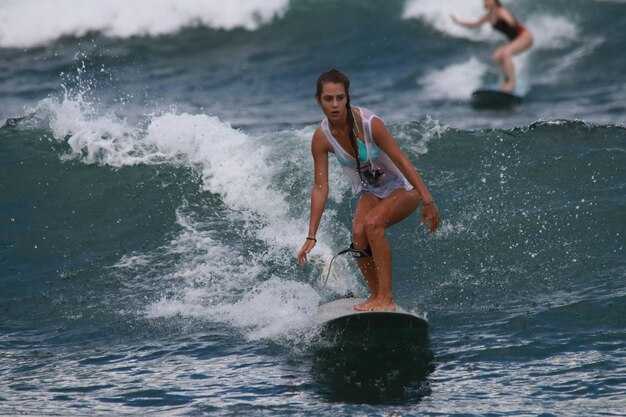
Set baseline with a hip-driven stance. For beginners, place feet shoulder-width apart and angle them about 10–15 degrees outward. Align hips square to the direction you plan to ride, and keep shoulders over hips to maintain a neutral spine. This setup improves balance, control, and accessibility on the wake.
To create movement from the hips, rotate the hips first as you edge, while keeping the chest pointing forward. Avoid letting the knees or lower back dominate the action. A clean line from hips through shoulders to feet helps your turns stay steady and predictable.
Foot placement specifics: front foot near the board’s midline, back foot toward the tail, with feet parallel or a gentle outward angle. Maintain about 50/50 weight when stationary; as balance builds, nudge weight slightly toward the back foot to help prevent the nose from rising during cuts behind the wake.
Drill cue: practice with a calm lake, follow a slow speed, and hold short. Focus on gradually increasing hip rotation to create controlled movement. Start with small habits: 15–20 degree hip rotation, hold 2–3 seconds, then release. Repeat to build consistency; some spins from the hips help you learn direction control.
Common mistakes and fixes: hips facing too far outside the board pull you off line; keep shoulders aligned with hips; if the board nose lifts, soften the back knee and shift weight slightly back; glance at a spot ahead and reset alignment whenever you feel off balance.
Progression tip: as you gain comfort, add small spinning moves to both directions and tiny trick-like cuts while maintaining the hip-driven base. Those steps build confidence and direct control behind the wave.
Pop-Up Drill: Smooth Transition from Knees to Standing
Pop up in one smooth motion: plant your front knee on the deck, push your chest forward, and bring your back foot under you until you stand tall. This quick transition keeps surfers confident and moving toward riding with control and a clean line from kneels to standing. This stance improves moves on the water.
lets,start with a tight dry-run on land: repeat the motion 8–12 times, no board, to lock the feel of the hips and spine as you pop.
When you move to the water, set up your stance by keeping weight centered and using your core. Align your hips so your torso stays perpendicular to the direction of travel, then drive upward with a quick hip thrust, guiding the front foot forward onto the board in a single sweep. If you feel unsure, dont rush the pop; reset and try again. From there you can carve the board and create forward momentum, keeping a smooth rhythm as you ride.
Wear a helmet and stay mindful of the marine environment: give people space, check the boat’s wake, and practice in calm conditions until you’re comfortable. A coach said that patience pays off. Enough room and proper gear allow you to learn without risk and help you stay in control.
With repetition you’ll build the best technique: you become more confident, your rides become long, and you’ll feel freedom as you move from kneeling to standing without hesitation on moving water. Focus on keeping the front foot active and the back foot driving the pop to keep your balance clean and fluid. Please stay patient as you keep drilling this until the transitions feel effortless.
Weight Transfer and Edge Control on the Wake
Place weight on the rear foot and keep knees soft as you approach the wake; hold the edge and ride level. Using a steady edge gives you freedom on the water and sets a reliable foundation for the series of moves ahead.
As the wake arrives, shift weight slowly toward the rail edge to establish a clean carve. Maintain a low center of gravity and keep hips quiet; this gives control and helps you maintain balance when the boat rolls you side to side.
To change direction, apply a gentle hip move and tilt the board along the rail with your chest facing the line. This lets you adjust and find a clean arc for a first turn.
Remember the foundation: balance and edge control come from steady practice with wakesurfers, not big jumps. Focus on a relaxed upper body, maintain a steady line with your core, and let the boat do the work. Advice here is to practice short edge moves on calm water, then extend the edge duration gradually to build confidence.
Fall-Safe Techniques: Safe Bailouts and Quick Re-entries
Bail toward your back and let the board slip away toward the boat, then rotate to face the wake with a level, well-relaxed spine and eyes up.
Remember to keep your legs soft and slowly bring them in, using a steady pump to rise back into position. This approach reduces impact against the water and helps you recover quicker in marine conditions.
For this wakesurfing path, regular and goofy riders both benefit from solid bailouts and fast re-entries; which stance you started with sets the direction, but the core moves stay the same: stay calm, face the boat, and use your legs to control the return.
- Safe bailout drill (begins at the start of every session): if you started in regular stance (left foot forward) or goofy stance (right foot forward), rotate your shoulders toward the water, loosen your grip, and let the board slide away while you roll onto your back. This keeps your face away from the board and prepares your hips for the next move.
- Head and body protection: tuck your chin, keep your eyes on the boat, and keep your hands up to shield your face. A calm breath and a slow exhale help you stay relaxed through the fall.
- Board clearance: allow the board to move away toward the boat so it won’t strike your legs or torso; you should feel the water against your back as you settle into a stable float.
- Quick re-entry setup: facing the boat, drop your hips a touch and place your hands on the deck, then use a small pump with your legs to lift your chest and bring your hips under you.
- Foot placement and stance: as you rise, plant the front foot on the board while the back foot slides up; keep their toes pointed toward the edge and your knees slightly bent to maintain balance.
- Stand and ride away: push through your legs, rise to a solid stance, and look toward the boat to steer away from the wake. This sequence increases stability and helps you regain rhythm quickly.
Beginner starts benefit from repeating these steps with slow, deliberate movements until they become muscle memory; remember that practiced rhythm makes your bailouts and re-entries smoother, and builds confidence in their face of unexpected falls.