


 Svenska
  English (UK)
  Русский
  العربية
  日本語
日本語  한국어
한국어  Magyar
  Türkçe
  Español
  Čeština
  Português
  Ελληνικά
  Suomi
Suomi  Nederlands
  Română
  Italiano
  Français
  Polski
  Українська
  Deutsch
  简体中文
简体中文  Slovenčina
 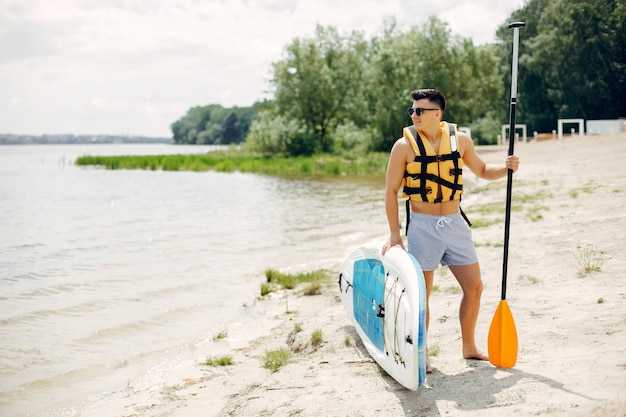 Top Lake Michigan Wakeboarding Trips – Best Spots, Tips, and Itineraries">

For beginners and families chasing a short, high-reward session, Grand Haven delivers a practical start. A broad sandy beach, shallow entry, and public boat launches create safe access for rentals and top-of-the-line gear. Here you’ll find calm mornings and consistent wakes, with that steady cadence you need to build your wakeboard performance on proper runs. The rental shops provide boards with guided coaching to help you stay in control and get back on the water quickly.
From Grand Haven you can swing to Holland and Muskegon for a string of reliably surfable days. In Holland, a sheltered shoreline and dune-backed beaches offer protective water during spring winds, making it ideal for beginners and family trips. The shops here provide gear with friendly coaching, so you can push your first wakes and catch a few nice waves while renting top-of-the-line equipment to maximize your confidence.
Extend your itinerary northward to Ludington or Manistee, where the wind shifts create longer lines and more variation. Trips through these towns let you compare shore angles and wind directions, helping both inexperienced riders and experienced riders tune their performance and take a bigger thrill on longer runs into the lake. Short drives between spots keep you on the water more and off the road, a fundamental win for a lifestyle that values sun, water, and time with family on the shore.
Sample 3-day plan: Day 1 Grand Haven for a calm morning session, Day 2 Holland for a midday run plus a sunset thrill, Day 3 Muskegon for longer wakes and a quick surfable profile. For a 4-day itinerary, add Ludington with a dawn session on Lake Michigan proper, then a family-friendly dinner in Manistee or Pentwater. Each stop provides that mix of beach access, shop support, and top-of-the-line rental fleets to keep you on the water. If you want to push your limits, add an evening session for a few clean waves under a calm sky and feel the difference in your wakeboard performance.
Practical tips: check wind direction before dawn, wear a wetsuit when water sits below 70 F, and choose a setup sized for your level. For beginners, start with shorter runs and a coach who can ride beside you; for experienced riders, request a longer rope and cut through the chop to test balance and thrill without losing control. Focus on keeping weight centered, knees flexed, and a smooth edge on each cut, so your trips stay safe and enjoyable while you build a flexible lakewide lifestyle and steady wakeboard technique.
Regional Wakeboarding Hotspots on Lake Michigan
Reserve a half-day on Milwaukee’s waterfront or Chicago’s North Shore for instant access to Lake Michigan wakes. Warm-weather weekends bring calm, clear waters that are perfect for family learning and adrenaline-filled first runs. Local providers supply wakeboard gear and coaching, and they will arrange gear deliveries to the marina once you have a reservation. Start with a wave and easy turns to build confidence, then advance through the levels as you stay ready for bigger rides.
Move north to Muskegon and the Grand Haven–Holland zone, where larger waters open up longer wakes and more space for confident turns. Here you’ll find coaching for all levels, focusing on control, edging, and stance. Water temps climb into the mid-60s to low-70s during warm-weather months, making it comfortable for families to spend a full session on the water. Local operators tailor sessions to your level, and they use technology to track progress and deliver real-time feedback.
For Ludington, plan a half-day or full-day itinerary to maximize time on the water. Morning conditions tend to be smoother, while afternoon sea breezes can build a bigger wave and sharper turns. The region supports wakeboard schools with tow boats and safety coaching, with reservations helpful to ensure a boat and guide are ready when you arrive.
On Michigan’s northern shore, Petoskey and Charlevoix offer pristine waters and scenic waterfronts, pairing challenge with beauty. Expect cooler temps in spring and early summer; suit up, and you’ll enjoy calmer mornings that suit beginners. In peak season, experienced riders get longer runs and larger air with favorable winds. Clinics emphasize safety, technique, and memorable experiences.
Down the Wisconsin coast, Two Rivers and Manitowoc deliver practical access to Lake Michigan wakes with steady wind patterns. These spots work well for students and families seeking consistent practice, with harbor areas that reduce chop and make it easier to stay on a wakeboard. Equipment deliveries and boat tow options streamline your day; plan a morning session, then wrap with a waterfront meal at a local restaurant.
Practical note: whenever you plan, check the forecast and aim for morning sessions after a fresh no- or light wind day. Bring a wetsuit for shoulder-season mornings, know your reservation policies, and pick a session that matches your readiness level. In every hotspot, the waterfront scenery enhances the ride, turning a day on Lake Michigan into a series of memorable experiences.
Seasonal Timing, Water Conditions, and Best Time to Ride
Start the season with a morning session on the northern Lake Michigan coast in late May or early June, when the water is still cool but winds are usually light and boats are fewer. If you have a reservation, arrive ready to roll, store gear at a waterfront lodge, and run a full plan with your large crew so you hit glassy water before crowds build.
Seasonal Timing and Temperature Windows
- Late May to early June: water around 50–60°F (10–15°C); air cool and mornings calm–great for beginners and those new to wakesurf, catching, and mastering basics with minimal chop.
- June to July: water climbs to 60–70°F (15–21°C); mornings stay smoother, afternoons bring light to moderate chop; plan to ride early and finish before winds rise.
- July to August: water typically 68–78°F (20–26°C); peak season crowds appear; morning sessions stay the most reliable, with white foam possible as convection builds.
- September: water 60–70°F (15–21°C); fewer boats, relaxed tempo, ideal for a longer, focused day with a full itinerary and still manageable wind.
Water Conditions and Daily Timing
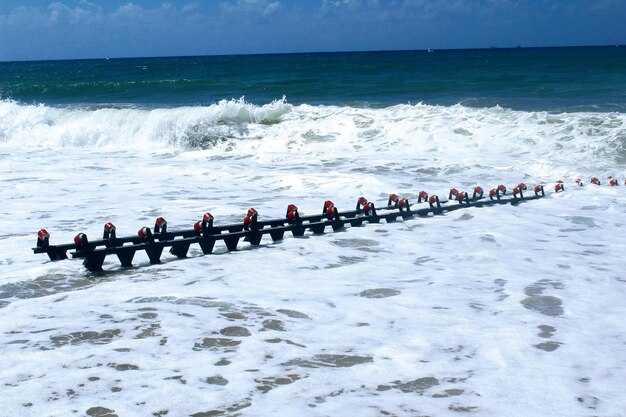
- Wind direction matters: northern exposures often yield smoother waterfront water; fronts can bring whitecaps and stronger chop, so check the forecast before you head out.
- Best time to ride: sunrise to mid-morning provides the most glassy water, which helps beginners gain confidence and lets your wakesurf practice feel clean without rough water.
- For large or mixed groups: book blocks that include a blending of wakesurf, catching, and boat-assisted runs; this keeps everyone engaged and avoids bottlenecks on a single model day.
- Condition cues: watch weed lines, current, and boat traffic; these factors influence traction and stability during pulls and board transitions.
- Safety and gear: wear a wetsuit or full suit in shoulder months; bring a life jacket, a small dry bag for storage, and ensure your equipment is ready to go without delays.
- источник: long-term lake records show these patterns repeat season to season, helping you plan what to expect month by month.
These timing guidelines help you explore conditions without sacrificing your best rides. If your goal is excitement and steady progress, plan around calm mornings, target the northern shoreline, and use a waterfront lodge with storage and ready access to wakesurf gear, so your group can focus on mastering the basics and enjoying every run with your crew. Your season starts when you’re ready–even a short, well-timed session can set the tone for a full season of catching, riding, and improving.
Launch Access: Marinas, Ramps, and Nearby Rentals
Begin at Burnham Harbor Marina’s public ramp for fast water access. A nearby marine shop can deliver a nautique boat and wake equipment to the dock, so you start the rides without hauling gear from afar. Reserve a lane and a coach in advance to keep your session on track; that helps you stay focused and ready to perform.
Monroe Harbor and 31st Street Harbor offer similar launch options and compact towing corridors; each location has a ramp, parking, and nearby rental desks where you can grab wakesurf boards, wakeboards, vests, and ropes. Boating traffic is lighter on weekday mornings, and a pre-launch gear check saves time when they arrive with your setup.
When planning, check ramp hours, weather windows, and wind direction; warm-weather mornings usually offer smoother water and lighter crowds. If you’re riding with a small group, verify weight limits on the boat you book and aim for a craft that balances weight and stability; thats why a master instructor can help you optimize your rides.
Nearby rentals deliver wakesurf and wakesurf-gear bundles, including sizes for beginners and a master instructor; make a reservation so gear fits your crew and you don’t wait. Look for fleets that include kid-friendly boards and reliable lines, and confirm they can deliver to your ramp without extra hassle.
Pull off a quick photo after a clean run; white spray against glassy water makes for sharp shots that show how you deliver on the wake. If you want to perform a few tricks, ask the shop for a quick board swap or a lighter setup.
After launch, explore the birch-lined lakeside parks and gull-filled horizons; if you’re curious about catching fish from shore, some marinas offer permitted spots when boats are docked. Always keep a reservation confirmed and coordinate with the staff to line up your next slot.
Two-to-Three-Day Wakeboarding Itineraries for Lake Michigan
Begin with a two-day plan that pairs Milwaukee Harbor and Grand Haven; these spots deliver reliable wakes and steady excitement for every wakeboard ride.
Designed for a two-to-three-day window, the routes blend warm-weather days with short practice blocks and quick photo stops. Prepare a light storage tote for gear and keep a spare board or vest within reach on the boat’s storage racks. If youre planning the crew days, this setup minimizes downtime and keeps every runs moving smoothly.
Day 1 concentrates on solid fundamentals: two short wakeboard blocks (each 45 minutes) with a 30-minute break to swap boards, re-tie lines, and snap a photo along the birch-lined shore. The towboat systems deliver consistent pulls, making it easy to focus on catching the wave and refining edge control.
Day 2 shifts to Grand Haven’s channel and nearby Muskegon for a longer ride and, if the crew wants, a wakesurf option. Aim for a single 75–90 minute session on the water, then switch gears for a 20–30 minute wakesurf run. They can keep the pace up or slow it for a relaxed set, depending on wind and water conditions.
Optional Day 3 adds a South Haven or Benton Harbor leg with two 60-minute rides and a final shoreline photo stop. This short extension helps you wrap up every target line, collect more memories, and store gear efficiently for the ride home.
Storage tips keep gear safe without clutter: use a compact dry bag on board, clip vests to the railing, and place boards in the dedicated rack when not in use. Bring a compact camera or phone for quick photo moments, and keep a spare leash and fin key handy for quick fixes between runs.
| Day | Plats | Focus | Start Time | Duration | Anteckningar |
|---|---|---|---|---|---|
| Day 1 | Milwaukee Harbor | Two short wakeboard blocks + gear swap | 07:30 | 2 x 45 min; 30 min break | Warm-weather window; birch shoreline nearby; photo stop |
| Day 2 | Grand Haven / Muskegon area | Long ride + wakesurf option | 09:00 | 75–90 min | Check wind; marine systems keep pulls smooth |
| Dag 3 (valfritt) | South Haven / Benton Harbor | Två 60 minuters pass | 08:00 | 2 x 60 min | Säkerhetskopieringsalternativ; kort ände med toppfotoställen |
Topp Vattenaktivitetsbåtar Vi Har På Gull Lake Marine
Välj MasterCraft X26 för en balanserad wakeboarding-plattform som levererar prestanda direkt från Gull Lake Marine. Designad med ett brett skrov och en tillgivande interiör, rymmer den både förstagångsåkare och wakeboarders som söker solida, repetabla turer. Vår besättning kan anpassa ballast, sittplatser och ryttaruppsättning efter din besättningsstorlek för en optimerad dag på vattnet.
Med stor ballastvikt och ett responsivt skrov skapar X26 rena vågor som är lätta att fånga och åka på. Ballastsystemen låter dig sänka eller öka vikten under åkningen, så att du kan byta från smidig kryssning till skarpare wakeboarding utan att stoppa båten.
Next is the Malibu Wakesetter 23 LSV, built for unique setups and a family-friendly vibe on the waterfront. It features dual-level seating, white upholstery, and birch accents in the cabin, giving a light, bright feel. The Power Wedge and Surf Gate smooth the wake for catching big airs without sacrificing agility. Staff from Gull Lake Marine will tailor the ballast and Surf Wake System to your ability.
På Nautiquesida så ger Super Air G23 fokus på responsiv hantering och återförlig åktur, perfekt för morgnar på sjöar i norden när du vill ha konsekventa vågstorlekar för wakeboardare och familjekörare. Den använder ett robust ballastsystem och en lättanvänd kontrollpanel så att din besätning kan justera ton och våghöjd medan de åker.
Ett annat starkt alternativ är Supra SA-serien, som levererar stor ballastkapacitet och en mer okomplicerad cockpitlayout som håller fokus på livsstilsessioner. Dess viktfördelning stödjer smidiga, stabila åkningar för att fånga kast, medan besättningen kan konfigurera sittplatserna för att rymma en större familjegrupp.
All Gull Lake Marine-båtar kommer med uppmärksam personal och fokus på säkerhet och roligt. Vårt team ser till att båtarna är förberedda för testkörningar på en lugn dag vid vattnet. Vi är dedikerade till att hjälpa wakeboardare, familjer och fritidsbåtförare att maximera spänningen på vattnet; det är därför vi håller ett litet, högt utbildat team redo att svara på frågor och boka demonstrationer.