


 Svenska
  English (UK)
  Русский
  العربية
  日本語
日本語  한국어
한국어  Magyar
  Türkçe
  Español
  Čeština
  Português
  Ελληνικά
  Suomi
Suomi  Nederlands
  Română
  Italiano
  Français
  Polski
  Українська
  Deutsch
  简体中文
简体中文  Slovenčina
 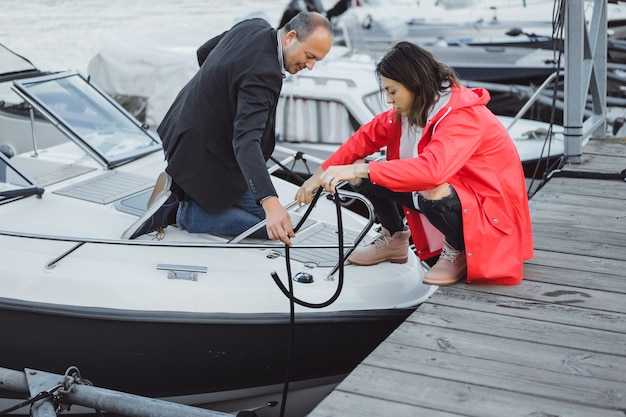 Tips for Good Boating Etiquette – Essential Rules for Safe and Respectful Waters">

Always give way to vessels with the right of way and slow to idle speed when approaching docks, swimmers, or anchored boats. Maintain a buffer of about 60 meters in open water and 10–20 meters from shore to reduce collisions; your careful approach saves lives and avoids costly damage. every crew member should know the plan and help keep a smooth back‑and‑forth rhythm on the water, like calm, predictable movements with clear signals.
Communicate your intent clearly before turning or changing course. Use a single, calm channel on VHF or the boat’s radio, and announce your plans well in advance. If you’re the host or operating with a crew, invite volunteers to help with watch duties or gear stowage; this keeps the deck tidy and prevents loose items from becoming projectiles. Practice a step-by-step routine to advance your safety skills. If someone asked for coordination, you would respond with the agreed plan.
Respect personal space near shore and moorings. Give kayakers and swimmers a wide berth; reduce speed to idle to avoid creating wakes near crowds. Always secure pets indoors or on a leash while underway, and rinse off salt at the dock to prevent irritation. If youre bringing guests, remind them to keep hands inside and pets secured when docking.
Watch for others on the water and avoid cutting across wakes. When passing, announce your intent and give a wide berth to rowers and stand-up paddlers. If youre not sure of the speed or distance, slow down and err on the cautious side.
Keep your lights and signals in working order; check navigation lights at dusk and dawn. Review your skill and assign duties to your crew: one lookout, one line handler, one radio operator. Boaters were safer when each person knows their role.
At the dock, rinse off salt, secure lines, and protect fenders; leave the slip clean for the next boater. Pack out trash, avoid plastics, and respect wildlife.
Advance your knowledge with a practical guide and checklist; this advice helps many skippers keep risk low and stay on the water longer. Remember that etiquette isn’t about strict rules alone, but about making every trip smoother for everyone on the water.
Tips for Good Boating Etiquette: Safe and Respectful Waters
Keep speed low near docks to protect moorings and fellow boaters, and if youre approaching a crowded area, slow down to reduce wake and noise; consider the needs of passengers and bystanders on the shore.
Signal clearly and ask whats the intended passing side; pass on the port side unless the other vessel indicates otherwise, and keep sound signals to a minimum, using a single short horn if visibility is limited.
Respect anglers by giving them space along the shoreline or in coves; avoid crossing lines, and keep engines idle if a line dips into the water; many anglers rely on calm water to cast; if you need to pass, do so far enough away to prevent snags and line breaks, while staying mindful of the vessel behind you.
If youre hosting passengers, assign seating away from rails to reduce falls, check life jackets for everyone, and confirm needs of kids or guests; if you were invited aboard, follow safety briefing and point your passengers toward the closest exit in case of emergency.
At night switch on proper navigation lights, avoid loud music, and keep speed for safe stopping distance to support responsible boating. Once anchored, verify your position and check for hazards. This practice makes night sailing safer for everyone on the water.
Check faqs from the local harbor or coast guard, and use follow-up notes after trips to improve etiquette; showing what you learned helps others, and this approach has been refined by many clubs and fellow boaters.
Make a quick pre-departure check: fuel level, hull chip, safety gear, weather; keep your plan simple and you wont miss key items before going.
Boating Etiquette and Safety: Core Rules on the Water
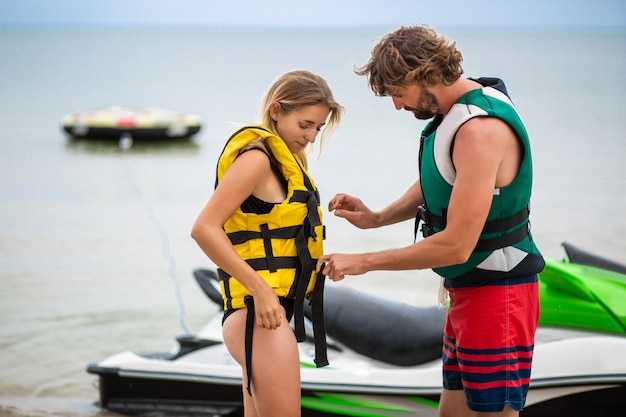
First, wear a life jacket for every person on board and keep it fastened at all times. This simple step makes moments on the water safer and more enjoyable for everyone on your crew.
Operate without creating large wakes near the shoreline, docks, or private property. A gentle wake protects erosion-sensitive banks, wildlife, and the calm experience others expect on the water.
Keep a 360-degree lookout and yield to fellow vessels, anglers, and people in craft that have the right of way. Being attentive to others reduces near-misses and builds harmony among all water users.
Heres a practical rule you can apply: communicate clearly with signals or a quick horn, then act with courtesy. Those few seconds of politeness save risk and make your trip warmer for everyone involved.
Make the shoreline and wildlife a priority; slow down near birds, seals, or protected habitats, and avoid looping too close to nesting areas. Wildlife disturbance not only harms animals, it also disrupts your own peaceful moments on nature’s edge.
First aid and basics should be on board, including a throwable flotation device, fire extinguisher, whistle, and a VHF radio for emergencies. Check weather and forecast before departure, and confirm someone on shore holds your float plan; later, update that person if plans change.
To keep the event enjoyable for those nearby, park respectfully at docks and inns, and do not anchor on private property or in prohibited zones. Quick, precise placement prevents damage and preserves the shoreline for future anglers and visitors.
| Rule | Practical Tip |
|---|---|
| Wear life jackets at all times | Choose Coast Guard-approved PFDs for each passenger; adjust straps for a secure fit before the engine starts. |
| Minimize wake near shorelines and property | Stay in designated no-wake zones; reduce speed when within 500 meters of shore and around anglers. |
| Respect anglers and slower vessels | Pass at a wide distance, yield the right of way, and communicate intentions clearly with horn or lights. |
| Maintain 360-degree lookout | Assign a crew member to watch for wildlife, swimmers, and changing traffic; pause to reassess in crowded waters. |
| Use safety gear and float plan | Keep throwable device accessible, have a written plan, and share it with a trusted contact on shore; confirm weather updates mid-trip. |
| Respect wildlife and nature | Keep distance, avoid chasing birds or seals, and silence loud music when near habitats to minimize stress on animals. |
8 Steps to Mooring Your Boat: From Approach to Securing
Step 1: Approach slowly and keep your bow aligned with the dock; throttle to idle as you near, to minimize wave and keep control.
Step 2: Gather passengers and assign roles: one handles the bow line, one handles the stern line, and another watches for traffic along the crowd; ensure everyone stays behind the rails.
Step 3: Pick the side with a cleat or piling and enter at a shallow angle, maintaining steady speed; communicate whats needed to the dock crew and be ready for a slight drift if the crowd on the dock shifts.
Step 4: Move to mooring: secure the bow line to the cleat with a snug wrap, then lead the stern line to a stern cleat or use a spring line; ensure lines run clean and twists are eliminated.
Step 5: Tighten lines gradually, watch fenders, and let the boat settle; if current or wind shifts, ease the line and then pull down slightly to maintain position.
Step 6: Check fenders are positioned to protect hull and rails, confirm the boat sits evenly with the dock, and anticipate bigger waves from passing boats; stay alert to any movement.
Step 7: Test security by giving a steady tug on each line; stand clear of loose gear, invite the captain and crew to inspect safety, and remind passengers arent allowed on deck during securing; check that doesnt pinch lines or overtighten, and stay aware if someone could go overboard.
Step 8: After securing, run a quick post-landing check: fuel level, lines stowed, and gear secured; share learning experiences with passengers, discuss whats next for responsible behavior and for generations to come, besides, what else could improve future moorings, because what you do now can mean a safer trip for all and a deeper respect for nature.
Clear Communication Before Entering a Dock or Channel
Coordinate with your crew and dock personnel before approaching. Assign a responsible person to handle comms, confirm the location and the intended entry path, and designate a single radio contact taking the lead. A practical piece of advice is to brief the fellow boaters nearby about your plan to avoid surprises without shouting and keep the entry smooth, a simple show of courtesy that reflects good manners. Keep music at a low level and secure drinks on deck to maintain clear listening, so you feel confident during instructions. Stand by with a straightforward check-in sequence that aligns each crew member’s body language and awareness of the road ahead.
Before entering, use clear signals to communicate intent. Verbally confirm, for example, “Dock side, coming in,” and apply a predictable hand signal when you are near the dock. When you switch from channel 16 to the dock’s working channel, keep the crew aware of any changes. Stand by for feedback and adjust your plan if conditions change, making sure every action stays predictable. Maintain awareness of wildlife and swimming nearby, and adjust speed to avoid wakes that disrupt others. If conditions demand, declare your intention to anchor and wait for a safe moment to proceed. marinemax guidance supports this approach, emphasizing concise, actionable communication and awareness on the body of water.
Before touch-down, stand by to take the lines and assign a person to stand by with fenders. Decide how long you will wait before leaving space for others, and announce when you are ready, leaving room for traffic. After docking, perform a quick cleanup of debris, secure property on deck, and ensure all gear is stowed. This approach protects the waterfront and wildlife, supports many boats, and creates calm moments for fellow boaters and wildlife along the road of water.
Wake Management: Reducing Wake Near Others and Shorelines
Keep to no-wake speed within 200 m of shorelines, docks, swimmers, and anglers. This simple rule reduces waves that wash onto sand and disturb beachgoers, and it keeps the waterway friendly for generations of boaters.
To cut wake, follow these ways: throttle back gradually, avoid sudden holding or sharp turns, and plan a path that passes shorelines at an angle rather than straight along them. If winds or currents worsen the waves, slow further and wait for the next clear gap in traffic.
Large yachts can produce larger waves; give them plenty of space, especially where people are boating, sunning, or lunching near the shore. Keep your speed and heading predictable so others hear and respond with confidence, not alarm.
When approaching crowded coves or channels, limit speed as you enter, and hold your course away from moorings. If you see anglers left along the shoreline, pass with patience and a wide berth to avoid dragging wake onto their lines or casting area.
Protect overboard and storage safety: secure all gear, bags, and cans; avoid throwing anything overboard. A tidy deck keeps the crew safer and makes it easier to keep control of the vessel’s waves and hold. The goal is safety and respect, not speed; keep your manners and sound signals clear so neighbors know your next move.
For sand and shorelines, maintain a wide passing distance; avoid running parallel to the beach. If you must cross a shallow area, do it at slow speed and with a clear plan so the sound and the wake do not disturb beachgoers or wildlife. This approach shows kind consideration and helps pass down good boating manners to their kids and cousins.
By applying these simple rules, you protect safety, reduce nuisance waves, and keep the waterway open for everyone–yours, theirs, and the next generations of anglers, sailors, and families who simply want a calm cruise on a sunny day.
Right-of-Way and Safe Passing Protocols
Always yield to vessels on your starboard side and slow to idle if there is any doubt about another boat’s intent. Maintain a clear, predictable course and pass well clear on the appropriate side; this reduces risk for every body on the water. There are simple options that work across generations of boaters, and awareness grows when we share experiences with the community there on the water. Staying responsible keeps everyone safe and makes boating more enjoyable for pets, kids, and seasoned skippers alike. If something feels risky, there is nothing to gain from rushing or improvising anything unsafe.
- Right-of-way basics
- Stand-on vs. give-way: If you’re the stand-on vessel, maintain course and speed; the give-way vessel should slow down and alter course to avoid collision.
- Head-on situations: All vessels steer to the starboard and pass port-to-port to prevent a collision.
- Overtaking: The overtaking vessel must keep clear and pass on the port side of the vessel being overtaken.
- Crossing and passing protocols
- Approach from the side: Reduce speed early when visibility is limited; signal intent with a short horn blast and, when practical, a radio call to confirm your plan.
- Distance: Maintain at least 30–50 meters (100–150 feet) of clearance when passing; in busy docks, extend to 100 meters (300 feet) where possible to avoid wake transfer.
- Kommunikation och signalering
- Use lights at night and a VHF channel 16 call when in doubt; clearly identify your vessel and direction.
- Follow through: If another vessel slows or moves to avoid you, acknowledge with a short horn or wave to confirm mutual understanding.
- Docking and anchoring etiquette
- Don’t block channels or docks; give space for loading and unloading there and avoid anchoring in key traffic lanes.
- Anchoring: Choose sheltered areas away from traffic lanes; anchor with the bow toward the current and keep the rode tidy to prevent snagging.
- On-deck safety and gear
- Secure supplies and bags so they don’t shift; stow drinks in closed containers to prevent spills that distract crew or other boaters.
- Keep pets secured and away from gunwales; maintain your own balance and stance to stay in control.
- Protect yourself: avoid leaning over rails when going astern or making sharp turns; coordinate movements with your crew to maintain balance.
- Restricted visibility and low-light scenarios
- Reduce speed, use proper lights, and maintain a safe following distance; communicate intent early to nearby vessels there is no ambiguity.
Dockside Etiquette: Handling Lines, Fenders, and Space
Plan your approach and assign roles before you reach the dock. As a boater, communicate clearly with your crew and with fellow boaters so each person knows their part long before contact. Map the moor with two spring lines, then confirm the order: bow line first, stern line second, a back-up spring if space allows. The goal is a calm, controlled touch that keeps yachts and the home harbor safe and comfortable. If wind shifts later, adapt your plan without rushing. This routine makes your action become second nature for everyone on the dock.
On approach, establish a line-handling routine: one person at the bow takes the lead to grab the bow line from the dock, while another on deck manages the stern line. Never grabbing a line from a moving boat or over the gunwale; pass lines hand-to-hand and secure to cleats with even tension. Keep the port and starboard lines balanced, and have a back-up line ready. After securing, rinse salt from lines and fenders to extend their life. With practice, proper handling becomes second nature.
Fenders and space management: Position fenders evenly along the waterline to cushion hulls when you berth beside bigger yachts. Place fenders so they align with the hull’s curvature; avoid gaps that could pinch paint. When alongside, create a small space by trimming lines, leaving room for doorways and ladders. At night, use a dim deck light to guide your hand and reduce glare for neighbors. Keep the space limit in mind to prevent contact as winds shift.
Respect a harmonious dock life: keep awareness of people moving on and off docks, greet fellow boaters with a brief nod, and avoid loud chatter. Remember that accepted etiquette includes staying clear of others’ lines, not grabbing space, and being mindful of your own noise and wake. Where you’re docked, you hear the water and feel the warm breeze; that sense of nature should guide careful actions. If theyre crowded, keep distance and keep yourself steady. Docking is a thing we share at home; treat it as part of being considerate toward others.