


 Svenska
  English (UK)
  Русский
  العربية
  日本語
日本語  한국어
한국어  Magyar
  Türkçe
  Español
  Čeština
  Português
  Ελληνικά
  Suomi
Suomi  Nederlands
  Română
  Italiano
  Français
  Polski
  Українська
  Deutsch
  简体中文
简体中文  Slovenčina
 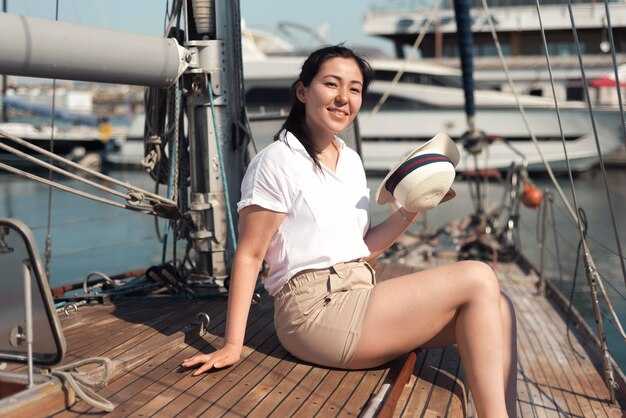 The Ultimate Guide to Sailing the British Virgin Islands – Essential Tips & Best Routes">

Begin with a sheltered hop: anchor or moor at Trellis Bay, Tortola, and set sail toward Virgin Gorda for a first night near The Baths. This approach keeps the crew comfortable, avoids long crossings in steady trades, and lets captains tune sail trim while the boat settles. Plan for calm mornings, use a reliable wind line, and keep the first leg under five hours to preserve energy for the week ahead.
The Baths on Virgin Gorda offer an unreal arrival experience: smooth granite domes, tidal pools, and secret grottoes that make every long climb worthwhile. Walkers find hidden pools between the rocks, while goats graze along the hillside trails–a small local detail that adds character to the route. After exploring, drop anchor or take a mooring at Leverick Bay for a quick reset, fuel, and a friendly chat with local crew who know safe spots for a comfortable next hop.
For an efficient loop, a balanced itinerary works well: Virgin Gorda to Anegada (roughly 2–6 hours depending on wind), then to Jost Van Dyke’s Great Harbour (about 2–4 hours), and from there to Norman Island before returning toward Tortola. Favor routes that minimize exposure to open water in the afternoon, and keep a flexible plan to switch to calmer shelters if a front moves through. The most rewarding destinations include Long Bay Beach on Anegada, the beaches around Jost Van Dyke, and the coves around Norman Island, each offering distinctive scenery and water clarity for unforgettable swims and baths near shore.
With moorings at Trellis Bay, Soper’s Hole, Great Harbour, and Leverick Bay, you can ride predictable trades while keeping the crew rested and fed. Before each leg, check the latest local notes for mooring field upgrades, tide windows, and shoal areas near all listed spots. Bring a seasoned approach: read the wind shifts, keep lines well managed, and stay mindful of other vessels to preserve a good pace for every long hop. This practical setup promotes tranquility, clear routes, and the chance to savor the incredible variety of islands that define this cruising arc.
The Ultimate Guide to Sailing the British Virgin Islands: Tips, Best Routes, and the All-Inclusive Crewed Catamaran Experience
Book a certified, all-inclusive crewed catamaran for your BVI trip. This option handles meals, provisioning, and route planning while you focus on snorkeling, swimming, and iconic sunsets. It delivers unreal experiences, from calm mornings to overnight sails, back-to-back adventures beyond the ordinary. Whether you want luxury or a lean, back-to-basics feel, a crewed catamaran helps you visit a hidden cove and iconic anchorages with ease. If you want bareboat freedom or a crewed convenience, this setup keeps you sailing with a ready-made plan while you live aboard and soak in the scenery.
Top routes vary with wind; a common loop starts near Soper’s Hole on Tortola, heading to Norman Island for sheltered anchorages, The Bight and The Indians, then to Peter Island for a quiet overnight in a protected cove. From there sail to Jost Van Dyke for White Bay and a sunset at Great Harbour, then on to Virgin Gorda for The Baths and North Sound, before looping back via Cane Garden Bay to Tortola. The sequence delivers every day a new mood and offers iconic sites beyond easy reach by land on these islands.
Seasickness is common at first on longer hops; here are tips to ease it: bring ginger, wristbands, and a light, frequent-eats plan. Keep to a steady speed, get fresh air, and choose mornings for the longest hops. The crew will adjust sails to maximize comfort, and they know the protected coves where you can drop anchor if you need a break.
Onboard life with a crewed catamaran translates to this: the hostess coordinates meals, the onboard chef crafts fresh dishes, and ollie the captain coordinates routes and safety. The floating deck and shaded lounging areas invite live-aboard mornings, while a quick splash off the stern becomes a daily highlight. If you want a quiet evening or a lively night at Foxy’s, the plan adapts with your priorities.
Planning your trip requires a few steps: set dates around steady trade winds, share your pace with the crew, and keep flexible to swap ports if seasick or winds shift. For travel to the BVIs, many guests rely on Expedia to book flights and a stay near Tortola; pairing with an Intercontinental resort on one end of the trip offers shore days with sea days in between. At the marina, a rental truck helps with provisioning and gear transfer, getting you to the dock without stress.
Language matters less on board since English is widely spoken, but some simple phrases in local patois and a friendly greeting go a long way. Helpful guides on board explain anchorage options, weather windows, and safety briefings, so you know what to expect each day. If you want to maximize time, share your ideal pace and anchor choices with the captain and hostess before departure. Whether you travel with family or friends, this setup plays to your rhythm.
What to pack: light layers, reef-safe sunscreen, snorkeling gear (or rent on board), a compact dry bag for damp clothes, water shoes for cove entries, and a small medical kit for seasickness. For an overnight stretch, bring a compact sleeping bag liner and a neck pillow. Expect a floating platform for easy swims and a deck that stays shaded during peak sun. This plan keeps the crew focused on safety and your comfort, whether you are sailing with family or friends.
Practical Crewed Catamaran Sailing Plan for the British Virgin Islands
Hire a veteran captain, a chef with a gourmet touch, and a deckhand who handles lines and tender with a steady hand. Choose a 46–52 ft catamaran for stability, generous living space, and easy handling in variable seas. Keep a route inside territory waters to minimize long hops and maximize on-water experiences. Have your passport on hand and confirm entry rules before departure; with these checks done, you sail with confidence. This plan emphasizes morning starts, sought-after anchorages, and sweet evenings aboard, designed to reduce seasickness and boost great looks at crystal seas and sunlit beaches.
Crew roles set the rhythm. The captain maintains safety, weather awareness, and the chosen track; the chef coordinates provisioning and prepares fresh meals; the deckhand handles lines, tender operations, diving tasks, and on-board cleanup. Build a daily cadence: light shore walks or a swim after sunrise, a brisk sail to the next place, a sheltered afternoon for lobster or a gourmet lunch, and a relaxed evening with cocktail sips and stargazing. These moves keep energy steady, guests engaged, and the trip enjoyable for beginners and seasoned sailors alike.
These anchorages and ports are ideal for a crewed plan, offering protection, good swimming, and accessible provisioning. Tortola serves as the base with easy access to the surrounding routes. Soper’s Hole on the West End offers a convenient provisioning stop. Norman Island’s The Bight is perfect for a first night, with a sheltered mooring and easy dinghy rides to a couple of beachside spots. From there, head to Jost Van Dyke for a high-energy afternoon, then drift to Virgin Gorda to explore The Baths and protected coves. End with a final return to Tortola for check-out and a relaxed last night.
Day-by-day example route (these legs keep passages short and allow time for swimming, dining, and island exploration):
- Tortola to Norman Island (The Bight) – depart Tortola after a light breakfast, set a comfortable pace, and reach The Bight by late morning. Anchor in a sheltered corner, snorkel a quick reef swim, and enjoy a fresh lobster dish if a local market comes through. This first stop balances sailing time with time ashore, perfect for easing guests into island life without rushing.
- Norman Island to Jost Van Dyke – cruise along a steady breeze for a fast, smooth passage to Great Harbour or White Bay. Spend the afternoon at Soggy Dollar Bar or a quieter stretch, sample a local lime and herb drink, and let guests explore Foxy’s for a famous sunset experience. The water is warm, the snorkeling is easy, and the pace stays relaxed for dreamlike moments afloat.
- Jost Van Dyke to Virgin Gorda (The Baths) – chart a protected course to Virgin Gorda’s west coast. Anchor near Spanish Town or a protected cove and dedicate the late morning to exploring The Baths, where smooth rock pools reveal natural baths of clear water. Afterward, sail or motor to a nearby anchorage and enjoy a gourmet dinner aboard, with fresh greens, grilled fish, and a citrus-forward dessert.
- Virgin Gorda to Anegada – push toward the sought-after island known for calm seas and superb snorkeling. Anegada offers long, white-sand beaches, excellent swimming, and lobster specialties from local vendors. Plan a relaxed afternoon ashore, then return aboard for a slow evening under stars with a smooth, herbal tea or a cocoa drink as the salt air cools.
- Anegada back to Tortola – make a final, shorter hop back toward Tortola for a comfortable last leg. Choose a sheltered morning departure to avoid rough seas, and finish with a deck-side breakfast, a quick swim, and a celebratory, light dinner before a late-night sun-downer or a quiet head ashore for passport control reminders and final provisioning checks.
Provisioning and on-board cuisine matter as much as the sailing. Start in Tortola where you can source fresh seafood, tropical fruits, and local herbs. A chef onboard can create regional, sweet and savory dishes, from Caribbean-style lobster tails to light salads and grilled fish. For mornings, offer a simple ritual: coffee, local citrus juice, and a quick fruit bowl; for lunches, a chilled lobster salad or a grilled fish sandwich; for dinners, a tasting menu that pairs a light white with lime, coconut, or ginger. These meals keep guests energized for morning swims and afternoon explorations.
Safety and practicalities keep the plan smooth. Maintain VHF readiness and have life jackets, a throwable float, a first-aid kit, and a head for the crew. Always check weather forecasts for the next day before setting sail; if winds rise above 20–22 knots, consider shorter hops or anchor adjustments. Use sheltered coves in the afternoons to avoid fatigue and seasickness; ginger, wristbands, and proper hydration help guests stay comfortable. Keep the boat’s battery state, water supply, and refrigeration at optimal levels so meals stay fresh and drinks stay cold during long afternoons on deck.
These sailing days suit families and friends seeking a balanced mix of sailing and shore time. The Tortola base makes logistics easier, while the variety of anchorages–The Baths, The Bight, and Great Harbour–offers different looks, moods, and swimming opportunities. Choose a crew that can adapt to preferences: if guests want a more active pace, lengthen morning sails and add a snorkeling slot; if guests want more downtime, linger in coves and pursue short, scenic hikes. A well-prepared crew can deliver a smooth sequence of early departures, fast passages when winds allow, and comfortable evenings with sunset sips and deck talks that feel personal and relaxed.
These experiences become memorable when you keep the emphasis on comfort, safety, and a touch of local flavor. Bring a sense of curiosity about Tortola and its territory, respect for protected coves, and a plan that respects sea conditions. A well-chosen catamaran with an attentive crew can deliver a crisp, efficient, and enjoyable escape that feels like a dream lived in salt air, warm water, and the company of good friends.
Choosing the Right Crewed Catamaran for Your Group: crew size, layout, and onboard comfort
For groups of 6–8 guests, choose a three-person crew with 3 cabins and 3 heads, or a four-cabin model with four heads for extra privacy. This setup keeps service fast and consistent as you coast between sandy coves and islets around the islands, with a dedicated crew area that never intrudes on your open-air living space. If you want to unplug, ask for a noreceptionclub option to focus on these adventures without constant connectivity. Also plan occasional islet hops to grab snorkel time and a sunset photo.
Crew size sets the pace. A captain, chef, and deckhand cover most itineraries for 6–8 guests; two crew can work for shorter trips but may slow meals and tender transfers on busy days. For 9–12 guests, target four to five crew members to maintain care, safety, and a smooth pace in every port call and minutes at sea.
Layout matters as much as cabin count. In a 3-cabin model, expect a full-beam master with ensuite on the main deck and two guest cabins below, each with its own head. A 4-cabin layout adds a second master or two equal guest cabins, still en-suite. Prioritize a wide, open-plan living area with an open-air cockpit for dining and a saloon that flows to the deck; a flybridge or raised lounge increases space without crowding the interior.
Comfort delivers daily ease. Each cabin should have a private head, strong ventilation, and reliable air conditioning, plus enough power to run fans and chargers without frequent shore power. A 9–12 kW generator keeps the galley humming, and a 120–180 L/h watermaker covers showers and coffee during hot days. A solid dinghy (20–40 hp) supports quick shore hops and island grabs, while ample refrigeration, a safe grill, and generous storage keep longer stays comfortable. Plan for quick provisioning along the coast and at sandy anchorages, so you’re always ready to make a good meal with whatever is fresh today.
When it comes to meals and pacing, a skilled chef who can serve lobster or fresh seafood makes a big difference. The crew should handle ice, provisioning, and shore excursions, so you can relax and savor native adventures. If you want a calmer pace, ask for a few anchorages in protected coves and a road-to-shore routine that minimizes detours; these options let you balance on-water time with island exploration, making the Virgin Islands feel like a gateway to intercontinental escapes. With knowledge of local winds and currents, you can navigate the coast safely, tell stories at sunset, and capture memories that feel timeless like planets in the night sky. You know this setup will satisfy both sun-seekers and divers while keeping everyone comfortable and engaged.
Top 5–7 Day BVI Itineraries: must-see anchorages, snorkeling spots, and daily pacing
something truly rewarding unfolds when you start with a 5-day loop from Tortola, then sweep through Norman Island, Virgin Gorda, and Anegada before returning to base. This route keeps crowds in check, offers calm cruising, and gives you complete control over daily pacing.
-
Day 1 – Tortola to Norman Island
Begin at the harbour gateway of Road Town, then set sail for Norman Island in the early morning. The Indians, a famed snorkeling site, shimmer with schools and vibrant reef; you’ll reach in about 2–3 hours on a catamaran. Anchor in The Bight for the afternoon, where you can drop a line, swim, or step onto a sweet beach for a quick relax. Juan, our deckhand, keeps lines tidy and the deck ready for a chef-prepared lunch served al fresco. If seasickness concerns your party, stay in protected coves and ride shorter passages between stops. Wrap the day with a sunset swim and a calm dinner on deck, completely focused on enjoying the moment with family or friends.
-
Day 2 – Norman Island to Peter Island or Cooper Island
Head north toward Peter Island for a sheltered morning sail, then explore Cop�er Island’s moorings and a sand-bottom snorkeling zone. The beach atPeter Island offers a gentle approach for first-time sailors and a good spot to stretch legs. Between snorkels, you’ll have a chance to sample a quick shore walk and watch the sun drift over the horizon. A frequent note from travelers traveling with kids from the cotswolds is how friendly the water feels in the coves, making this stretch a reliable, unforgettable experience for all ages. The chef often prepares a light lunch on deck so you stay by the water and avoid crowds in busy coves.
-
Day 3 – Peter Island to Virgin Gorda (The Baths area)
Point the bow toward Virgin Gorda and reach The Baths strand before noon. The carved granite formations create natural pools ideal for small-group snorkeling and playful swims. For the afternoon, anchor near Leverick Bay or Mosquito Island to enjoy protected waters and a family-friendly beach walk. A guest from the cotswolds may share how the quiet cross-breeze helps with seasickness, and you’ll notice the rhythm of the day shift toward relaxed exploration. Keep the deck tidy, and plan a wrap-up of activities before sunset so everyone stays engaged and comfortable.
-
Day 4 – Virgin Gorda to Anegada (long crossing, best with an early start)
This is the big leg, so prepare for a longer sail. Anegada’s reef-protected waters offer crystal snorkeling at spots near Pomato Point and Loblolly Bay, where the beach is wide and calm. Dock at Setting Point or anchor off Pelican Bay, then ride the dinghy to the island’s coast. Anegada’s flat island landscape gives plenty of open space for short hikes and fresh lobster bites, a sweet treat after a day on the water. If a guest asks about seasickness, the calmer morning crossing and staying close to the shoreline during the final approach help a lot. The day finishes with a completely relaxed dinner aboard or at a small local eatery, depending on your all-inclusive charter’s design.
-
Day 5 – Anegada to Tortola (or extend to Day 6)
Return toward Tortola along the northern shore, stopping at a protected beach cove for a final swim and a quick beach stroll. Revisit a favorite snorkeling site or discover a hidden reef near Jost Van Dyke if weather allows. This short hop is ideal for a relaxed last afternoon, giving every person on board time to wind down, share photos, and reflect on the voyage. For families, this day often becomes the highlight, as you can plan a light, all-inclusive picnic aboard with fresh fruit and grilled fish that taste even sweeter on a sunset deck. The wrap comes with a final toast in a quiet harbor and a plan to depart the next morning, with memories that feel unforgettable long after you reach home.
-
Dag 6 (valfritt) – lägg till Jost Van Dyke eller Salt Island som bonus
Om du vill ha mer variation i öarna kan du göra en kort tur till Jost Van Dyke för strandlivet i White Bay eller till Salt Island för att snorkla nära vrak och grunda rev. Detta extra stopp hjälper dig att balansera tiden ombord med tid i land och ger dig ett praktiskt schema för att hålla din föredragna dagliga takt utan att stressa. En sista övernattning nära Road Town låter dig avsluta med en festlig middag innan du åker hem med ett minne för livet.
-
Dag 7 – Återvänd till basen
Återvänd till Tortola med utrymme för vila och förberedelse av din utrustning. Om du återvänder via en familjekaravan är hamnens bränslestation ett bra ställe att fylla på och planera din nästa resa, med vetskapen om att du har skapat en flexibel resplan som rymmer både folkmassor och lugna vikar. Upplevelsen lämnar varje seglare med nya berättelser och en känsla av vördnad för havet ni har utforskat tillsammans.
Tips för att optimera rutten: anländ förberedd med solskyddsmedel som är säkert för korallrev, vatten och lätta lager för kvällarna. Ha en lätt snackspåse ombord och en extra vattenflaska för varje person. Om sjösjuka är ett problem, ta åksjukemedicin innan du går ombord och välj skyddade ankringsplatser när det är möjligt. Kommunicera tydligt med skepparen och besättningen, eftersom en enkel plan och bra timing hjälper dig att nå de bästa snorklingsplatserna och stränderna utan att stressa. Målet är att ingen ska bli uttråkad och att återvända med en känsla av en oförglömlig resa som kändes både äventyrlig och bekväm.
Destinationer i Brittiska Jungfruöarna erbjuder en naturlig rytm som låter dig resa i din egen takt. All inclusive-upplevelsen, med en katamaran som bas, bidrar med komfort och enkelhet så att du kan fokusera på de ögonblick som gör seglingen i dessa vatten så speciell. En typisk dag blandar sol, salt, nylagade måltider och lugna hamnar där folkmassorna håller sig borta, vilket skapar en smidig balans mellan utforskning och vila. Resultatet är en vecka som känns skräddarsydd för ditt sällskap, oavsett om ni reser som familj, ett par eller en grupp vänner på en katamarancharter, med fokus på något verkligt minnesvärt och fullständigt tillfredsställande varje dag.
Allt som ingår i en All Inclusive-charter med besättning: kapten, besättning, måltider, utrustning och aktiviteter
Boka en bemannad charter med en kapabel kapten och en proaktiv besättning, så att du anländer avslappnad och redo att segla. De känner till området och kan välja skyddade hamnplatser längs kusten och guida dig mellan holmar och större öar. Din besättning hanterar proviantering, måltider och båtvård, så att du kan fokusera på omgivningen och berättelserna som utspelar sig på däck.
Inför din resa inkluderar paketet en kapten, besättning, måltider ledda av kock, utrustning och ett planerat schema med aktiviteter. Hummerkvällar kan vara en höjdpunkt när lokala leverantörer är i säsong, och besättningen samordnar speciella menyer för att passa kostbehov.
Kaptenen sätter takten, håller säkerhetsgenomgångar och håller koll på väder och strömmar, medan besättningen tar hand om tenderbåten, gästernas komfort och systemen ombord så att du kan vara avslappnad hela tiden. De anpassar arbetsbelastningen för att säkerställa smidiga dagar på vattnet och minnesvärda kvällar ombord.
Ombord finns snorkelutrustning, dykutrustning, kajaker och stand-up paddleboards; all utrustning underhålls och byts ut vid behov, så att du kan fokusera på kusten och vattnet samtidigt som du har det bekvämt.
Aktiviteterna varierar från lugna strandbesök till guidade kustvandringar på mindre holmar, strandluncher och hummerfokuserade kvällar. De flesta resplaner balanserar tid på vattnet med tid i land, medan guider skräddarsyr rutter efter gruppens takt och intressen. Du kommer att få höra berättelser från kaptenen och besättningen när du kryssar mellan ankringsplatser. En lätt bris låter dig knuffas med en vän på däck medan havet glittrar.
Innan du seglar, bekräfta kraven för pass och licens, och kontrollera informationen om hämtning på flygplatsen; din kapten och dina guider samordnar transporterna till hamnen, så du behöver bara anlända och njuta av den första solnedgången.
För att få ut mesta möjliga av upplevelsen, välj ett fartyg som passar din gruppstorlek och önskade rytm; mindre yachter erbjuder en personlig touch, medan större tillför extra utrymmen och aktivitetsalternativ. De är det rätta valet för en flexibel, bekväm flykt, och du kan fortfarande blanda lugna morgnar med snorkling och strandpromenader.
De vet hur man balanserar tempo och återhämtning; även om du är besatt av att utforska, kommer du fortfarande att ha tid för en tupplur på stranden och en solnedgång innan du seglar hem. Den sista dagen har en avslappnad rytm, och du kan reflektera över minnena du samlat längs kusten och på vattnen framöver.
På den sista dagen seglade du tillbaka mot hamnen, tar farväl av besättningen, och avreser med en tydlig plan för din nästa resa – redo att söka nya territorier och kartlägga nya rutter när tiden är inne.
Ombord Etikett och Kommunikation med Besättningen: hur man delar preferenser och hanterar önskemål
Lämna in ett preferensblad innan avfärd, med kostbehov, arrangemang för barn, sömnfönster och förväntningar på privatliv. Dela det med kaptenen och besättningen, och uppdatera det efter varje stopp på en charterkatamaran. Thomas samordnar proviantering; behåll din passport i en vattentät påse och anteckna vem som har den.
Använd en enda kanal ombord för förfrågningar: en dedikerad chatt, en lapp på sjökortsbordet eller incheckningar längs bryggan varje morgon. Detta minskar signalbrus och visar care för besättningen och gästerna.
Var tydlig med måltider.: notera allergier, kryddtolerans och portionsstorlekar; planera att insupa det lokala köket på en strand eller en plats vid en grotta. Om du reser med en bebis, lägg till matningstider och behov av kojplats, och påpeka vem som hanterar måltider under vaktpassen.
När du begär en ändring, formulera det konkret: ‘Olle, skulle vi kunna flytta till ett lugnare ankare nära den populära stranden, runt 09:00, och nå en närliggande episk grotta om tiden tillåter?’ Du kommer också att erbjuda alternativ om vindarna skiftar och undvika att överhopa besättningen med en lång lista.
Hantering av motstridiga önskemål: om två gäster vill göra olika aktiviteter, erbjud två praktiska alternativ: en huvudaktivitet för gruppen och ett andra val för de som vill. Till exempel, om en gäst vill snorkla vid grottor och en annan vill tillbringa dagen på stranden, dela upp tiden med en kort snorklingssession och ett strandbesök, och återsamlas sedan vid nästa ankarplats. Detta håller tålamodet uppe och care för besättningen som är synlig.
Respektera besättningens arbetsbörda och säkerhet: begränsa ändringar i sista minuten under motormanövrar; be om tystare tidpunkter för barn och undvik hög musik under bryggvandring. Se guider och en expert om säkerhet; håll konversationerna korta och använd en lugn ton för att behålla fokus.
Reseantecknings: populära platser runt Antigua och andra stopp, med noteringar om flygplatstransfer och hur man hanterar getter på stranden i avlägsna vikar. Vissa ankringsplatser har berättelser om smugglare; håll dig till markerade farleder och respektera lokala regler. Ha allt du behöver redo, inklusive en reservdel passport kopia och en kompakt sjukvårdsutrustning.
Efter varje resa, samla snabba debriefing-anteckningar: varje gäst lyfter fram vad som fungerade, vad som kan förbättras, och eventuella nya preferenser att lägga till i dokumentet. En kort sammanfattning hjälper dig att vara redo inför nästa. trips on a catamaran med guider och en expert besättning, redo för nästa episka resa.
Logistik, Väder och Säkerhet: planeringsfönster, provianteringstips, förtöjningsregler och packlista
Planera en 7–10 dagars segelsemester utan besättning i Brittiska Jungfruöarna under torrperioden (sent november till april) för stadig passadvind och lugnare hav. Direktförbindelser från Maarten eller Puerto Rico (Rico) håller restiderna korta, och interkontinentala resenärer anländer redo att utforska. Oavsett om du startar från Tortola eller Virgin Gorda är du ute på öppet vatten inom några minuter och kan leta efter episka vyer mellan byar och vikar. Om en värdinna är ombord, samordna proviantering och köksbehov för att få tag på lokala specialiteter.
Väder och planeringsfönster kretsar kring konsekventa östliga vindar och skyddade ankarplatser. Räkna med 15–22 knop från öster under högsäsongen, med lugnare hav i läområden och lite mer sjögång i utsatta kanaler. Orkansäsongen sträcker sig från juni till november; kolla prognoser 7–14 dagar i förväg och ha en flexibel plan för att byta hamnar eller korta etapper om ett frontsystem närmar sig. Oavsett om du seglar med skeppare eller helt utan besättning, ha alltid en direkt reservrutt till en marina eller lugn vik i åtanke.
Förtöjningsregler maximerar säkerheten och bevarar reven intakta. Använd officiella förtöjningsbojar i trånga vikar, betala den lilla avgiften och respektera de angivna gränserna. Håll ett bekvämt avstånd från korallhuvuden och grund, och ankra endast där det är tillåtet av lokala myndigheter. Att trängas om utrymme händer, så kommunicera med närliggande besättningar och ge vika för båtar som kommer in i en trång hamn. Pirater är inget problem här, men vaksamma utkikar och tydliga radioanrop hjälper till att hålla de öppna vattensträckorna lugna för både resenärer och seglare.
Försörjning och logistik sätter tonen för en smidig resa mellan öppna hamnar och tysta vikar. I inhemska byar och vid resortbryggor kan man köpa färsk frukt, grönsaker och bröd; öppna marknader erbjuder ofta säsongsprodukter och lokal ost. Om båten har ett fullt utrustat pentry, planera i förväg med besättningen eller guider för att ta vara på basvaror och vatten före långa etapper. För bareboat-charter, ordna leveranser i förväg när det är möjligt, och förlita dig på stewarden eller lokala guider för att bekräfta pålitliga leverantörer och leveranstider över hela territoriet. Interkontinentala resenärer kan planera ett snabbt stopp i Maarten eller Puerto Rico (Rico) för att fylla på innan nästa etapp, vilket håller rutten helt flexibel mellan ankarplatser och byar.
Snorklare och SCUBA-entusiaster hittar gott om alternativ runt reven och innerskärsvraken. Packa revsäker solkräm, snabbtorkande kläder för dagar i det fria och en liten vattentät väska för kamerautrustning. Om du planerar att besöka öppna hamnar eller historiska byar, ta med ett lätt lager för svalare kvällar och ett kompakt regnskydd för plötsliga vindbyar. Oavsett om du planerar en rak linje tillbaka till Tortola eller åker mellan Anegada, Jost Van Dyke och Virgin Gorda, förblir denna utrustning enkel och pålitlig för en bekväm resa.
| Item | Anteckningar | Qty |
|---|---|---|
| Clothing | Lätta lager, snabbtorkande skjortor, solkräm som är säker för korallrev, hatt | 2–3 outfits/dag + extra |
| Säkerhet & navigering | Flytvästar till alla, VHF-radio, sjökort, ficklampa | Som krävs |
| Provisioning | Hållbara varor, snacks, vatten, kylklampar, lokala produkter | för 3–4 dagar |
| Pentry & flygvärdinneextra | Cooking gear, matches, spices, utensils; confirm stewardess duties | As needed |
| Electronics | Charger, power bank, waterproof case, spare SIM | 1 set |
| Medical & safety kit | Basic meds, seasickness aid, first-aid supplies | 1 kit |
| Snorklingsutrustning | Mask, fins, snorkel; reef-safe sunscreen | 1 each |
| Miscellaneous | Insect repellent, flashlight, duct tape, spare rope | As needed |