


 Svenska
  English (UK)
  Русский
  العربية
  日本語
日本語  한국어
한국어  Magyar
  Türkçe
  Español
  Čeština
  Português
  Ελληνικά
  Suomi
Suomi  Nederlands
  Română
  Italiano
  Français
  Polski
  Українська
  Deutsch
  简体中文
简体中文  Slovenčina
 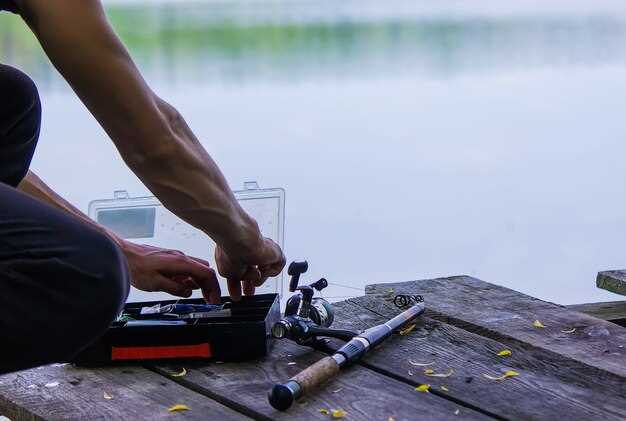 The Ultimate Guide to Gulf Coast Fishing – Tips, Spots, Gear">

Begin with a concrete plan: license in hand, head to the beach before first light, and execute a five-point approach that maps access, baits, and timing. memories from this day will accompany you long after the rods are stowed.
For the dedicated angler, plenty of targets lie within reach of the shore. The bite tends to pick up as air warms, with temperatures rising toward late morning; keep a light, quick-release rig for inshore action. If you’re paddling a kayak, explore river mouths and lake-fed lagoons where structure concentrates fish.
Key locales include grayton and charlotte, where estuaries funnel baitfish along grass beds and mangroves. For a targeted catch like flounder, work the sandy troughs at dropping tides with a slow jig and live bait under a bobber; keep a second rig ready for something more mobile along flats.
Equipment strategy includes a compact tackle box, two rods, pliers, and a kayak carrier if you drive. Include a mix of jigheads, soft plastics, and live bait where regulations allow, including a spare small tackle bag for quick swaps. A waterproof map and license card live in a watertight pouch so you’re ready for any plan that unfolds.
Getting bites requires adapting to light, wind, and currents. Expect something different almost every trip: a unique combination of structure, temperatures, and tide windows. Use shorelines, jetties, and boat ramps as starting points, then switch to marsh edges when winds shift.
By day’s end, youll have memories and a practical plan you can reuse. Include prep for a quick launch from beach or harbor and a fallback approach if wind ramps up. Remember to verify local regulations, carry a current license, and stay respectful of charlotte habitats and grayton shoreline while pursuing redfish, flounder, and other favorites.
Practical Framework for Gulf Coast Angling
Begin with a 90-minute scouting session at first light along nearshore structures and pass edges from homosassa to the charlotte area, including inlets, looking for emerald glints, crystal-clear pockets, and bait bands. Follow current shifts, wind direction, and bait schools, then plot a short list of three anchors to work within the morning window. These observations guide your heading for the day.
Tackle plan: 15-20 lb braid with a 20-30 lb fluorocarbon leader, 1/8-1/4 oz jigs or soft plastics, and short, controlled retrieves. Cast along mangrove edges, oyster bars, and grass edges near inlets; use a slow crawl or stop-and-go to entice bass and other predators as they cruise the drop-offs.
Destinations and timing: target estuaries such as homosassa, crystal river, and charlotte harbor; these destination zones offer structure, cover, and natural bait access. Align your schedule to the incoming tide window for best results, because increased water movement concentrates bait and predators along edges.
Protection and etiquette: stay clear of seagrass beds, minimize wake, release quickly with pliers or hands, and keep lines off critical mangroves. These practices protect nursery habitats and sustain action for future trips. Follow local rules and respect closures.
Pass dynamics and signals: identify the main pass where current lines pile bait along a channel edge; theyre reliable indicators for casting to moving schools. Use birds and boils as cues, and target edges just beyond the deepest troughs; pass-specific tactics yield naturally consistent action.
Increased success comes from systematic notes: date, tide state, water clarity (emerald versus crystal-clear), observed bait, and catch outcomes. youre decisions improve when the data set grows, so log these details after every outing and adjust your plan for the next trip.
Structures and estuaries: concentrate on hardbottom and grass substrates within inlets and passes; these zones concentrate bait and predators, offering reliable opportunities across habitat types. Keeping this diversity in mind helps your approach remain productive as seasons shift.
Your seasoned approach focuses on destination-driven routes: chart runs along homosassa, crystal river, and charlotte harbor estuaries, with heading adjustments as winds shift. These skills balance effort and reward while keeping your path flexible to evolving conditions. This approach hasnt changed across seasons.
Gear Kit Must-Haves for Gulf Coast Inshore and Offshore Trips
Start with two versatile outfits: a nearshore/river-mouth setup for speckled trout and redfish, and an offshore rig engineered for amberjack and tarpon. Keep a compact tackle station in watertight boxes; they stay organized on piers, launches, and in the kayak during quick swaps.
-
Rods, reels, and lines:
two rods are essentials: one 6’6″–7’0″ medium-heavy for nearshore work, another 7’0″–7’6″ heavy for offshore battles. Pair each with a saltwater reel in the 4000–6000 size range; braid 50–60 lb on the main, plus 60–100 lb fluorocarbon leaders. ForTarpon and amberjack, a backup heavier setup (80–100 lb leader) helps land the largest specimens.
-
Terminal tackle:
circle hooks in 2/0–5/0 for tarpon and speckled trout; sturdy 3/0–6/0 J-hooks are solid for bigger species. Include swivels, snaps, and a selection of 4–8 oz bucktail jigs, 1–2 oz spoons, and 3–6″ soft plastics in chartreuse and white. Have a few extra heavy-duty wire leaders for trophy fights and sandbar ambushes.
-
Lures and rigs by destination:
keep a dedicated “catch” box with choices for nearshore bays and offshore wrecks. For apalachicola-area trips, include topwater plugs for tarpon near piers, plus heavy jigs for amberjack along sandbar edges. Include a field book to note what works each day and adjust techniques accordingly.
-
Safety and navigation:
PFDs (Type III), whistle, signaling device, and a compact first-aid kit. VHF radio, waterproof map case, and a handheld GPS help track spots and focus on productive areas. A reliable pocket compass and a sun shield keep crews steady during long runs.
-
Anchoring and stability:
anchor with line, a stern anchor for a kayak, and a stake-out pole for current lines near piers or at sandbars. For personal craft, consider an anchor trolley and quick-release bow anchor to maintain position when weather shifts.
-
Kayak and boat-specific extras:
dry bags, gear straps, paddle leash, spare paddle, and a small repair kit. For kayak sessions, a compact anchor system, paddle float, and pump keep vessels stable when winds pick up. Always have a water bottle and sun-protective wrap on deck.
-
Storage and organization:
waterproof boxes, labeled compartments, and a portable tools bag. Clip-on zingers prevent tangles, and magnetic strips hold pliers, scissors, and clippers for quick access during a catch.
-
Planning and record-keeping:
logbook or field notes to document weather, spot, and catch; these records guide adjustments on future trips. Include a sheet with eastern-season patterns and preferred techniques so each day becomes a smarter destination choice.
-
Species and strategy notes:
tarpon near piers and river mouths, amberjack on deep structure near sandbars, speckled trout in nearshore shallows, and the largest catches often lurking at offshore reefs. They rely on steady focus and flexible techniques to adapt to shifting conditions.
-
Extra considerations:
bring a compact book of emergency contacts and local charter options for Apalachicola or nearby destinations. Have backup batteries, a charger, and a rain cover ready to protect gear during sudden weather changes; then stay ready to move when winds shift or a new spot opens.
Top Gulf Coast Spots by Species: Redfish, Snook, Tarpon and Flounder
Redfish: arrive before first light to charlotte Harbor and grayton edges where deeper troughs meet grass. Launches from public ramps give access to 10–25 mile drift lanes along shell bars; target 4–8 ft transitions and deeper lake flats that funnel schools. Use 1/8–3/8 oz soft-plastic jigs in chartreuse or pumpkinseed or a live mullet on a 20–40 lb leader. If you didnt catch them on one pass, move to deeper channels and drift with the tide; these locations routinely produce catches, with 8–20 lb reds common and bigger bulls possible. Look for tailing fish along eelgrass and sea plant edges, then set your hook; the bite often comes in short bursts that test your angling. These zones also attract sheepshead when water and bait align. Times during the tide and miles of water separate the average anglers from the pros.
Snook: east Florida estuaries and canal networks offer steady action; launches from Sebastian Inlet to Palm Beach area put you on productive edges near mangrove shores. Use live mullet or crabs, or a topwater plug on a slow, steady retrieve; keep a 20–30 lb leader and 40–60 lb braid near pilings. The best bites come at dawn and again after sunsets; some argue nocturnal windows can outperform depending on moon and rain. If the water is murky, switch to a loud topwater lure and stay patient; snook can produce multiple catches in a session and the scenic landscapes framing the day are memorable. floridas regulations apply, so check them and release where required.
Tarpon: west Florida passes and nearshore lagoons host migratory giants; mornings reveal rolling schools and explosive bites. Launches from Pensacola to Boca Grande put you on the push; use professional-grade tackle in the 80–130 lb range with a stout leader and live threadfin or crabs, or cast flies and topwater baits. Arrive early to gain position and stay with the action as currents shift; if you chase offshore, 40–60 miles out can yield bigger specimens. The scenic landscapes of the inlet and surrounding bays heighten the moment, with powerful runs and dramatic tail-walking on each hookup.
Flounder: focus on sandy bottoms along west and east flats, especially near channel edges and drop-offs around bays. Use a 1/4 oz jig with a soft-plastic tail or live shrimp; drift parallel to shell beds and work a slow, soft retrieve. Dawn and dusk deliver the best bites; times vary with tide, and you can cover miles of shoreline in a day. Carry extra items such as jigs and pliers, and be ready for a few spotted fish with pale bellies and orange tails; these catches fill the cooler when the wind cooperates.
Reading Water: How to Observe Surf, Tides, and Temperature for Better Bites
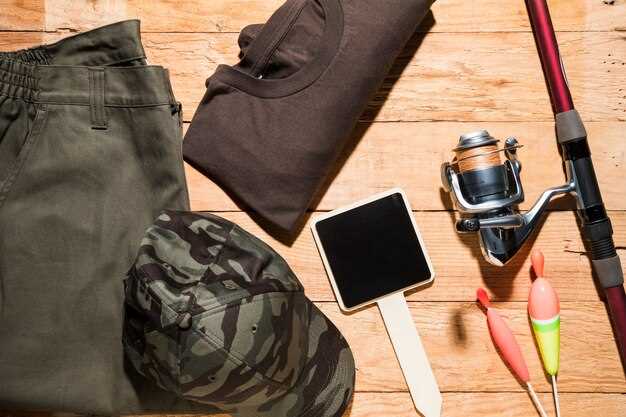
Check tide charts and water temperature before casting; set depth and lure to match current patterns along coastline. In afternoon light, scan surface for ripple lines where sandbar channels form; active schools hug edge structures as current arrives. River outflows create freshwater pockets that draw wary schools toward offshore holds; focus on places where river water mixes with saltwater. Listen to sound of breakers and watch how waves break over sandbars–these cues predict bite windows and easier angling. destin trip planning, lock onto offshore passes and launches that align with seasonal patterns, since best bites show where currents converge and bait schools arrive. Across miles of coastline, summer heat pushes speckled and grouper toward deeper structures; adjust your rig toward deep water when shoals roam offshore, and track bait balls showing their movement.
| Condition | Surf cue | Tide | Temp (F) | Best bite window | Targets / Tactics |
| Calm morning | glassy surface with subtle ripple | low | 72–76 | 1–2 hours | speckled trout; near sandbar edge; soft plastics on jig head |
| Afternoon, rising | breaks over sandbar, seaward seam | incoming | 75–79 | 2–4 hours | grouper; bottom rigs near offshore structures |
| Evening, ebb | deeper holes, current pull | outgoing | 68–72 | 1–3 hours | redfish; gold spoon; near pilings |
Experimentation Playbook: Quick Rig, Bait, and Retrieve Tests
Run a three-rig rapid-test block: a fixed-clip bottom rig with a 1/4 oz weight, a sliding-sinker rig with a 12–18 inch leader, and a lightweight vertical-jig setup for short retrieves. Pair with two baits: cut baitfish and fresh mackerel; test both on shallow flats near river mouths and along shoreline edges during early light.
Record results in a short log: rig type, bait choice, retrieve tempo, depth, current speed, tide stage, och bite signals. This helps reflect which strategier excel most across landscapes and waterways, from lake coves to river mouths and along a rugged shoreline. Getting results requires consistent data, and entries should stay explicit yet adequate, with dozens of trials across several sessions to identify patterns that remain excellent despite changing weather.
Rigs should be tuned for tens of seconds of action and quiet slack. For fixed-clip bottom, cast beyond structure, count to 5, then reel steadily for 2–3 turns; for sliding-sinker rig, let current take weight for 5–10 seconds, then reel with short 2–3 inch sweeps; for jig, perform 1–2 inch hops with a 1-second pause, repeating for 15–20 seconds. Use sound, deliberate motions to test retrieve response; compare strikes between calm water and channeled flows along river edges.
Bait choices: use baitfish chunks about the size of a thumbnail; live mackerel works better in strong current; svart color hooks perform well in stained water. For clear lakes, use bright whites or chartreuse to draw bites. Plenty of field notes show that svart hooks with natural bait size capture rising bites; ensure protection for the fishery by practicing catch-and-release on undersized specimens.
In practice, a popular approach is to use a medium-speed retrieve with two quick bumps per cycle. As water warms early in day, most mackerel show in schools near shoreline; fishing sessions near largest shellbanks and river inlets offer abundant baitfish and protection of fishery resources by adhering to local size limits and seasonal rules. Focus your notes on your own data rather than chasing glossy trends.
Legal, Ethical, and Conservation Tips for Gulf Coast Anglers

Always verify bag limits and size restrictions for each target species before launching; use official state portals or trusted apps to log retained catch. In floridas counties, rules vary by season and by species. Species such as grouper, mahi-mahi, and mackerel have distinct slots; consult current tables before heading to choctawhatchee, apalachicola, or nearby bays.
Practice selective removal when required; use dehooking tools to minimize injury and avoid handling fish beyond necessity. Prefer live-release methods when allowed, to maximize post-release survival. Respect spawning areas and avoid targeting species during peak periods. When permitted, use live bait to reduce stress and bycatch. There are tens of regional guidelines to review before a trip.
Protect dunes along beach access points; avoid trampling vegetation when launching boats. Respect dune zones; avoid trampling dune grasses. Support conservation by avoiding anchoring on grass beds and by using marked channels near islands. Take only what is needed; release undersized individuals and protect clearly marked protected species.
Early-season opportunities for grouper or mahi-mahi may hinge on water temperatures; check local closures and adjust plans. Early planning helps align trips with calmer winds. Licensed charters expand access to inshore and nearshore destinations; choose operators with marine-conservation training. Use live shrimp when available to attract mackerel and other species, staying mindful of size limits.
Plan trips to apalachicola or choctawhatchee towns along wide bays; early visits suit cool fronts and light winds. Islands located near largest bays create ideal habitats for juvenile species; protecting grass beds supports nursery grounds.
Research from coastal universities informs seasonal closures and habitat restoration needs; check campus extensions for updates in coastal towns. By tracking temperatures, including seasonal ranges, anglers can anticipate fishing windows; plan around early morning hours for better catch rates.
Respect other anglers’ space on beaches and dunes. Carry out trash; use non-toxic tackle and avoid anchoring on sensitive habitats. Support habitat-friendly practices by avoiding litter and by participating in beach cleanup efforts in town gatherings.