


 Svenska
  English (UK)
  Русский
  العربية
  日本語
日本語  한국어
한국어  Magyar
  Türkçe
  Español
  Čeština
  Português
  Ελληνικά
  Suomi
Suomi  Nederlands
  Română
  Italiano
  Français
  Polski
  Українська
  Deutsch
  简体中文
简体中文  Slovenčina
 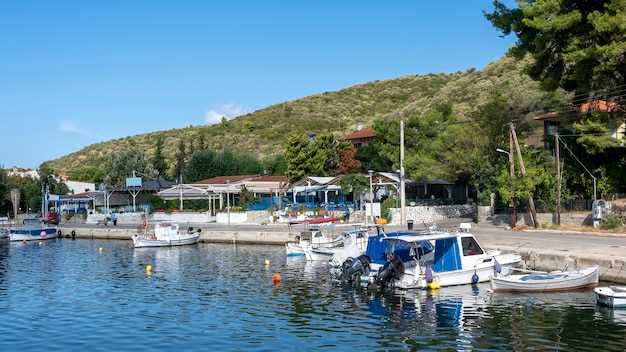 The Best Anchorages in Croatia – Top Harbors for Yachting along the Dalmatian Coast">

Begin your Croatian yachting itinerary with Telašćica Bay as the first anchorage. This dalmatian inlet in the Kornati archipelago offers solid holding on a mixed seabed of sand and pebble, calm nights, and a peaceful rhythm that lets you reset after a day of sailing along the coast.
For a balance of scenery and accessibility, head to Hvar or Brač where many anchorages tuck into coves with clear water and seaweed beds hinting at lively ecosystems. The south coast of Hvar hosts a pebble-bottom spot near Dubovica Beach, popular with locals and visiting sailors alike, while a short taxi ride to Hvar Town brings intensity without leaving your boat too exposed. These options work both for short stops and longer stays, generally offering excellent protection from prevailing winds.
On the quiet side of the Adriatic, Mljet and Vis deliver peaceful nights away from the busier routes. In Stončica Bay on Vis you’ll find a sheltered anchorage that rewards careful anchoring with calm water and good hold, and Saplunara on Mljet presents a shallow, sandy transition into a broader lagoon–ideal for suitable anchorages for families and kayakers alike. These options shine when you want a break from crowds while still keeping many activities within reach.
Beyond individual bays, the Kornati archipelago offers a spread of anchorages where sailors can choose the level of bustle they want. In peak season the coves can get busier, but each pocket provides a coastal escape with good protection and clear waters. If you prefer space, sail a short route between coves and you’ll find anchorages with enough room to swing and recharge. An источник of local knowledge points to Telašćica as a dependable starting point, but the options along this coastline ensure you’ll discover many memorable nooks to linger.
Ivan, a longtime skipper, notes that planning around wind patterns helps you choose the best anchorage for the day’s weather and sea state. He recommends keeping a short line ready for a quick anchorage check, especially around rocky shelves and weed-rich zones where seaweed and other organic matter can affect holding. In practice, you’ll discover that spread of anchorages along the coast gives you flexibility: drop in for a peaceful night, then move a few miles for a livelier evening in a harbor town. Whether you seek many options or a single, suitable retreat, the Dalmatian coast serves as a reliable source of memorable cruising.
Practical anchorages plan for yachting along the Dalmatian Coast (Vis focused)
Anchor in Stončica Bay, Vis, for the first night. In about 6–9 m, holding is solid on mud-sand, and the arms of the bay keep you protected from a south wind. Set 70–100 m of scope in calm weather and adjust as the breeze builds; stay 60–100 m off the cliff face to avoid weed lines and ferries. The night sky here is clear, the stars giving you a calm backdrop, and this choice builds solid experience for the rest of the trip.
From Stončica, head toward Komiža and drop anchor in the outer bay. These narrows guide you into protected water and reduce traffic from the open sea. Komiža is well-regarded for its welcoming mood and easy shore access. The village offers an early bakery option and several restaurants for a relaxing evening; you’ll find a pleasant balance between small-town charm and maritime activity, making this leg especially picturesque.
Next, approach Vis Town Anchorage on the west coast, close to the main quay. Depths outside the harbor run around 8–12 m, with good shelter from south and southeast winds. Reach ashore for an early bakery run, then stroll to shops for fresh provisions. The harbor area is a living archive; the town writes its history in narrow lanes and sea-washed stone walls, adding to the beauty of your stop.
For a dramatic, iconic stop, visit Stiniva Cove. Enter through the narrows between cliffs and anchor in about 4–7 m on a sandy-mud bottom. Protection is strong from NW winds, though the entry is tight and the depth shallow, so plan your approach carefully. It’s idylic and almost untouched, a place where nature and mood align; bring enough water and fuel, as there are no shops ashore.
If you continue south toward loviste, the sheltered coast around Loviste Bay provides a solid finish to this segment. Expect depths in the 6–12 m range and straightforward approach from the south, with lighter traffic near shore. It’s a small, offbeat trove for a quiet night, ideal for unwinding after days along the more popular spots.
| Anchorage | Plats | Protection | Depth (m) | Approach / Notes | Facilities |
|---|---|---|---|---|---|
| Stončica Bay | Vis Island | Good shelter from SW; moderate from NE | 6–9 | From east enter through shallow shelf; good holding in mud-sand; narrows nearby | None on shore |
| Komiža Outer Bay | Komiža, Vis | Well-regarded protection | 8–14 | From west into outer bay; dinghy landing possible; near bakery and restaurants | Bakery, several restaurants within easy reach |
| Vis Town Anchorage | Vis Town, west coast | Moderate; shelter from south winds | 8–12 | From NW via main channel; quick shore access | Shops, groceries, early bakery nearby |
| Stiniva Cove | Vis Island | Excellent from NW and SE | 3–6 | Enter through narrows; anchor on sand-mud | No shops ashore |
| Loviste Bay | Loviste, south Dalmatia | Sheltered from open sea | 6–12 | Approach from the south; light traffic near shore | Local taverns |
Protected anchorages near Vis for calm overnight stays
Anchor in Stončica Bay for a calm overnight stay; its shelter from northernly and eastern winds keeps decks steady and vessels comfortable after a long day along the archipelago.
Stončica Bay sits along the northern coast of Vis, protected by a surrounding reef that minimizes swell and delivers peace after sunset. Depths range roughly from 5 to 12 m on a pebble bottom that holds well for a reliable anchor and a short stern line to keep the deck clear. Enter from the eastern side to avoid rock outcrops on the western edge and give yourself a stable swing during the july season. Along the coast, you’ll find a few beaches and a quiet shore path to Komiža, where a bakery awaits for fresh morning bread. This option is popular with sailors seeking a more idyllic, less crowded night, and it remains unforgettable for many years of coastal cruising.
-
Stončica Bay (Stoncica)
- Protection: strong shelter from northernly and eastern winds.
- Bottom: pebble with good holding; plan a 4:1 scope in moderate conditions.
- Depth: 5–12 m; suitable for most yachts under 20 m.
- Approach: enter from the eastern flank; avoid the western rock outcrop during higher seas.
- Best use: anchor overnight, keep an eye on drift and swing, and enjoy a coastline night with minimal traffic.
-
Stiniva Cove
- Protection: excellent shelter from northernly winds; cliff walls dampen swell.
- Bottom: primarily pebble with some sand; holds well for a medium- to small-sized vessel.
- Depth: about 4–8 m near the inner cove; shallower near the entrance.
- Approach: follow the channel from the open sea; enter with calm seas and heed the narrow entrance.
- Tips: popular though can fill in peak season; plan to arrive earlier in the day or late afternoon to secure a quiet spot.
-
Rukavac Bay
- Protection: solid shelter from northern winds; keeps a steady watch into the eastern shore.
- Bottom: pebble–sand mix, offering good grip for anchors and easy retrieval.
- Depth: 6–12 m; comfortable for most cruising sailboats and small motors.
- Approach: anchor behind a shallow spit to minimize swing; stay clear of any moorings used by local boats.
- Pros: short deck walk to Vis town facilities or a quick ride to the coastal streets and markets; ideal for a relaxed, peaceful night.
Beyond these options, consider a brief daytime reach into the archipelago’s calm pockets; each spot offers direct access to beaches, quiet coves, and easy routes into the days ahead. For skippers chasing more hours on the sea, Stončica’s location makes it a natural base to explore eastern and northernly trades along the coast, while Stiniva’s cliffs provide a dramatic, idyllic backdrop for a memorable overnight. If you plan multiple stops, keep notes in your blog to track which sites delivered the most peace and protection during different years and Julys of the season.
Practical notes: check wind forecasts for the current day, set a safe anchor chain length, and consider a backup anchor if the swell shifts. In any case, the protected anchorages near Vis deliver more reliable sleep, with deck comfort and a gentle wake from the archipelago’s rhythms. A short walk into nearby streets can lead to a bakery for fresh bread and coffee, making every stop along the coastal route a delight.
Mooring options and fee structures in Vis and nearby harbors
Book a berth at ACI Marina Vis for security and predictable tariffs, especially if you sail a larger yacht or plan multi-day hops through the Vis locations. This option provides shore facilities, reliable electricity, water, and staffed reception, making it the most convenient base for a three- to five-day itinerary along croatias coastal towns. If you prefer lower costs, buoy moorings and guest pontoons around Vis offer real options, with simple check-in at the harbor office and quick access to the shore for dining and provisioning.
In Vis and nearby harbors you have three primary mooring routes to compare. First, full-service marina berths in the Vis town area deliver steady protection from prevailing winds, handy security, and cover from spray. Second, harbor authority guest moorings in Komiža and at quieter shorefronts near Badija provide cheaper, mid-stay anchorage with easy shore access for a meal or a hike. Third, private or semi-private moorings along rocky pockets and hidden coves let snorkelers approach underwater seabeds and reefs with minimal engine noise and a short ride to shore.
Fees differ by season, boat length, and the chosen option, and does vary between locations. In shoulder seasons, buoy moorings commonly sit in the €15–€35 per night range, while guest pontoons hover around €60–€120 per night depending on boat length and exact site. Full marina berths in ACI or private facilities often run higher, generally €70–€140 per night for mid-sized vessels, with electricity charges typically €5–€15 per night if not included. Seasonal passes or monthly rates are sometimes available and can reduce the nightly cost for frequent visitors.
Nearby harbors offer a broader selection of options. Komiža’s harbor area adds a lower-cost side to the trove of choices, while Badija’s shore quarters deliver a short hike from moorings to a quiet shore with dining options and a calm cover from wind. In total, these sites provide variety that suits either a quick stop or a longer stay, and they connect with routes toward Kornati, through islands like Biševo, and toward istria’s northern coast for comparison on price and service levels. For security and reliable moorings, many crews favor the Vis town quay or ACI Vis, but the hidden bays around Badija and the rocks behind Komiža reward those who seek quieter anchorages with protection and easy access to shore facilities.
When planning, consider locations along three main paths: a direct hop from Vis town to Komiža, a broader circuit toward Badija andBiševo, or a longer run through Kornati’s anchorages and discrete coves. If you want to snorkel, the shallow seabeds near the rocks offer clear underwater visibility and a cover that protects against gusts. This selection of options makes a stay in Vis a practical base for exploring croatias coast, with keys to three anchorages and a trove of shore options for dining and provisioning after a day on the water. If you’re starting from Gospić or heading toward istria, Vis serves as a comfortable crossroad with straightforward berthing and transparent fees that accommodate a range of sailing plans and offerings.
Approach notes: entering Vis harbor and other Dalmatian ports
Contact the Vis harbor master on VHF as you approach, then follow the marked channel into the inner basin; if you sail with children, the quay area offers sheltered water and easy access for a quick swim.
Depth near the quay varies from about 4 to 6 meters with a sandy bottom, offering reliable holding. Keep room to maneuver and stay clear of ferries and local fishing boats that move through the outer channel during the day.
In Dalmatian ports beyond Vis, entry notes vary by location. For stiniva, an idyllic cove on the Vis side, entry is narrow and the bottom shifts from sand to rock near the shore, so slow down and follow local markings. In borca, loviste, and budikovac the approach is more straightforward, but keep a sharp lookout for small craft and divers in the vicinity.
Loviste provides a protected harbor with a short breakwater; choose a berth with good protection from westerlies and plan a short walk to the village for wine and vineyards. Budikovac offers small anchorages with clear bottom and room to swing, ideal for a quiet afternoon swim and a sun-drenched setting.
Compared with larger grad towns along the coast, these locations offer a variety of quiet anchorages and more space for numerous charter yachts; you will find more options for nightlife near the bigger ports, but the idyllic bays near stiniva, borca, loviste, and budikovac remain popular with families and skippers making multi-port itineraries.
Here is a practical list of notes to keep in mind: check the forecast and current, contact the harbor master on entry, carry spare lines and fenders, choose a bottom‑holding anchor suitable for sand or mud, confirm mooring availability in peak season; always keep a person on deck watching for traffic and swimmers.
In all cases, the bottom and depths vary with wind and season, so document the latest local remarks and adjust line lengths and scope accordingly; this approach will help you avoid crowding and enjoy a full day of sailing along the Dalmatian coast.
Seasonal wind patterns and optimal anchoring windows along the coast
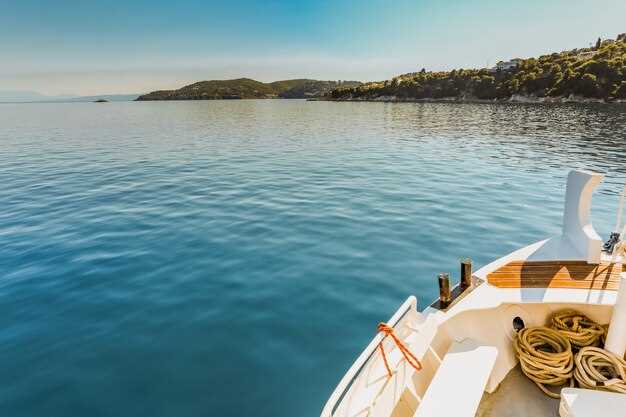
Anchor in a sheltered pebble-bottom cove at dawn when Maestral is light and southeasterlies are minimal; from the deck you gain calm conditions, easy reach to the quay, and tranquil surroundings with great views.
Seasonal patterns and windows
- Spring: March–May – Winds mainly from the northwest (Maestral) in the morning, easing toward southeast in the afternoon. Typical speeds 8–18 knots; best anchoring window 05:30–10:30. Choose coves shielded by long rock arms, with pebble or mixed rock seabeds. In these conditions you can easily set a single anchor or add a stern line in exposed pockets. Vognišča along the shore add dramatic texture to the surroundings. Check the forecast the day before; beware sudden gusts near cliffs. This is a time when croatias coast shows a variety of small harbours and tranquil coves that reward careful planning.
- Summer: June–August – Sea breeze from the northwest builds after sunrise; afternoons may reach 12–22 knots, occasionally stronger in exposed bays. Best window 04:30–09:30; prefer coves facing north or east with a long lee and minimal fetch over rock shores. Use 5:1 to 7:1 scope; consider a second anchor in dramatic coastlines. In calmer mornings you enjoy tranquil waters and great views from the deck, and you might even walk into a nearby village to grab bakery treats before the heat rises.
- Autumn: September–November – Winds shift toward southeast (Jugo) or northeast (Bora) as fronts pass; speeds 10–25 knots are common, with gusts higher in troughs. Best window 06:00–10:00 after front passage; avoid exposed points during peak gusts; look for protected coves with pebble bottom, rock islands, and gentle lee. Use extra scope and a backup anchor if the wind veers from SE. Check satellite météo and sea state before leaving shelter; surroundings reveal a mix of calm days and dramatic seascapes beyond the shoreline.
- Winter: December–February – Bora and other fronts bring strong NE to SE gusts; seas can be rough. Stay in sheltered harbours with rocky or pebble seabed. Best window 05:30–09:00 after fronts subside; avoid long fetch shorelines. In croatias you still find quiet mornings near the quay, but plan for short anchors and robust gear when surf rises.
Practical tips to maximize safety and comfort
- Check wind direction and forecast from a trusted source; study the wind rose for each anchorage and adjust plans accordingly, whether you chase calm mornings or protect against a shifting southeast trend.
- Prefer rock or pebble bottoms with good holding; bring a robust anchor and extra rope; in shallow bays, keep your chain taut to reduce swing and keep the deck clear for maneuvering.
- Use full scope in deep water and shorten in sheltered draw: 5:1–7:1 in moderate conditions; 7:1–10:1 when surge or gusts are likely; always adapt to current depth and bottom quality.
- Double-anchoring in wide bays or near points adds resilience to gusts; position stern lines to reduce swinging and maintain safe distance from other boats and the shore; check your surroundings as you settle.
- Walking along the shore gives you a chance to assess protection and check potential hazards; if you spot a bakery or a cafe, you can onboard fresh provisions and enjoy a relaxed break before continuing the ride.
- Respect local regulations and protect sensitive ecosystems; many coves in croatias are fragile–leave no trace and verify anchoring restrictions in protected areas and national parks.
With these windows you experience a full spectrum of conditions–from tranquil bays to dramatic horizons–and you’ll be ready for the surprises the coast offers; thanks to the mediterranean climate and the variety of surroundings, a great cruise along croatias coast is possible whether you voyage solo or with a crew.
Onshore facilities, provisioning, and shore excursions from Vis anchorages
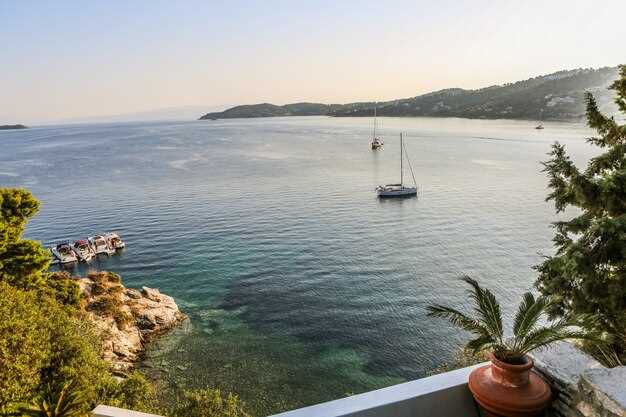
Provision from komiža first to secure fresh bread, local wine, and fish for your stays in Vis anchorages. The town is southern on the island and located near the main moorings, giving you a clear advantage for provisioning without long trips on shore and with easy access to the boat.
Onshore facilities around Vis anchorages are well-protected and straightforward to use. In Vis town you’ll find a full marina complex with fuel, potable water, electricity, showers, laundry, and a maintenance dock; the harbor office coordinates mooring, weather alerts, and waste disposal. Komiža offers a compact yet complete cluster of amenities in a well-protected harbor: bakery, fish market, fruit and vegetable stalls, a wine shop, and several taverns for evenings on shore. Both places are popular with cruising crews and nestled along southern bays, making them reachable by a short tender from the anchorages and easy to bring goods on board after shopping. This arrangement keeps stays made easy and emphasizes the important goal of smooth shore time.
Provisions come from the Komiža market for seafood and vegetables and from Vis town for dairy, meat, and staples. Local producers offer olive oil, honey, and regional wine; bakeries supply daily bread, and the supermarkets in Vis stock a broad range of items if you need something specific. For stays with minimal disruption, time your provisioning to daylight hours and use a small boat to shuttle items, soaking in the nautical atmosphere as you lay out your plan for the next couple of days. A local contact, Ivan, can arrange a tailored shore excursion or a wine-tasting session to suit your crew, adding a personal touch to your provisioning strategy–the advantage being you can stock exactly what you need without overloading the boat. This is important for being efficient on tight schedules.
From the Vis anchorages you have a range of shore excursions: a short boat ride to Biševo for the Modra špilja (Blue Cave) to catch a glimpse of sea caves, a stroll through Komiža’s historic lanes, and wine-tasting in the Vis area. The southern coast offers sheltered beaches like Stiniva, ideal for a relaxed soak and a quick swim, while a visit to nearby vineyards provides a traditional wine experience. These options are popular with yachting crews and local guests alike, and the whole circuit is well-suited to short day trips. If you seek a longer itinerary, you can link to the Kvarner coast for a broader route, taking advantage of reliable seas while staying in well-protected anchorages. Remember the island’s military past; coastal forts and tunnels add interest to a light shore walk and a gentle afternoon exploration, with safe areas clearly marked for visitors. The area’s submarine base legacy is another intriguing element to explore, and winds from the south or strong passages can be managed with careful planning while remaining comfortable. In certain seasons, the southern anchorages remain especially popular for evenings ashore and wine-tasting at coastal venues.