


 Svenska
  English (UK)
  Русский
  العربية
  日本語
日本語  한국어
한국어  Magyar
  Türkçe
  Español
  Čeština
  Português
  Ελληνικά
  Suomi
Suomi  Nederlands
  Română
  Italiano
  Français
  Polski
  Українська
  Deutsch
  简体中文
简体中文  Slovenčina
 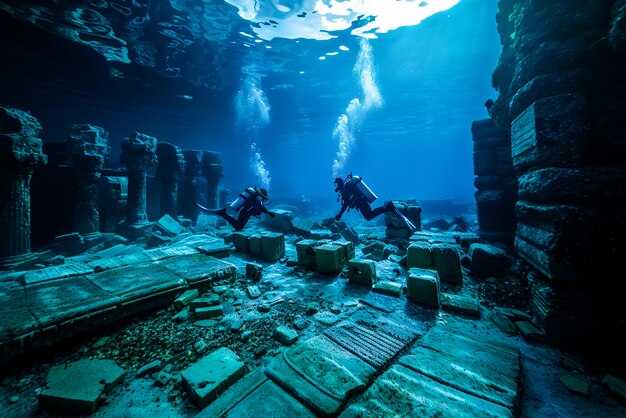 The Amazing History of Scuba Diving – From Ancient Roots to Modern Underwater Exploration">

Begin with mastering buoyancy and essential equipment checks in a calm pool, then take your first steps toward open-water exploration with a qualified instructor for safety and comfort.
Nearly every ancient culture experimented with breath-hold methods, and the japanese ama divers laid a practical groundwork with simple masks and weights. Those early techniques, mentioned in maritime chronicles, that mark the beginning of organized underwater work.
By the mid-20th century, the frenchman Jacques Cousteau–with Emile Gagnan–invented the Aqua-Lung, a portable compressed-air system that let a wearer stay under longer and work with gear rather than relying on surface air. By 1946, it reached commercial use, and the diver role began to formalize around training and safety protocols.
freediving, with its emphasis on breath-hold efficiency and gliding strokes, has influenced modern training and inspired athletes to push minds toward lighter, effektiviserad setups that boost comfort and confidence.
From the 1960s onward, most agencies and manufacturers expanded, refining safety protocols and creating specialized gear for cold water, cave, and wreck work. Equipment evolved to a effektiviserad jacket, a buoyancy system, and precise regulators, enabling great stability and a steadier breath for the diver.
Today, curious minds join a structured path, with member communities, accessible courses, and hands-on practice that balances excitement with measured risk. The story continues as technology and training merge to extend safety margins and expand opportunities for underwater exploration.
Practical milestones and ways to get started
Enroll in a certified entry course within two weeks to begin your path in underwater exploration. A typical program combines 2-4 days of classroom and pool work with 1-2 days in open water under supervision, focusing on equalization, buoyancy control, equipment handling, and safety procedures. Expect to invest about $350–$600 for the course; gear rentals run $15–$40 per day, and a basic personal kit (mask, fins, snorkel) can be bought for $60–$120. If you own a scuba kit with a regulator, BCD, and computer, you’ll save on rentals and feel more confident in familiar gear. inventors and early designers contributed to safer gear over time with simple regulators and improved masks; today’s options are more reliable and accessible.
Let your desire for continued exploration guide you into learning the basics with a local association. These groups connect people interested in safety and ecology, provide mentorship, and expose you to different sites, equipment setups, and safety practices. Use known safety standards from major organizations and read one basic manual to build a solid foundation before your next session.
Choose your gear approach: rent the essentials for the first month or buy a compact starter kit now. A mask with a good seal, comfortable fins, a snorkel, and a regulator with a reliable octopus are core pieces; a basic BCD and a computer can come later. A sophisticated setup adds a console, transmitter, and backup air supply, but you can progress gradually to stay within budget. This plan keeps you safer and helps you learn the natural rhythms of buoyancy while you build familiarity with the environment and your own limits. Accessories such as spare o-rings or a spare battery are available from most shops, so you won’t get stuck on a field site.
After the initial certification, add specialty courses such as buoyancy, navigation, and safety rescues. These expand your skillset and keep you within safer boundaries while you gain confidence to explore new sites again with a partner. Most programs schedule a pool session and several open-water days, often over weekends, which fits a busy to-do list.
Respect for biodiversity anchors the culture of underwater exploration. Learn to assess sites, avoid touching wildlife, and maintain a stable stance to reduce contact with fragile organisms. In coastal regions, you’ll encounter a mix of natural habitats and human activity; guided experiences that emphasize conservation help you connect fascination with responsible behavior. The japanese tradition of coastal practitioners offers valuable perspectives on breath control and patience, enriching your adventure and keeping you curious.
If you crave adventure and have a natural curiosity, try a beginner freediving session to improve breath control and relaxation. This cross-training enhances safety awareness for scuba sessions again and supports better energy management during longer outings. You’ll find that freediving instructors often share tips that transfer to your scuba practice.
Practical availability matters. Look for accredited instructors or a recognized association with clear safety standards. Availability tends to rise in warmer months, but indoor pools provide year-round practice. Start with a single introductory session and then commit to a structured program to build a solid baseline. This is a great way to begin.
Ancient Breath-Hold Techniques and Primitive Gear
Begin with a practical rule: stay within your limits and build freedom through measured practice. Use simple systems: relaxed breathing, a short breath hold, then gliding with minimal movement to conserve energy, repeating in short cycles to reduce fatigue. These disciplined steps reflect sophisticated thinking across generations.
Across civilizations, practices varied, named approaches that were called for breath control and body position. In roman harbors, divers trained near the quay, dreamed of freedom under the surface, and adopted education routines that improved air use before negotiating hulls, which were long and shadowy there. Early lessons opened a path to safer experiments, shaping later training networks.
Primitive gear remained lean yet instructive. There were attempts to couple air supply with simple masks, and discussions about closed-circuit concepts and surface lines helped some explorers extend their time. In the soviet era, researchers studied how simple buoyancy aids and calm exhalations improved stability during longer holds. Manuals circulated, and some observers shared insights online, with rebikoff and prieur becoming shorthand for a tradition of education and careful experimentation that emphasized less risky steps for novices.
shipwrecks provided practical classrooms where divers learned by observing currents and hull shapes, applying calmness to keep the breath inside longer. The divers themselves refined posture and gliding efficiency to minimize air use, turning wreck outlines into geometry that informed later training drills.
There remain traces of these early practices in contemporary exploration, preserved in online archives, museum labels, and field notes. These materials illustrate a continuum from antiquity to modern undersea work, where the dream of discovery persists even as equipment evolves and knowledge grows.
The Rise of Diving Bells and Early Breathing Devices
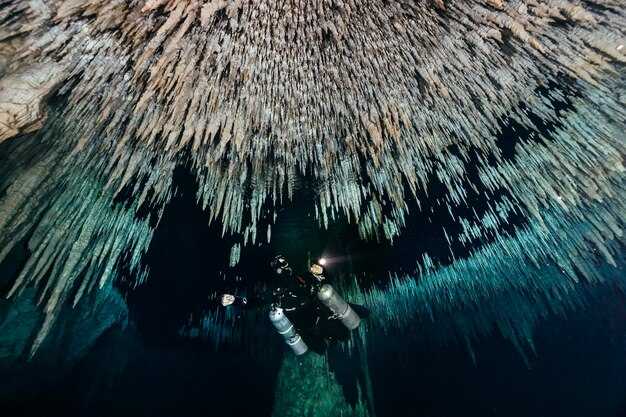
Begin with a clear air-path map from surface pumps to the bell interior and log each connection. Bound the activity to 6 to 12 meters for early trials and track how long crews could stay inside as air was replenished from above.
Early devices were typically bell-shaped chambers, often wood or metal, lowered by rope. The little crew inside relied on surface pumps that pushed air through a tube into the bell, which opened access to shallow tasks, keeping water out and allowing a little time inside the bell.
The earliest accounts from greek sources and other peoples show how bells were sealed and how air flowed into the inside. These secrets of air management opened access to shipwrecks and the habitats of nearby creatures.
Developments included surface pumps, valves, and hoses, plus rudimentary rebreather concepts that tried to recycle exhausted air. Typical depths remained modest: 6 to 12 meters as standard, with occasional pushes to 20 or 30 meters as equipment improved. This progress allowed longer work periods and safer experiments, guiding how future devices would evolve.
Living experiments taught crews to coordinate outside support with inside breathing cycles and built awareness of underwater physics. These experiences helped the teams become more confident operating in constrained spaces and to plan safer procedures. whats ahead in this history includes deeper water work and more reliable air cycles as innovations matured.
womens participation appeared gradually, with womens curiosity pushing documentation of experiments and signaling between surface teams and the bell.
In summary, these early steps built a foundation for later breathing devices and more complex subaquatic work, guiding what future explorers needed to know to operate safely and effectively.
From Rebreathers to Open-Circuit Systems: An Evolution of Equipment
Start with open-circuit systems for most users; their gas supply is straightforward, maintenance is predictable, and service networks are widely available.
Originally designed for sustained operations, rebreathers drew on greek engineering heritage and a culture of compact life-support devices; hollywood productions helped popularize their dramatic potential and inspired many explorer minds to imagine longer stays in water environments.
Leaps in materials, efficient dioxide scrubbers, and smarter electronics changed the equipment landscape, turning a practical concept into reliable gear that teams could count on during complex tasks.
Data received from trials confirmed that rebreathers can extend bottom times under challenging conditions, with some tests reaching 94-meter depths. From these results, explorers know their limits and plan margins accordingly, because training and supervision remain non-negotiable.
From a practicality perspective, open-circuit rigs rely on cylinders, often described as barrels, supplied at the surface; weighted ballast and straightforward buoyancy control keep trim with lowered risk during ascent.
Restoration of older units occurs in dedicated shops, but spare parts and service networks vary by region; their availability shapes which setups operators choose for routine work and emergency readiness.
Water quality and gas cleanliness matter for both systems: open-circuit air must be trusted, while rebreathers depend on reliable carbon dioxide removal and well-maintained scrubber materials to protect comfort and safety. This is where minds behind gear design emphasize clear checklists, because predictable performance rests on disciplined maintenance and careful monitoring of gas composition. The concept of choosing between options rests on mission profile, environment, and the explorer’s experience–data, feedback, and field tests all inform that decision.
| Aspect | Rebreather | Open-Circuit |
|---|---|---|
| Gas supply | Gas is recycled, with scrubbers removing carbon dioxide and maintaining a chosen mixture | Gas stored in cylinders; supply is direct and predictable |
| Weight and buoyancy | Scrubber module adds weight; weighted configurations influence trim | Cylinders add weight but simplify balance and ascent control |
| Underhåll | Frequent calibration, scrubber checks, and leak tests require dedicated procedures | Lowered maintenance footprint; routine service centers support parts and checks |
| Operational time | Potential for extended bottom time when conditions and training allow | Limited by cylinder duration; quick swaps keep sessions steady |
| Training and expertise | Higher learning curve; safety margins increase with experience | Broader onboarding paths; user-friendly for a wider audience |
| Cost and restoration | Higher upfront cost; ongoing maintenance; restoration can extend life | Lower initial cost; parts widely available and easier to replace |
Core Gear Upgrades: Masks, Fins, Regulators, and Tanks
Start with a concrete upgrade: pick a low-volume mask with a silicone skirt and tempered glass. This couldnt be easier: it reduces buoyancy shifts near the face and keeps water entry to a minimum, which makes handling the rest of the apparatus through submerged sessions more predictable. The idea, mentioned by instructors and experienced divers, is to seal reliably first, keeping you focused on propulsion and air management and making progress possible for freediving and recreational use.
Mask considerations emphasize fit first. Try several models to find one that seals without excessive pressure on the cheeks, then test in shallow water by inhaling with the mask pressed to your face (no strap). A good seal reduces fogging and improves field of view through murky water, which matters when you’re in group outings or exploring debris-strewn wrecks. In historical notes, soviet teams experimented with simple, reliable masks and gear housings, which worked to keep the face protected in challenging conditions. Fernez is sometimes listed in archival catalogs as an early designer of modular elements; whether every claim is exact, the trend was clear: better seals, lighter harnesses, easier maintenance opened many paths for modern configurations.
- Low-volume masks lower breathing effort and stabilize your view; opt for a silicone skirt and tempered-glass lenses.
- Test fit in water, verify a comfortable seal without strap tension, and check for cleanseable, anti-fog surfaces.
Fins play a pivotal role in speed and maneuverability. Open-heel fins with adjustable straps suit booties and colder waters, while full-foot fins excel in warm water with minimal gear. Blade stiffness should align with your experience: beginners benefit from softer blades that offer forgiving acceleration, while intermediate and advanced users can push longer blades for greater glide. Try both styles in a controlled pool session to feel how your kicks translate into propulsion through current and around obstacles, which matters when you’re protecting teammates in a group outing or navigating a wreck with debris.
- Open-heel fins with a secure strap work well with a wetsuit or boots; full-foot fins are lighter but require barefoot use or thin booties.
- Blade length and stiffness: short, soft blades for quick starts; long, stiffer blades for sustained propulsion in open water.
Regulators deserve attention for breathing comfort and reliability. The gagnan-based apparatus marked a turning point in air delivery, and modern regulators have pushed breathing effort lower and reliability higher in cold water and at depth. Choose a balanced first stage to maintain consistent work of breathing as tank pressure falls, and pair it with a second stage that provides a smooth, predictable airflow and a user-friendly venturi. Ensure hoses are arranged to minimize snagging, and keep a spare second stage readily accessible during submersed activities. For nitrox use, select a regulator compatible with higher O2 mixes and schedule a proper oxygen-clean service if you’ll routinely use mixes above 32%.
- Balanced first stage reduces breathing effort across the full tank range; check certification and service history.
- Second stage should be comfortable in the mouth, with adjustable venturi and a reliable purge valve if desired.
Tanks come in aluminum and steel, with common recreational sizes of 12 L (80 cu ft) and 15 L (100 cu ft). Aluminum is lighter and easier to handle on shore; steel offers lower buoyancy changes when full and greater durability in rugged environments. Fill pressures vary by region (often around 200 bar or 232 bar); verify local standards and ensure your buoyancy and weights balance with your chosen gas. For nitrox, you’ll want a dedicated cylinder labeled with the mix and a reliable analyzer on site to confirm composition before use. Typical training mixes around 32–36% O2 reduce nitrogen uptake for shorter surface intervals, but always follow your certification and local rules. When planning wreck work, consider the added protection of lighter gear and gloves to handle sharp debris safely. Thanks to ongoing refinements, many group clubs award safer, better-equipped teams, and those awards reflect careful maintenance and smart upgrades rather than mere numbers.
Certification, Training, and Safe Diving Practices Today
Begin with a certification from established organizations and complete the beginning theory, confined-water, and practical sessions before any aquatic activity.
In general, training builds general skills first, then advanced modules, focusing on buoyancy control, air management, and the buddy system within a group. For cold-water work, drysuits are introduced, and the supplied-air option is demonstrated for selected paths, allowing easy progression and freedom for learners already focused on safety.
Always perform pre-session checks and use the goggles where appropriate during surface activities; in underwater components, rely on a proper mask and a conservative plan. This safety-focused approach supports conservation goals and marine stewardship, aligning personal learning with community expectations.
Den design emphasizes stepwise progression, with focused coaching from qualified instructors to reach advanced competencies while maintaining safety and enjoyment.
Many learners dreamed of mastering advanced techniques; with a structured program, they gradually extend their scope beyond recreational limits. Organizations update curricula to meet demand and to support conservation in marine habitats, while the equipment and systems used remain reliable and simple, säkerställande freedom for them and for the group.