


 Svenska
  English (UK)
  Русский
  العربية
  日本語
日本語  한국어
한국어  Magyar
  Türkçe
  Español
  Čeština
  Português
  Ελληνικά
  Suomi
Suomi  Nederlands
  Română
  Italiano
  Français
  Polski
  Українська
  Deutsch
  简体中文
简体中文  Slovenčina
 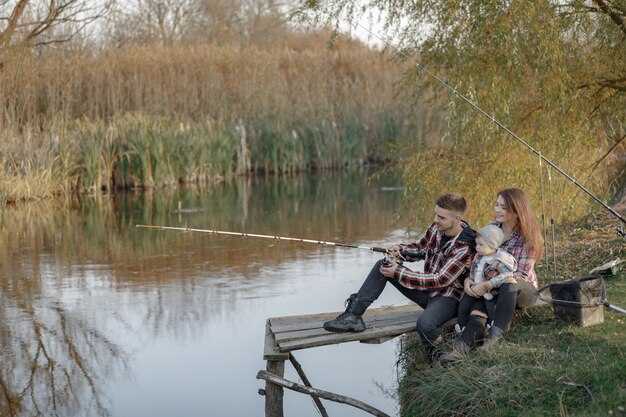 Spring Fishing Tips – March – May Guide to Catching More Fish">

Target large bass with chartreuse och orange blades on a fast retrieve to boost bites during early spring cold-water weeks, and keep a single lure ready for quick swaps.
check water clarity before casting: in clear water, pick smaller storlekar and lighter baits; in stained water, back chartreuse with backs for extra visibility. detta approach helps you align your setup with the day’s light and turbidity.
For March through May, this period rewards targeting zones where fish congregate: weed edges, sun-warmed points, and shallow drop-offs. Build a picks of lures for these spots–chartreuse blades, orange-backed plastics, and a natural 4–5 inch swimbait–so you can swap quickly when the bite shifts.
Morning windows matter: bites peak within the first two hours after sunrise and again 90 minutes before sunset. Start with a steady cadence just enough to keep contact; 0.5-1.0 mph with small jigs, then step to 1.5-2.0 mph if you see wake lines. For cold-water bites, slow the drop and target depths of 8-12 feet with a heavier lure to increase action.
female spring fish often move shallow as water warms; focus on specific pockets near shore and the adjacent channels. Use a single cast with a color mix that includes chartreuse on the back for visibility, then switch to a smaller profile if bites drop. After every trip, check water temp, wind, and the lures that produced bites to refine your approach in weeks to come.
Spring Fishing Tips Series
Start with a shallow-water plan: target weed edges and sunlit bays at 3–8 ft, as bass push shallower in March and April. Use a slow, natural retrieve to mimic a fleeing bait, and keep your lure in the strike zone longer by pausing occasionally. This precise motion increases your chance of a bite when fish are relatively inactive after winter.
Choose tubes and small lures: 3- to 4-inch tubes in black or dark colors, rigged on a light jighead with a barrel weight to keep them working near the bottom. Move the tube with a steady motion, then rip it and pause; this tactic triggers bass following bait along structure. Include a few go-to lures, including small jigs, soft plastics, and a compact crank to cover different depths. Rig lures appropriately to balance size and action, and use a little extra weight if needed to keep contact with the bottom.
Wind conditions drive where fish hold. Depending on wind speed and direction, cast upwind and drag the lure back with a slow, tight line across the cover you target. Check water clarity and adjust color: in clear water choose natural browns and greens; in stained water go with black or chartreuse tubes or lures. For mornings with glassy water, use a slower presentation; as wind rises, switch to a more aggressive twitch-and-pause.
Trick to efficiency: on trips, keep a compact kit in a small tube box to save time switching spots. Locate productive spots by scouting shoreline structure: weed edges, rock piles, current breaks, and places located near creek channels. Practice techniques such as slow-roll, twitch, and stop-and-go, and keep one clear tactic for each day based on water, wind, and visibility. This approach yields more bites this season and reduces missed chances.
Spring Fishing Tips: March–May Guide to Catching More Fish; – Spring Lures for Multi-Species Fishing
Begin March by fishing shallower water around structure where fish inhabit the bases of weedbeds, fallen timber, and rock piles. Use a white crankbait that runs 3–6 feet and pair it with small- sized grubs as trailers. Make short retrieves with 1–2 second pauses, then a longer sweep to pull bites over the tops of weed edges. This setup attracts catfish, crappie, bass, and other species as temperatures creep up.
From March into April, temperatures shift from cold-water ranges toward warm-water windows; adjust depth by 1–2 feet as the day warms. When water temps reach the mid-50s F, fish move into shallow 2–4 foot zones along weedlines and around laydowns. Keep the lure in contact with structure, and switch to longer retrieves on warm afternoons to cover more water quickly. Such timing helps you connect with fish located on the edge of beds and around transition zones.
Spring lures for multi-species fishing hinge on three patterns: crankbait on shallow edges, lipless crankbait for schools, and grubs on light jigs for panfish and crappie. Locate weedlines, submerged logs, and rock piles where fish inhabit bases of cover. Choose white eller chartreuse for clear water and pink or fire-tiger for stained water. A 2.5–3.5 inch grub on a 1/8–1/4 oz head yields a thin profile that triggers bites from bass, panfish, and crappie; larger crankbaits or jigs work for catfish in heavier current. The marknad offers many options, so mix patterns and vary retrieves to match the day’s conditions. The difference between March and May is mainly water temperatures and where fish locate during daylight.
Timing matters. In March and April, bites cluster around dawn and dusk and along shaded banks. As temperatures warm into the 60s, expect longer windows and fish hugging edges from 2 to 8 feet, depending on sun and current. Carry two setups: a light crankbait/grub combo for bass and panfish, and a heavier rig for catfish. Use longer retrieves to probe deeper pockets and shorter, snappier pulls over weed edges to imitate fleeing prey when baitfish push shallower. Assume clear days demand brighter colors; on cloudy days, prefer natural patterns.
Practical checklist for March–May trips: water temps and depth charts, structure types, and species you plan to target. Pack two or three setups: a white crankbait and a small- sized grub on a light jig for bass and panfish, plus a heavier jig or crank for catfish. Use 8–12 lb mono or fluorocarbon for cranks and 15–20 lb for catfish. Bring thin leader material if you fish near abrasive cover. Note times and conditions on each trip to build a simple plan for the next outing; this practice yields faster adaptation and better totals across months.
March Target Species and Prime Hotspots
Target walleye along riprap and weed edges at dawn and dusk. Use a simple, slow retrieves with a spinner on a single hook; keep the lure near the bottom and add a short rest between retrieves until you feel a bite. This straightforward setup works as spring warms the shallows and fish begin feeding again.
In March you’ll chase a multi-species bite, but walleye anchor the action. Look between weed beds and rock piles, along shoreline shelves, and near pond inflows. favorites for spring include walleye and smallmouth, with panfish often sharing the same spots. Looking through the weeks that follow, these hotspots stay productive:
- Riprap banks and transition zones: work a small lipless or lipped crank or spinner along the rocks; use 1/8–1/4 oz, maintain contact with the bottom, and pull back with short, steady retrieves. Depths of 2–6 ft hit most of the beds along shorelines; sometimes a longer pause triggers a bite.
- Vegetation edges: slide soft plastics or minnow-imitation jigs along the edge of emergent vegetation; look for walleye and bass that sit between cover and open water. Retrieve simply with a deliberate cadence and short pauses; spinners help cover water.
- Beds and shoreline drops: scan for gentle contour breaks and gravel pockets near weed beds; a jig-and-minnow or a small swimbait on a single hook works well here. Retrieve slowly, and let the bait rest in crevices; the bite often comes on the pause just above the bed.
- Ponds and inflows: ponds warm faster and produce quick action. Target bays and channels where inflowing streams mix with warmer water; use small spinners or lipless options, and maintain steady retrieves with pauses. You’ll see easier bites when fish move toward shorelines.
- Between zones and multi-species schools: look for the edges where weed lines meet open water; a multi-species approach pays off–switch to lipped crankbaits or a small jig with a minnow to chase panfish and walleye in the same pass. Keep gear light for longer casts and faster retrieves, and stay patient until a bite appears.
Water Temperature Windows: When the Bite Happens
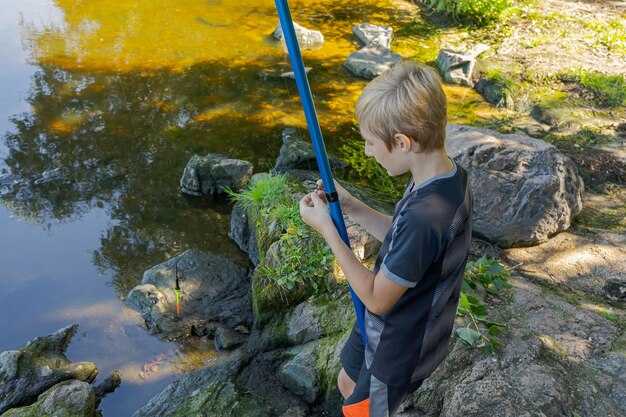
52–60°F (11–16°C) is your first bite window; between bays and points, females move shallow while males patrol weed edges. Focus on depths of 4–8 feet where sunlight warms the bottom and the water stays clearer.
Over the weeks, as the temperature climbs, the bite window shifts toward brighter light and midday hours. Remember, post-spawn patterns mean females hold deeper and males move shallower as spring progresses.
Choosing spoons and moving lures works best with a light rod and a quick, steady retrieve. Start with 1/8–1/4 oz spoons in gold or silver; use brighter colors in stained water, switch to natural hues in clearer lake water. Move the bait with a steady sweep, long enough to feel the blade, but short enough to keep the lure in strike range. Flyttning action keeps pressure on bites and helps you cover more water quickly.
Light and clarity drive depth targets. In clearer lake water, aim near the first drop-offs at about 4–6 feet during bright days; in darker water, stay closer to 2–4 feet with a faster cadence. Track the food source along weedlines to locate the active zone, which is your источник for the day.
For consistent results, adjust as hours grow longer and temperatures rise. Move in 2–3 feet steps along the shoreline and actively watch for signs of bites; if someone spots fish on a nearby point, shift your line there to maximize the window you’re working with.
April Lure Strategy: Depth, Cover, and Retrieve Pace
Begin with a choice of deeper-running lure and a thin leader to keep bite detection sharp. Tie a 1/4-ounce jig or a compact lipless bait on 12–15 lb fluorocarbon, and keep tension light enough to feel bottom changes. Start along weedlines and near drop-offs at depths of 8–12 ft, where walleye schools often feed first after ice-out.
Move to such locations as rock piles, weed edges, and channel swings when the sun angles across the water. In 50–60 F conditions, fish commonly hold 8–16 ft; as temps rise, lift to 6–12 ft along sunlit banks. Use your electronics to map structure and set waypoints for these locations and venues, then return to them in different wind directions.
Cover strategy relies on tools that stay in the strike zone without snagging. To match cover conditions, pick weed-guarded jigs and smaller blade baits for thick vegetation, and choose compact crankbaits or vibrating spoons for rocky venues that still pull fish from crevices. Favor large profiles when fish move, and use black lures in stained water while keeping brighter options ready for clear days. This tactic helps you stay aligned with the bite instead of chasing random setups.
Retrieve pace should match moving fish. Try a slow crawl with occasional 1–2 second pauses, then a steady medium-speed pull of roughly 0.8–1.2 mph, followed by quick taps to trigger bites. If you mark fish on a schooling move, push the lure deeper for 2–3 pulls, then pause briefly before the next move. A steady rhythm is easier to manage during long sessions, especially when water clarity shifts.
Technology and gear support April success: sonar spots deeper pockets and current edges; store a set of favorites colors and sizes for April, and apply the same approach to each location. Keep 1/8, 1/4, and 3/8 oz options, plus a few black lures for dirty water and bright options for clear days. Build a consistent choice across locations, and adjust to changes in wind, temperature, and clarity without ignoring subtle cues from the water.
May Transition: Post-Spawn Patterns and Tactics
Switch to a light rig and plastics to target trout along the front edges of cover as they move post-spawn. Always start with a little, slow presentation to avoid spooking wary fish and also keep a store-ready set of options for switching tactics as conditions change.
Assume post-spawn behavior shifts toward opportunistic feeding. Warm days push trout onto sun-warmed flats, yet many fish still hold near main structure located along weedlines and drop-offs. Brown trout and local populations respond to early May conditions; watch for male browns patrolling shallow edges before the water warms further.
Want to adapt quickly? switch between lures and tactics based on light and current; tiny plastics paired with light jigheads cover much water while staying sensitive to the fish. Also keep a little deeper option handy for shifting conditions and remember to limit your gear to a main set that works in most local scenarios, but be ready to switch if the bite moves deeper again.
Remember that aggression often surfaces again in the late morning as temperatures rise; even the most cautious fish can come up to inspect a fast, front-edge offering. Use a method you can store in a small bag so you can move quickly from warm pockets to shaded channels.
Technique details: Side-step to a front-edge approach. For trout, switch to light line and tiny jigs; keep a few bright colors for stained water, but also try natural browns in clear water. Targeting aggressive fish early in May yields the best action.
| Pattern | Djup | Lure/Technique | Best Time | Anteckningar |
|---|---|---|---|---|
| Edge transition | 6-12 ft | Light plastics on a small jighead; slight hops | Dawn–early morning | Male and aggressive fish patrol front edges; brown trout common in local waters |
| Shallow flats | 2-6 ft | Tiny plastics; slow sweep | Late morning | Warm days push fish into sun-warmed patches; hold near weedlines |
| Drop-off pass | 12-18 ft | Soft plastics with light line; drift or slow pull | Midday | Fish located on deeper edges; adjust color to visibility |
| Structure edge | 6-15 ft | Jig-and-plastic combo; limit your gear to a main setup | Afternoon | Local hot spots around shorelines; use small, natural hues |
Multi-Species Lure Setups: Versatile Rigs for Bass, Panfish, and Pike
Recommendation: Start with a Hybrid Inline Spinner Rig that covers bass, panfish, and pike in spring; use a 12–14 lb main line, 18–24 in steel leader for pike, and a lighter 8–12 lb leader for bass and panfish; fish along river bends during sunny windows and look for underwater vegetation edges; during unpredictable weather change, adjust depth and blade color to match the underwater profile.
-
Rig A: Hybrid Inline Spinner Rig for Bass, Panfish, Pike. Components: inline 1/4–3/8 oz spinner, 12–18 in fluorocarbon leader for bass and panfish, 18–24 in steel leader for pike, trailing 2–3 in paddle-tail soft plastic as a deadly trailer. Depth range: 1–6 ft along vegetation edges and current seams. Tactic: steady retrieves with short pauses to trigger strikes in river coves; look for sunlit pockets where males guard nests, and then switch to a slower cadence. Adapt color to water clarity–chartreuse or white in stained water, metallic in clear water. Guidelines: use appropriate leaders near pike habitats; check local regs and release rules. Habits: fish tend to hug cover and follow the route of currents; in spring, saugeye and other panfish concentrate near weedlines; during cold fronts, drop to 2–4 ft and speed up on the retrieve. Outdoors: practice safe long casts along the bank and along vegetation-rimmed pockets. That approach delivers results across riverine locales, and it remains effective when water color shifts throughout the day.
-
Rig B: Versatile Two-Dropper Jig Rig for Panfish and Bass. Components: main line 6–12 lb; first dropper a 1/16 oz jighead with a 2 in paddle-tail trailer for panfish; second dropper a 1/8 oz little swimbait or grub on a short 6–8 in leader for bass; use a longer 12–18 in leader with a small blade for saugeye when needed. Depth: typically 3–8 ft near weed edges and submerged points. Tactic: alternate between a slow drag and a quick twitch to cover water efficiently; look for underwater shelves along the river route and vegetation pockets. Habits: panfish school vigorously and respond to smaller lures; bass roam line edges and ambush near cover. Guidelines: keep hooks sharp, check local regulations for lure types, and adapt to water color. Outdoors: this setup shines when you’re scouting a local stretch with mixed habitat; smaller jigs provide a calmer option when the bite is gentle. That flexibility helps you adapt to changing currents and fish activity, and it remains effective in variable weather.
-
Rig C: Pike-Ready Deadly Spoon Rig. Components: 3/4–1 oz shiny spoon on a strong braid with a 18–24 in steel leader; additional long snap to a larger treble on the rear for a quick strike. Depth: work from 2–6 ft along weed lines and rocky banks along the river during warmer days. Tactic: cast parallel to vegetation edges and sweep the lure across the current, then retrieve with a steady pull and occasional twitches to imitate a fleeing baitfish. Look for underwater currents that funnel baitfish along open routes; color choice should lean metallic in clear water and bright in murky water. Guidelines: use a heavy setup and mind your line angle to prevent tangles in thick cover; check local guidelines for pike handling and release; adapt to water temperature and wave action. Habits: pike patrol long margins and prefer quick retrieves near structure; during spring, they may be aggressive toward larger spoons in warmer afternoons. Deadly color schemes include gold, silver, and chartreuse tails that stand out in riverine light. Appropriately sized gear and a solid knot ensure you can handle strong runs, and you’ll increase your odds outdoors on the water.