


 Svenska
  English (UK)
  Русский
  العربية
  日本語
日本語  한국어
한국어  Magyar
  Türkçe
  Español
  Čeština
  Português
  Ελληνικά
  Suomi
Suomi  Nederlands
  Română
  Italiano
  Français
  Polski
  Українська
  Deutsch
  简体中文
简体中文  Slovenčina
  Psychology Tips – How to Avoid Panic When You’re Scared at Sea">

Ta ett långsamt, kontrollerat andetag i fyra räkningar, och andas sedan ut i sex. Denna snabba teknik förankrar kroppen, gör nästa steg enklare och hjälper dig andas med avsikt under en byst eller en våg av fasa.
Begin a gradvis sekvens: taking situationen, sedan med hjälp av den following steps. Identify your head position, kontrollera för hinder och håll händerna på ett säkert räcke. Vid grovt väder, fördela uppmärksamheten på activities och din andning för att undvika överbelastning.
Komfort och vila är inte lyx; de är en del av riskhanteringen. Sitt eller luta dig mot en stadig yta för att minska skakningar, lossa all tight utrustning och ta en sipp vatten för att stödja health. Korta pauser ger ditt hjärta tid att lugna sig; en a rest när det behövs minskar det spänningsuppbyggnaden.
Sound självkritisk chatter avtar när du ersätter det med koncisa, icke dömande fraser. Erkänn rädsla utan dömande: “Rädslan är här, jag väljer en säker handling.” Denna förändring bevarar din health och behåller åtgärder coming på ett kontrollerat sätt.
Däck, praktiska steg är viktiga: bekräfta besätningens plan, fästa lösa saker och hantera halyards lugnt. En rutin för att kontrollera linjer och positioner minskar överraskningsfaktorer och skapar en känsla av kontroll. Att vara uppmärksam på activities och signaler hjälper dig att förutse förändringar i väder och skeprörelser.
Visualisering kan hjälpa: föreställ dig den worst result av lugna handlingar och repetera svaret. Genom att öva några säkra drag, så du allow vara frukta att släcka den snarare än att driva den. Processen begins med en liten handling, och effekten blir större, vilket förbättrar din förmåga att agera under stress.
För att bibehålla sinnet och kroppen, se till att dricka tillräckligt, ta korta pauser och undvik koffein under stormar. Ha en enkel checklista över uppgifter: andas, check halyards, justera din hållning och gå mot coming stunder med mening. En stadig rutin bygger byggnad skapar momentum och minskar risken för panikspiraler.
Behåll en långre vy: panik är en fysisk reaktion som comes och bleknar med övning. När du återfått kontrollen, se över vad som fungerade och var du kan förbättra dig. Målet är inte perfektion, utan konsekventa, små steg som stöder din health och kapacitet att agera i utmanande förhållanden.
Praktiska psykologiska taktiker för att hålla sig lugn när rädslan slår till till sjöss
Använd en kontrollerad andningscykel: andas in genom näsan i 4 räkningar, andas ut i 6 räkningar; upprepa sedan i 6 cykler för att stabilisera kroppen och hålla tankarna klara. Om du tycker att du inte kan vara lugn, återgå till andningscykeln och upprepa tills din upphetsning minskar.
I storslagna hav, förankra din blick mot horisonten och håll din hållning stadigt. Styr din uppmärksamhet genom andetaget, horisonten och nästa steg för att förbli anpassad och undvika att spiralisera in i rädsla.
Observera tankar utan självkritisk bedömning: märk en tanke kortfattat (till exempel, “rädsla”) och flytta sedan tillbaka till andetaget. Detta saktar ner panikens bomb och stöder stabil prestation.
Positiv träning spelar roll: repetera en kort plan innan du går på däck och upprepa den under lugna perioder; detta stärker tryggheten och förbättrar seglingsprestandan när trycket stiger.
Behåll sociala ankare: informera snabbt andra om din plan, tilldela en handlingslinje och acceptera hjälp. Denna delade börda fördröjer panik och håller besättningen inriktad, hur som helst.
Tapeka cue: en kort, personlig omstart (känn på bröstet, andas djupt och kontrollera utrustning på nytt) innan du reagerar; denna djupa paus centrerar dig på prioriterade uppgifter och stödjer en lugn, säker kurs.
Om rädsla skulle drabba dig under en ryck, använd samma sekvens för att återfå kontroll: andas, lokalisera en säker plats, och agera sedan utifrån nästa lilla uppgift för att fortsätta röra dig.
Behåll rutinen och lämna paniken bakom dig; ju oftare du upprepar, desto bättre blir din seglingsprestanda i tuffa förhållanden, snart blir det ett naturligt svar.
| Step | Action | Anteckningar |
|---|---|---|
| Andning | Inhalera 4 räkningar genom näsan, andas ut 6 räkningar genom munnen; upprepa 6 cykler | Minskar upphetsning; behåller fokus |
| Förankring | Stå med fötterna axelbrett åtvarandra; mjuka knän; greppa räcket | Skapar stabilitet på däck |
| Tankearbete | Markera tankar (rädsla, självkritisk) och återgå till andetaget | Förhindrar explosionsliknande spikar |
| Team cue | Brief others on plan; assign a small task to a crew member | Distributes load; increases security |
| Tapeka cue | Pause, touch chest, breathe deep, recheck gear | Refocuses on priority tasks |
Regulate Breathing to Stop Panic Spasms Quickly
Start box breathing now: inhale through the nose for 4 counts, hold 4, exhale through the mouth for 4, and pause 4 before the next breath. Do this for 60 seconds to anchor your nervous system and shift toward a relaxed baseline.
Diaphragmatic breathing uses the belly instead of the chest. Place one hand on the abdomen and the other on the chest; inhale deeply so the belly rises, then exhale slowly until the abdomen falls. Repeat for 5 cycles.
Make it portable: you can perform it in any spaces aboard a boat–deck, cabin, or below–without drawing attention. Each breath nudges the autonomic nervous system towards calm and quicker control of panic spasms.
Self-talk helps: speak short phrases like “relaxed now” or “calm breath” to replace racing thoughts. This targeted approach works in adventure moments, whether you’re on a calm stretch or during a rough swell.
Differences appear between experienced and inexperienced sailors in situationer, but the core stays: keep breathing steady and stay present. Likely triggers include sudden noise, a fast turn, or a sharp gust; your breath can slow the spike.
When emotions surge and you cried or feel overwhelmed, return to breath first. came from a handful of upplevelser at sea and from garcia‘s guidance, which emphasizes practice over panic.
Practice plan: perform 3 rounds of 60 seconds box breathing, then 5 cycles of diaphragmatic breaths, followed by 1 minute of slow exhale counting to 6. This cadence works much of the time and can be used towards regaining control in real adventure moments.
If dizziness or tingling appears, stop, sit, and hydrate. Resume only when steady. These techniques are practical for both beginners and seasoned sailors; they empower you to learn from each experience and to face the sea with more confidence. They help you stay present; they make you feel you can make progress in tough situations rather than letting panic win.
Ground Yourself with a 5-4-3-2-1 Sensory Check
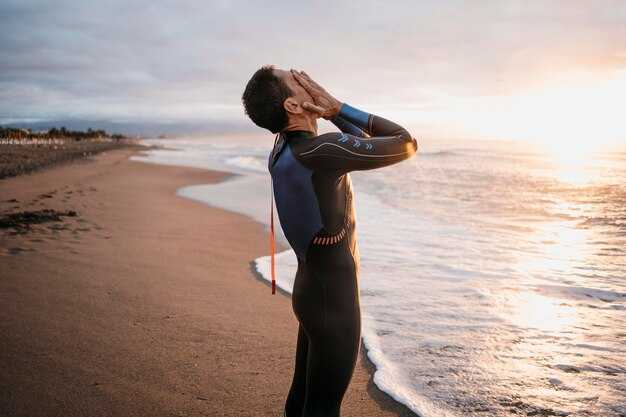
Pause, take a slow breathing cycle, and regain calm with this 5-4-3-2-1 check in moments at sea. It targets the cause of panic by anchoring your attention in the present and turning dread into clear, actionable steps.
- 5 things you see: the horizon, the deck, a rope, a restube, the captain’s wheel.
- 4 things you feel: the deck under your boots, the wind on your face, your life jacket snug, your heartbeat steadying.
- 3 things you hear: waves against the hull, the engine, crew chatter or orders from the captain.
- 2 things you smell: salt spray and diesel fuel or oil on the air.
- 1 thing you taste: salt on your lips or the dryness of your mouth from shallow breathing.
Breathing matters. Inhale through the nose for 4 counts, hold for 2, exhale slowly for 6. Repeat 3–5 cycles to calm the nervous system and regain composure. This combination of grounding and breathing helps you know what’s real, not what fear imagines. If you notice panic occurring again, you’ll have a reliable routine to rely on.
Talking helps, too. If a person nearby is calm, share a brief check-in with the captain or a crew member about the next steps. You should keep sentences short and direct to avoid fueling doubt or self-critical habits. If you carry a restube, keep it within reach; the fact that you have it ready can boost your confidence on a rough trip. Tapeka–a quick, deliberate pause–can become a habit you use again and again to stay brave and grounded in normal, stressful moments at sea.
Prepare a Simple Water-Safety Plan Before You Swim
Make your plan simple: write three steps and review them with a buddy before you enter the water. Also, aim for Olympic-caliber calm in your responses when the blue sea looks tense.
- Check blue water conditions, wind, and tides using local alerts; if the forecast suggests rough seas or strong currents, postpone and choose a safer spot such as a protected cove near paihia. Confirm lifeguard presence and stay within marked zones.
- Designate entry and exit points you can reach by standing or walking, and set up a clear signal if someone needs help. Agree on a time limit and a meeting point on shore so everyone stays together.
- Prepare safety gear: restube, a compact whistle, a waterproof phone, and a small light for dusk; Also carry a towel and choose activities within your ability. Set a plan to return to shore within a good window, and rehearse it with your buddy.
During the swim, monitor for symptoms of panic: racing heart, short breath, dizziness, or trembling. If you notice any, pause, float on the back, breathe slowly, and signal for help. Have a face-to-face check with your buddy if you see signs on your own face, and stay within reach. A woman accompanying you or supervising should be ready to step in and guide you to shallower water.
thalassophobia can complicate deals with fear of the sea. Use grounding phrases, focus on concrete actions, and perhaps progress slowly: start with shallow water, then small distances, then longer sessions. Earlier preparation reduces dangerous responses and helps you deal with fear more calmly in three known cases when panic arose. Take note of three symptoms you experienced and how you responded, so you can repeat the good approach next time and learn from every taking step.
Night swimming carries extra risk: avoid it if visibility is poor. If you must swim at night, stay in well-lit areas, wear a bright cap, keep a dependable light, and face the shore. Do not go down beyond arm’s reach and always stay with your buddy.
Activities that require water exposure should match your needs and strengths. If you notice weaknesses in stamina or breath control, shorten sessions, rest more often, and gradually increase exposure over weeks. With a solid plan, you gain confidence and reduce the chance of panic while in blue water.
Choose Accessible Gear and Signals to Lower Alarm
Choose accessible gear and signals, and keep a bright signal kit in an open, clearly labeled pouch at the helm so you can grab it without hesitation. Include a whistle on a quick-release lanyard, a small waterproof mirror, a compact LED torch, and a handheld VHF radio with spare battery. These protectors help your crew communicate across rough seas, and such signals stay within reach when nerves tighten. When signals are accessible, panic is avoided, and you deal with the situation more calmly.
Practice a simple two-minute routine to check gear and test signals: designate a signal lead, move through the steps slowly, and confirm everyone understands cues. These steps rarely fail when practiced. This planning builds techniques you can rely on when you’re going through spray and wind on a trip. Keep the drill short so the crew stays focused and comfortable.
Keep a ready kit in paihia or other open-water zones ready, with a spare battery and extra reflector or mirror in the kit. Label compartments, keep signals visible, and use color-coded tags so you can grab the right item in a hurry. Open access reduces delays and keeps your setup straightforward for the crew.
During a scare, respond calmly: take a deep breath, count to three, and move your hands slowly to operate signals like the radio or a flare. This approach reduces worries and lowers alarm, even in rocky, wild chop. Comfort comes from clear steps and steady execution.
Healthy planning and comfort come from practice anyway; if someone fell or cried during a drill, support them and recover quickly. If someone is pushed to the edge, the kit helps you stay on track and the crew works like a unit. Open communication, simple signals, and ongoing drills create confidence for going far from shore.
Establish a Supportive Buddy System for Safety and Confidence
Par ihop med en kompis innan du lämnar stranden och lås fast en personlig säkerhetsplan. Bestäm vem som leder övervakningen och vem som talar först när du märker symtom som snabb hjärtrytm eller förvirring. Etablera tydliga roller för att spara tid och bygga upp förtroende i svåra förhållanden. Din kompis känner dina gränser och kan säga till när ditt hälsa eller humör förändras, så att ni kan agera tillsammans för att hålla er säkra.
Tilldela roller som bör vara konsekventa: en är utkik, den andra följer förändringar i humör, andning eller balans. Använd en enkel signal först-prata för att berätta för din partner när du känner dig överväldigad. Lägg märke till förändringar i andning eller hållning och åtgärda dem omedelbart. Håll dig inom synhåll av deras segel för att behålla orienteringen, och en snabb fras, kanske “Jag behöver hjälp”, håller kommunikationen direkt.
Övning gör systemet pålitligt. Använd lugna vattensessioner för att repetera signaler, avstämningar och vem som stiger in när symtom uppträder. Som någon sa, delning av berättelser om hantering under stress fördjupar lärandet och hjälper dig att se säkerheten tydligare; snart kommer du att känna dig tryggare och bandet växer djupare. Målet är bekväm, direkt kommunikation som minskar spekulationer eller panik när ett verkligt ögonblick av rädsla uppstår.
Sätt en konkret kadens: kontrollera läget var 15:e minut, utvärdera vad som gick bra, och skissa på nästa steg. Liksom en andra besättning bör dessa två fungera med tydliga roller. Skillnader i erfarenhet eller nervositet bör bemötas med respekt och tålamod; ett bra buddy system anpassar sig till partnerns behov. Denna approach håller de två som ett team snarare än isolerade individer, vilket hjälper båda att känna sig bekväma och redo för nästa uppgift.
I en kris bör samarbetspartnern agera omedelbart: upprätthåll en stadig kurs, minska hastigheten och vägled den andra till en säkrare position. Om någon tappar balansen tar partnern rodret och håller den andre inom räckhåll; denna enkla följd hjälper till att rädda stunden och skyddar både hälsa och självförtroende. Genom att dela ansvaret får var och en en känsla av kontroll och ett djupare förtroende för den andre.
Därefter, utvärdera efter varje tur: vad som hjälpte, vad som ska justeras och vad som ska övas innan nästa resa. För en skriftlig personlig notering om lärdomar och uppdatera planen. Med konsekvent övning blir buddy-systemet en naturlig reflex som stödjer deras hälsa och säkerhet även i en spinn eller storm.