


 Svenska
  English (UK)
  Русский
  العربية
  日本語
日本語  한국어
한국어  Magyar
  Türkçe
  Español
  Čeština
  Português
  Ελληνικά
  Suomi
Suomi  Nederlands
  Română
  Italiano
  Français
  Polski
  Українська
  Deutsch
  简体中文
简体中文  Slovenčina
  Portorosa Sicily Sailing Itinerary – The Ultimate Guide to Western Sicily Cruising">

Base Portorosa for this suggested western Sicily sailing vacation. Use it as your hub for a flexible loop toward Filicudi and Lipari, with reliable shelter, easy provisioning, and calm mornings before you head into open water today.
From Portorosa you ride the winding lanes of the Tyrrhenian coast, with the wind behind you and the sea ahead. Plan an early start to reach Filicudi before the heat of noon, and leave yourself time for a splash or a reef pass if the weather has changed during the night.
Filicudi rewards careful planning with sheltered bays, crystal-clear water, and sea caves accessible by dinghy. Anchor near Pecorini or along the western shore to explore a tonnarella ruin and watch the last light fade over dramatic cliffs; a quick swim is especially refreshing.
Next, sail to Lipari for markets, harbor life, and volcanic scenery. The lanes around the quay bustle with locals selling olives, citrus, and fresh seafood; stay long enough to sample shellfish and then refill freshwater at the marina. If Lipari seems crowded, Salina offers calmer anchorages and views that are nicer than you expect, with basil and tomatoes that taste sweeter than on the mainland, and evening strolls along the waterfront.
On the last leg back toward Milazzo or Capo d’Orlando, summon a taxi for provisioning in town and a quick walk along the old fortifications. For a 5–7 day plan, allocate four anchorages, stay flexible as winds shift, and let the sailors decide which hidden bays offer the finest things to do at sunset away from the crowds.
Practical Breakdown for a Portorosa to Western Sicily Cruise
Book an early-morning start from Portorosa to catch calm seas and a quiet harbor; in the wake of dawn you reach Favignana for a warm swim at spiaggia Cala Rossa and an authentic dip before the winds pick up.
Travelers should follow this best-practiced pattern: sail mornings, anchor by early afternoon, and spend cool hours ashore. This keeps you refreshed for night moorings and avoids crowded harbors.
kate will remind you to stay flexible: keep your berths booked, but stay ready to swap stops if a favored cove looks better at first light. Armstrong, a seasoned sailor, adds that checking the forecast twice daily and keeping a simple plan will cut stress and make the days spent on deck more fantastic.
Anchorage strategy centers on lee shores with good holding and easy stern lines. Only bring the essentials to the boat to maintain deck space for swimming gear and spare lines. Springs should be rigged so you can adjust the boat to rolling seas without waking the crew in rough weather. Sailors who plan the night in sheltered bays report warmer evenings and less motion, which helps visitors sleep and wake ready for another day of exploring.
| Stop | Distance (nm) | Typical Time (h) @ 6–7 kn | Anchorage Tips | Anteckningar |
|---|---|---|---|---|
| Favignana (from Portorosa) | 28–34 | 5–6 | Sheltered south coast near Cala Rossa; choose a calm night if possible | Excellent swimming; plan an evening wake to enjoy sunset silhouettes; visitors will love the first taste of Western Sicily |
| Levanzo | 10–16 | 2–3 | Quiet coves along the west shore; use stern springs for steadying | Short hop, great for a relaxed afternoon swim and a warm meal ashore |
| Marettimo | 16–22 | 3–4 | Sheltered bays on the north coast; protect from sirocco with an exposed reef nearby | Fantastic snorkeling; second-largest anchorage option in the archipelago gives a comfortable night if winds shift |
| Trapani | 28–40 | 5–7 | Harbor within easy reach of provisioning; consider a quick road run to the fish market | Gate to western Sicily cuisine; best for a longer stop with a city night |
| Palermo | 90–110 | 16–20 | Palermo port or nearby Cala Marina; verify pilot charts and harbor regulations | Huge culinary scene for travelers; book ahead if you plan a city day ashore |
Leaving Favignana and beyond, plan two clear overnight legs and reserve a day for the best beaches and quiet coves. Mount a quick dinghy ride for a sunrise swim, and always check shore access rules at each stop so you stay respectful to locals and staying boats. The route is filled with authentic coastal landscapes, and you’ll find warm waters and fantastic dining along the way.
Your crew gains momentum with each harbor, and the itinerary can bend to conditions and your group’s mood. By staying flexible and packing light, you’ll discover why this coast remains a favorite for visitors and sailors alike, with sunlit days that linger into night and a rhythm that invites you to spend more time on deck.
Day-by-Day Leg Planning: Distances, Timing, and Overnight Stops
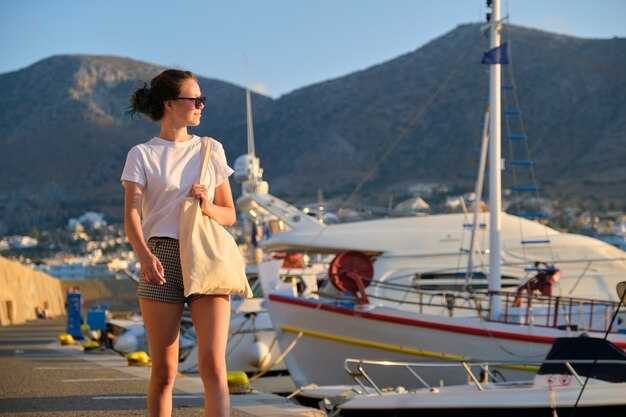
Begin Day 1 with a 38–40 NM hop from Portorosa to Castellammare del Golfo, targeting 6–7 hours of sailing at a steady pace. The refreshing breeze tends to rise mid-morning, letting you head in with daylight remaining. Overnight in Castellammare del Golfo harbor, where a wonderful evening stroll along the waterfront leads to peppers on a seafood-focused menu at a local star restaurant. This base leg is listed as the recommended start in the itinerary.
Day 2 takes you Castellammare del Golfo to Trapani–roughly 28–34 NM, about 4–6 hours depending on wind. Start after breakfast and weave along the coast, keeping a steady course to the west. Dock near Trapani’s old town to enjoy a beautiful sunset over the salt pans and the tuna market. Evening events or a casual aperitif in the marina are easy to arrange. Overnight in Trapani; use a central base to ease morning departure for Day 3.
Day 3 covers Trapani to Favignana–about 18–25 NM, 3–5 hours. Depart after a hearty breakfast and reach Favignana by midday. Spend the afternoon snorkelling at Cala Rossa or Cala Azzurra, then take a short hill hike to a vantage point above the town. The island’s form and coastline weave a brilliant backdrop for island wandering. Stay in Favignana’s marina; two nights here help you savor the next leg of the itinerary.
Day 4 ferries Favignana to Levanzo–8–12 NM, 2–4 hours. Morning breeze makes for an easy hop to Levanzo. Anchor near the village or in a sheltered cove, then spend the afternoon snorkelling in crystal-clear water and exploring hillside trails with a gentle hill climb for views over the channel. An evening on the quiet pier offers a refreshing contrast to busier ports, with peppers showing up in a simple, seafood-forward dinner by the water.
Day 5 routes Levanzo to Marsala–25–35 NM, 4–6 hours. Set a course along the western coast, arriving mid-afternoon. Base in Marsala to wander the historic center, visit a cantina to sample the local wine, and enjoy a sunset walk along the waterfront. The dining options include a star restaurant that highlights fresh seafood and local produce; a brilliant memory forms as you savor a glass of Marsala with the sea breeze. If time allows, a brief snorkelling session in the shallow bays completes the day; there are often events listed in the marina bulletins.
Optional detour for rinella: If you extend to the Aeolian Islands, stop at rinella on Salina for a sheltered night. The next morning, a short hop to Lipari yields a full island loop before returning toward Portorosa along the coast, weaving together a complete program with hikes and snorkelling opportunities. This extension adds a refreshing twist to the itinerary and can be planned for next time on the water.
Anchorage, Mooring, and Docking Options in Salina, Lipari, and Stromboli
Start with Rinella, Salina, for a dependable, consistent anchorage that keeps your crew calm before you sail to Lipari and Stromboli.
Salina offers two practical options: Rinella’s sheltered waters near the main harbor, ideal when winds shift from the north, and Pollara, a little bay with a stunning setting that works well in calm seas. If you need mooring buoys, check with the local fishermen’s association ahead of time, and always verify bottom quality and depth with the harbor master. You can enjoy a delicious lunch ashore at an agriturismo near the hill towns, then return to the boat with fresh provisions and a brilliant sunset to cap the day–everything feels easy when the wind cooperates.
In Lipari, choose Marina Corta for proximity to the old town, fuel and water, and easy access to provisioning. If you prefer more buoy space, Marina di Lipari (the larger harbor on the east side) offers longer berths and better protection from sirocco, though it can be busier. Both harbors handle bareboat charters well, and you’ll often find crews ashore sampling vibrant seafood dishes and Neapolitan-inspired pizzas after a day on the water. Make sure you’re listed with the harbor master to secure a slip or buoy, especially in peak season; otherwise you’ll be left circling with the plots of crowded yachts and advertisement boards overhead.
Stromboli presents a different rhythm: Porto di Stromboli handles limited berths, so many sailors alternate between the protected harbor and a land-based option in the little isla of Ginostra or Cala di Ficogrande. If you plan to anchor off Stromboli, prefer Cala di Stromboli or the area near Punta Lazzaro when winds are favorable, and land using a dinghy for landings. Because of the volcano, currents and sudden gusts can surprise you, so always check the latest notices and keep a spare anchor as a backup. Youre best off booking ahead during high season and coordinating with the local coast guard for safe entry paths and docking options near the volcanic coast.
Practical planning tips: during the pandemic era, some harbors require pre-arrival confirmations and health declarations; always call ahead to confirm mooring availability and any limits on guest numbers. For bareboat crews, carry updated charts, a robust anchor kit, and a reliable VHF channel to contact the harbor master. On all three islands, consider a staggered schedule to avoid peak times and enjoy consistent access to services, fresh seafood, and friendly help from Sonia and other local skippers who know the best anchorage angles, the little details of tides, and where to drop lines without disturbing nearby reefs.
Food and stay options enrich the cruise: on Salina, pick an agriturismo with garden-fresh produce and delicious regional dishes; on Lipari, sample fantastic local dishes–including Neapolitan-inspired touches–at waterfront eateries that love to showcase fresh fish. The largest harbors on Lipari make it easy to resupply and plot future legs, while Stromboli’s volcanic backdrop adds a brilliant, ever-present soundtrack to every sail. If you need a compact itinerary, you could sail Rinella → Lipari (Corta or Lipari) → Stromboli, then adjust for weather and currents. This route keeps the experience consistent and enjoyable, avoiding crowded spots and keeping you close to reliable services, whether you’re a seasoned bareboat captain or a first-timers’ crew looking to savor the islands’ iconic foods and volcanic scenery.
Waypoints and Scenic Highlights: Salina to Panarea and Stromboli
Anchor at Santa Maria, Salina, for a refreshing swim in clear acqua and a first briefing on the route ahead. Tie a short stern-to near Pollara’s shore and enjoy the fine light over the vented coast as Monte Fossa delle Felci rises inland. This Leg sets a desirable pace for a solo cruise or a relaxed family voyage today, with straightforward moorings and a solid plan.
- Salina (Santa Maria to Pollara) – a 5–7 nm hop. Stop for a solo swim in sheltered waters, then explore Pollara’s hidden crater bay. The coastline shows the deposito of ancient eruptions and a calm, easy approach into the lee. A brief walk to the lookout over the island’s Monte Fossa delle Felci adds culture and a clear perspective before you depart.
- Panarea (San Pietro, Cala Junco) – about 5–7 nm from Salina. Drop anchor off San Pietro or Cala Junco, where the water stays fine and the waterline reveals white (bianca) houses along a refined shore. Visit a small island museum if time allows, and check in with a local guide to learn their history and craft. The hidden coves near Cala Junco reward a dinghy excursion, and the long, smooth coast invites a relaxed stroll along the quay while you plan the next leg.
- Stromboli (vy över Sciara del Fuoco, Scari eller Ginostra) – en längre etapp, ungefär 10–12 sjömil beroende på vind. Närma dig Strombolis norra kust för att hålla sjön lugn, ankra sedan nära Scari eller Ginostra för att ta dig iland. Sen eftermiddag eller efter mörkrets inbrott erbjuder kraterns gula sken en dramatisk scen du sent ska glömma. Valfri solnedgångspromenad till utsiktsplatser ovanför Sciara del Fuoco ger en praktisk, oförglömlig final; senare beseglar en kort tur med tenderbåten tillbaka till båten upplevelsen. Ett snabbt besök på ett litet museum på ön fördjupar din förståelse för lokal kultur och vulkanisk aktivitet.
Praktiska tips: planera en noggrann kontroll av väder och strömmar innan den långa överfarten till Stromboli och avsätt en deposition för förtöjningar i Panarea om du planerar att övernatta. Öarna ligger tätt tillsammans och erbjuder bättre skydd om du anpassar dig till en längre, lugnare vattensträcka och sparar den livliga hamnen till sista dagen. Dagens rutt balanserar vattnets klarhet, kulturella inslag och möjligheten att simma längs gömda vikar, vilket gör den här sträckan till en verklig höjdpunkt på din Salina–Panarea–Stromboli-rutt.
Väderfönster, strömmar och överväganden gällande säkra sjöförhållanden
Planera dina etapper från Portorosa till västra Sicilien i maj eller september för att fånga pålitliga morgnar, lätta till måttliga västvindar och gynnsamma hav längs kusten. Denna period passar bra för att utforska Filicudi, Canna, Vulcano och andra vackra platser längs Italiens västkust i lugn takt.
Weather windows
- Bästa perioder: Maj–juni och september–oktober ger vindar på mestadels 8–18 knop från väst till nordväst och ett havstillstånd på 0–1,5 m längs kusten.
- Dagliga tider: starta efter soluppgång; förvänta dig en eftermiddagsbris som gradvis bygger upp till 12–20 knop, vilket låter dig välja sträckor som flyter med brisen mellan Portorosa och Favignana eller Filicudi.
- Disciplin för prognoser: kontrollera ARPA Sicilia och marina prognoser på Windguru eller Meteo.it för 48 timmar framåt; ring hamnmyndigheten för uppdateringar; Kate rekommenderar att ha en liten buffert i schemat.
- Logistik: samordna båtbokningar tidigt; säkra kajplatser och depositioner i hamnar i förväg; planera en reservplan för ett landstopp om förhållandena ändras.
Currents
- Egadiöarna: vid lugnt väder är strömmarna svaga (0,5–1,5 knop) runt Favignana och Levanzo; vid blåsigare förhållanden kan de nå 2–3 knop längs nordkusten, så planera etapperna för att utnyttja tidvattnet när du går österut.
- Eoliska passager (filicudi, canna, vulcanos): strömmarna är mer varierande; typiskt 1–2 knop, med rusningar till 3–4 knop när vindarna linjerar med kanalerna; gör passager mellan öarna i dagsljus och övervaka lokala rapporter för att vara säker.
- Lokala virvlar och avlagringar: var uppmärksam på formationer nära zotta och andra uddar; de kan bromsa upp en sträcka om du genar och håller dig nära land.
- Tips: använd strömmen till din fördel på längre sträckor, men håll dig till skyddade rutter om vinden skiftar mot vulkanerna eller andra klippiga kuster.
Säkra havsförhållanden
- Väderförhållanden: håll öppet vatten-etapper till sjöstadie 0–3; undvik att korsa öppna kanaler i sjöstadie 4+ eller när vindbyarna överstiger 25 knop; sirocco-dagar kan pressa upp sjön längs västkusten och runt vulkanerna till 2–3 m.
- Utrustning och besättning: se till att alla bär flytvästar under gång; säkra däckutrustning; genomför en noggrann genomgång inför avfärd för flottiljen; en terapeutisk ritual att kontrollera utrustning hjälper besättningen att hålla sig lugn.
- Navigationsförsiktighet: föredra passager i dagsljus genom exponerade kanaler; håll utkik efter dyning och strömmar; ha en beredskapsplan att anlöpa närmaste hamn om förhållandena försämras.
- Hamnoperationer och kostnader: kontrollera kraven på depositioner för kajplatser, särskilt i små hamnar som de nära Filicudi eller Zotta; boka med Boatbookings för att undvika stress i sista minuten; planera stranddagar för att varva ner.
Mellan västkusten och Eoliska öarna ger ett välplanerat fönster verkligen njutbar segling med uppfriskande vyer och möjligheter att utforska kusten. Italiens västra kustlinje erbjuder en rad skyddade vikar och ankarplatser att njuta av, från Cala del Porto till stränderna nära Zotta; den här rutten är utformad för en avslappnad flottiljtakt där du kan njuta av öarnas "bella scena" och hålla besättningen engagerad i utforskning och segling. En noggrann förberedelse, en flexibel plan och ett säkert samtal till hamnen i förväg gör resan "Bello".
Utrustning, säkerhetsutrustning och lokala bestämmelser för rutten
Fyll på med vatten och proviant för tre dagar i Portorosa före avfärd; en glad besättning börjar utvilad och välmatad.
Proviant: skapa en smidig plan för en siciliansk sommarresa, med fokus på matvaror som inte förstörs plus färska inslag från marknader i nordost. Håll en stor kylväska fylld med pasta, oliver, ost, konserverade tomater, bröd och frukt, plus plats för en eller två caponator att njuta av under strandpauser. Packa ett kompakt kök eller grill, ett förråd av engångsbestick och några burkar tonfisk eller sardiner för snabba måltider när havet går högt. Inkludera några energigivande snacks, en liten flaska olivolja och en pålitlig kaffebryggare för att hålla humöret uppe under långa sträckor mellan hamnar. För långa sträckor, blanda in lätta, enkla alternativ så att måltiderna förblir balanserade och smakrika, och planera ett par köttfria kvällar för att balansera planen.
Säkerhetsutrustning: varje person ombord bär en flytväst under gång; ha en extra väst redo i sittbrunnen. Utrusta med två brandsläckare klassade för el- och köksbränder, en kastbar flytanordning, en första hjälpen-kit och en välfylld knivlåda. Ha en fungerande VHF-radio med DSC och en extra handhållen enhet, plus aktuella sjökort och en kompass. Ha med nödraketer eller pyroteknik i ett torrt fodral samt en EPIRB eller PLB för längre sträckor längs nordöstra kusten. Inkludera en länspump, en manuell handpump och några fendrar för att skydda båtar vid förtöjning. För snorklingsutflykter, ta med mask, snorkel, fenor och ett extra set för besättningen för att säkerställa att alla kan njuta av dolda vikar och revfickor i lugn sommarvärme.
Lokala bestämmelser: medför giltiga båtpapper, försäkring och ägarbevis ombord; förvara kopior lättillgängliga för inspektioner nära hamnar som Portorosa och Capo d’Orlando. Skepparen bör ha erkänd behörighet for kustnavigation; vid användning av VHF eller DSC, följ lokala tillståndsregler eller operatörsbestämmelser. Vissa skyddade områden kräver tillstånd eller särskilda meddelanden innan ankring nära stränder eller anmärkningsvärda klippformationer; kontrollera med hamnmyndigheter eller marinapersonal för aktuella riktlinjer. Respektera hastighetsbegränsningar längs kusten, visa hänsyn till djurliv och häckningsplatser, undvik att ankra i skyddade havsbottnar. Marinakontor i nordöstra delen kan tillhandahålla aktuella råd om var man kan lägga till, vad man ska iaktta och eventuella säsongsstängningar som påverkar din resplan.
Ruttens höjdpunkt: den nordöstra sicilianska sträckan erbjuder magnifika kustlinjer, dolda vikar och pärlor som dramatiska klipputsprång och närliggande stränder. På sommaren öppnar det första ljuset över det blå vattnet vyer över faraglioni-klippor och tysta vikar där en snorklingspaus kan bli dagens höjdpunkt. Planera stopp där du kan se lokala fiskare i arbete, smaka på caponata på en taverna med havsutsikt och håll besättningen ombord i ett jämnt tempo som respekterar både väder och lokala regler. Att se dessa scener från en välutrustad båt, med rätt utrustning och korrekta tillstånd, säkerställer en säker och trevlig resa för hela besättningen på båtarna som hålls samman av en gemensam kärlek till havet.