


 Svenska
  English (UK)
  Русский
  العربية
  日本語
日本語  한국어
한국어  Magyar
  Türkçe
  Español
  Čeština
  Português
  Ελληνικά
  Suomi
Suomi  Nederlands
  Română
  Italiano
  Français
  Polski
  Українська
  Deutsch
  简体中文
简体中文  Slovenčina
 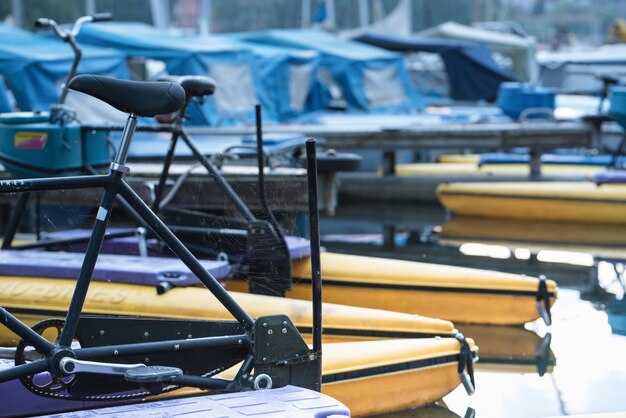 Personal Watercraft (PWC) Maintenance Guide – Essential Tips and Pro Checklists">

Always flush the cooling system and remove the plugs after every lake run. This keeps water from stagnating in passages and makes engine start smoother on the next ride. While the engine is warm, inspect hoses and clamps, then leave the boat to cool with the cover off for a brief visual check. When finished, re-seat the cover and prepare for storage. Keep in mind the system should remain flushed after the check.
Keep a simple, involved routine that covers the most used parts: battery, spark plugs, drive belt, and the electrical harness. Check the spark plug gap, replace worn plugs, and verify fuses. Make notes on what you find so you can track everything, then go through everything again before the next ride. If you notice a shift in throttle response, inspect the shift linkage and throttle cable to prevent issues during shutdown and shutting down the engine on the water. Dont skip the pre-ride check. Even a small wear can cut failure risk by 5 percent.
Before each ride, perform a quick preflight: check the hull condition, drain plugs status, and that the drain area is clear. Keep a waterproof cover on the seat when parked and inspect for water ingress. If the lake spray is present, flush after the ride and verify that the intake screen is clean so you can pass through without loss of water flow.
Storage and seasonal care: rinse, flush, dry, and store in a closed space. Remove any remaining water from the bilge, top off the fuel with stabilizer, and disconnect the battery to store it on a charger. Track service dates and ride hours so you can finish a full maintenance cycle on time; this approach can improve reliability by about 15 percent. If you store the watercraft in a covered area, make sure the cover fits well and ventilation remains clear. When finished, recheck everything before the next season.
Bottom line: Keep the routine simple, stay involved, and maintain a log so you know when to service each part. This approach helps you keep the boat ready for use, reduces risk, and lets you enjoy more days on the water with confidence.
Personal Watercraft (PWC) Maintenance Guide
Flush the cooling system after every saltwater ride using fresh water and a standard hose attachment; run the engine for 2–3 minutes with the intake open, then stop and drain. This simple step protects the cooling passages and reduces corrosion in boats, including waverunner models, and keeps your systems healthy.
After each session, inspect the intake grate for debris such as seaweed or sand; remove the material and rinse the area. Keeping the intake clear preserves pump efficiency and protects the most critical parts of the propulsion systems.
Set a monthly routine to verify hoses, clamps, fuel lines, and electrical connections; clean or replace air filters where applicable. For the first annual service, schedule with the manufacturers’ service center or a qualified tech, and expect checks on the impeller, wear ring, drive shaft, and safety features. Maintain a simple information log for their models so you can track what was finished and when.
Oil and fuel management matter: check the oil level at every fuel stop, replace oil or sealant per the hours or months specified by the manufacturers. Use the recommended oil for your engine and a quality fuel stabilizer; keep a spare filter kit and essential seals on hand during seasons with frequent use. This helps the engine stay in top condition, just in case conditions change.
Storage and care: rinse the exterior, dry thoroughly, and apply a marine-grade wax to the hull to reduce oxidation around the waterline. Store under cover in a dry place away from direct sun; keep the battery charged with a trickle charger to stay ready for the next set of months of riding.
Finished tasks should be logged: date, number of hours, and the things replaced or serviced. This cadence helps when making the next rounds of maintenance around the most active months and years of operation, and it helps you keep information handy for dealers or the manufacturer if questions arise.
PWC Maintenance Guide: Key Tips and Pro Checklists; Seasonal PWC or Jet Ski Maintenance Schedule
Start with a full pre-season inspection and replace worn seals to prevent leaks. From bow to stern, pay attention to bilge pumps, seat mounts, screws, and internal wiring; ensure seals are intact so moisture doesn’t reach critical parts. If any screws are loose, tighten down firmly.
Create a reference log that tracks years of ownership, hours run, and maintenance tasks; record what was done, when, and any anomalies.
Spring: Flush the cooling system with clean water, drain and refill engine oil, replace filters, inspect the impeller and wear ring, and check battery voltage and charge if needed; verify seat latches and fasteners are secure to keep the deck solid through speeds.
Summer: Inspect fuel system; replace cracked hoses; check clamps; tighten all accessible screws; test bilge pump and electrical system at idle and at speed to confirm reliability.
Fall: clean and seal exposed metal; apply corrosion protection; lubricate steering and throttle cables; verify seat latches; store in a dry, ventilated area; disconnect the battery if long storage is planned.
Winterization: Fog the engine if recommended, add fuel stabilizer, and top off coolant; remove the battery and keep it on a trickle charger; cover the craft to keep dust and mist away.
General tips: after every ride, rinse with fresh water, dry thoroughly, and inspect visible screws, seals, and hoses; keep the bilge dry; if you see corrosive residue, address immediately to prevent further damage.
Owning a PWC requires consistent attention; even a small issue can hurt performance if ignored, so follow these steps through each season and you’ll enjoy strong performance and reliable starts year after year.
Pre-Ride Safety Check and Visual Inspection
Do a full pre-ride safety check before you launch. Start with the display: confirm the gauge cluster reads normal and the warning lights are off. Verify the battery connections are clean and tight, and tighten screws on panels, covers, and the hood to prevent vibration.
Perform a visual sweep of the hull and exterior: look for fresh cracks, chips, or signs of impact. Open compartments and check for water in the bilge, loose gear, or debris that could shift during a run. Ensure all covers fit snugly and the seat latches operate smoothly.
Inspect fuel and cooling lines: ensure fuel is fresh and the cap seals tightly; look for leaks along hoses. Use the display to verify fuel level and ensure you have enough percent left for the planned hours. For storing after a ride, add stabilizer to the fuel and top off the battery before you put the covers on for winter.
Check controls and safety gear: verify the lanyard is attached and the kill switch engages properly. Test the throttle and steering for smooth response and ensure the emergency stop returns to idle. Confirm all required safety gear is aboard and accessible; keep extra fuses, screws, and a small toolkit in a dry pouch.
Corrosion protection and maintenance: inspect the anode and mounting hardware; if the anode is worn down, replace it to protect the hull, especially when you own a freshwater or saltwater unit. After a ride, rinse with freshwater to remove salt, debris, and salt spray; dry and store the unit according to the manual.
Ownership note: youve built a routine that covers the basics, and owners youve trusted for years know that boats and PWCs owned benefit from this pre-ride check. Youll notice fewer surprises on the water if you keep a simple, finished checklist in the glove box and refer to it before every start. A strong habit here helps you leave the dock with confidence.
Fuel System Maintenance: Filters, Lines, and Fuel Quality
Replace the inline fuel filter before the season starts, and carry a spare on board for quick changes on long trips. This simple step, preventing clogging and engine stalling on watercraft, keeps you moving. Simply follow these checks to keep fuel flow steady between rides.
- Filter maintenance: Use the correct inline or cartridge filter for your model; replace every 50 hours of operation or once per year, whichever comes first. Look for dark fuel, sediment, or a swollen element; after replacement, start and run the engine to confirm normal fuel pressure and smooth idle. Just plan this change and track the hours to prevent surprises where you ride, and know where to find the spare.
- Lines and clamps: Check each fuel line for cracks, soft spots, or bulges; replace any hose that looks deformed or stiff. Ensure routing avoids heat, sharp edges, and rubbing; keep curves gentle around fittings; tighten clamps firmly and use ethanol-compatible hose where required. Consider replacing hoses every two to three years, or sooner if you find cracking or swelling, maybe sooner if you notice wear. Grease stainless clamps to prevent corrosion during storage, and protect lines with sleeves when they pass near hot components.
- Fuel quality and storage: Use fresh fuel from reputable stations; ethanol-blend fuels can absorb water. Add a marine-grade stabilizer when storing fuel for more than a month. If you suspect water in the tank, siphon and rinse with fresh fuel or run a dedicated fuel/water separator if equipped; flushed lines and a clean refill help clear contamination. Do not fill beyond 95% to allow expansion, and store away from direct sun. For particular models, follow the owner’s manual for any special fuel recommendations.
- Anode and corrosion protection: Inspect hull zinc anodes and fittings near the engine and fuel system; if anode loss is evident, replace to maintain galvanic protection. Ensure grounding and corrosion protection around metal components; corrosion can create leaks or misfits that affect fuel delivery.
- Winter storage and protection: When doing winterization, drain or fill to stabilize the fuel and minimize condensation; add stabilizer and run the engine briefly to distribute treatment. Store the watercraft in a cool, dry place and perform a quick system check before returning to summer use; after winter, verify fuel quality and repeat the filter and line checks to catch aging or swelling. Check for signs of moisture around fittings at the intersection of hull and engine to catch leaks before you shift into active season.
These steps help you know what to find if something looks off, around the intersection of filtration and fuel delivery, and protect your ride across mile after mile of water. Maybe you’ll feel more confident doing a quick check after each fuel stop and at winter shift, keeping everything flushed, rinsed, and ready.
Cooling System and Impeller Care
Flush the cooling system with clean water after your rides to remove sandy debris and salt buildup.
Run the engine with a water supply for 30-60 seconds after flushing to confirm steady flow, then shut down and inspect the impeller area for debris that could clog passages. Remove the grate and visually inspect the impeller blades for nicks, bends, or erosion.
- Inspect hoses, clamps, and the water inlet for cracks or leaks; replace worn clamps and fix any pinholes; ensure the cooling passages stay closed and contamination cannot enter the system.
- Check the impeller and wear ring; rotate the impeller by hand to feel for rough spots, and look for chips or erosion on the blades. If you see damage, you might replace the blade at the next dealer service periods.
- Inspect plugs and ignition wiring; clean or replace spark plugs if fouled, and ensure seals around the pump housing maintain a closed loop.
- Wash out sand and grit from the pump cavity, using low pressure and not forcing water into seals; dry thoroughly after inspection to prevent corrosion.
- Storing the craft for long periods? Drain water from the cooling system and fuel lines; use fresh water for a final rinse before storage; wash the exterior and remove sand from the trailer setup.
- etanol: Om du kör på bränsle som innehåller etanol, använd stabilisator och kör motorn för att trycka den behandlade bränslet genom ledningarna innan du lagrar; detta hjälper livslängden på komponenter och minskar uppbyggnaden av lack.
- Håll en logg: skicka e-postmeddelanden med anteckningar till handlare eller kopiera underhållsbladet; inkludera perioder, miltal och eventuella observerade slitage; detta hjälper dig att spåra livslängd och planera nästa kontroll.
Elektriskt system och batterihälsa
Kontrollera batteriet och laddningssystemet före varje åktur för att säkerställa full laddning och rena terminaler. Detta hjälper systemet att fungera smidigt och gör driften förutsägbar från första starten.
Håll batteriet fulladdat vid förvaring; använd en lämplig adapterladdare som förhindrar överladdning. Känn till vilospänningen: bly-syra bör visa 12,6–12,8 V; Li-ion följ tillverkarens specifikation. Om du kör i varma, kustnära förhållanden, sikta på 80–100 procent laddning för att maximera livslängd och beredskap.
När du ser korrosion, ta bort den snabbt: koppla bort den negativa terminalen först, sedan den positiva. Rengör med bikarbonat och vatten, torka helt, återanslut och applicera ett dielektriskt skydd eller en antikorrosionsspray. Håll batterifackets lock stängt för att skydda mot spray och väder. Kontrollera sedan åtdragningsmomentet så att anslutningarna förblir stadiga, och var uppmärksam på eventuella lösa kopplingar vid nästa start.
Kontrollera för parasitförbrukning: om spänningen sjunker mer än 0,5 procent per dag när den står parkerad, lokalisera orsaken och ta bort onödiga laster. Använd en voltmeter för att bekräfta att generatorn bibehåller 13,8–14,4 volt under drift. Oavsett om du förvarar PWC i en vecka eller en månad, testa systemet varje vecka och vet när det är dags att ladda.
Miljö och placering: förvara på en sval, torr plats borta från direkt solljus. Om PWC:n står nära strandkanten, håll batterifacket täckt och väl ventilerat. Håll avstånd under laddning för att säkerställa säkerheten; ladda aldrig i närheten av bränsle, tändkällor eller etanovåpor. Använd en dedikerad adapter eller laddare och placera laddaren borta från passagerare eller åskådare. Se till att insugningsventiler i motorrummet inte blockeras av ett lock eller en väska; håll området rent och lättillgängligt.
Temperatur och cykling: värme accelererar nedbrytning; undvik djupurladdning och långvarig lagring med låg spänning. För Li-ion, undvik urladdning bortom gränser per cell; för bly-syra, håll dig över 12 V under lagring. Anodens hälsa är viktig; om du ser svullnad, byt ut batteriet. Vid utbyte, placera en ny enhet i samma batterifack, rygg mot rygg med korrekt polaritet.
| Checklist Item | What to Check | Mål / Åtgärd |
|---|---|---|
| State of Charge | Vilovolt efter laddning | Bly-syra: 12,6–12,8 V; Li-ion: följ specifikation |
| Laddspänning | Under drift eller efterfyllnad | Lead-acid: 13.6–14.4 V; använd korrekt adapter |
| Terminal Condition | Korrosion eller lösa anslutningar | Ta bort korrosion, dra åt enligt specifikation, applicera antikorrosionsspray |
| Compartment & Moisture | Fukt, kondens, tätningar | Torr, inspektera tätning, täck vid parkering nära vatten |
| Parasitisk Dränering | Onödviga belastningar på kraftledningar | Koppla bort icke-väsentliga vid förvaring; testa veckovis |
| Anodens hälsa | Cell health for Li-ion | Ersätt om svullnad eller skada finns. |
| Lagringstid | Lagringstid utan laddning | Håll vid 12,5–12,8 V med trickle-laddning |
Winterförberedelse, Rengöring och Säsongslagring

Utför en fullständig vinterförberedelse: töm bränslet, impregnera motorn, spola kylsystemet och applicera ett korrosionsskydd på blottad metall för att förhindra rost.
Under årlig service, ta tag i höger skiftnyckel, inspektera slangar och klämmor och dra åt eller byt ut komponenter efter behov.
Öppna tömplugg för att avlägsna eventuellt kvarvarande vatten, torka ur utrymmet och installera tillbaka pluggen innan förvaring.
Inspektera skrovet och kritiska komponenter, och var uppmärksam på korsningen mellan slangar och elektrisk ledning; om du ser något löst eller korroderat, åtgärda det innan det sprider sig.
För en waverunner, koppla bort batteriet, rengör terminalerna och se till att batteriet är tillgängligt för laddning med en vedlagsladdare.
Öva på att hålla avstånd från bränsle och lösningsmedel; håll projekt borta från tändkällor och arbeta med fläktar för att hålla dig säker och undvika farliga ångor.
Förvara på en torr, jämn plats; lyft skrovet något för att förhindra vattenansamling, och använd ett ventilerande skydd, för att hålla fritidsvatenskoter skyddade.
Ägare bör fastställa en årlig genomgång, logga underhållsuppgifter, inspektera kölen, notera rostfläckar och bekräfta att proppen är installerad igen innan nästa tur.
Håll en lista över tillgängliga delar och vet var du kan anskaffa vanliga gränssnittskomponenter för din modell, som vattenpumpar och sensorer, för att undvika överraskningar när våren kommer.