


 Svenska
  English (UK)
  Русский
  العربية
  日本語
日本語  한국어
한국어  Magyar
  Türkçe
  Español
  Čeština
  Português
  Ελληνικά
  Suomi
Suomi  Nederlands
  Română
  Italiano
  Français
  Polski
  Українська
  Deutsch
  简体中文
简体中文  Slovenčina
 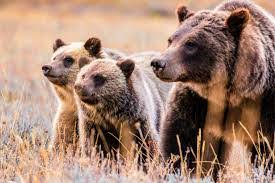 Understanding the Tourism Cost of Grizzly Bear Deaths in Yellowstone">

Putting a Price on Wildlife in Yellowstone National Park
Yellowstone National Park, one of America’s most revered natural treasures, is famous not only for its geysers and landscapes but also for its iconic bear populations. Recent research has highlighted a surprising aspect of these majestic creatures: their significant economic value to the park’s tourism industry. By quantifying the financial impact linked to each grizzly bear’s presence—and conversely, the cost when one dies—this study sheds new light on how closely tied wilderness conservation and tourism revenue truly are.
The Economic Value of Bears in Yellowstone
The U.S. Geological Survey conducted a detailed analysis focusing on Yellowstone’s bears, both black and brown (grizzly), to estimate the monetary value of each animal to the park’s economy. By examining visitor motivations—especially those who visit specifically for wildlife viewings—the researchers calculated how much tourists indirectly “pay” to catch these rare sightings. The results were eye-opening: a single grizzly bear represents approximately $46,000 in tourism value, while each black bear is valued at around $15,000.
| Black Bears | Grizzly (Brown) Bears | |
|---|---|---|
| Value Per Sighting | $14 | $16 |
| Value Per Bear | $15,000 | $46,000 |
| Total Economic Output | ~$8.7 million | ~$6.9 million |
Altogether, each sighting contributes tangible dollars, amounting to an estimated $17 million in annual economic output related solely to bear viewings. This illustrates how integral wildlife is not just to the park’s ecology but to its financial health.
How Bear Deaths Impact Yellowstone’s Economy
While the emotional impact of losing a grizzly bear is profound, the economic consequences are quantifiable. Human activities and management challenges have led to deaths within the park, estimated at 63 grizzlies in the Greater Yellowstone Ecosystem recently, including at least three confirmed deaths inside park borders. Each of these losses not only dampens visitor experience but correlates to nearly $150,000 of lost tourism revenue annually.
Beyond Yellowstone: Variability in Bear Valuation at Other Parks
Could this approach to valuing bears be applied to other national parks? The answer is nuanced. The economic value per bear depends on several factors: visitor numbers, frequency of bear sightings, and the importance of wildlife viewing to visitors, among others. For example, Glacier National Park might yield a different valuation than Yellowstone due to differing visitor behavior and bear populations.
- Number of bear sightings
- Annual visitor volume
- Proportion of visitors interested in wildlife viewing
- Visitor spending related to wildlife experiences
- Overall bear population size
Case Study: Katmai National Park and Preserve – A Bear-Centric Destination
Located in Alaska, Katmai National Park invites a different perspective on bear valuation. With only about 36,000 visitors annually, the park’s main attraction is its robust population of approximately 2,200 grizzly bears, observed especially at places like Brooks Falls. Unlike Yellowstone, where wildlife is only one part of the visitor experience, almost every person who visits Katmai’s comes specifically to watch bears.
This intense focus on bear viewing translates into impressive economic figures. Despite fewer visitors, Katmai generates around $70.5 million annually in economic output, including visitor spending and related activities. Given that bears are the primary draw, attributing just half of this output to them puts the value of each bear at more than $16,000 – comparable to black bears in Yellowstone. When focusing on the “celebrity” bears in the Brooks Falls area that fuel popular events like Fat Bear Week, this valuation can soar to over $170,000 per individual bear.
| Total Economic Output of Katmai National Park and Preserve | $70,500,000 |
| Value Based on Yellowstone Study | ~$250/bear |
| Value If Bears Account for 50% of Output | $16,023/bear |
| Value If Top 100 Bears Account for Half the Bear Output | $176,250/bear |
The Bigger Picture: What Bear Valuations Mean for Conservation and Tourism
Quantifying the economic value of bears offers more than just numbers; it punctuates the delicate link between conservation and regional economies dependent on tourism. National parks, especially bear-rich ones like Yellowstone and Katmai, fuel millions of dollars in local economies and support countless jobs.
Safeguarding bear populations thus becomes vital beyond ecological reasons—it is a matter of sustaining livelihoods and preserving the unique experiences that draw millions to these parks annually. Preventable losses, particularly those linked to human causes, could degrade the visitor experience and lead to substantial financial declines.
Historical Context of Bear Conservation in Yellowstone
Yellowstone’s bear populations have been emblematic of the park’s overall ecological complexity. Conservation efforts have evolved over decades, notably with the reintroduction of wolves in the 1990s to restore ecological balance, indirectly benefiting the bear habitats. The park’s dynamic ecosystem—including bears, elk, and other wildlife—plays a critical role in the American understanding of wilderness preservation.
Despite challenges such as wildfire damage in the late 20th century, Yellowstone remains a jewel of natural history and biodiversity. Its bears are an essential component not only of the ecosystem but also of the park’s enduring appeal to visitors worldwide.
Looking Ahead: Wildlife Valuation as a Tool for Sustainable Tourism
The approach of attaching economic value to wildlife sightings provides a compelling framework for broader application in tourism management. Quantifying the economic stakes encourages stronger policies and responsible management to protect vital species and habitats.
In regions popular for wildlife viewing, including marine and sailing destinations with wildlife excursions, such valuation methods can guide sustainable development ensuring these natural treasures remain vibrant draws for adventure seekers and nature lovers alike.
Summary
The study of bear deaths in Yellowstone reveals the significant economic consequences wildlife losses impose on tourism. Each grizzly bear represents tens of thousands of dollars in visitor-driven revenue, with black bears also contributing substantially. Other parks like Katmai, though less visited, show how concentrated wildlife tourism can generate impressive economic strength. These valuations emphasize the reciprocal relationship between conservation and tourism economies, underscoring the necessity for wildlife protection as a factor of sustainable tourism development.
For sailing enthusiasts and travelers who cherish eco-conscious adventures, understanding these dynamics enriches the appreciation of natural destinations. It highlights the importance of preserving wildlife corridors that often intersect with coastal and marine environments, where boating and wildlife activities coalesce to create unforgettable experiences.
GetBoat.com offers an extensive international marketplace for renting sailing boats and yachts, connecting travelers to breathtaking destinations where the peaceful coexistence of wildlife and boating adventures can be treasured. Whether seeking calm lakes, sunny gulfs, or ocean vistas, incorporating respect for natural habitats makes every charter truly priceless.