


 Svenska
  English (UK)
  Русский
  العربية
  日本語
日本語  한국어
한국어  Magyar
  Türkçe
  Español
  Čeština
  Português
  Ελληνικά
  Suomi
Suomi  Nederlands
  Română
  Italiano
  Français
  Polski
  Українська
  Deutsch
  简体中文
简体中文  Slovenčina
 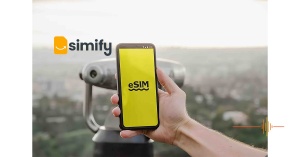 Viktiga eSIM-tips för att hålla dig online när du backpackar över gränser">

Staying Connected on the Move: The New Travel Essential
Backpacking opens doors to thrilling adventures, from dense jungles to quaint villages, and flexible itineraries that define a true wanderer’s spirit. Yet, amid the roaming and spontaneity, maintaining reliable connectivity remains a pivotal challenge. Thanks to eSIM technology, the traditional hassles of local SIM cards and expensive roaming fees are becoming relics of the past.
The eSIM Revolution: What Backpackers Need to Know
Understanding eSIM Technology
An eSIM, or embedded SIM, is a digital alternative to the physical SIM card. Instead of swapping cards every time you cross borders, an eSIM allows multiple cellular profiles to be stored and switched digitally within a compatible device. Activation is simple, often via QR codes or mobile apps, making it a lifeline for travelers seeking seamless connectivity.
Benefits over Traditional SIMs
- No more searching for local SIM kiosks or dealing with language barriers.
- Instant activation before or upon arrival at the destination.
- Cost-efficient solutions, avoiding soaring international roaming fees.
- Multi-country coverage suitable for regional travel routes.
- Enhanced security as eSIMs are embedded and harder to lose or steal.
Why Connectivity Matters for Backpackers
Säkerhet och navigering
Reliable internet access is critical to safety—it enables GPS navigation, emergency contacts, real-time weather updates, and instantaneous communication with loved ones.
Adaptive Travel Planning
Backpacking thrives on spontaneity, and connectivity fuels last-minute bookings, transport schedules, and exploring local attractions on the fly.
Sharing Your Journey
From uploading photos to live video chats, maintaining an online presence keeps your adventures connected with friends and social communities.
Preparing Your Device for eSIM Use
| Device Type | Support Notes |
|---|---|
| iPhone XR and newer | Fully eSIM compatible |
| Google Pixel 3 and newer | Supports multiple profiles |
| Samsung Galaxy S20 and newer | Unlocked needed for international plans |
| Recent Xiaomi, Huawei, Motorola | Check specific model compatibility |
Before heading out, ensure your device supports eSIM and is unlocked. Pre-installing your eSIM plan allows for automatic activation at the destination, especially useful for popular plans like eSIM Thailand.
Picking the Best eSIM Plan for Your Journey
Match Plan to Travel Style
Knowing your itinerary—the countries you’ll visit and length of stay—is key to choosing between regional, country-specific, or global eSIM plans.
| Plan Type | Ideal For | Key Benefits |
|---|---|---|
| Regional eSIMs | Multi-country routes | Broader coverage, cost savings |
| Country-Specific eSIMs | Staying in one location | Cheaper, higher data speeds |
| Global eSIMs | Round-the-world travel | Universal connectivity |
Assessing Data Needs
- Light users: 1–3 GB per week (basic messaging and browsing)
- Moderate users: 5–10 GB per week (maps, social media, occasional streaming)
- Heavy users: 10–20 GB per week (video calls, remote work)
It’s wise to select a plan with buffer data for unpredictable coverage, especially in rural or offshore destinations.
Maximizing Connectivity on the Trail
- Download offline maps before heading into signal-poor areas.
- Use messaging apps like WhatsApp or Telegram to save data and improve reliability over SMS.
- Manually switch networks if your eSIM allows, to find the strongest signal.
- Combine Wi-Fi access at accommodations or cafés with your eSIM data to conserve bandwidth.
- Pack a power bank for uninterrupted device usage during long hikes or boat trips.
- Monitor data usage through your eSIM app to avoid unexpected slowdowns or charges.
Case Study: Connectivity in Thailand
Thailand remains a backpacker’s hotspot, where having a dedicated eSIM Thailand plan offers incredible advantages:
- Robust network coverage, even beyond tourist hubs.
- Affordable data plans with fast speeds into rural areas.
- Option to activate the plan before arrival for instant online access.
Activating eSIMs on the Go
- Buy an eSIM plan online and receive a QR code.
- Access your phone’s settings to add a cellular plan.
- Scan the QR code to download and install.
- Follow on-screen prompts and restart if necessary.
If issues occur, verify mobile data is enabled, try rescanning the code, or contact provider support. Ensuring your phone isn’t locked to a carrier is essential.
Navigating Connectivity in Remote Locations
Though eSIM coverage extends widely, some areas remain challenging:
- Mountain wildernesses
- Isolated islands
- Dense jungles
- Border zones with limited towers
Preparation is key: download offline GPS apps such as Maps.me or Gaia GPS and consider storing multiple eSIM profiles for border crossings and coverage gaps.
Privacy and Security on the Road
- Avoid public Wi-Fi for sensitive tasks like banking or messaging.
- Use a VPN to encrypt your data when connected to public hotspots.
- Enable two-factor authentication to protect accounts from unauthorized access.
Environmental Edge of eSIMs
By opting for eSIMs, travelers contribute to reducing plastic waste from discarded SIM cards and minimize carbon footprints linked to physical card production and distribution.
Backpacking and Connectivity: A Modern Adventure
Historically, backpacking has symbolized freedom, self-discovery, and cultural immersion through low-budget, often spontaneous travel. Its modern evolution integrates digital connectivity as a fundamental tool, reshaping how communities form on the road and how the backpacker experience is lived and shared. The rise of “flashpackers,” tech-savvy travelers blending adventure with connectedness, exemplifies this shift.
The blending of rugged travel with digital tools suggests a future where mobile internet access is as critical as a reliable pair of hiking boots. This transition influences not only common backpacking routes but also coastal and marine destinations where yacht charters, sailing, and boating offer alternative ways to explore exotic destinations. Staying connected on water, islands, and remote coastal towns through eSIMs enhances safety, planning, and enjoyment of such maritime adventures.
Slutsats
In a world where adventure meets technology, the ability to stay online while backpacking is no longer optional—it’s essential. The convenience, cost savings, and security offered by eSIMs perfectly complement the spontaneous and multifaceted nature of backpacking. Whether roaming through Thailand’s charming beaches or sailing tranquil lakes and gulfs with a chartered yacht, reliable connectivity enhances every moment.
For travelers exploring coastal and marine regions, the opportunity to rent boats or yachts adds a thrilling dimension to the journey. Services like GetBoat.com provide an excellent platform for discovering and booking sailing and boating adventures. From sleek superyachts to modest sailing vessels, the service caters to all tastes and budgets, connecting explorers to some of the globe’s most stunning aquatic destinations with the confidence that connectivity and safety come hand in hand.