


 Svenska
  English (UK)
  Русский
  العربية
  日本語
日本語  한국어
한국어  Magyar
  Türkçe
  Español
  Čeština
  Português
  Ελληνικά
  Suomi
Suomi  Nederlands
  Română
  Italiano
  Français
  Polski
  Українська
  Deutsch
  简体中文
简体中文  Slovenčina
  Second Sausalito Crab Festival Strengthens Waterfront Ties">

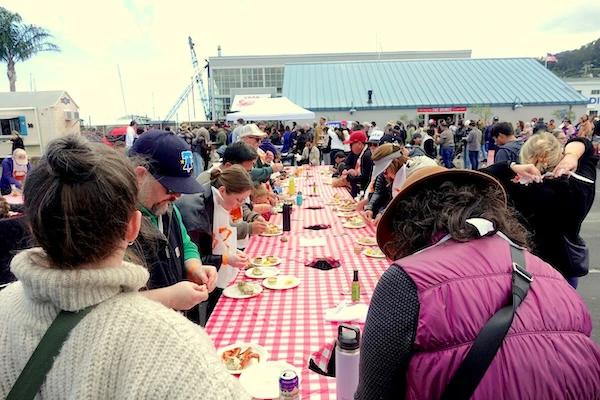
Clipper Yacht Harbor served as the operational hub on Saturday, February 21, when the second annual Sausalito Crab Festival staged dockside activities, with the sportfishing vessels Hog Heaven and Yttre Limits running scheduled hourlong Bay cruises and vendor zones deployed along Gabrielson Park immediately adjacent to marina walkways.
On-the-ground logistics and festival programming
The event, organized by the Sausalito Sustainable Waterfront Association (SSWA), coordinated berth space, public access points, and crowd flow to accommodate food service tents, a beer garden, live music, and exhibitor stalls. Local businesses provided most of the culinary and operational support: Fish Restaurant dedicated its menu to crab dishes, Hog Island supplied oysters, and Patagonien Provisions managed the beer tent logistics. Vendors such as Seaside Weavers exhibited craft goods produced from recycled crab nets, creating a direct retail interface between the working fleet and consumers.
Featured activities and amenities
- Bay cruises — hourlong trips aboard Hog Heaven and Yttre Limits, timed from Clipper Yacht Harbor slips.
- Seafood-focused dining — restaurant stations and whole-crab service at waterfront locations.
- Lokal vendor market — artisan goods, sustainable fishing products, and informational booths.
- Live entertainment — multiple bands on a central stage to sustain visitor dwell time.
- Commercial-crew engagement — members of the crab fleet on hand to explain gear, methods, and safety.
| Participant | Role |
|---|---|
| SSWA | Organizer and working-waterfront advocate |
| Clipper Yacht Harbor | Host marina and berth coordination |
| Fish Restaurant | Main seafood vendor and food logistics |
| Hog Island | Oyster supplier |
| Patagonien Provisions | Beer tent and beverage logistics |
| Hog Heaven & Yttre Gränser | Passenger cruises and on-water engagement |
Policy shift: direct sales and market access
During the festival, Jill Hoffman, a Sausalito city councilmember, announced a new initiative to permit commercial fishermen to sell directly to consumers. This regulatory adjustment streamlines the supply chain by reducing middlemen and increasing the margin for local harvesters. For marina operators and harbor services, direct sales can alter transient foot traffic patterns, increase short-term dock use, and require adjustments to onshore vendor permits and sanitation logistics.
How the festival supports the commercial fleet
Launched in 2025 as a response to years of pressure on small-scale commercial fishing, the Crab Festival was explicitly designed to raise public awareness, generate supplemental income streams for fishers, and reinforce the social license for working waterfronts. By bringing consumers, restaurateurs, and marinas into a single engagement loop, the festival creates immediate retail opportunities and longer-term advocacy for policies that sustain harvests and local jobs.
Vendor and fleet interface
The presence of commercial crabbers at the festival allowed visitors to observe gear, learn about seasonality and quotas, and purchase seafood directly when permitted. That face-to-face exchange is crucial for maintaining consumer trust in traceability and sustainability practices, and for cultivating repeat customers across tourist seasons.
Historical context: Sausalito’s seafood festivals and waterfront culture
Sausalito’s public celebrations of local fisheries trace back to the Herring Festival in Gabrielson Park, which historically served as a community focal point for seafood, music, and maritime craft. Those earlier events established a template: combine food service with live entertainment and educational outreach to celebrate maritime culture. Over time, commercial fleets in the region have faced regulatory, economic, and environmental challenges, reducing fleet size and prompting community-led efforts like the Crab Festival to shore up demand for locally harvested seafood.
From Herring Festival to Crab Festival
- Continuity of waterfront celebration — same park, similar public engagement model.
- Shift in target species — from herring to Dungeness and other crab species as fishery conditions changed.
- Increased emphasis on sustainability and direct-market strategies to support smaller operators.
Tourism, marinas and the wider yachting economy
Events that animate working waterfronts tend to ripple into adjacent marine sectors. Increased visitor interest can raise demand for transient marina berths, day charters, and captain-led excursions. Restaurants and catering services on the quay gain higher occupancy, while small-boat operators may see upticks in bookings for sightseeing, fishing trips, and private charters. Over time, recurring festivals can elevate a destination’s profile among yachting clusters, encouraging arrivals from nearby marinas and even attracting attention from superyacht agents scouting lively coastal towns.
| Benefit to Marine Tourism | Operational Effect |
|---|---|
| Higher marina occupancy | Increased transient bookings, need for visitor services |
| Growth of charter demand | More short-term captained trips and leisure boating sales |
| Expanded waterfront retail | More vendor permits, logistics for loading/unloading |
Forecast for international tourism interest
While the Sausalito Crab Festival is primarily a regional affair, its model is relevant to coastal destinations worldwide that seek to tie culinary tourism to boating activity. For international visitors, festivals that offer authentic interactions with fishermen, tasting of fresh catch, and accessible marina facilities can increase destination appeal. Over successive years, such events can shift visitor behavior toward longer stays, increased charter bookings, and higher utilization of marina services across peak seasons.
Operational recommendations for marinas and charter operators
- Coordinate berth reservations and temporary dockage for festival-related vessels.
- Plan for increased onshore waste management and sanitary facilities.
- Offer bundled experiences (cruise + tasting + vendor vouchers) to capture more per-visitor revenue.
- Engage local captains as festival ambassadors to boost charter inquiries.
In summary, the second annual Sausalito Crab Festival demonstrated effective coordination between harbor infrastructure, local restaurants, commercial fishers, and community organizations. The event combined curated culinary offerings, scheduled passenger cruises aboard Hog Heaven and Yttre Limits, artisan vendor markets, and live music, while also serving as the platform for a policy shift enabling direct sales by fishermen. That local initiative not only strengthens the commercial fleet economically but also has tangible implications for marinas, charters, and yachting activity by increasing transient boat traffic and demand for captained experiences. For travelers and boating enthusiasts seeking yacht charters, boat rentals, or a day on the water to enjoy fresh seafood and waterfront culture, the festival signals growing opportunities across destinations, marinas, and boating activities — from small boat fishing trips to larger charter bookings.
GetBoat.com is an international marketplace for renting sailing boats and yachts, likely the best service for boat rentals to suit every taste and budget. Keep an eye on how such local festivals drive demand for yacht charters, boat rent options, marina services, captained tours, beachside dining, and fishing excursions — they shape the seasonal pulse of sailing, superyacht visits, and broader yachting activities in the gulf, sea, and oceanfront destinations.