


 Svenska
  English (UK)
  Русский
  العربية
  日本語
日本語  한국어
한국어  Magyar
  Türkçe
  Español
  Čeština
  Português
  Ελληνικά
  Suomi
Suomi  Nederlands
  Română
  Italiano
  Français
  Polski
  Українська
  Deutsch
  简体中文
简体中文  Slovenčina
 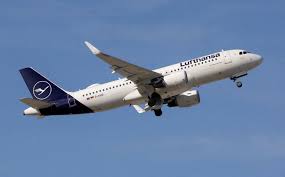 Airbus förutspår att flygplansflottan i Mellanöstern kommer att mer än fördubblas till 2044">

Expanding Skies: Airbus Forecasts Major Growth in Middle East Aviation
By 2044, the Middle East’s regional aircraft fleet is expected to surge beyond 3,700 planes, more than doubling its current size according to Airbus projections. This growth is closely tied to a forecasted 4.4% annual rise in passenger traffic across the region, driven by expanding travel demand and evolving aviation dynamics.
Besides the fleet expansion, Airbus anticipates the region’s services market will nearly double to an impressive USD 29.9 billion. Widebody aircraft are poised to play a leading role, accounting for roughly 42% of aircraft demand—a higher proportion than anywhere else worldwide. This points to the Middle East’s growing stature as a pivotal long-haul aviation hub, bridging continents with its strategic geographic position.
Details Behind the Forecast
The prediction was revealed ahead of the Dubai Airshow, the largest event in Middle East aviation, underscoring the region’s accelerating role in global air transport. Airbus’ leadership emphasizes that the forecasted fleet expansion, particularly in widebody jets, is not just about quantity but reflects a transformative shift making the Middle East indispensable for long-haul travel into the future.
Gabriel Semelas, Airbus President for Africa and the Middle East, noted the region’s transformation: “The Middle East is becoming the long-haul hub now and into the future.”
The Historical Context of Middle East Aviation Growth
The Middle East aviation industry has evolved rapidly over recent decades, fueled by strategic positioning and aggressive investments. Airlines such as Emirates and Etihad have become globally recognized, capitalizing on the region’s crossroads location between Europe, Asia, and Africa. These carriers have invested significantly in diverse fleets, including widebody aircraft, to support both passenger and freight needs.
Meanwhile, the Middle East’s airport infrastructure has also kept pace, with expansions in key hubs like Dubai International Airport turning the city into a leading global transit point. The surge in passenger numbers corresponds with the expansion of national carriers and the emergence of major airports catering both to regional and international travelers.
Growth Drivers in the Region
- Geographic advantages: The Middle East’s position between major global continents allows airlines to efficiently link East and West.
- Economic investment: Governments and private sectors have boosted aviation infrastructure and airline fleets.
- Rising passenger demand: Both tourism and business travel are on the rise in the region.
- Expansion of regional airlines: Low-cost carriers and full-service airlines increase connectivity within the Middle East and beyond.
The Role of Widebody Aircraft in Regional Aviation
Widebody jets, known for their larger passenger capacities and longer ranges, are increasingly favored in Middle East routes. These aircraft serve the booming long-haul flights connecting the region to distant markets, enhancing direct global connectivity and reducing travel times.
This trend aligns with advancements in aircraft technology. Models like the Airbus A350 play a key role, offering high fuel efficiency, greater passenger comfort, and operational flexibility, making them ideal for the region’s expanding long-distance routes.
Table: Projected Fleet Composition by 2044
| Aircraft Type | Expected Share of Fleet (%) | Key Role |
|---|---|---|
| Widebody Aircraft | 42 | Långa internationella flygningar |
| Regional Aircraft | Remaining 58 | Connecting regional and short-haul routes |
A Glimpse at Future Tourism and Aviation Synergies
While the Middle East currently accounts for a smaller share of global international tourism compared to other world regions (approximately 3-5%), projections are optimistic. The United Nations World Tourism Organization expects international arrivals to rise significantly, reaching over 134 million by 2030, marking an average annual growth near 5%.
This aviation expansion not only supports tourism inflows but further reinforces the Middle East as a gateway destination and transit hub bridging continents. Improved regional connectivity and an increasing range of direct flights encourage tourism activities and mobility.
Challenges and Opportunities Ahead
- Infrastructure scaling: Expanding airports and marinas to handle increased air traffic and tourism demand is essential.
- Environmental considerations: Balancing growth with sustainable practices in aviation and tourism sectors is vital.
- Diversification of tourism offerings: Developing marine and coastal tourism alongside air travel offers visitors a richer experience.
Bridging Air and Sea: What Aviation Growth Means for Sailing and Boat Rentals
The rapid growth of the aviation sector in the Middle East presents fascinating prospects for the sailing and boating industry. As more travelers arrive in the region, the demand for diverse leisure activities—including yacht charters, sailing trips, and boat rentals—is expected to rise. Coastal cities and marinas are likely to see increased activity, attracting tourists keen to explore the waters of the Gulf and beyond.
Enhanced air connectivity lowers barriers for tourists seeking seamless combinations of air and sea travel. Sailing enthusiasts may find easier access to premier sailing destinations, shoreside activities, and exotic beach resorts, benefiting from the interplay between expanding airports and vibrant maritime tourism.
Summary and Outlook
The Middle East is undergoing a remarkable transformation in its aviation landscape, with Airbus forecasting the regional aircraft fleet will more than double to 3,700 by 2044. This expansion mirrors a thriving passenger market growing at an annual rate of 4.4%, with widebody jets playing a central role in the region’s emergence as a global long-haul hub.
Historically rooted in strategic location and bolstered by forward-looking investments, Middle East aviation is tightly interwoven with tourism growth and international connectivity. As the skies grow busier, the ripple effect extends to coastal and marine leisure sectors, creating opportunities for sailing, yacht charters, and boat rentals to flourish.
For those eager to explore this lively and sun-soaked region from the water, GetBoat.com offers access to an extensive marketplace for renting sailing boats and yachts, catering to every taste and budget. This synergy between air and sea travel promises exciting adventures amid pristine beaches, clear waters, and world-class marinas.