


 Svenska
  English (UK)
  Русский
  العربية
  日本語
日本語  한국어
한국어  Magyar
  Türkçe
  Español
  Čeština
  Português
  Ελληνικά
  Suomi
Suomi  Nederlands
  Română
  Italiano
  Français
  Polski
  Українська
  Deutsch
  简体中文
简体中文  Slovenčina
  IndiGo’s Strategic Move to Acquire Aviation Assets Through Subsidiary">

IndiGo’s Significant Investment in Aviation Assets
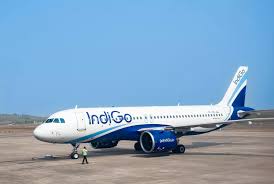
IndiGo, India’s largest airline, has approved a capital investment of USD 820 million (around INR 72,940 million) into its fully owned subsidiary, InterGlobe Aviation Financial Services IFSC Private Limited. This move involves raising funds through a combination of equity shares and 0.01% Non-Cumulative Optionally Convertible Redeemable Preference Shares (OCRPS), which will be executed in one or more stages.
The primary use of these funds is to acquire aviation assets, particularly selected aircraft, marking an important strategic shift for the airline. Traditionally operating a fleet mostly through operating leases, IndiGo is now balancing its approach by increasing direct ownership of aircraft alongside continued leasing. This dual model aims to enhance not only financial efficiency but also operational flexibility over the long term.
The Strategic Implications of IndiGo’s Investment
This capital infusion strengthens IndiGo’s financial foundation, allowing for diversified financing strategies that can optimize costs and hedge against market fluctuations. By acquiring aircraft assets through the subsidiary, IndiGo is aligning its financing approach to support ongoing expansion plans across both domestic and international routes.
Such a shift toward greater asset ownership provides the airline with agility and resilience amidst an evolving aviation landscape, offering long-term value for shareholders and stakeholders alike.
A Historical Overview of Fleet Financing in Aviation
The aviation industry broadly has witnessed varying models of fleet management over the decades. Historically, many airlines have relied heavily on operating leases, which allow them to use aircraft without bearing the full burden of ownership costs. This practice offers flexibility, especially in rapidly changing market conditions.
However, a rising trend among major carriers is to adopt a balanced model combining both leasing and ownership. Owning aircraft helps airlines build equity and reduce dependency on leasing markets that can fluctuate widely in pricing and availability.
Such financial strategies, often facilitated through subsidiaries or financial arms, allow airlines to tailor their capital structure. They can raise funds through equity or debt instruments and invest in assets incrementally, thus managing risk more effectively while still catering to growth objectives.
Financial Management in Aviation
Finance managers play a crucial role in deciding how funds should be sourced and invested. They act as intermediaries between investors and the operational needs of the airline, balancing short-term liquidity requirements with long-term strategic investments in fleet and infrastructure.
Decisions related to capital allocation, whether to lease or buy aircraft, involve assessing costs, risk exposure, and forecasting market conditions. The goal is to maximize shareholder wealth while ensuring operational efficiency and service reliability.
The Broader Context: Impact on the Travel and Tourism Industry
IndiGo’s move reflects a broader trend in the travel sector where airlines seek sustainable growth models amid evolving passenger demands and competitive pressures. By owning some of its assets, once a leased aircraft is converted to ownership, IndiGo can potentially offer more reliable capacity and might better control cabin features and configurations, which aligns well with improving customer service standards.
For passengers and tourists, especially those engaging in international travel or connecting with marine destinations, a stable and flexible airline fleet supports dependable and frequent connections. This can influence the accessibility of popular coastal and island destinations ideal for sailing and yacht charters, indirectly supporting the boating and marine tourism sector.
Forecast: The Future of Fleet Ownership in Aviation
It is expected that more airlines will pursue mixed ownership models to mitigate risk and optimize financial performance. This approach also offers strategic benefits for accessing capital markets by diversifying financial instruments used for raising funds. In the long run, such developments could spur more competitive airfares and improved service reliability, encouraging tourism growth.
As the aviation sector strengthens infrastructure and fleet capabilities, the ripple effects will be felt in sectors such as yachting and sailing where connectivity through coastal airports plays a crucial role in destination accessibility.
Summary and Conclusion
| Key Aspects | Details |
|---|---|
| Investment Amount | USD 820 million (INR ~72,940 million) |
| Subsidiary Involved | InterGlobe Aviation Financial Services IFSC Private Limited |
| Funding Method | Equity shares and OCRPS |
| Investment Purpose | Acquisition of aviation assets, mainly aircraft |
| Strategic Shift | From primarily leasing aircraft to a mix of leasing and ownership |
| Expected Benefits | Financial efficiency, operational flexibility, market resilience |
The airline’s investment signals a clear intent to strengthen its capital base through diversified financing and ownership models, which could lead to more robust expansion and enhanced market presence.
For the travel and tourism sector, these developments promise better travel connectivity and experience, potentially benefiting destinations popular among tourists who enjoy sailing and yachting activities.
For those intrigued by how evolving aviation assets impact maritime travel and boat charter experiences, the GetBoat.com marketplace offers an ideal platform to explore and rent yachts and sailing boats that connect perfectly with this enhanced accessibility. Whether seeking a sun-filled beach, peaceful lake retreat, or ocean adventure, the synergy between aviation growth and marine tourism continues to open exciting pathways for travelers and boating enthusiasts alike.