


 Svenska
  English (UK)
  Русский
  العربية
  日本語
日本語  한국어
한국어  Magyar
  Türkçe
  Español
  Čeština
  Português
  Ελληνικά
  Suomi
Suomi  Nederlands
  Română
  Italiano
  Français
  Polski
  Українська
  Deutsch
  简体中文
简体中文  Slovenčina
 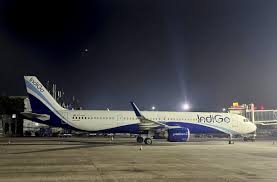 IndiGo Ställer In Hundratals Flyg i Delhi och Mumbai Efter Justeringar av Flygtjänstgöringsregler">

Mass Flight Cancellations Shake Delhi and Mumbai Airports
Over 200 flights operated by IndiGo were cancelled from Delhi and Mumbai airports on a single Saturday, following significant disruptions that saw more than 1,000 flights cancelled the previous day. These cancellations arose as a response to revised flight duty and rest period regulations imposed on cockpit crew, which create operational challenges for the airline.
Details of the Cancellations
In Mumbai, 109 IndiGo flights were cancelled, split between 51 arrivals and 58 departures, while Delhi airport witnessed a cancellation of 106 flights—54 departures and 52 arrivals. The airline’s CEO publicly apologized for the inconvenience caused to passengers and indicated the expectation of operating fewer flights than usual on that Saturday.
Regulatory Changes Prompt Operational Shifts
The Directorate General of Civil Aviation (DGCA) introduced new norms that redefined pilot flight duty periods, particularly rolling back the night duty definition from 6 am to 5 am and limiting night landings allowed from six down to two for pilots. Although these changes were temporarily relaxed, pilots’ associations, including ALPA India, strongly opposed the modifications, citing increased risks to passenger safety and a break in regulatory consistency.
Context and Background of the Flight Duty Time Limit (FDTL) Norms
The new FDTL norms represent a phased approach initially directed by judicial mandates to mitigate pilot fatigue for safer flights. Their introduction has been met with resistance, especially from IndiGo, which cited the need for more time to manage additional crew requirements as a barrier to immediate compliance. The regulations included increased weekly rest periods, extended night hours, and restrictions on night landings.
Timeline of the Flight Duty Regulation Implementations
| Phase | Key Changes | Implementation Date | Remarks |
|---|---|---|---|
| 1st Phase | Introduction of rest period enhancements | July 2023 | Phased rollout began |
| 2nd Phase | Reduced night landings from six to two | November 1, 2023 | Controversial; led to cancellation wave |
| Original Plan | Full enforcement of norms | March 2024 | Delayed by over one year |
How This Situation Reflects Broader Trends in Indian Aviation and Tourism
Delhi and Mumbai airports serve as pivotal gateways not just for domestic but also international travelers from India, accounting for over 50% of the country’s outbound travel. The Indian aviation sector has seen rapid growth fueled by a burgeoning middle class and increased demand for travel accessibility. However, regulatory challenges such as the current FDTL norms affect not just the airlines but passenger confidence and the overall travel experience at these hubs.
Passenger Traffic and Economic Growth
Passenger traffic in these major cities is surging, with projections indicating significant increases in both domestic and international travelers by 2010 and beyond. This growth reflects broader socio-economic trends, including rising disposable incomes particularly in metro and tier-II cities, which expand the pool of travelers and boost tourism and related sectors.
Impact on Tourism and Related Activities
- Flight disruptions can dampen tourist enthusiasm and upset travel plans, affecting bookings not only for air travel but also for connected activities like boating and yacht charters, especially in coastal cities.
- Delhi and Mumbai act as feeder points for tourism destinations that include vibrant beach resorts and water-based leisure activities like sailing and yachting along India’s extensive coastline.
- Operational challenges faced by airlines may compel travelers to seek alternative travel arrangements, including private boat or yacht charters, as flexibility becomes a priority.
History of Aviation Developments in India Supporting Tourism
India has witnessed a substantial expansion in domestic flights, partly due to the rise of cost-effective airlines such as IndiGo. Mumbai and Delhi, with their dense populations and strong economic bases, have historically been the launchpads for most outbound and inbound tourism. The aviation industry’s ongoing evolution continues to correlate with rising tourist numbers and the diversification of travel services.
Forecast and Importance of Smooth Aviation Operations
With India’s tourism economy steadily growing, maintaining seamless flight operations is crucial. The fatigue-related safety norms aim to increase security but must be balanced with operational practicality to avoid mass cancellations. Failure to harmonize these elements risks dampening India’s tourism appeal and restricting growth prospects for ancillary sectors like yacht charters and boating activities, especially in coastal hubs such as Mumbai, Goa, and Chennai.
Summary and Opportunities for Travelers and Charter Enthusiasts
Flight cancellations due to new pilot duty regulations at two of India’s busiest airports underline the complex dynamics between aviation safety, airline operations, and traveler convenience. For enthusiasts of marine destinations and sailing, this situation highlights the importance of flexible travel solutions. As India’s domestic and international tourism continue thriving, there is a promising outlook for related services such as yacht and boat rentals in major tourism hotspots.
For those planning travel to or through Mumbai and Delhi, considering downstream activities like yacht charters or sailing trips in nearby water bodies offers an exciting alternative to offset any travel disruptions. GetBoat.com stands out as an international marketplace providing a vast selection of sailing boats and yachts available for rent, tailored to diverse tastes and budgets. Whether it’s a relaxing day on the sea, fishing excursions, or exploring clear waters and marinas, the platform connects travelers with boating opportunities that enrich their trip experience beyond the airport hassles.