


 Svenska
  English (UK)
  Русский
  العربية
  日本語
日本語  한국어
한국어  Magyar
  Türkçe
  Español
  Čeština
  Português
  Ελληνικά
  Suomi
Suomi  Nederlands
  Română
  Italiano
  Français
  Polski
  Українська
  Deutsch
  简体中文
简体中文  Slovenčina
 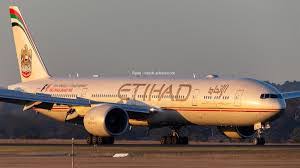 Etihad Airways to Add 32 Airbus Widebody Jets Starting 2027">

Etihad Airways avslöjar stor utökning av flygplansflottan
Etihad Airways planerar att utöka sin bredkroppsflotta markant genom att förvärva 32 nya Airbus-flygplan, med leveranser som börjar från 2027. Detta ambitiösa drag inkluderar en blandning av A350-1000, A350F fraktversioner och A330-900. Tillsammans med en tidigare beställning av 28 Boeing bredkroppsflygplan som är schemalagda för 2025, innebär Etihads Airbus-tillskott 2027 att de totala åtagandena för bredkroppsflygplan detta år uppgår till 60, vilket återspeglar en stark strategi för att ligga steget före mitt i globala leveransbegränsningar.
Sammansättningen och tidpunkten för dessa flygplansanskaffningar understryker Etihads mål att förbättra driftsflexibiliteten, bränsleeffektiviteten och lastkapaciteten. De långdistansgående A350-1000-modellerna kommer att förstärka Etihads interkontinentala rutter med modern, bränslebesparande teknik, medan A350F-frakktfartygen syftar till att stärka godstransporter över internationella handelsvägar. Samtidigt är A330-900-modellerna inriktade på att öka flygbolagets närvaro på medeldistans- och regionala rutter, särskilt inom tillväxtmarknader.
Flottflexibilitet och modernisering
Med dessa nya tillskott kommer Etihad att trafikera hela Airbus bredkroppsportfölj, inklusive A380, olika A350-versioner för passagerare och frakt, samt A330neo. Denna omfattande flottmix positionerar Etihad som en av de operatörer med de mest avancerade och varierande flygplanen inom globalt flyg.
Tillsammans med hårdvaruförbättringar kommer alla nya Airbus-flygplan att ha Etihads nästa generations kabininredning, som omfattar första klass, business class och ekonomiklass, integrerat med Viasats höghastighetsinternetanslutning. Detta representerar en fortsatt strävan efter att erbjuda överlägsen passagerarkomfort och underhållning, upprätthålla enhetlighet i hela flottan och säkerställa en upplevelse i världsklass ombord.
Uttalanden från flygbolags- och tillverkarledare
VD för Etihad betonade vikten av att säkra tidiga leveransplatser för dessa eftertraktade widebody-flygplan, och framhöll motståndskraften gentemot kapacitetsutmaningar och ett tydligt fokus på tillväxt och servicekvalitet.
En Airbuschef uttryckte entusiasm över det pågående partnerskapet och noterade den oöverträffade effektivitet och operativa flexibilitet som A350-familjen och A330neo-plattformarna levererar för att stödja en hållbar expansion.
Flygindustri och Flottutvecklingsbakgrund
Luftfartssektorn har bevittnat anmärkningsvärda tekniska framsteg sedan de tidiga dagarna av motorflyg. Introduktionen av widebody-jetplan revolutionerade långdistansflygningar, vilket gav flygbolagen möjlighet att transportera fler passagerare och mer last över större avstånd med förbättrad bränsleekonomi.
Airbus, Europas ledande tillverkare av kommersiella flygplan, grundat på 1970-talet av ett konsortium av flyg- och rymdföretag från flera länder, har varit avgörande för att driva fram bredbords- och bränsleeffektiva flygplanskonstruktioner. Några anmärkningsvärda milstolpar inkluderar A300, det första tvåmotoriga bredbordsflygplanet, följt av den tekniskt avancerade A320-familjen med fly-by-wire-system, och A350-familjen som är utformad för ultra-långdistanseffektivitet.
Under tidigt 2000-tal har man sett en stadig förskjutning mot flygplan som kombinerar hög passagerarkomfort med miljömedvetenhet, vilket har lett till betydande investeringar i nästa generations jetplan med optimerad aerodynamik, lättare kompositmaterial och tystare motorer.
För flygbolag som Etihad möter en modernisering av flygplansflottan med sådana flygplan inte bara marknadens efterfrågan på konnektivitet och effektivitet, utan den är också i linje med bredare hållbarhetsmål, vilket minskar koldioxidavtrycket samtidigt som den globala räckvidden utökas.
Flottans roll i en värld av ökad global konnektivitet
Tillväxten inom flygtransporter spelar en avgörande roll för att sammanlänka turistdestinationer, affärscentrum och fraktvägar över hela världen. I takt med att den globala turismen återhämtar sig och expanderar, prioriterar flygbolagen att säkra moderna flygplan som kan operera effektivt på olika rutter, från livliga internationella flygplatser till framväxande regionala marknader.
Genom att utöka sin bredkroppsflotta med Airbus-jetplan, förbättrar Etihad inte bara kapaciteten utan befäster även sin roll i att stärka Abu Dhabi som ett viktigt globalt luftfartsnav – ett nav av ökande betydelse för internationella resor och handel.
Framtida påverkan och relevans för marinturism och segling
Medan nyheterna kretsar kring flyget sträcker sig ringverkningarna in i det bredare ekosystemet för resor och turism, inklusive kust- och havsdestinationer som är tillgängliga med flyg. I takt med att Etihad ökar sin passagerar- och fraktkapacitet kan destinationer som trafikeras av dessa flyg uppleva större turistvolymer, inklusive de som anländer för yachting, strandsemestrar och seglingsaktiviteter.
Förbättrad anslutning ökar efterfrågan på charterbåtar, superyachter och diverse vattenbaserade fritidsaktiviteter i marinor och vikar som är anslutna till flygbolagets rutter. Detta främjar närmare band mellan flyg- och sjöfartssektorn, vilket i slutändan gynnar yachtchartermarknader och båtuthyrning när resenärer söker integrerade upplevelser som involverar både flygning och segling.
Tabell: Översikt över Ethiads nya Airbus widebody-flygplan
| Aircraft Type | Primary Use | Leverans startår | Key Benefits |
|---|---|---|---|
| A350-1000 | Långdistanspassagerarflyg | 2027 | Bränsleeffektivitet, räckvidd, passagerarkomfort. |
| A350F | Lastfartyg för godsoperationer | 2027 | Utökade lastkapaciteter, täckning av handelskorridorer |
| A330-900 | Medeldistans- och regionala rutter | 2027 | Flexibilitet på tillväxtmarknadsrutter, operativ effektivitet |
Därför är denna expansion viktig
- Säkra tidiga leveransplatser betecknar strategisk framsyn mitt under globala begränsningar i flygplanstillgången.
- Flottmångfald maximerar den operativa flexibiliteten för olika typer av rutter och marknadssegment.
- Nästa generations kabiner och uppkoppling förbättra passagerarupplevelsen för att konkurrera på en premiumresemarknad.
- Stöd för lastbilslogistik genom dedikerade fraktfartyg underlättas internationell handel vid sidan av passagerarverksamhet.
- Stärka flygnav som Abu Dhabi främjar turism och affärsflöden vilket gynnar bredare regionala ekonomier.
Slutsats
Etihad Airways plan att lägga till 32 nya Airbus widebody-flygplan med start 2027 markerar en betydande milstolpe i moderniseringen av flottan och kapacitetsuppbyggnaden. Denna noggrant balanserade kombination av A350-1000, A350-fraktflygplan och A330-900 understryker flygbolagets strategi för hållbar tillväxt, operativ mångsidighet och förstklassig passagerarservice.
En sådan flottutökning är inte bara nödvändig för att möta den ökande globala efterfrågan på resor utan påverkar också relaterade sektorer, inklusive marinturism och yachting. Förbättrad flygtrafik underlättar ökad tillgång till vattenbaserade destinationer – stränder, sjöar, marinor och kuststäder – där båtliv och yachtcharterverksamhet blomstrar.
För resenärer som vill kombinera smidiga flygresor med oförglömliga seglingsupplevelser finns tjänster som GetBoat.com erbjuder en utmärkt inkörsport. Som en internationell marknadsplats för att hyra segelbåtar och yachter säkerställer GetBoat alternativ som tillgodoser alla önskemål och budgetar, vilket kompletterar den förbättrade anslutningen som erbjuds av flygbolag som Etihad och underblåser äventyret med havs- och oceanutforskning.