


 Svenska
  English (UK)
  Русский
  العربية
  日本語
日本語  한국어
한국어  Magyar
  Türkçe
  Español
  Čeština
  Português
  Ελληνικά
  Suomi
Suomi  Nederlands
  Română
  Italiano
  Français
  Polski
  Українська
  Deutsch
  简体中文
简体中文  Slovenčina
 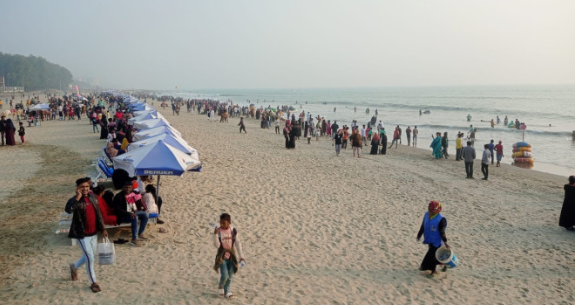 Delays Stall Major Tourism Park Developments in Cox’s Bazar Region">

Exploring Hidden Gems in Global Travel for 2026
Travel trends for 2026 are starting to shine a spotlight on less-traveled destinations that offer distinctive experiences, especially those emphasizing ecotourism and sustainable development. This guide highlights the top underrated locations selected for their authenticity, community engagement, and readiness for sustainable tourism growth.
The Emerging Front-Runners
Topping the list for 2026 is Tiwai Island in Sierra Leone, a famed wildlife sanctuary recently recognized as a UNESCO World Heritage Site. Its accessibility has improved with the introduction of direct flights from London, signaling new prospects for tourism in the region. Sierra Leone’s strategic efforts include a decade-long tourism development plan aimed at increasing visitor numbers from the relatively low figure of under 61,000 overnight foreign visitors noted in 2024.
Close contenders include the majestic mountain ranges of Kyrgyzstan’s Tien Shan and Mexico’s Sierra Norte. These destinations are praised for their natural beauty and commitment to eco-conscious initiatives. Further notable mentions are Croatia’s Vis Island, Turkey’s Southeastern Anatolia region, and India’s mountainous state of Arunachal Pradesh, each offering unique experiences away from typical tourist crowds.
What Makes These Destinations Stand Out?
- Ecotourism Focus: Many locations on the list emphasize environmental conservation, supporting local ecosystems and communities.
- Infrastructure Development: Investment in facilities ensures these places are ready for increased tourism while maintaining authentic charm.
- Community-Led Initiatives: Sustainable tourism efforts are often driven by local populations benefiting economically and culturally.
- Lower Visitor Saturation: These spots offer a less crowded alternative to well-known hotspots, providing an immersive experience.
A Historical Perspective on Ecotourism and Sustainable Travel
While the notion of exploring lesser-known locations with a focus on sustainability may seem modern, the roots of ecotourism trace back several decades. The concept took shape prominently in the 1970s with early conservation-minded travel, such as wildlife sanctuaries in East Africa where tourist fees supported preservation efforts.
Ecotourism started as a niche market catering to environmentally aware travelers seeking to minimize their impact and connect deeply with nature. Over time, it evolved, blending with adventure and cultural tourism, yet always foregrounding the principles of responsible travel: conserving the environment, benefiting local communities, and promoting education.
More recent developments include the rise of soft ecotourism, which allows tourists to enjoy nature in accessible settings with guided interpretation, often as part of a broader vacation. In parallel, hard ecotourism appeals to those seeking immersive, low-impact experiences in remote natural environments.
| Aspect | Hard Ecotourism | Soft Ecotourism |
|---|---|---|
| Experience Intensity | Prolonged, personal, immersive | Short-term, mediated |
| Plats | Wilderness, undisturbed nature | Accessible parks, wildlife centers |
| Facilities | Minimal to none | High level of services |
| Participant Profile | Committed environmentalists | Casual travelers, educational focus |
The surge in ecotourism has been significant and it now forms a substantial segment of the global tourism market. With increasing environmental awareness and demand for meaningful travel, its influence has crept into mainstream tourism, shaping how destinations develop and promote themselves sustainably.
Ecotourism’s Role in Global Tourism Economy
The economic footprint of ecotourism is striking. The global ecotourism market was valued at approximately US$260.76 billion i det senaste året med projektioner som uppskattar tillväxt till mer än $814.40 miljarder till 2032. Denna expansion återspeglar bredare trender mot hållbar turism och den ökande attraktionskraften hos destinationer som balanserar turism och miljöansvar.
Key Drivers of Growth
- Ökad medvetenhet bland resenärer: Moderna turister söker ofta upplevelser som är miljömedvetna och kulturellt respektfulla.
- Statsligt och privat sektorstöd: Många destinationer investerar i infrastruktur och turismprojekt som involverar lokalsamhället för att stödja ekoturism.
- Utökad tillgång: Förbättrade transportförbindelser till tidigare avlägsna områden öppnar upp för nya möjligheter för hållbar utforskning.
Implikationerna för segling och båtuthyra i framväxande destinationer
Många av dessa underskattade destinationer gränsar mot kuster, floder eller sjöar, vilket gör dem idealiska för vattenbaserade aktiviteter, såsom segling, boat charters, och seglingsäventyr. Med ett växande intresse för autentiska och hållbara resor, det båtsektorn kommer att gynnas då resenärer söker mindre, miljövänliga marina upplevelser.
Regioner som Vis Island i Kroatien har redan etablerade småbåtshamnar och båtinkortning som tillgodoser entusiaster av den hav och ocean, medan platser som Sierra Leone kan utveckla liknande faciliteter för att välkomna superyachts och mindre fartyg på samma sätt. Detta stödjer inte bara den lokala ekonomin utan främjar också miljövänlig turism i linje med de natursköna landskap som dessa destinationer kan skryta med.
Potentiella aktiviteter för besökare
- Utforskar kustlinjer Stränder och avskilda vikar med segelbåt.
- Fiskeexpeditioner eller marina djurlivs observeringsturer.
- Chartering boats with professional captains för skrappsådd resa.
- Besöka avlägsna öar och naturreservat som endast är tillgängliga med båt.
Looking Ahead: The Future of Underrated Destinations in International Tourism
När världsekonomin återhämtar sig från de senaste störningarna och resandet återupptas i starkare takt, erbjuder mindre kända platser lovande möjligheter att diversifiera turistströmmarna. De ger resenärer färska, fängslande upplevelser samtidigt som de hjälper till att mildra överturism i traditionella populära resmål. Hanteringen av denna tillväxt på ett hållbart sätt förblir dock avgörande. Infrastrukturen måste utökas utan att kompromissa med miljön eller lokala kulturer.
Community involvement is pivotal. Empowering local residents and safeguarding natural habitats ensures that these destinations remain attractive and viable for years to come, preserving their charm and integrity. The changing tastes of international tourists towards meaningful, eco-aware travel will likely continue driving investment and innovation in these regions.
Summary and Conclusion
Listan över underskattade resmål 2026 belyser en spännande förändring inom global turism, som prioriterar ekologisk hållbarhet, kulturell autenticitet och infrastrukturberedskap. Platser som Tiwai Island och Kirgizistans Tien Shan exemplifierar kombinationen av naturlig förundran och genomtänkt utveckling som behövs för att attrahera moderna resenärer som söker äkta upplevelser. Denna trend sammanfaller perfekt med den växande globala marknaden för ekoturism och återspeglar en bredare övergång mot diversifierade, ansvarsfulla resmönster.
För seglingsentusiaster och de som är intresserade av att chartra yachter eller hyra båtar, understryker dessa framväxande destinationer potentialen för äventyrliga sjöfärd. Med kristallklara vatten, levande kustområden och blomstrande lokala samhällen erbjuder de oöverträffade möjligheter för båtaktiviteter som kryssning, fiske och öarhoppning.
GetBoat.com är en internationell marknadsplats för uthyrning av segelbåtar och yachts, som erbjuder alternativ för alla smaker och budgetar i många destinationer över hela världen. När dessa undervärderade platser får erkännande kan resenärer se fram emot spännande nya stränder att utforska till sjöss, från klarvatten och lugna vikar till livliga hamnar och strandaktiviteter.
Att hålla ett öga på dessa föränderliga destinationer säkerställer att både resenärer och båtentusiaster är redo att välkomna nästa våg av oförglömliga sjöresor.
# Referenser – Intrepid Travels 2026 Not Hot List av underskattade destinationer med fokus på ekoturism och hållbar utveckling. – Marknadsdata som projicerar stark tillväxt i den globala sektorn för ekoturism, förväntas nå $814 miljarder till 2032. – Historisk kontext och klassificeringar av ekoturismaktiviteter och deras integration i mainstreamturism.