


 Svenska
  English (UK)
  Русский
  العربية
  日本語
日本語  한국어
한국어  Magyar
  Türkçe
  Español
  Čeština
  Português
  Ελληνικά
  Suomi
Suomi  Nederlands
  Română
  Italiano
  Français
  Polski
  Українська
  Deutsch
  简体中文
简体中文  Slovenčina
 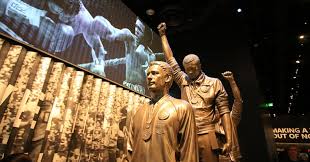 Honoring Black Heritage: Museums and Waterfront Events">

Museums staging Black History Month exhibitions typically coordinate artifact logistics down to the hour: insured couriers, climate‑controlled crates, condition reports, and synchronized dockside deliveries when loans arrive by water or road. Exhibition schedules often dictate strict arrival windows for objects and audiovisual gear, and many venues now partner with nearby marinas and waterfront centers to host satellite programming—so timing, transport permits, and storage access matter as much as the display itself.
How museums are staging visible, intentional programs
Over the past decade, institutional practice has shifted from token displays to curated, year‑round programming that treats Black History as central rather than seasonal. That shows up in special exhibits with primary documents, commissions of new works, and partnerships with community cultural leaders. Expect exhibitions to include panels, oral histories, and multimedia installations that require technical crews, AV rigs, and sometimes temporary power hookups—logistics that can intersect with waterfront event planning when museums spill into outdoor plazas and piers.
Typical offerings you can find
- Guided tours focused on key figures and local narratives;
- Interaktiva installationer with music, storytelling, and hands‑on archives;
- Lectures and panels featuring historians, authors, and cultural organizers;
- Workshops in art, literature, and cultural craft;
- Volunteer and outreach programs connecting museums with schools and neighborhoods.
Bringing museum experiences to the water
When museum programming extends to waterfronts—think pop‑up exhibits on a pier or a community day at a marina—organizers add layers: dock safety briefings, ADA access routes, crowd flow, and sometimes charter coordination for shuttle boats or harbor tours. For the boating crowd, those events can create new charter opportunities: a small yacht serving as a floating lecture venue, or a fleet of tenders shuttling visitors between marinas and museum docks.
Practical checklist for waterfront museum events
| Requirement | Why it matters |
|---|---|
| Permits and insurance | Liability, dock use, and vessel operations |
| ADA access and gangways | Inclusive access for all visitors |
| AV and power plans | Ensures quality of talks and installations |
| Vessel scheduling | Avoids conflicts with marina traffic and tides |
| Waste and crowd management | Protects waterfront ecology and visitor safety |
Ways to engage: from galleries to piers
Participation doesn’t have to be complicated. Museums list programs on websites and at box offices, but many community events now appear at marinas and harborfronts, too. Consider these accessible options:
- Attend a featured exhibit and join its Q&A;
- Sign up for a guided tour that spotlights local Black artists and inventors;
- Try an interactive installation—music stations, tactile displays, or story kiosks;
- Join a lecture or panel—many are hybrid, with live stream options;
- Volunteer at museum events or marinas to help run family days or boat shuttles;
- Support local Black artists and vendors at museum markets or waterfront fairs.
Archive access and research
For those who want depth, museum libraries and archives offer primary sources, oral histories, and digitized collections. Reservations may be required, and some items need supervised handling. These resources are gold for educators and community curators who want to design programs or boat‑based cultural tours tied to local history.
Making your feedback count
Visitor feedback shapes future programming. Rather than a generic “Great job,” targeted comments—about representation, accessibility, or ideas for collaborative events with marinas—can push institutions toward lasting change. Share photos, notes, or video reflections on social media and museum platforms to document what resonated and what could improve.
Community impact and participation
When members of the global majority show up and claim space in museums and waterfront venues, museum ecosystems become more reflective and inclusive. Contributions of time, expertise, and authenticity—whether as a docent, captain of a charter offering an event transfer, or an exhibiting artist—strengthen civic life and create programming that lasts beyond a single month.
Wrap‑up: Black History Month programming has evolved into complex, logistics‑driven public engagement that often extends beyond gallery walls to marinas and waterfronts. By attending exhibits, joining tours, engaging with archives, and supporting local artists—and by volunteering or offering charter services—visitors and boating operators alike can help museums present thoughtful, durable celebrations of Black heritage. Whether you’re booking a yacht or a small boat to reach a pier event, or simply heading to a museum on the shore, the combination of yacht, charter, båt, and museum programming creates memorable experiences. In short: show up, speak up, and lend your time—sailing, yachting, and marinas all have roles to play in keeping history visible and accessible to beachgoers, lake lovers, captains, and anyone drawn to sea, ocean, gulf, or bay activities; from superyacht guests to a Sunseeker owner, the blend of boating and culture expands destinations, activities, and community for clearer, richer public memory.