


 Svenska
  English (UK)
  Русский
  العربية
  日本語
日本語  한국어
한국어  Magyar
  Türkçe
  Español
  Čeština
  Português
  Ελληνικά
  Suomi
Suomi  Nederlands
  Română
  Italiano
  Français
  Polski
  Українська
  Deutsch
  简体中文
简体中文  Slovenčina
  India’s Transport Vision 2026: Toll Innovation and Road Safety Measures">

Transforming National Highways with Barrier-Free Tolling
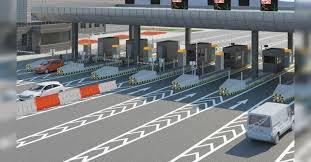
India’s road transport ministry is gearing up for a landmark modernization in 2026 by prioritizing the implementation of barrier-free tolling across national highways. This initiative promises to revolutionize road travel by allowing vehicles to pass through toll points without stopping, utilizing Automatic Number Plate Recognition (ANPR) technology coupled with RFID-based Electronic Toll Collection (FASTag). The projected impact includes slashing toll collection costs dramatically, from around 15% down to 3%, potentially saving the system billions annually and cutting down the infamous waiting times at toll plazas.
To kick off the plan, the ministry has already rolled out tenders targeting ten sectors for seamless toll integration. The advanced system will automatically charge toll fees based on vehicle identification, while violators will face e-notices and penalties such as suspension of FASTag and fines linked to VAHAN registration violations. This smart network reduces congestion and improves efficiency, fostering smoother mobility not only for commuters but also for commercial transport.
Highway Projects and Infrastructure Milestones
The ambition extends beyond tolling. Several major expressways and national highways are slated for inauguration during 2026, including important corridors:
- Den Delhi-Mumbai Expressway spanning 1,362 km, set to complete by November 2026.
- Den Amritsar-Jamnagar highway och Bengaluru-Chennai Expressway, completed by late 2026 and mid-2026 respectively.
- Den Ahmedabad-Dholera Expressway, targeting completion in March 2026.
- Major highways such as Indore-Hyderabad och Delhi-Dehradun Expressway are also in final phases.
Further enhancing connectivity, the much-anticipated Zojila tunnel, poised to become Asia’s longest tunnel, is due for inauguration in April 2026, promising to cut travel time dramatically between Srinagar and Leh, key tourism and trade hubs in the region.
Addressing Road Safety Head-On
With road accidents claiming close to 180,000 lives annually in India, road safety is a glaring priority. The ministry is actively working on introducing a comprehensive new Road Safety Bill designed to strengthen legal frameworks, enforcement, and penalties.
The fatality rate is particularly harrowing among youth aged 18-34, who account for approximately two-thirds of deaths. Despite ongoing efforts to improve road engineering and tighten regulation, the current statistics reveal an urgent need for more effective measures. The forthcoming bill aims to address these challenges by establishing clearer laws and encouraging safer driving behaviors nationwide.
Road Project Awards and Public InvIT Launch
India’s highways ministry plans to award road projects covering approximately 12,000 km in 2025-26 and increase it to around 13,000-13,500 km in the following fiscal year. This expansion aligns with the launch of a Public Infrastructure Investment Trust (InvIT), a financial instrument designed to attract private investments into highway infrastructure, offering a new avenue for retail and domestic investors to participate.
Challenges and Structural Reforms in Road Infrastructure
Despite the ambitious goals, the transport sector faces some persistent roadblocks. Currently, about 649 highway projects worth nearly INR 4.2 lakh crore are delayed due to factors such as:
| Cause of Delay | Number of Projects Affected |
|---|---|
| Land Acquisition | 198 |
| Contractor Issues | 125 |
| Force Majeure | 74 |
| Law and Order Problems | 46 |
| Forest and Environmental Clearances | 46 |
| Railway Approvals | 45 |
| Utility Shifting | 31 |
| Other Clearances | 84 |
In addition, dependencies on certain raw material imports like bitumen and the quality of project reports pose hurdles. Recent reforms in the Build-Operate-Transfer (BOT) model and innovations like annual FASTag passes—offering private cars access through 200 toll gates for a much-reduced annual fee—point toward a concerted effort to overcome these challenges.
Historical Perspective: India’s Transport Evolution and Tourism Impact
India’s extensive road network, with over a million kilometers of passable roads, continues to support a vast and growing population. Historically, transport infrastructure—ranging from the country’s famed railways to burgeoning highways—has been crucial in knitting together diverse regions, enabling commerce, culture, and tourism alike.
Early investments in roadways and railways, coupled with developments in aviation, notably improved access to remote and tourist-attractive areas such as the Himalayas and coastal regions. However, road safety concerns and transport inefficiencies have persisted as major concerns, affecting not just locals but also the tourism experience.
Improvements in highway quality and connectivity directly benefit tourism by facilitating easier and safer access to destinations. Reduced travel time—such as that expected from projects like the Zojila tunnel—opens up new horizons for adventure tourism, cultural exploration, and leisure travel, including boating activities around lakes and coastal marinas connected by highway.
Future Outlook for Transport and Tourism
Looking ahead, India’s robust infrastructure development program sets a promising stage for enhanced national and international tourism. Enhanced highways and expressways not only boost transfer efficiency for scenic destinations but also encourage the growth of boating and yachting industries along accessible waterfronts and coastal belts. The modernization in tolling systems, combined with improved safety measures, will contribute to seamless travel experiences.
The integration of advanced technologies in toll collection and law enforcement heralds a future where travel by road becomes more predictable and less stressful, which is crucial for holidaymakers seeking reliable access to sun-soaked beaches, serene lakes, and bustling water sport hubs. These improvements also make it easier for tourists and locals alike to explore remote or rural scenic boating destinations, enhancing the overall appeal of travel in the region.
Summary and Conclusion
The Indian transport ministry’s focus on barrier-free tolling and a new Road Safety Bill for 2026 outlines an ambitious vision to revolutionize road transport, cut down fatalities, and deliver a smoother travel experience. Complemented by a slate of major highway inaugurations and infrastructure reforms, these efforts are vital in driving economic development and enriching tourism accessibility.
Given India’s vast network of roads connecting cultural, natural, and leisure destinations, streamlined tolling and improved safety protocols will undoubtedly benefit yacht och boat rental activities near coastal and lakeside regions. Travelers seeking to explore maritime environments or indulge in boating adventures around the country’s scenic gulf och water destinations will enjoy easier journeys to marinas and beaches.
For those seeking to rent sailing boats or charter yachts across India’s coastal hotspots or inland waters, the road infrastructure improvements promise quicker, safer access to prime destinations. To explore a wide array of rental options from traditional boating crafts to luxurious superyachts, consider visiting GetBoat.com, the international marketplace that caters to all boating tastes and budgets with top-notch services for smooth, adventure-filled voyages.