


 Svenska
  English (UK)
  Русский
  العربية
  日本語
日本語  한국어
한국어  Magyar
  Türkçe
  Español
  Čeština
  Português
  Ελληνικά
  Suomi
Suomi  Nederlands
  Română
  Italiano
  Français
  Polski
  Українська
  Deutsch
  简体中文
简体中文  Slovenčina
 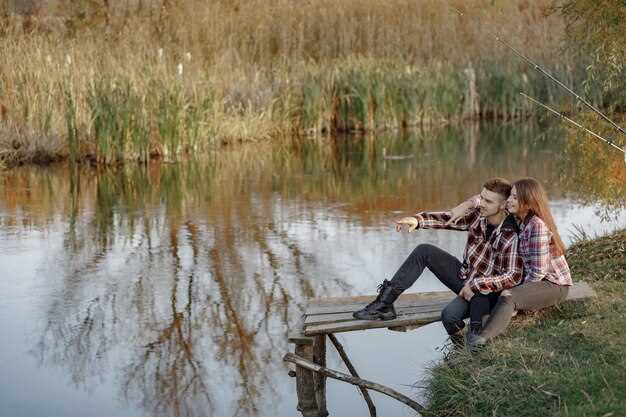 Land Based Lure Fishing Tips – Essential Techniques for Shore Casting Success">

Use a front-drag reel for seaside bank throws to gain immediate bite detection and smoother drag response when a big fish pulls. Set the initial drag to roughly 25–30% of line breaking strain and adjust with the rate of retrieved line as you progress. This simply lets you manage runs and reduces the risk of breakage during a strike.
In flats and current edges, presenting baits so they are swimming naturally is critical. To match the retrieved cadence, set a pace that mirrors the rate at which fish feed: slow on the first 6–8 m, then a sharp burst to trigger bett. With the right plan, you can keep the bait swimming along the seam and lets you cover more water, increasing opportunity for bites.
Rig and gear: a fluorocarbon or wire leader protects against toothy species; choose leader length 15–30 cm depending on wind and target depth. Pair with a main line of 15–30 lb; keep the spool tension moderate when casting to prevent tangles. Pack a variety of weights from 14 g to 40 g to match depth and current, plus some topwater options for swimming action over flats. Power and control come from matching the weight to wind and current.
Wind and tide control rate; during different tides you probably see bite windows change; keep to a simple plan: when the current pushes, cast slightly down-current and retrieve with a steady rate; in calm conditions try a slower, longer pull to keep the bait on the surface. In the world of coastal angling, reading water features–edges, channels, flats, and drop-offs–is key; the best approach is to adjust the plan to stay close to structure and keep line taut so you can feel more bites, ever ready to adapt.
Gear management: keep a pack with spares, spare spools, a front-drag reel, a selection of leaders (wire and fluorocarbon), pliers, a knife, and a measuring tape. In most sessions, check the weather and tide beforehand and adjust your plan accordingly. The opportunity to land a big fish often comes in the next session, when conditions align and you stay patient. When a fish grabs the bait, feel the bite and lift smoothly to set the hook; dont jerk, just apply steady tension and let the fish take line if needed to secure the capture.
Coastal Baits and Bankside Casting: Traditional Artificial Bait Types
Start with a 10–12 ft rod and a tournament-grade setup; cast toward structure at about 40–60 degrees to maximise distance and accuracy, then keep the presentation moving with a steady, regular pace to produce bites.
Gear and Setup
- Rods: 10–12 ft, medium-heavy action for longer casts and solid control.
- Main line and leader: braided 20–40 lb with a 15–25 lb fluorocarbon leader; longer leaders reduce snagging near confined structures.
- Terminal tackle: pair of hooks or a single offset with barbs; consider barbless if regulations require.
- Weights: 1/2–1 oz depending on current and wind; adjust to keep bait moving near the bottom.
- Setup notes: ensure knot strength and forward alignment of components to minimise snag risk; this actually improves bite response.
Common Artificial Bait Types and When to Use Them
- Minnow-imitating soft baits: most versatile in clear to moderately stained water; usually produce regular catches when retrieved straight and slowly, producing a natural wobble that attracts minnows and game fish alike.
- Crankbaits: best for covering water fast; choose shallow to mid-divers to match depth at a point where fish hold; the difference between shallow and deep runners can be decisive in prime conditions.
- Surface plugs: topwater action with a surface jump or a wide walk; use when fish are actively feeding and the surface is calm to attract attention at the surface.
- Frogs: frog imitations shine in weed-choked flats and pads; stay with a longer pause between retrieves to produce a sharp splash that attracts moving fish.
- Soft swimbaits: flexible for adjusting length and color; pair with a jighead or weight that keeps the body moving just above the bottom for a strong moving profile.
- Jigs: versatile for deeper holes, drop-offs, and weed edges; use a slow, methodical bounce or a fast hopping motion to produce a noticeable vibration and snap.
- Spoons: lighter, compact spoons for a flash-and-fall presentation; often a good choice in windy, confined channels to attract attention.
Retrieval and Presentation Principles
Base decisions on a theory-driven approach; adjust speed, pauses, and rod taps based on water clarity, structure, and target species. Moving water usually calls for a faster cadence, while stagnant depths benefit a slower, deliberate crawl.
Key patterns include: forward casts with a snap retrieve, pauses to let the bait sink to the prime depth, and occasional short jumps or twitches to provoke bites. As a rule, begin with a forward cast, add a half-second pause, then a short snap to mimic a fleeing baitfish. This forward–pause–snap sequence can produce the most opportunities when bass and other predators are feeding on schooling minnows.
Carry a pair of color options and a couple of item designs to cover both murky and clear water; the best advantage is flexibility. Also, ensure regular maintenance: check hook sharpness, replace worn parts, and turn to barbs if local rules permit. The prime goal is to attract bites and convert them into catches, which usually requires a quick, decisive strike and a firm set.
In practice, frog and minnow profiles often outperform other designs in mixed weed and open-water zones; frogs excel in heavy cover, minnows excel in clear runs, and both offer strong opportunities to catch. The theory behind color shifting and action change is based on how fish perceive contrast and movement, so turning to a contrasting palette can yield a noticeable rise in catches.
Land Based Lure Fishing Tips: Shore Casting Strategies and Common Traditional Lure Types
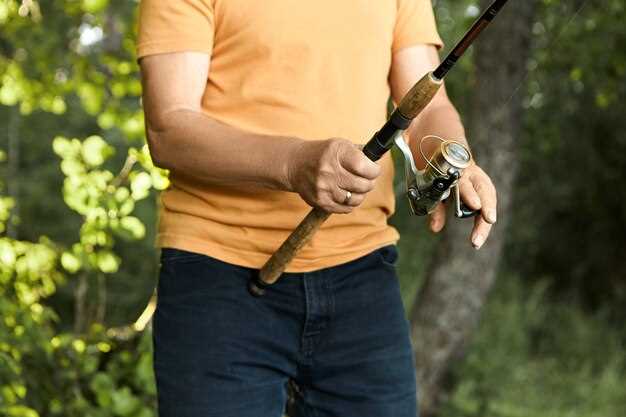
Start with a compact sinking spoon or jig that lands tight to structure, then reel with a steady, low-angle motion to keep contact with the bottom.
Gear setup uses relatively sturdy line in the 20–30 lb range on a smooth spool, paired with reliable reels and a predictable drag; check knots and replace worn components before long sessions along the coast to ensure you find consistent performance.
Depth management targets deeper pockets: cast beyond edge lines and let the target sink longer, then begin a gradual retrieve at about 10–45 degrees of rod angle, adjusting to current and water clarity.
Items include spoons, jigs, crankbaits, and soft plastics on jigheads; popularity is supported by field notes, source reports, and здесь источник popularity confirms this trend.
Near rocks, cast slightly beyond and let the lure fall into gaps; use short, snapping retrieves to imitate fleeing prey; if you snag, pause, then pull free with a couple of smooth snaps; if you feel ikes from the current, switch color or pattern.
Seasonal tips: in shallow water, bright patterns and quick retrieves get bites; in deeper zones or on cooler days, darker colors with longer pauses perform better. Thinking ahead about tides and days helps you plan next trips; somebody with years of coast practice talked that matching patterns to water clarity is key.
Bass often respond to slower retrieves and chrome colors; Murray talked about the value of trying several items, and thinking in terms of degrees of retrieve helps you find the next pattern that gets bites.
Next steps: assemble an option kit with 4–6 items that cover shallow and deeper zones; prefer colors that match the water source and water clarity; keep notes on days and conditions to refine your approach; retrieve gradually and adjust by feel, this gives better odds on bass and other targets.
Spoon styles: cadence and retrieves along the bank
Begin with a steady, regular retrieve that keeps the spoon tracing a shallow arc near the surface, with short pauses of 0.5–1.0 seconds every 6–8 pulls to check depth response and tune cadence. The matter is consistency in cadence and line control.
In deeper zones or when wind pushes current, switch to spoons designed to sink to 3–4 ft, then perform 1–2 second pulls with 1 second stops to haul the spoon through the midwater column and trigger bites. Pulls should feel instinctively natural, not forced.
Rigging basics: tie a clean knot, add an 18–24 in fluorocarbon leader, 12–20 lb test; use a small swivel to cut twists and keep line from kinking; sizes range 1/8–3/4 oz, with 3/8–1/2 oz handling regular chop and wind; needs vary with conditions so adjust length and weight accordingly. This setup reflects the different rigs designed to meet anglers’ needs and basics alike.
Style differences matter: brass, copper, and silver finishes behave similarly yet represent different surface reflectivity; have a set that covers shallow hits and deeper action; designed to ride through surface ripple and through low-contrast water; through transition zones, switch styles; though some days a single size works, other days you benefit from multiple sizes and finishes to cover different depths; remember some rules: summer light makes brighter finishes shine; sizes matter; like the way larger spoons pull deeper than smaller ones; Somebody new to this game benefits from a two-size start and then increases when conditions demand it; certainly these choices puts you in position to strike, which affects bite timing.
Remember: an average session benefits from rotating among 2–3 sizes and at least two styles to identify the strike window that makes sense locally; instinctively you’ll tune cadence as water clears or muddy; though conditions shift, the approach puts you in position to strike; through practice, you learn deeper targets and shallower passes, and you’ll fish with confidence yourself.
Crankbaits and plugs: selection for shoreline structure
Recommendation: start with a compact, mid-depth crankbait around 3.5 cm that dives to about 1.5 m. Load a 20–30 lb braid and spool a short fluorocarbon leader (12–18 in) in rugged zones. Retrieve at a steady pace, then inject short pauses to trigger a follow along the edge where structure rises toward the surface. This approach is productive along rock faces, weed lines, and pilings.
Common shoreline structure along estuaries includes rock ledges, weed beds, troughs, and pilings. Choose crankbaits and plugs that press slightly deeper than the active zone to stay in touch with the edge as current carries the presentation. A bigger profile can attract bigger targets in stained water, while interchangeable slugs and tails expand the options; split your pack so you can adapt quickly when variables shift.
Market options offering a range of favourites. Colour choice matters: colour can be subtle in clear days and noticeable in stained water. Try 2–3 colour patterns per session, focusing on patterns that attract in low light or over structure. The right colour puts the bait in the strike window without prompting hesitation; instinctively adjust speed and rod load to keep tension as the tail sways and the body responds to structure. Feel the bite and adjust accordingly; worth trying a different colour if results stall.
Estuaries and nearshore flats present several variables: tide level, current strength, water clarity, wind, and boat traffic. When you follow the edge, think about how the bait loads the spool and whether to switch to a deeper option or alter the retrieve. Years of field testing show the best outcomes come from mixing approaches, not sticking to a single option; a flexible temperament lets you respond to the mood of the day. These factors involved in estuarine environments require adaptable methods and a calm approach.
| Crankbait option | Depth range | Structure match | Colour guidance | Anteckningar |
|---|---|---|---|---|
| 3.5 cm mid-diver | 0.8–1.4 m | weed edges, weed lines | natural, subtle with flash | good general use along estuaries |
| 4.5 cm mid-range diver | 1.2–1.8 m | rock ledges, drop-offs | brighter for stained water | keep pull along the edge; adjust pace |
| 4.0–4.8 cm deeper diver | 1.8–2.5 m | ledge, deeper troughs | high-contrast patterns, chartreuse/yellow | use when current is strong |
| Lipless/slugs style | 0.4–1.0 m | shallow flats near structure | silver, gold flash | excellent when current carries the bait along edge |
Soft plastics: rigging and swim patterns for beach targets
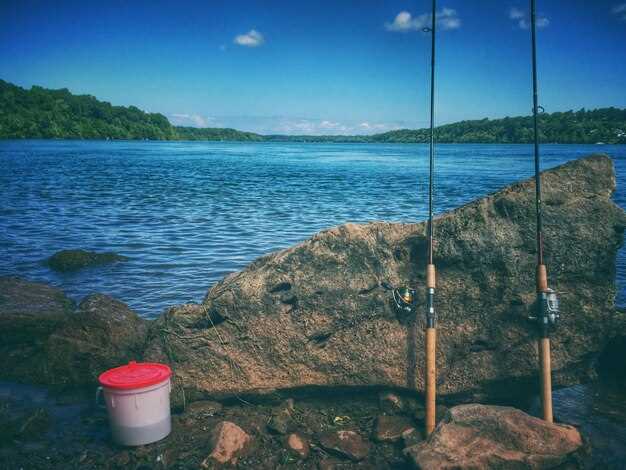
Recommendation: half-ounce weight, a 4–5 inch paddle-tail on a single 3/0 hook, with a 15–20 lb leader. Cover the first 6–10 m with a steady, medium-speed retrieve, then pause 0.5–1 s to spark a noticeable tail kick. Keep line slack during the pause to avoid drag, and snap the rod to drive the bait back toward the foam. This approach delivers more strikes from large, hungry, predatory fish that already patrol the wash; the best results come when tides shift and fish move into troughs.
Basics of rigging: use a nose- or belly-weighted setup to keep the head of the bait near the bottom. In light current, run 1/8–1/4 oz; in heavier surge, step up to 1/2 oz. Använd en single hook in the 1/0–3/0 range on a straight-wired style, with a 12–18 inch fluorocarbon leader to ensure stealth. Pick soft plastics in high-contrast palettes or natural tones; add a small bead ahead of the bait to create a brief flash, making the setup easier to spot. The design should stay compact, with concentrated color cues and action that produce a clean, stable swim without spooking fish.
Simmönster på stranden: Två huvudmetoder täcker de flesta dagar. Först ett stadigt, lågfriktionsmönster där man följer stjärten med subtila stjärtsparkar; för det andra, ryckiga pilar med vända omjusteringar för att framkalla ett rovdjursbeteende. För att öka synligheten, sikta på en noticeable kadens av 3–5 ryckningar per cykel, sedan en paus. En skarp vändning vid toppen av varje ryck, som vänder tillbaka betet mot bakvattnet, efterliknar en skadad betesfisk och är en striking signal till hungriga fiskar. Halv vändning Att hålla pausen mellan rycken hjälper till att bibehålla djupet i blandad sand och skum, och låter dig täcka mer vatten utan att överarbeta riggen. Undvik att göra samma rörelse varje kast.
Artanpassningar och justeringar: öring längs de yttre trågen svarar bra på långsammare, tätare mönster; i klart vatten föredrar du naturliga toner, medan grumligt vatten gynnas av starkt limegrönt eller vitt. Exempel uppsättningar inkluderar en chartreuse-stjärt på en naturlig kropp, eller en glitterfinish som håller sig inom sextiotalet palett. Om du missar några tuggor, prova en annan size Inga problem, här är översättningen: six casts, eller växla till en mer unique mönster; remember, är målet att hålla sig nära strejkzonen utan att överdriva. Om ett mönster känns favourite, fortsätt så, men tveka inte att blanda in ett annat alternativ för att undvika att överdriva någon presentation.
Växel och kadens: håvar in 2500–3500 klassa balanserar linkapacitet med kastlängd. Kombinera med 12–20 lb lina för att bibehålla slakkontroll och förhindra bakslag. Storlekar som match betesvikten hjälper till att hålla linan sträckt genom hugget. After ett bett, veva genast in för att behålla spänningen och svep sedan spötoppen för att driva betet framåt. Om hugget dör, sänk spötoppen något för att behålla kontakten med betet och tveka inte att pausa igen. favourite metod är en tvåmönsterrotation, en högprecisionsmetod som anyone kan adoptera, och lets du håller dig kvar i spelet under en lång session. Resultatet är mer konsekventa träffar och bättre täckning av stranden, särskilt när en tidvattenlinje rymmer ett stort fönster för rovfisk.
Jiggar och metallbeten: djupkontroll och vindassisterade kast
Använd en slug-jigg på 60–110 g för att snabbt nå djupet på 2–4 sekunder; kasta en bra bit bortom vågtopparna och räkna två till tre sekunder för att låta den sjunka till botten, lyft sedan och pausa för att känna efter ett hugg. Håll linan spänd och använd en måttlig spövinkel så att sänket är kontrollerat och inte faller fritt. Detta ger dig en pålitlig kontakt med bottenstrukturen längs kusten där skarpsills- och skaldjursbäddar är en känd födokälla.
Vindstödda kast: när brisen gynnar en lång, glidflykt, positionera kroppen i vinden; använd ett längre bakkast, knäpp sedan spöet för att generera en stram lina; håll linan stram under landningen och veva in omgående för att bibehålla kontakten. Med kusten i åtanke kommer du att märka att linan spårar bättre och mindre zigzag från vindbyar.
Djupkontroll i skiftande tidvatten: I strömmar, addera 5–15 g mer vikt eller korta tafsen för att hålla jiggen i kontakt med botten; på en plan botten, prova en långsammare nedsänkning genom att använda en lättare jigg och ett kortare drop; om du upptäcker att du svävar ovanför rännan, hacka vattnet med en serie elektriska hopp och pauser för att hålla jiggen nära botten där skaldjur och andra kända födoämnen finns.
Återhämtningsmönster: efter släppet, kör en serie långa svep med korta pauser nära botten; växla med dödlångsamma stopp för att provocera hugg. I juli pressar varmare vatten målen närmare kuststrukturen, så upprepa denna serie kast på samma djup för bästa resultat. Håll rullarna i gott skick, kontrollera linan och håll spolen fri från vridningar, och låt erfarenheten vägleda dina nästa drag från redan beprövade sessioner.
Spinnare och drag av minnowtyp: praktiska scenarier för fiske från land
Om du börjar med en 1/8 oz spinnerbait på 20–30 lb flätlina och en 12–18 tums fluorkarbon tafs, och kastar bortom brytzonen och sedan varierar inspinningen, fortsätter huggen att komma. I september löper koncentrerad betesfiskaktivitet ofta längs bankkanten, vilket gör denna utrustning särskilt produktiv med stora och mellanstora måltavlor. Flytta djupet genom att justera tafslängd och kastvinkel, och ha reservblad till hands för att anpassa dig till grumligt vatten ovanför botten. Dessa grunder hjälper dig att reagera snabbare och fortsätta fånga när huggen är på, var bara anpassningsbar.
- Ström vid strandrevlar: kasta bortom skumlinjen och hämta sedan in med ett jämnt tempo och enstaka knyckar. I grumligt vatten, byt till en tyngre modell på 1/4 oz och ett Colorado-blad med en diameter runt 1 tum för att skapa en starkare signal. Om du får napp på en stor fisk, håll spöet högt och behåll trycket; om det fastnar, lyft kort och backa för att komma loss; de attraheras ofta av den presentationen nära en plats där fiskar äter.
- Rensa kanter och platser med ökad risk för fastsättning: använd en tung 1/4 oz spinnerbait med ett enkelt willow-blad för att tränga igenom vegetation samtidigt som du bibehåller responsiviteten. Håll en snabb och jämn rytm med snabba ryck följt av en längre paus för att låta fickorna falla undan. Om ett fastnande inträffar, sänk spötoppen och dra tillbaka långsamt; om det blir osannolikt att komma loss, byt till en mer kompakt utrustning som kan passera genom luckor.
- Klarvatten, grunda fickor: välj en 1/8 oz spinnerbait med ett litet blad; kombinera 10–15 lb flätlina med en lätt tafs. Arbeta med en långsam, tajt vickande kadens nära botten, med vetskap om djupet. Om du får ett hugg, håll spötoppen högt för att kroka, och använd minimal rörelse för att undvika att skrämma fisken.
- Svagt ljus i gryningen eller skymningen: gör blänket tydligare och håll en stadig, grund svepning längs den första djupförändringen ovanför kanten. De är mer aktiva under dessa perioder, så en konsekvent metod tenderar att ge fler träffar; anpassa hastigheten efter vattnets färg och vinden.
- Minnow-beten som alternativ: byt till en 5–7,5 cm lång minnow-imitation med naturlig gång; använd ett smalt 5,5–9 kg fluorocarbon-tafs och behåll flätlinan i 4,5–7 kg-intervallet. Behåll en naturlig, simmande rytm med enstaka pauser; detta tillvägagångssätt kan bli det främsta alternativet när naturliga rörelser ger resultat, och rikta uppmärksamheten mot målet nära ytan.