


 Svenska
  English (UK)
  Русский
  العربية
  日本語
日本語  한국어
한국어  Magyar
  Türkçe
  Español
  Čeština
  Português
  Ελληνικά
  Suomi
Suomi  Nederlands
  Română
  Italiano
  Français
  Polski
  Українська
  Deutsch
  简体中文
简体中文  Slovenčina
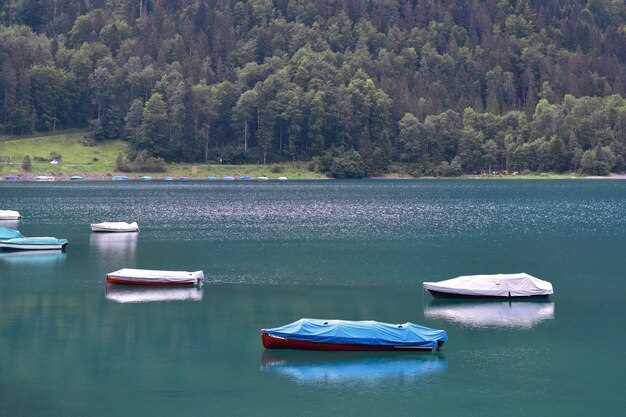
Book a certified watercraft with a licensed operator to ensure safety, a concise briefing, and a punctual start. You can easily book through the operator’s site, which provides quick forecasts, recommended routes, and access points to coves and historic shipwrecks. Reserve with a card to lock your time and secure the best boats.
The alpine waterbody spans roughly 22 miles in length and up to 12 miles across, creating ample opportunity to visit multiple coves in a single outing. Start at dawn from a central marina, run a 3–4 hour loop, and return before afternoon winds rise. The shoreline features granite bluffs, pine forests, and water with remarkable clarity that makes the early miles fantastic for photography.
watersports enthusiasts should choose a watercraft equipped for wake-friendly fun, with enough horsepower and a safe tow rope setup. When you book, specify your needs: one or more boats, snorkel gear, and a crew who can set up lines for hiking stops and shoreline exploration. Also, ask about life jackets in your size and the optional camera mounts to capture sunset scenes. If you crave a thrill, request a guided run along the outer bays with steady, controlled speed and clear viewpoints.
Family trips or solo explorers can pair boating with gentle shore walks and hiking on adjacent trails, then return to the deck at a point for a sunset view. A practical plan is to anchor near a sheltered cove with clarity of the surface to observe fish and history markers along the shore. Use the included chart for details about depths and protected zones, and know where to pause for wildlife or interpretive signs that share history of the area and the samma coastline seen by early travelers.
History buffs can visit landmarks where old ferries and explorers left marks; you’ll hear historic tales about the region and the shipwrecks that linger in sheltered bays. The guide will share details about routes, currents, and the samma coastline seen by mariners a century ago.
To maximize safety, bring a card for deposits and call ahead to confirm weather, water conditions, and crew availability. Know the local restrictions on anchoring and speeds, and ask staff for information about best departure times. For the best experience, plan a visit that aligns with a sunset show – fantastic reflections and clearer water at dusk. If you want to cover more ground, loop back to the launch point and add another visit later in the day, into the evening light.
Protect the resource: stay on marked channels, avoid dropping anchor in fragile zones, and take all trash with you. This keeps the waterbody protected for future visitors and preserves the nature and quiet of coves for watersports sessions and family outings.
Lake Tahoe Boat Rentals and Alpena County Regional Airport: Practical Guide
After landing at Alpena County Regional Airport, call marinas to reserve a lakeside watercraft and confirm a current inspection; this keeps their crew ready for exploration and ensures you’re within the limit for the day.
- Transportation from the terminal: taxi, rideshare, or shuttle to the docks; when you arrive, verify where the exact pickup point is located near the shore and make sure you have the contact number handy.
- Inspection and safety: check hull condition and propulsion reliability, battery health if electric, life jackets, throw lines, and a working radio; ensure the vessel carries a current inspection stamp.
- Vessels and add-ons: a diverse range is offered, with add-on offerings such as canopy shade, dry bags, snorkeling gear, and watersports equipment; there’s flexibility to tailor gear to your plan.
- Pricing and limits: rates typically run by days or half-days; know the limit on engine hours, max days, and any weekend surcharges; ask about discounted bundles for longer explorations.
- Where to explore: begin near the shore, follow historical shoreline segments, and plan a visit to rockport harbor; theres a museum nearby, and biking trails offer a great extension; zealand-style safety briefing may be provided by some operators.
- Practical tips: pack a brown bag lunch, keep valuables in a dry bag, and bring a spare charger; theres always a backup plan if weather shifts; ensure you return with the same vessels and shore equipment in good condition to keep their teams satisfied.
After the outing, evaluate your experience and consider lifetime memories you can build with the same operator next season; this exploration approach keeps you prepared for future plans and helps you arrange transportation and activities for the outdoors lover in your group.
Lake Tahoe Boat Rentals: Rent a Boat for Scenic Tahoe Adventures; Frequently Asked Questions about Alpena County Regional Airport
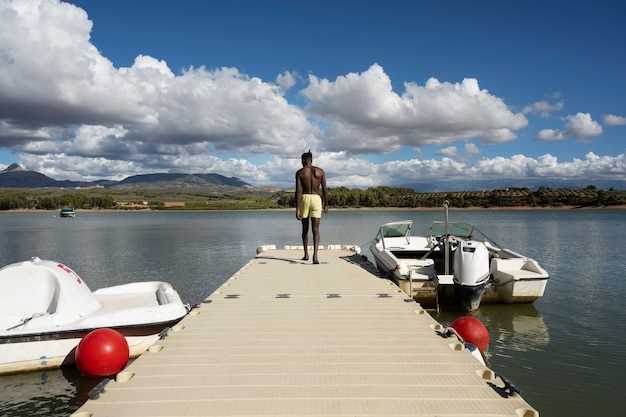
To start, book a full-service watercraft experience with a licensed operator near APN and arrange guides to meet you at the public ramp within minutes of landing; this ensures you can depart quickly and enjoy aquatic exploration without unnecessary delays.
APN is a public-use aviation facility serving travelers in the northeastern Michigan region. The terminal is compact, with a single concourse, straightforward pathways to curbside pickup, and car rental desks inside the baggage area. Parking options are convenient and typically free for short stays, and the field operates during daylight hours most days.
Q: What does a typical watercraft experience include at this gateway? A: A full-service package often includes safety briefing, life jackets, basic navigation gear, and access to vessels such as skiffs or pontoons. The range of vessels includes fishing boats suitable for trout outings in nearby coves; bait like worms may be permitted on licensed trips but confirm with the operator. Guides provide local knowledge, including best paddling routes and fishing spots.
Q: Is booking ahead recommended? A: absolutely. Booking ahead ensures you get the desired craft; dailydiscounts may apply for multi-day sequences, which helps those seeking a better value. You can start the process online or via phone; operators will provide the details and confirm pickup at the public ramp near the terminal.
Q: What documents or credentials are required? A: For domestic travel, a government-issued photo ID is generally required; international travelers should verify visa status. The airport states require carriers to follow standard aviation rules; always check with your operator for any special permits related to personal gear, including equipementsave if you maintain a personal gear bag.
Q: What else should I know about the airport and the travel plan? A: The facility operates with limited staffing, so allow extra time for processing; cool mornings and warm afternoons are common, so dress in layers; if you have a longer stay, larger carry-ons may be redirected to baggage hold; youre advised to confirm that the flight is on time; however delays happen and you should stay flexible.
Q: Where are the most reliable access points to start your aquatic excursion? A: After disembarking, head to the public ramp area or the adjacent cove access where a licensed captain or guide will launch the craft. This ensures you can travel to trout-rich shores in a safe manner; if you want a longer trip, consider a larger craft; youre prepared to reserve the day to maximize daylight and avoid rush hours.
Q: Can I access discounts or special deals? A: Yes, inquire about dailydiscounts at booking; some operators offer loyalty benefits that include a lifetime of safety updates and priority scheduling; this is a besser option for travelers who repeat trips, helping you maximize value.
Q: What happens if I need to cancel? A: Cancellation policies vary by operator; most offer flexible terms if you notify well in advance, preserving your ability to rebook the next available slot and minimize any loss of funds.
Bottom line: reliable plans hinge on booking early, selecting a trusted operator, and confirming guides who understand local coves where trout linger; have your gear and documents ready, and you’ll enjoy a smooth transition from terminal to waterbody.
Choosing the right Tahoe boat: type, size, and required crew
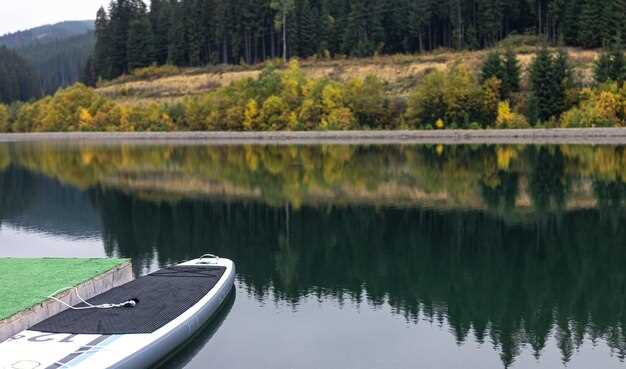
Recommendation: when looking at vessels, decide size and layout first. A 22–24 ft pontoon or deck-style craft with 8–10 seats and a shaded lounge provides fantastic stability, lakeside access, and room to visit multiple spots without crowding. Tell them to compare options and decide together; this approach avoids surprises and ensures everyone enjoys long days on the water. Boater comfort matters, so prioritize easy access to seating and shade.
- Vessel types and layouts
- Pontoons: wide decks, steady rides, and generous seating for families or groups looking to relax and mingle.
- Deck-style vessels: open, social layouts with easy flow between zones; great for sightseeing and quick dips.
- Cabin vessels: sheltered cabins, restrooms, and shade, ideal if plans include longer days or variable weather.
- Specialty crafts (where available): fishing-friendly or sport-oriented options offering higher speeds and gear access.
- Size and capacity
- Typical ranges: 8–10 passengers on a pontoon; 6–10 on a deck-style craft; heavier loads reduce performance.
- For groups larger than 10, consider two vessels or a larger layout, ensuring weight and balance limits are respected.
- Required crew and licensing
- Some options require a licensed skipper; on-site crew provide safety briefings and navigation assistance.
- Ask about safety gear, including life jackets and radios; however, verify sizes fit all ages in the group.
- If selecting a captain, confirm arrival time and the launch area on-site.
- On-site services, safety, and planning
- On-site teams provide safety equipment, route suggestions, and area knowledge to visit bays, coves, and beaches.
- Discuss planned routes, time at each spot, and weather contingencies before departure.
- Keep occupancy and hours limits in mind to preserve comfort and control, especially during busy periods.
- Itinerary planning and locations
- Choose a few spots with a short walk ashore, then loop back to quiet areas for swimming or lunch.
- Include beaches, shores, and lakeside lookouts; you’ll enjoy a mix of views and activities.
- Plan time to visit local buildings, docks, and nearby attractions between water stops.
- Budget and value
- Daily rates vary by size, onboard amenities, and whether a skipper is included.
- Long days with a capable crew provide better value when you’ll spend time at multiple spots and a planetarium-like sky at night.
Travelers from zealand often look for calm, lakeside days with easy access to beaches and quiet coves; choosing the right vessels helps them maximize time outdoors. On-site support provides guidance on time windows, spots, and whether a guided visit to surrounding areas can be included; theres rarely a risk of rushing. Use a simple decision rule: assess group size, desired pace, and weather, then select a craft whose layout matches those goals and keeps everyone safe, from shores to lakeside strolls near visit-worthy places including quiet beaches and walking paths.
What’s included with Tahoe boat rentals and available add-ons
Head straight to a stable pontoon package with life jackets in multiple sizes, a safety kit, anchor with line, dry bag, and a navigation map of the emerald lake region. A built‑in cooler keeps drinks cool; snacks can be added on request. Onsite checkout uses a card on file; dailydiscounts apply when youre booking two days or more. This setup delivers true recreation with simple setup, enabling youre enjoying sunny hours right away.
Add-ons to elevate your day include a fishing gear kit (rods, tackle, worms, and bait), a tubing option, an upgraded cooler, a trolling motor, safety beacon, and a waterproof camera. Optional captain service provides hands‑free cruising. Transportation to the location can be arranged via gateway shuttle. Anglers receive a school of tips on local spots from staff. This setup makes lake recreation more flexible, compared with other fleets, and lets you vary plans with range of options.
Pricing and accessibility include dailydiscounts on multi‑day orders and location‑based package options. Make a call to confirm availability and reserve with a card on file; daily rates vary by model, capacity, and season. Youre choosing a range from compact skiffs to larger pontoon vessels. However, peak days require early booking to secure your preferred time slot; tubing and fishing activities shine in morning windows. Transportation options help you reach the gateway with ease, and you can compare experiences to pick the best fit.
Natural surroundings and safety tips the emerald lake region rewards patient planning and respectful conduct; expect nature to dominate views, with birds and distant hills on the horizon. Choose an eight‑person limit on pontoon craft; walk opportunities along launch sites provide easy walk options before or after sessions. Always check wind trends, never exceed the limit of passengers or gear. If you need guidance, call the location desk; the team can share targeting ideas for fishing spots and safe anchoring. When visiting tahoes or nearby action, keep noise low to preserve quiet nature.
Safety, licensing, and local rules for waterside boating
Begin by confirming required safety gear and documentation; ensure every passenger has a properly fitted PFD, accessible at all times, and keep a throwable device and a sound-producing device on board. Motorized crafts require a fire extinguisher, and registration numbers must be visible.
Licensing: Some operators need a boater safety credential, especially younger adults. Check with the governing agency or the center. Pass a quick safety briefing if offered; youll obtain a temporary permit and start. Bring proof of age and ID.
Local rules: Stay in designated channels near shore while avoiding wildlife habitats. Heed posted speed limits and no-wake zones around piers, harbors, and kayak spots. Do not discharge trash; use shore facilities. Pets are allowed on many crafts, provided leash and supervision; some vessels restrict animals; call ahead for pet policy to avoid surprises.
Equipment checks: Carry a whistle or horn, a flashlight, and a first-aid kit. Have a VHF radio or a charged cell phone in waterproof case. Check forecasts daily; prepare an emergency plan. If overnight or remote trips are planned, pack extra water, layers, and a map.
Planning tips: Check dailydiscounts offered by the center. Check rentalsrates published by the center. Vouchers may reduce costs on longer outings; pontoon and kayaks remain popular. Emerald coastline provides historic coves and salmon viewing spots; youll want to map routes, note wind-sheltered spots, and plan safe anchorages; remote coves allow overnight stays.
Center procedures: call ahead to confirm inventory, pickup times, and go-no-go windows caused by weather. youll receive a checklist outlining everything required, including what you need to bring, how to pay, and where to park near shore.
Pet policy: Many crafts permit pets; ensure leash and supervision; check with the center to avoid issues on the day of your outing.
Best times to rent: seasonality, weather, and booking tips
Book midweek in shoulder-season months to secure the lowest rates and calmer seas.
In peak season, rentals rates surge and public areas bustle; hunting for vouchers can trim costs; lock in at least 14 days ahead.
Choose morning or after-sunset blocks; after sunset cruises offer rainbow reflections over quiet coves.
Look for vessels with bathrooms and fuel-injected engines; these add-on options boost comfort on longer exploration trips. Also keep an eye on weather updates and adjust plans if needed.
Keep exploring the wonderful areas around queenstowns; from a museum visit to a bi-path walk past historic buildings along the shore, these things enrich exploration and days.
Deposit is often required; review rentalsrates and cancellation terms; also check vouchers and add-on options to maximize value.
| Season | Väder och vattenförhållanden | Best Booking Window (days ahead) | Vessel Type Recommendations | Anteckningar |
|---|---|---|---|---|
| Spring | Cool mornings, warming afternoons; light showers possible; near-shore depths 6–12 feet; winds often calm | 14–21 | compact watercraft with cabins | deposit may be required; bathrooms on many models; fuel-injected engines common |
| Summer | Long days, warm temps; winds 5–15 mph; water comfortably warm; peak demand | 21–28 | mid-sized watercraft or family-friendly deck craft | vouchers widely accepted; check rentalsrates; add-on options available |
| Autumn | Cool, pleasant; winds pick up; possible rain; sunset earlier; water cooler | 14–21 | versatile all-round watercraft | shoulder-season discounts; explore after breakfast |
| Winter | Colder, windy; shorter days; occasional snow near shore | 7–14 | compact, sheltered craft; some providers offer indoor cabins | lower demand; rentalsrates lower; verify add-ons |