


 Svenska
  English (UK)
  Русский
  العربية
  日本語
日本語  한국어
한국어  Magyar
  Türkçe
  Español
  Čeština
  Português
  Ελληνικά
  Suomi
Suomi  Nederlands
  Română
  Italiano
  Français
  Polski
  Українська
  Deutsch
  简体中文
简体中文  Slovenčina
 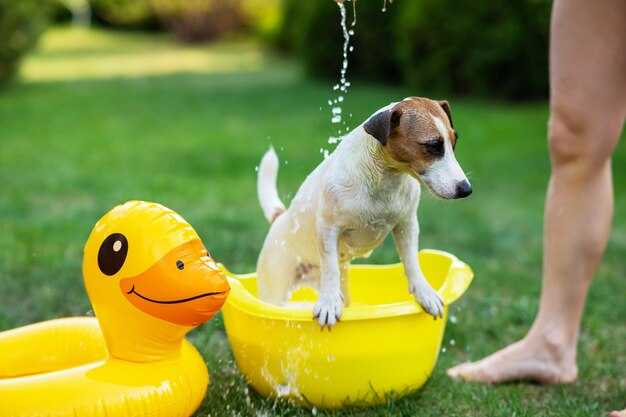 Keep Your Dog Safe Around Water – Essential Water Safety Tips">

Always wear a properly fitted dog life jacket and keep your dog within arm’s reach when you are near water. A jacket boosts buoyancy, improves visibility, and gives you more time to react if your dog slips or tires.
Before you head to a lake, river, or coast, staying close to your dog and to humans nearby is key for safety. Check for currents, fishing activity, and hidden hazards like sudden drops. Where boats come and go, stay alert for lines or propellers that could snag a paw or leash. If you see signs of chemical runoff, avoid the area.
Carry a leash and a well-stocked kit, including dog jackets for cooler days, a collapsible bowl with fresh water, and a towel for quick dryness after a swim. Having these items ready helps you respond fast during adventures.
Provide fresh water in a portable bowl and avoid letting your dog drink from water near kemikalier, algal blooms, or runoff. Rinse paws after a swim to reduce salt or chlorine exposure, which helps prevent dryness and irritation.
Train simple cues like “come” or “back” on dry land first, and reward with your dog’s favorite treats or toys; this helps when you are near water and you need to call your dog away from potential danger, especially near fishing boats or docks.
During outings, plan where you stop for breaks, and avoid chasing something that could encourage diving, like fish or birds. Never go near water without a plan, keep to safe routes, and stay alert for sudden drops or entanglement hazards. Keep a safe distance from shorelines with exposed rocks to prevent falls.
After swimming, wipe down and inspect ears and paws; rinse off salt, sand, and any pool chemicals; dry the coat and provide a warm spot for air-drying. This routine reduces soreness and helps maintain skin dryness and comfort.
Before your next outing, check weather, water temperature, and local rules; set boundaries for where you go and choose safe routes; having a plan and keeping your dog on a short leash near docks helps you stay out of trouble.
Keep Your Dog Safe Around Water: Pet Water Safety at the Pool, Beach, and Lake
Keep your dog within arm’s reach near water at all times, and outfit a properly fitted life jacket to stay afloat–whether at the pool, beach, or lake. Tailored safety routines help protect your dog and provide information that others can follow.
Whether your dog is a strong swimmer or a cautious paddler, these checks help you manage hazards and keep the experience calm and safe near water.
- Active supervision: closely monitor your dog at all times; stay within sight and consider a short leash on shore to prevent wandering toward the edge.
- Gear that fits: choose a tailored life jacket with bright colors for easy look-and-find visibility. Ensure straps are snug but not restrictive so the dog can rest and paddle naturally; if the fit isn’t right, the device wont do its job.
- Pool specifics: avoid leaving doors or gates open, keep toys to the center to reduce jumping, and remove potential hazards like pool covers or cords that could entangle paws near the water’s edge.
- Beach cautions: scan for holes, sharp shells, glass, and debris (tire pieces can snag paws). Stay aware of waves and tides, and keep your dog in shallow water if they’re still getting used to the environment.
- Lake considerations: currents and boat traffic require constant attention. Use a flotation aid and keep a clear exit path to shore; teach your dog to return when called to prevent drift far from your side.
- Hypothermia watch: wet dogs can suffer heat loss quickly; keep sessions short in cool weather and dry them promptly, then provide a warm resting place to recover after water work.
- First aid and rescue: if your dog struggles, throw a flotation device or extend a long reach tool rather than jumping in. Approach from behind, stay low, and transport to shore before attempting a rest or re-entry.
- Teaching and practice: dedicate short, frequent sessions to recall, resting on a float, and leaving the water on cue. This kind of training builds confidence and reduces stress in real situations.
This site isnt a substitute for veterinary guidance. For tailored recommendations and more information, consider consulting Lora, a local trainer, who can adapt these tips to your dog’s size, temperament, and typical water environments.
Dog Water Safety Guidelines
Always supervise your dog near water and use a properly fitted life jacket for any swimmer. This quick step gives you a clear place to act while trouble develops, and it helps your dog stay calm around the edge.
When a dog enjoys water, mind the risk: theyre more likely to drink salty water near coastlines or chlorine-treated pools. Drinking salty water can irritate mucous membranes and upset the stomach, and they shouldnt swallow bottom-water or muddy content from lakes. Offer fresh drinking water at the edge instead.
Bulldogs and other brachycephalic breeds need extra cooling. Provide shade, a cool place, and sunscreen on exposed skin and noses if sun exposure lasts. theyre more prone to overheating, so monitor breathing and activity closely. Use a perfect fit harness and collar to reduce restriction during water play.
Chlorine in pools dries mucous membranes and inflames skin. Rinse with fresh water after swimming, towel dry, and avoid letting them lick residual chemicals. If the dog does swallow pool water, watch for vomiting or coughing and offer water.
Hypothermia can strike after long swims, especially in cold water. Signs include shivering, stiff movements, reluctance to rise, and pale, cool skin. Dry your dog, offer warm towels, and provide a dry bed to recover. If symptoms persist, seek veterinary help immediately.
If a dog struggles, throw a flotation device or a ball to reach them and shout instructions from shore. Do not jump in unless you are trained; rescue attempts without gear can put you both at risk. After rescue, check breathing and responsiveness and perform first aid if needed, then contact a vet or rescue service for guidance.
Develop a simple routine: before each water outing, encourage safe habits, practice recall at the water’s edge, and limit sessions to short intervals. This helps other people and pets stay safe as well. Place the ball away from the edge when not in use to prevent curiosity, then repeat sessions to build confidence and a calm pose near water. If a dog enjoys the water, keep sessions short and positive to encourage comfort and safety.
Prepare Before Swimming: Gauge Your Dog’s Comfort and Water Temperature
Test your dog’s comfort in shallow water for 5–10 minutes under close supervision; if fatigue, panting, or reluctance appear, end the session, rinse them off, and towel dry before leaving the water. There are known risks, including fatigue, overheating, and slips that can cause falls, so keep sessions brief and controlled.
Begin with your dog in knee- to waist-deep water and stay within arm’s reach. Youll build confidence by offering gentle praise and a favorite toy to reward calm behavior and avoid forcing longer exposure. If your dog backs away or shows trembling, lift them gently onto dry ground and try again after a short rest; shorter sessions are safer than longer ones, and this approach eases fear and reduces the chance of accidents. Also, remember to check for signs of stress and keep the mood upbeat to prevent fatigue.
Water temperature matters: aim for roughly 22–26 C (72–79 F) as a baseline for most dogs; adjust for coat length, age, and breed. Cooler water helps on hot days, but avoid water below 10 C (50 F) for extended play, which can trigger shivering and fatigue. If you swim at night, check visibility, use a long leash for safety, and keep sessions shorter until your dog stays relaxed. Therefore, monitor the conditions and tune the pace to your dog’s comfort.
Post-swim routine keeps you in control: rinse off chlorine or salt, dry your dog with a towel, and offer fresh water to stay hydrated. Always monitor breathing and energy; if panting remains heavy after you exit, end the adventure and give your dog time to settle. Tips: carry a short list of do’s and don’ts, keep toys nearby but not in the water, and plan future outings so you can gradually develop endurance without excess strain. Remember to lift your dog from the water if fatigue signs appear, and assume a cautious stance until their confidence grows on future adventures.
Fit and Use a Pet Life Jacket for Open Water
Always put a snugly fitting pet life jacket on your dog before entering open water. Known safety standards help you pick a model with good buoyancy, a sturdy handle, and durable straps. Ensure the jacket sits level across the chest and does not ride up when treading water or swimming.
Measure accurately and adjust the straps so the jacket is snugly yet comfortably secure. A well-fitted jacket provides access to the rescue handle and helps your dog stay buoyant in waves. Having bright colors or reflective trim improves visibility near dawn, dusk, or in choppy water.
- Fit and verification: Measure chest girth and neck size, select a size with room for movement, and tighten straps until two fingers fit snugly under the straps.
- Visibility and features: Choose items with bright colors and a sturdy handle; ensure the front of the jacket stays roughly level with the chest when the dog treads water.
- Dry-land practice: On dry ground, introduce the jacket gradually, reward calm behavior, and practice getting in and out of water with your dog at a comfortable pace.
- In-water training: Start in shallow, calm water; stay near shore and gradually increase distance as your dog becomes more confident; use a long line or boat line if needed.
- Hydration and comfort: Plan breaks with plenty water; avoid leaving the jacket on during extended exposure to excess heat; remove if signs of discomfort appear.
Such careful preparation reduces hazards and sets up a healthy adventure. Whether near a lake, river, or sea, keep the jacket on until you reach dry land and you can access a safe resting spot. Taking time to inspect items after each trip helps prevent wear and tear, and you will have much more confidence for future trips. Keep your dog hydrated with regular water breaks, and monitor for algal blooms or chlorine exposure in pools or near docks. Having a rescue plan and staying aware of fishing lines or hooks keeps you near your dog and reduces risk. For most dogs, a well-fitted jacket provides plenty buoyancy, allowing effective treading and a comfortable, healthy ride. Until you gain more experience, practice in calm conditions and gradually extend your adventure as both you and your dog become more confident.
Establish Safe Entry/Exit Points and Training Cues
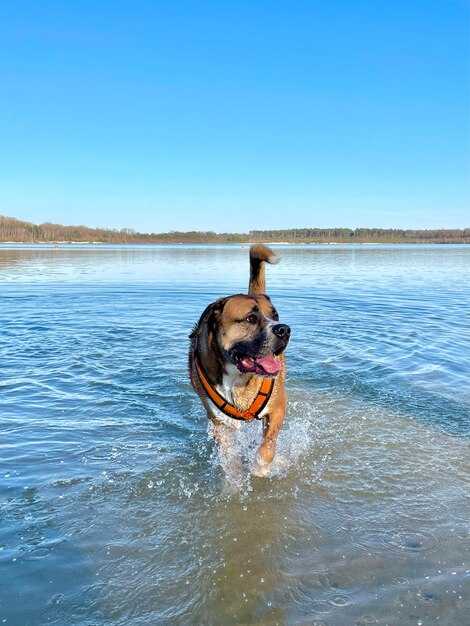
Install a dedicated, non-slip entry/exit ramp or shallow steps at every water access, with a full-width, dry landing the dog can stand on before stepping toward the water. A stable setup reduces scrambling and creates predictable footing for you and your dog, including smaller pugs and larger breeds alike.
Locate this area in a calm shoreline with minimal current and away from fishing gear. Choose a pet-friendly zone with plenty of space to approach and exit. Store flotation devices, treats, and cue cards nearby so you can reach them quickly during sessions.
Teaching a clear cue before stepping onto the ramp, such as “up” or “step,” then lift the dog onto the platform if needed. Use consistent hand signals and verbal prompts; youll build a reliable routine faster with short, focused practice sessions.
Keep sessions brief and full of positive reinforcement, aiming for 5–8 minute blocks with plenty of praise and small rewards. This award-winning approach improves compliance and makes safety routine rather than a chore; please stay consistent even when distractions arise.
Supervision should be constant during entry, exit, and initial swims; this is prevention in action. Use a long line for guidance if you need extra control, and watch for signs of fatigue or lethargy–pause before your dog tires and rest as needed.
In hot weather, train in shade or cooler parts of the day and offer water breaks to prevent heat stress. Do fewer, less intense sessions to keep fatigue and overheating from creeping in.
Store information sheets about safety and first aid within reach of the training area. Regularly refresh your knowledge with updated information and never ignore signs of trouble in your dog; this helps you decide what does or does not work for your pet.
For larger dogs, add a sturdier ramp with a gentler incline to reduce joint strain, and consider lift-assisted transfers if your dog struggles. For pugs, use a gentler slope and slower pace to accommodate brachycephalic breathing while keeping entries calm and controlled.
During fishing activities, maintain distance from boats and tackle and supervise interactions with others; youll keep the area safe and less chaotic for your dog while swimming near shore.
Keep a simple, repeatable routine: practice cues on dry land first, then near the water, and finally during actual swimming sessions. Keeping the process predictable reduces hesitation and improves compliance.
Pool Safety: Manage Drains, Fences, and Constant Supervision
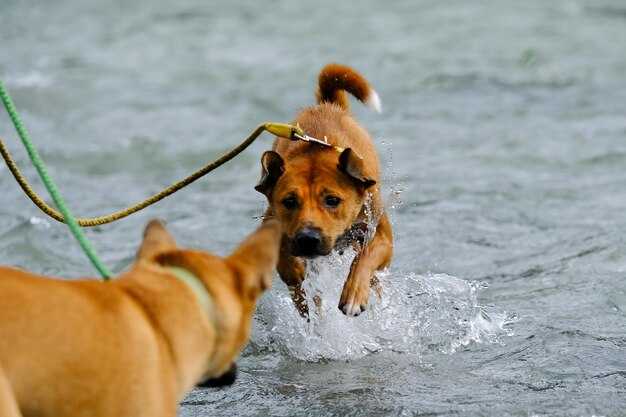
Install a 48-inch fence around pools with a self-closing, self-latching gate and keep it closed when a dog is nearby. Constant supervision within arm’s reach prevents dangerous slips, accidental entry, and risky motion near the water. Keep their favorite toy close to focus attention and guide their behavior away from the edge.
Install anti-entrapment drain covers that meet safety standards and check for cracks or loose screws monthly. Remove hair, toys, or debris that could clog a grate or trap a curious paw. Keep the area around drains dry and free of excess water to reduce slippage and entrapment risk.
Provide shade and a dedicated water station near the pool so every outing keeps dogs hydrated. Offer fresh water every 15–20 minutes and use a dog-safe sunscreen on exposed skin in bright sun. Much sun exposure increases risk, so a quick wipe-down after swimming helps them feel refreshed and supports health longer after play; limit time in the sun to prevent overheating. This routine helps keep their mood good and supports recovery for the next swim.
Teach simple cues around water, such as “come” and “stay,” and practice near the pool in calm weather. Use their favorite treats to reinforce safe behavior, and tailor the session if shaw is your dog’s name; it starts with short, frequent bursts and gradually increases exposure since confidence grows.
Provide a dog-friendly life jacket and a stable exit ramp or ladder so paws can leave the water easily. Choose textured, non-slip surfaces and test them with a dry run. If a dog falls in, approach calmly from behind, guide to the edge, and dry them off; monitor health signs and seek care if coughing, wheezing, or excessive fatigue occurs to help them survive a rough moment.
At night, keep lights on and use a motion sensor to alert you if a dog moves toward the water. Lock gates securely after use and place a barrier inside if needed to limit access during rest. Although this space sits near a marine environment, jellyfish are not a feature of pools, but debris or algae can cause irritation; remove any suspicious items and maintain a clean place for safer moments for all their family members.
Hydration, Breaks, and Post-Swim Care for Temperature and Drying
Provide fresh water every 15–20 minutes during water sessions and offer small sips to keep your dog hydrated; dont force drinking, closely watch for signs of thirst, and carry something lightweight like a collapsible bowl to enable more frequent sips, whether you’re by oceans or lakes. For off-leash adventures, check the water source and avoid algal blooms or jellyfish near shore; if you see them, move to clearer water. For most dogs, plan a brief rest after 15 minutes of splashing; let them breathe, seek shade, and reassess energy before continuing. Each session requires attention to hydration and comfort, and this approach provides the needed routine for safe play. Please keep an eye on hydration during long days and adjust accordingly.
Temperature and currents management: In hot conditions, shorten sessions and add more shade; take a 5-minute break every 15 minutes of active swimming and always provide fresh water. Monitor panting, tongue color, and willingness to return to shore; if you notice overheating, Only use cool water to dampen the chest and cue your dog toward a shaded area. When near strong currents, keep your dog on a leash or closely supervise and train recall to prevent drifting away.
Post-swim care: Rinse saltwater or chlorine from fur and paws, then towel dry thoroughly; brush out sand and debris, and check ears and paws for moisture or redness. Keep dry spots open to air, since excess moisture can lead to infections; if you see redness or a foul odor, consult a vet. A calm, award-winning approach to handling after swims helps future adventures stay comfortable and enjoyable for you and your dog.
| Scenario | Recommended Breaks | Handlingar |
|---|---|---|
| Beaches and oceans | 15–20 min play, 5 min rest | Offer water, check for algal blooms, jellyfish; rinse and dry |
| Hot days or strong sun | Shorter sessions, extra shade | Provide cooling towel, fresh water, monitor for overheating |
| Post-swim care | 5–10 min drying | Towel dry, inspect ears and paws, brush fur |