


 Svenska
  English (UK)
  Русский
  العربية
  日本語
日本語  한국어
한국어  Magyar
  Türkçe
  Español
  Čeština
  Português
  Ελληνικά
  Suomi
Suomi  Nederlands
  Română
  Italiano
  Français
  Polski
  Українська
  Deutsch
  简体中文
简体中文  Slovenčina
 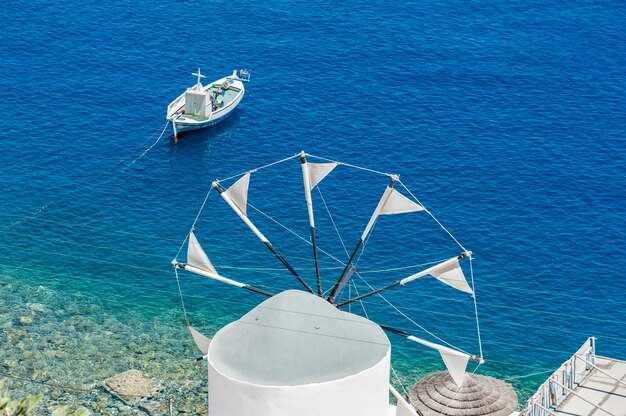 Greece Sailing Guide – Top Destinations, Itineraries &">

Börja i Lefkas i mars för pålitliga vindar, skyddade vikar och en nybörjarvänlig start som bygger självförtroende utan krångel. Stadshamnen erbjuder lugn tillgång, bränsle och färskt bröd från kajen, plus en vy över vitkalkade fasader som signalerar klassisk ö-stil. Med en viss nivå av skydd från de rådande nordvästvindarna kan du testa in- och utfartsprocedurer i grunda båtplatser och sedan ta ditt nästa hopp längs kusten.
Planera en femstoppsslinga som inkluderar Βασιλική, Porto Katsiki, Nidri, Meganisi och Sivota. Från Lefkas stad, bege dig till Vasiliki för vindskydd och en livlig marina; inlandsvägarna erbjuder biking vägar genom olivlundar till sluttningar med vyer värda mödan. Efter en lunch med octopus och citronpotatis, hoppa till Porto Katsiki för att simma nära dramatiska klippor, sedan till Nidri för att fylla på med färsk frukt och kaffe längs kajen. Kvällsalternativen inkluderar Meganisis lugna vikar eller marinan vid Sivota, där båtar kantar kajen och vattnet glöder i solnedgången.
Plus praktiska anmärkningar: observera lokala rules, kolla prognoserna minst två gånger om dagen, och staka ut en konservativ djup- och vindstrategi. Remember den marsch ger kyligare vatten och varierande hav, så packa lager och en våtdräkt för alla dopp efter en skrov-varv längs vitkalkade stränder. Föredra dagsturer när vindarna vrider från nordväst till nordost och justera seglen för att hålla en view i sluttningarna.
For beginners och erfarna sjömän likt, den level av kulisserna är rich: koboltbukter, kalksten sluttningar, pyttesmå kapell uppe på klippor ovanför vikar, och den perfekta ö-känslan utan trängseln. Använd cykelvägar för att utforska byar inåt landet och citronlundar; njut av dessa lugna stunder när du trampar förbi vitkalkade trappor och gränder. Den kulinariska noten: bläckfisk dyker upp överallt; prova grillad bläckfisk med oregano och olivolja som ett klassiskt minne.
Tidsmässigt, march erbjuder mindre trängsel och ett plus för färska råvaror när marknaderna öppnar igen. Var beredd på vårskurar och planera ett flexibelt schema; du vill ankra i vikar på natten när bergssluttningarna glöder rosa i solnedgången. reliable vindar tillåter en level kontroll över din plan, medan various Strandlinjerna erbjuder alternativa rutter om du vill ha mer skugga eller upplevelser i öppet vatten.
Kom ihåg sjöduglig utrustning: flytvästar, VHF-radio, en reliable ankare, och en jolle för att utforska vikar vid lågvatten. Använd lätta hanteringsregler för att säkerställa en lugn överfart mellan vikar.
Dessutom, för en journal över stopp, notera vilka platser som lämpar sig för morgonsimningar och vilka utsikter i skymningen som passar cykelleder längs bergssluttningar, för att skapa en väl avrundad plan som passar in various preferenser och energinivåer.
Grekland Seglingsguide: Bästa destinationerna, rutter & specialerbjudanden för våren
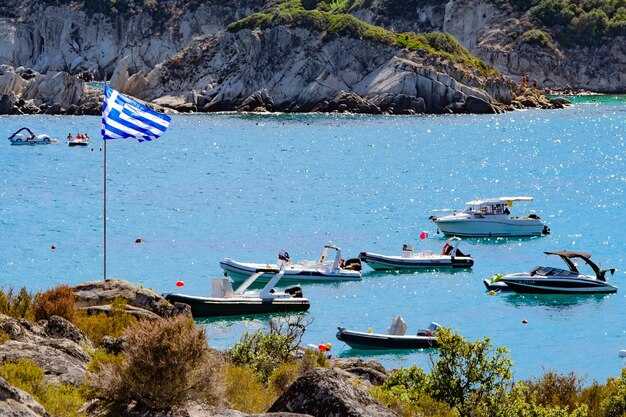
Boka en vårresa med återvändande gästers erbjudanden för att säkra bästa värde och lediga kojplatser.
- Lefkas – öppna vikar, gyllene solnedgångar och säkra förtöjningsplatser i kanalen; lugna premiärturer passar nybörjare och par lika väl och erbjuder otroliga kustlinjer.
- hjul – ikoniska tavernor vid vattnet, livliga barer och rätter som hyllar medelhavet; om du undrar vad du ska äta erbjuder Roda-restauranger grillad fisk och smårätter; perfekt för en avkopplande kvällspromenad efter en dag på vattnet.
- samos – antika platser och ett tempel på bergstoppar; välj ett matställe för färska skaldjur, meze och surdegsbröd; perfektion för ett par som återvänder efter tidigare resor.
- mellan Lefkas och Samos – en praktisk rutt för en slinga på 7–12 dagar med korta etapper, lugna vatten och gott om tid att utforska byar, vikar och kloster, som kan anpassas efter din egen takt.
- säsongstiming – årstider skiftar vindar; våren erbjuder milda vindar och öppna hamnar; juli kan medföra mer trängsel; hösten erbjuder svalare vindar och färre båtar på vattnet; detta skapar ett tillfälle att spara på priserna.
- mat & matplan – prova tavernor, besök matställen och testa regionala rätter; förvänta dig grillad fisk, bläckfisksallad och färska ostar längs kusten, med mycket mer att smaka på.
- säkerhet & regler - gå igenom säkerhetsreglerna före avfärd, bär flytvästar på öppet vatten, övervaka vädret och ha vhf till hands i varje hamn och andra dockningsplatser.
Bästa seglingsområdena på våren: Egeiska havet kontra Joniska havet
Recommendation: börja i Joniska havet för en lugn och avslappnad takt med flera skyddade vikar och korsa sedan till Egeiska havet för en typisk syn på ikoniska öar och ett livligt strandliv.
I Joniska havet bjuder tidig vår på lätta vindar och varma dagar, perfekt för både nybörjare och familjer. Du kan hoppa mellan Korfu, Lefkas, Kefalonia, Zakynthos, Ithaka och Paxos med förutsägbara passager och njuta av naturligt lugna hav och steniga vikar som avslöjar kristallklart vatten. Välkomnandet är varmt, med små hamnar som känns intima och fisk- och skaldjurstavernor som bjuder in till långa middagar efter ett soldränkt däck. Museer och kulturarvsplatser i denna korridor öppnar igen i april, vilket ger djup till vad som blir en avkopplande och fullständig upplevelse – perfekt för par som söker ett lugnt tempo och minnen för livet.
På andra sidan Egeiska havet erbjuder våren ett mer dramatiskt panorama och en livligare rytm. Cykladernas höjdpunkter som Milos, Paros, Naxos och Mykonos bjuder på vyer av vitkalkade byar mot en blå horisont, med solnedgångar som känns nästan filmiska. Milos sticker ut för sin vulkaniska geologi och klippiga vikar som inbjuder till utforskning, medan Naxos kombinerar stränder med antika museer och välbevarade stadskärnor. Du kommer att märka lite mer liv och rörelse i hamnarna när färjorna återupptar sin regelbundna trafik, men säsongen är fortfarande lugn nog för att njuta av långa simturer, fantastiska skaldjur och vindstilla dagar som passar dem som kommer från en skyddad start i Joniska havet. Vädret blir gradvis varmare, med de varmaste eftermiddagarna i slutet av april och maj, vilket är perfekt för att njuta av utomhuslivet i land och ombord.
Flera ankarplatser längs Kykladernas rutt erbjuder en blandning av sten- och sandstränder, vilket inbjuder till avslappnade simturer efter en dags segling. Den typiska kombinationen av calderavyer från Santorini eller en klippvandring i Paros tilltalar par och grupper som söker romantiska stunder och kulturell fördjupning, inklusive kulturarvsmuseer som visar upp lokal historia. Dagsutflykter till vulkaniska landskap på Milos eller till antika platser runt Naxos bidrar till ett komplett utbud av upplevelser, oavsett om du letar efter lugna vikar eller livliga marknader. Att inkludera dessa element gör att vårkalendern känns komplett, med naturlig skönhet och kulturliv som harmoniserar i en enda resa.
Praktiska råd: för att undvika väderfördröjningar, samarbeta med ett team som kan anpassa sig till vindförändringar och hamnstängningar, särskilt i Egeiska havet där havet kan vara livligt och hamnarna fulla. Planera en tidig start för att fånga dagens bästa ljus, segla sedan till en välkomnande by för en skaldjursfest och en vy av solnedgången. Om du reser med en partner kommer ni att få med er en samling minnen – typiska ögonblick av varm sol, vulkaniskt landskap och stenstränder som stannar kvar långt efter att ni återvänt idag. I båda regionerna hittar du ett liv i land som kompletterar dagens resa, vilket gör att hela säsongen känns meningsfull och full av liv.
3–5 dagars resplaner från Aten: Rutter i Kykladerna, Dodekaneserna & Peloponnesos
Svar: Börja med en 4-dagars cykladisk runda från en central hamn nära Aten: Paros, Naxos och Mykonos, och återvänd till en kuststad sen eftermiddag dag 4 för att hålla ett lugnt tempo och verklig avkoppling.
September-oktober bjuder på lugnare vindar, soldränkta dagar och mindre folkmassor, vilket gör att öppna vikar och klassiska byar kan utforskas i lugn och ro. Om du vill ha lite extra variation, inkludera en avstickare till Milos med vulkaniska kustlinjer och avskilda stränder; det passar som en kompakt utökning utan att bryta flödet.
För att variera utbudet inom ett 3–5 dagarsintervall, byt ut Kykladerna-segmentet mot en Dodekanesos-slinga: Kos → Kalymnos → Leros på cirka 4 dagar, med en eventuell Rhodos-länk om tiden tillåter; eller utforska en Peloponnesos-runda med bas i Nafplio och tråckla dig igenom Hydra och Poros, och avsluta sedan med Egina och en återresa via bro eller snabb flygförbindelse. Detta tillvägagångssätt undviker långa sträckor och håller tempot lugnare. Om du själv styr rodret är licenskontroller viktigt för öppna vattensträckor; annars, hyr en skeppare.
| Day | Väg / Öar | Restid | Ankarplats | Highlights |
|---|---|---|---|---|
| Day 1 | Aten → Paros (Parikia) | 4–5 timmar med snabbkatamaran | Parikia | s soldränkta stränder, klassiska kykladiska vita hus, vyer över öppet vatten |
| Day 2 | Paros → Naxos (Chora) | 1–2 timmar | Naxos stad | Templet av Apollons Portara, steniga stigar, lugnare vikar för simning |
| Day 3 | Naxos → Mykonos (Chora) | 1,5–2,5 h | Mykonos stad | livliga hamnar, soldränkta stränder, avskilda vikar i närheten |
| Day 4 | Mykonos → Aten | 2,5–4 timmar med färja; eller 40–60 min med flyg | Athens | återvänd med vidgade vyer, avslappnat tempo, varaktiga intryck |
Alternativa korta rutter inkluderar en Dodekanesiska öbåge: Kos → Kalymnos → Leros på 3–4 dagar, eventuellt med en avstickare till Rhodos om tiden tillåter; för en kombinerad land- och havsrunda på Peloponnesos, utgå från Nafplio och ta dig igenom Hydra och Egina, och avsluta med Poros innan en snabb återresa med bro eller flyg. Varje alternativ gör att städerna kan upptäckas och undviker onödiga förseningar.
Välja en charter: Bareboat, med besättning eller hyttcharter
Rekommendation: Att hyra en båt utan besättning ger mest kontroll och billigare totalkostnader om du har gedigna seglingskunskaper; Med besättning får du bekymmersfri planering med ett lokalt team; Kabincharter ger social segling med delade utrymmen och fasta scheman för semestrar eller förstagångsseglare.
För bareboat-charter krävs giltigt tillstånd eller nyligen utfärdad certifiering, en kapabel besättning och grundläggande sjömanskap, samt pålitlig säkerhetsutrustning ombord. Kontrollera båtens utrustning, elsystem och en tydlig ruttplan baserad på väder. Förbered en flexibel dag-för-dag-plan för sjöförhållanden och hamnmanövrar, inklusive proviantering och reservalternativ. För turer längs steniga kuster eller runt Samos och Tsambika, planera dagsutflykter, kontrollera vindbrisarna och håll dig inom säkra seglingstider medan du njuter av det blå vattnet, samtidigt som du följer lokala regler och navigerar varje vändning.
Bemannade alternativ inkluderar en kapten och ofta en kock eller värd. Teamet hanterar navigering, väderrouting och proviantering och tar de flesta beslut från dig. Detta är idealiskt för en matälskare som vill ha måltider tillagade ombord och fokus på sightseeing snarare än båthantering. Det hjälper också om du är osäker på havsförhållandena eller vill täcka längre sträckor mot östliga marknader eller kustvandringar, med stopp i lokala byar och havsutsikt.
Hyttercharter placerar flera resenärer i delade hytter på en mellanstor yacht, med gemensamma måltider och planerade hamnanlöp. Kostnaderna per person är lägre, men du delar måltider och scheman med andra. Det är ett bra val för semestrar när du vill träffa andra resenärer och ändå besöka hamnar som erbjuder vandringsleder och bergsstigar. Om du gillar att utforska steniga stränder och soligt vatten, kontrollera hur många stopp som ingår och vem som hanterar proviantering.
Faktorer att överväga inkluderar sällskapets storlek, erfarenhet och vad som ingår i ditt paket. Om du vill ha ett pålitligt lokalt team och expertis inom rutter, oavsett om du söker längre hav eller pittoreska hamnar, hjälper ett bemannat alternativ dig att täcka längre sträckor och varierade stopp. Om du längtar efter frihet och en lägre biljett ger bareboat kontroll över val av kurs och dagliga scheman. Om du reser med nybörjare eller föredrar social stämning erbjuder hyttcharter billigare alternativ med gemensamma måltider och möten i hamn.
Bokningstips: fråga om inkluderad bränsle, marinkostnader, skeppare eller värd, och om proviantering ingår i paketet. Förbered frågor om landutflykter, såsom vandrings- eller bergsleder, och om tsambika dagsutflykter eller samos sidutflykter. Bekräfta väderpolicyer, avbokningsvillkor och om du kan justera planen för påskhelger eller andra högsäsonger. När du har fastställt planen, boka tidigt för att säkra de bästa fartygen och rutterna, och ha en reservplan ifall vädret ändras.
Vårväder & Vindar: Meltemimönster och Hur Man Anpassar Sig
Börja med en skyddad bas i Saroniska området för att minska exponeringen när nordliga vindar ökar. Hydra, Egina och Poros erbjuder genuina ankarplatser och tavernor som fortsätter vara livliga in på våren. Källa vinddata från regionala stationer bekräftar morgonstiltje och eftermiddagsbyar som byggs upp när dagarna blir längre.
Meltemi under våren anländer gradvis: lätt bris i gryningen, sedan en daglig cykel med nordliga vindar som ökar framåt sen förmiddag. Förvänta dig genomsnitt runt 10–18 knop, med vindbyar upp till 22–25 knop när tryckgradienten ökar. Vattnet håller sig relativt lugnt nära lästränder, men offshore-sektioner kan visa skarpare sjö. För nybörjarbesättningar, reva storen till två tredjedelar och håll en stagfock redo för att bibehålla balansen när vindbyarna ökar. Även en liten segelbåt hanterar dessa vindar med korrekt revning.
Anpassning innebär att planera kortare etapper och anpassa seglingstiderna efter den dygnsvisa vindcykeln. Prioritera lugna morgnar, välj läskyddade vikar och förlita dig på ankarplatser som kan hålla i plötsliga vindbyar. Använd en lä-landsstrategi där det är möjligt och reva tidigt för att förhindra att segelplanet blir överbelastat när vindarna pulserar under dagen.
Dina vårrutter bildar flera klassiska leder: Egina till Hydra, Hydra till Spetses, Spetses till Poros, och sedan tillbaka mot Piraeus. Distanserna varierar ungefär 8–25 nautiska mil per etapp, vilket motsvarar cirka 2–5 timmars segling i stadig 6–8 knop, beroende på bris. Under lugnare timmar, håll dig nära populära hamnar; när vindarna ökar, föredra skyddade vikar och kortare hopp för att hålla vattenupplevelsen autentisk utan trånga nätter.
Under våren är många populära tavernor längs solupplysta hamnar livliga utan högsäsongens folkmassor. Om du söker lugnare kvällar, välj mindre kända vikar och återvänd tidigt för att undvika folkmassor. Flera hamnar erbjuder fridfulla nätter medan andra surrar av dagsbesökare; planera kring denna rytm för att balansera sociala stunder med lugna ankringar bort från folkmassor.
Säkerhet och utrustning: ha med en lättare stormfock, reva storen tidigt och övervaka prognoserna för de närmaste 24–48 timmarna. Ha en pålitlig VHF och en tydlig plan för att söka skydd om byarna tilltar eller vinden skiftar abrupt. Ta med extra vatten, en reservlina och en liten ankarlina för att säkra i en motsatt vindriktning bort från land och rev. Nästa steg inkluderar att bekräfta ditt basval varje morgon och justera seglen när vinden skiftar längs vattnet.
Hamnar, marinor och proviantering: Var man kan stanna, tanka och fylla på förråden
Börja vid Porto Lakki på Leros för ditt första stopp, eftersom den skyddade kajen erbjuder bränsle, vatten och en välsorterad marknad inom bekvämt räckhåll från piren. Ett par tavernor kantar strandpromenaden och erbjuder en avkopplande grekisk atmosfär och gyllene solnedgångar över avskilda vikar och sluttningar. För besättningar som chartrar är marinan en solid bas med tydliga säkerhetsrutiner och enkel logistik innan du beger dig till djupare vatten; den kombinationen tenderar att vara den starkaste starten för en nybörjare.
Mellan Lakki och lugnare ankarplatser längs den östra kusten är provianteringen enkel, inklusive Lipsi och andra närliggande småöar. Det finns marknader, ett bageri och en järnaffär inom bekvämt gångavstånd från kajen. De mest pålitliga leverantörerna är verksamma under säsongen och erbjuder färskt bröd, oliver, mejeriprodukter och is. Ett par lokala försäljare har dagliga leveranser till förtöjningsplatser och hjälper dig att fylla på förråden utan resor inåt landet. Även om öppettiderna varierar, bekräfta alltid bränsle och vatten med hamnkaptenen före avfärd; säkerheten är fortfarande en prioritet.
Patmos och Kos ökar kapaciteten för diesel, skeppshandelsvaror och längre vistelser; nattliv i de största städerna och en panoramautsikt över gyllene sandstränder och sluttningar är höjdpunkter. De starkaste vindarna tenderar att komma från den östra sektorn under vintrarna, så välj skyddade kajplatser och säkra förtöjningar. För en nybörjare, välj marinor med lugna inflygningar och tillförlitliga djupmätningar; chartertjänster är allmänt tillgängliga, och den grekiska atmosfären förblir välkomnande varje säsong. Majoriteten av hamnarna är baserade kring enkla marknader med färska grönsaker, mejeriprodukter och grundläggande båttillbehör; mellan lugna, avskilda vikar och livligare hamnar erbjuder varje stopp en avkopplande atmosfär; det är inte fallet överallt, men detta mönster passar rutten bra.