


 Svenska
  English (UK)
  Русский
  العربية
  日本語
日本語  한국어
한국어  Magyar
  Türkçe
  Español
  Čeština
  Português
  Ελληνικά
  Suomi
Suomi  Nederlands
  Română
  Italiano
  Français
  Polski
  Українська
  Deutsch
  简体中文
简体中文  Slovenčina
 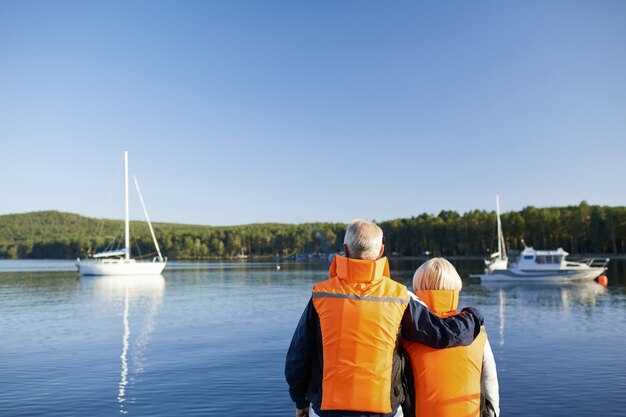 From Blue to Green – The Eco-Friendly Boating Guide for Sustainable Ocean Adventures">

Use battery-electric propulsion for your next boating outing to cut emissions and protect oceans and waterways. For a typical 6–8 meter craft, a 10–20 kWh system can power a modest motor for several hours, depending on speed and load. If the electricity comes from a clean grid, emissions drop dramatically; even with mixed grids, operational emissions are far lower than from gasoline engines. Pair this with an efficient hull form and smart operating practices to lessen fuel use and protect seagrass beds while you explore the coast.
Choose marine-safe cleaning products: biodegradable, phosphate-free, and labeled for use near water. Store a small kit with a reusable sponge, a dedicated rinse container, and a waste bag to collect wipes and packaging. Keep a copy of your cleaning plan to share with crew and other members of your waterway group, and discover best practices from local authorities through videos.
Train your crew in waste handling and gear choices to lessen impact. A 2‑hour module covers anchoring without harming seabed habitats, selecting marine-safe fenders, and reporting spills. Assign a member to oversee trash, leaks, and water quality; this will make the crew more training to maintain consistency in practices and ensure quick response during events.
Minimize disturbance to seagrass and wildlife by choosing anchor locations carefully, using moorings where possible, and avoiding beds with dense seagrass. Case studies show that alternating routes and gear choices can keep boat traffic away from sensitive zones and reduce sediment disturbance. Rely on posted guidelines, and prefer routes that maintain healthy water clarity and habitat integrity.
Monitor progress and share information with the community. Keep a simple log of fuel use, cleaning days, and waste disposal. Create and post short videos that illustrate your crew’s practices; distribute them to boaters’ clubs and waterway associations. In a coastal region, adopting marine-safe cleaners and non-ingress filtration cut local trash by a noticeable margin over a season. Use this data to discover trends and spread good practices across other groups.
Form a practical plan and engage your crew to make a cleaner, greener boating routine. Build a 4‑step checklist: gear selection (embrace electric or hybrid options), cleaning and waste handling, anchoring and route planning to protect seagrass, and sharing information with others. Use the information you gather to discover better habits, and recruit other members to support training and events. By making small, consistent changes, both boating enthusiasts and communities along oceans and waterways will benefit.
SeaKeepers: Eco-Friendly Boating Initiative
Install a marine-grade bilge filter on the discharge line and connect to shore power whenever docked to limit contaminants entering the oceans. This direct action reduces pollution with minimal effort, keeping waterways cleaner during sailing and boating operations. There is a measurable benefit in every port when crews commit to this simple upgrade.
SeaKeepers offers a scalable Eco-Friendly Boating Initiative that empowers crews to perform onboard sampling and logging. The program provides training, simple sensors, and a form to record water quality, weather, and vessel emissions. By participating, you turn sailing into a data-driven effort that informs local actions and research, growing awareness among crews and port authorities.
- Power onboard systems with solar or wind energy; switch to shore power to cut emissions. Favor green energy whenever possible.
- Choose environmentally friendly antifouling, cleaners, and detergents to protect waterways and habitats.
- Plan routes to minimize distance and maintain steady speeds, reducing fuel use and air pollution.
- Log each voyage using the onboard form; источник is the data-source field that helps researchers trace the origin of measurements.
- Minimize anchoring impact by using moorings and avoiding sensitive seabed areas where seagrass beds or coral nurseries thrive.
- Educate crew and passengers to raise awareness about protecting oceans and local ecosystems.
These steps translate daily boating into tangible improvements: cleaner water, healthier habitats, and more accurate maps of water quality across local waterways, with much data to guide decisions. Implementing SeaKeepers practices on board any sailing craft presents a clear path to reducing footprint without slowing adventures, turning green choices into lasting benefits for oceans and communities. There is value in starting today, and this is what sailors can do today to protect the oceans.
Join SeaKeepers: How to Partner, Volunteer, and Support Ocean Research
Email us to start a partnership today; SeaKeepers will respond with guidelines and a tailored plan to advance environmentally responsible research on oceans, seas, and waters.
- Guidelines for environmentally responsible data collection that you can follow with your team on boats or shore-based activities.
- Access to a global network of scientists and boater volunteers collaborating across oceans and seas.
- Co-authored reports and dashboards that track trends in water quality, wildlife sightings, and pollution patterns; reducing impacts over time.
- Formal recognition for contributions and onboarding that fits your schedule and capabilities.
- Onboarding that trains you to use standardized data forms and safety practices, properly documenting activities.
- Dedicated support via email for questions, scheduling, and feedback, will respond within business days.
- Whats offered: clear benefits and responsibilities, plus a simple path to get started that works for recreational boaters and commercial fleets alike.
- Volunteer opportunities: on-water and land-based activities, including water quality sampling, debris assessments, habitat surveys, and marine life observations.
- Performing citizen science tasks while aboard boats or during shore activities; all data contributions feed into discoverable datasets about waters, habitats, and pollution sources.
- Awareness campaigns and spreading information in local communities to improve habits and protect waterways.
- Training sessions to learn proper data collection techniques and reporting protocols.
- Boater involvement: join voyages and local outreach events that align with research priorities and provide hands-on experience.
- Use our templates to log trips, fuel use, waste management, and disposal practices to support reducing environmental impact.
- Share best practices with fellow boaters to extend the reach of ecological stewardship.
- Support options: donations, equipment loans, and sponsorships that advance marine research; rewards include recognition in reports and invitations to exclusive events that highlight discoveries.
- In-kind contributions such as vessel time, maintenance, and outreach hosting that amplify the impact of research on waters and habitats.
- Partnerships with clubs and fleets to amplify spreading awareness across communities and networks.
- Email your interest with a brief description of your vessel, location, and the type of activities you want to support.
- Review guidelines and select a partner track: environmentally responsible data collection, marine education, or outreach campaigns.
- Attend a 60-minute onboarding session to learn data standards, safety, and reporting templates.
- Participate in your first voyage or activity, collecting standardized observations on waters, boats, and habitats.
- Submit data via the online form and join monthly calls to discuss discoveries and ongoing work.
Our Position: SeaKeepers’ Stance on Sustainable Boating Practices
Choose fuel-efficient operations and environmentally friendly products onboard to reduce environmental impact on each voyage. What you do matters; a concrete step helps you measure progress and raise awareness among the crew and fellow boater. Use the site form or email to share your results and support a broader case for better practices.
On activities during sailing and voyages, take concrete actions: properly manage bilge water, avoid discharging overboard, store waste in reusable containers, and take measures to save fuel. For example, trim sails to match wind, keep hull clean, and schedule engine runs to avoid idling. Regular engine tune-ups and propeller cleaning can cut fuel use by 5-15% per voyage, depending on conditions.
Medvetenhet drives better decisions: share wildlife sightings, report pollution, and document case studies. Use examples from real cases to illustrate the difference your actions can make when you take care of the site and its wildlife. This approach strengthens research and supports ongoing marine science.
SeaKeepers will support boater efforts by providing research, practical tips, and a simple submission form to capture your case and voyages. You can email us or use the site form to submit details: boat type, engine model, fuel use, waste practices, wildlife observations. This feedback will guide recommendations and build a stronger network of activities that are environmentally minded while sailing.
Green Boating Guide: Key Steps for a Low-Impact Voyage
Start with a fuel audit and a lean route: carry only gear you need, inspect the hull for drag, and schedule weather windows to cut engine time.
Plan to sail with the wind whenever possible; reduce idle engine use, and opt for green options such as electric or hybrid systems if your boat has them, to lower emissions and protect health of local waters.
Onboard waste care: install bilge socks, capture bilge water, and discharge only at approved facilities; seal any leaks and carry waste bags for trash and recyclables.
Wildlife awareness: maintain a safe distance from animals, keep voices down, and observe distance rules; conduct research via trusted sources and report sightings to gather data that guide future trips with accurate information.
Energy efficiency: use solar or wind power where possible, limit engine hours, and when anchored use shore power or a genset only briefly; this cuts fuel use and supports green boating.
Anchoring and waterside care: choose sites that minimize seabed disruption, keep lines tidy, avoid anchoring on seagrass beds, and use pumps and toilets properly; this protects ecosystems and health.
Learning and sharing: provide boaters with videos and information that show best practices; follow updated guidelines, and help others discover ways to cut impact.
Track impact: keep a simple onboard form to record fuel use, waste generated, wildlife interactions, and actions that lessen impact; analyze results after each voyage to improve.
источник information shows local guidelines from trusted groups; seek local sources to adjust your plan and reinforce responsible boating with the community.
Make An Impact: Track Actions and Share Results
Begin with a shared action log that every member fills after each trip. This log highlights actions that protect the environment and the impact you make there.
Use a ready template in your guide to track data points for activities: waste saved, fuel reduced, the health of seas, products chosen, and precautions followed.
Examples of actions show the path to improvement: reef-safe sunscreen, reusable cups, proper waste disposal, gear checks that prevent leaks, and practices that protect animals.
Copy the data into a monthly report and share results with your crew, boaters, and international partners via short videos, infographics, and sponsor offers.
Precautions matter: verify that actions do not stress habitats or animals, monitor weather, and log near-misses to keep every voyage safe. Keep field research notes and sightings to refine practices.
Set targets to lessen footprint: cut plastic use by 25% in six months, reduce fuel burn by 5% per trip, and log two wildlife observations.
Track impact to support the mission and help partners with grants or offers, with a transparent report that can be copied for newsletters.
What next? Ready to act: gather your member team, assign roles, and begin with a 30-day tracker to prove the benefits and save seas.
Become a Green Boater: Certification and Training Pathways
Enroll in a recognized Green Boater Certification within your first season to establish a clear onboard protocol and start reducing fuel use and waste. A verified credential helps you translate knowledge into practical actions aboard your boat, and sets a good example for other crew members.
Whats available includes online modules, in-person workshops, and on-board demonstrations. Each form of training builds practical knowledge for reducing emissions, proper cleaning routines, and health-aware maintenance.
Most programs run 6–12 hours and cost about $100–$300, with a mix of theory and hands-on performance checks. Completing the course yields a credential that signals to members and marina staff that you follow guidelines, allowing you to save much fuel while keeping health and safety onboard.
Difference across options matters: foundational tracks cover energy efficiency, waste handling, and basic safety, while advanced tracks add case studies and peer reviews. Look for providers that offer guidelines approved by a trusted источник and ensure there is a verification checklist to earn the credential. You can pursue both the basic and advanced routes to strengthen your boating profile.
To choose effectively, compare duration, cost, and how the certificate translates into onboard behavior. Seek programs that include on-the-water or simulated scenarios, and favor formats that fit your schedule as a member of the crew. For fueling decisions, follow guidelines that emphasize reducing fuel burn and limiting idle time, which saves fuel and protects health while at sea.
| Program | Duration | Focus | Typical Cost | Certification/Outcome |
|---|---|---|---|---|
| Green Boater Certification (National) | 6–8 hours | Energy efficiency, waste management, onboard practices | $120–$180 | Green Boater credential |
| Clean Marine Training | 1–2 days | Cleaning procedures, pollution prevention, reducing runoff | $150–$300 | Certificate suitable for marina programs |
| Health & Safety + Sustainability Module | 4 hours | Health onboard, basic safety, sustainable guidelines | $60–$100 | Module certificate |
Talk to Us: Contact Channels, Feedback, and Collaboration
Use our site contact form today to reach the team; there is a fast track for issues, feedback, and collaboration, and we respond within 48 hours.
Beyond the form, you can reach us via the official email listed on the site or through our social channels for quick questions and updates.
To speed things up, include your location, a concise description of the issue or proposal, the voyages involved, and any data or photos that support it.
We classify input into issues with guidance or training, requests for new resources, and collaboration offers with clubs, research partners, or NGOs.
Collaboration options include pilot programs with local clubs, site-specific trials for bilge cleaning procedures, and shared training modules that promote environmentally friendly habits aboard.
We provide clear timelines: triage within 2 business days, follow-up within 5 business days for non-urgent items, and ongoing updates on improvements via the site.
Practical tips for readers on board: adopt habits that lessen waste and reduce plastic, keep bilge clean with proper cleaning procedures, store fuels and cleaners securely, dispose of waste responsibly, and use environmentally friendly products to protect waters, seas, health, animals, and habitats.
Precautions: report leaks or spills through the site immediately; follow local rules and best practices for protecting ecosystems and reducing harm during voyages.
We publish quarterly reports that help you discover progress, show the difference our actions make, offer more training to boost responsible boating while protecting health, waters, and seas.
We also welcome partnerships with researchers, clubs, and communities; this site offers opportunities to test ideas, bring them into training, share data, and improve guide materials that support greener voyages and safer waters.
This site serves as your guide to safer, cleaner boating on environmentally minded voyages and helps turn every detail into practical actions you can take on the water.
Your input keeps this guide practical and relevant for everyday boating, helping protect wildlife, waters, and communities.