


 Svenska
  English (UK)
  Русский
  العربية
  日本語
日本語  한국어
한국어  Magyar
  Türkçe
  Español
  Čeština
  Português
  Ελληνικά
  Suomi
Suomi  Nederlands
  Română
  Italiano
  Français
  Polski
  Українська
  Deutsch
  简体中文
简体中文  Slovenčina
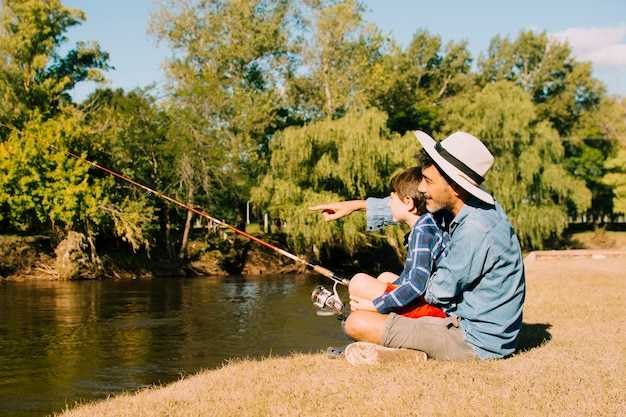
Located along the southern coast, vilamoura serves as a seat for a practical maritime expedition, offering sheltered harbors, floating cabins for rest, reliable motor options to reach offshore banks from where species gather near ledges.
From ages past, the maritime history shapes current routes; lighthouses mark the passage of seafarers, cabins along the quay store gear. Generations of boatmen shaped local tactics, influencing what you can catch at different times from winter to late spring.
When planning a voyage, select a vessel with a reliable motor; safety requires life jackets, VHF radio, clear crew briefing during every outing. A calm lunch on deck elevates the experience; travel time becomes an enjoyable ritual. The schedule includes tides, sunrise light, calm periods when the bite improves.
Prime locales lie along the coast between Faro and the Ria Formosa, where shelf edges drop quickly, widely used by local boats targeting tuna, sardines, wrasse. Going early yields calmer seas, better light, first catches. These locales offer varied levels for anglers with different goals. A short run to offshore banks yields bigger pelagic action during late spring dates when the water warms and visibility improves.
Weather can change quickly; snow is rare on the coast but inland elevations may see it in winter, so dress accordingly. The climate remains mild, with sea breezes, which keeps water temperatures stable enough to support predictable bites for species like sea bass, gilthead seabream, mackerel. Clear mornings boost visibility; the horizon glows as the sun rises.
Discuss with locals the history, share experiences using hand signals, compare tackle levels, unlock practical knowledge from crews with years of maritime practice. The coast rewards patient observation through light, wind, water color. The overall beauty of the coast lies in the contrast between sandy coves, rocky ledges, with the twilight glow over the sea.
Portugal Fishing Essentials: Where to fish, when to go, and practical trip planning
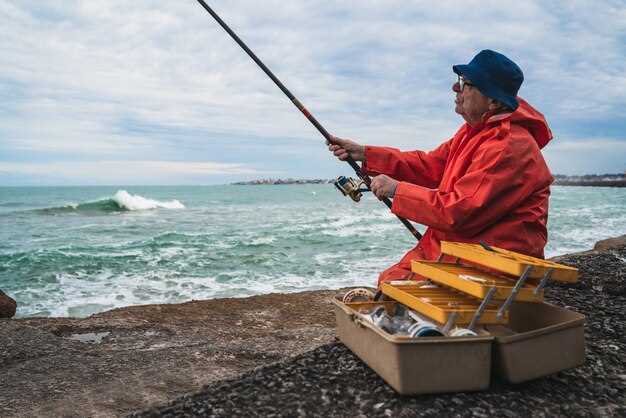
Recommendation: Vilamoura in May–June delivers prime marlin action; book a one‑day charter via a trusted storefront operator; morning departures suit first‑time anglers; crew delivers tackle, permits; local briefing; youre ready to target billfish; bass runs along shelf‑drops provide a slower, classic alternative; a storefront offers tailored itineraries; many anglers prefer that option.
Prime zones include Vilamoura’s offshore banks; Lagos banks farther west from the mainland; Sesimbra shallows near the Setúbal Strait; offshore seamounts draw marlin, tuna; nearshore reefs shelter bass, bream, smaller species; coastal islands off the Algarve provide snorkeling days; boarding on these boats occurs smoothly; your board remains clean; you face fewer crowds while going exploring.
Time window: peak pelagic life spans May through September; dawn departures yield calmer seas; monitor winds; schedule multi‑day island hops; bali‑style offshore itineraries inspire some planners; real‑time reports come via michigans clubs, cheboygan fleets; call for updates; when marlin comes, the bite comes quickly.
Trip planning: licenses handled by the captain; going with a licensed vessel means zero hassle; license requirements require valid permits; Vilamoura dock serves as primary boarding point; choose maritime‑compliant crews; staff provide briefing; gear packages vary; pack light layers, sun protection, polarized sunglasses; field notes from island itineraries suggest leaving room in your schedule for shore visits; shore celebrations may happen locally; call ahead to confirm equipment; weather, departure windows; good weather makes going offshore more comfortable; everyone benefits from concise planning.
Top coastlines, estuaries, and rivers for fishing across Portugal
Head to Tagus Estuary at first light in May through June; these waters allow snorkeling through reed beds; tidal creeks, muddy flats; the dive reveals bream schooling near mud banks; average size 25–40 cm within sheltered channels; bait tanks store live bait; lures 6–14 g spoons; soft plastics 4–8 cm; use a 0.25 mm leader; guides prefer 2.0 m rods; reels in 2500–4000 size; we’ve seen yachts anchor nearby at dawn; board a small craft; when tides shift, bite windows open during hours around dawn; fitting of gear matters; thank you for noting this.
Along Algarve, Ria Formosa estuary, Sado Estuary feature lagoons, tidal channels, barrier beaches; Ponta de Sagres marks a key juncture; ponta appears in guides to mark local spots; these waters host bream, sea bass, mullet; snorkeling reveals eelgrass pockets; guides list practical rigging; lures include spoons 6–14 g; soft plastics 4–12 cm; bait remains essential; a bait tank on board keeps live bait; yachts cluster in the marina nearby; when currents shift, bite windows narrow; average sizes vary across spots; display catches on a portable board; thank you.
From Douro River near Porto to Mondego River near Coimbra, river scenery shapes the catch; Douro yields bream, roach, carp during spring floods; Mondego hosts chub, dace, black bass in late summer; Tagus mouth offers flatfish, gobies; sizes range 20–45 cm; lures 8–16 g; soft plastics 6–10 cm; tackle includes 1.3–2.5 m rods; reels 3000–4000; guides provide board and gear; while trips run, we’ve seen dives exploring shallow pools; diving remains optional; display of catches on a portable board; when planning, consider water clarity hours; some guides mention mackinaw-sized lures for freshwater reservoirs; however, in tidal rivers such gear remains mostly decorative.
Regional seasonal targets: how fish availability shifts through the year
Target amberjack around a creek inflow feeding shallower zones off the western Algarve in late spring through early autumn; schools form around reef edges, activity levels rise with temperature, prime bites occur in early mornings when the sea is serene.
- Spring (March–May): amberjack hover near offshore banks with creek inflow feeding shallower zones; water 15–18°C; depths 40–100 m; tackle: 60–120 g metals or soft plastics; times: dawn; only dawn windows yield the steadiest bites.
- Summer (June–August): bonito, small tuna join amberjack around wide shelves; water 18–22°C; depths 60–140 m; lures: poppers, metal jigs; prime windows: first light to sunup; plan trips along expansive ledges.
- Autumn (September–November): large amberjack reappear near offshore ledges; other targets include dentex, gilthead seabream in 50–120 m; water 16–20°C; time slots: late afternoon, dawn; approach: drift along edges toward deeper water.
- Winter (December–February): depth-focused tactics; deeper wrecks off central coast; water 14–16°C; trips emphasize stable seas, calmer conditions; use heavier tackle 100–180 g; stay flexible with pacing.
Trip planning options: wide catamarans provide open decks for viewing; seating choices include shared benches or a private seat; captains tailor trips towards productive reefs; early departures align with amberjack activity; boarding with crew supports safety; here your style, preferences always shape the plan; explore from creek back to offshore banks; between estuary inflows, wide ledges reveal deeper water zones; delve into wrecks; share experiences with friends; beauty rests in serene mornings, open water horizons.
Does this fit your schedule? Booking early keeps access to prime windows along the coast.
Licensing, rules, and ethical guidelines for Portuguese waters
Prior to any voyage, obtain a valid licensing card from the local authority for recreational marine activities; this requires proof of identity; verify with the harbor master; secure a skipper’s certificate for your vessel; consider arranging rentals through a licensed operator.
Rules vary by coast segment; protected zones exist such as Berlengas; within these zones, restrictions apply on gear, quotas, catch size; seasonal closures limit key species; prior to planning, check notices published by local authorities; cancellations may occur if updates arise.
Ethical guidelines emphasize minimal harm to wildlife; prefer circle hooks, barbless gear; handle releases with wet hands; return undersized or protected species immediately; respect reef ecosystems; divers should maintain distance from natural habitats; care for living resources.
Rentals and charter vessels require a commercial permit or tourism activity authorization; ensure hull insurance is current; crew declarations valid; every crew member holds required credentials; safety equipment meets national standards; canvas decks require maintenance.
Before departure, confirm cancellation policies; pick the right time to sail with calmer seas; select early bookings to reduce late changes; map reef protections; secure licenses for crew and vessel; Bali, huron, Mackinac comparisons remind that licensing varies by region; changes may occur through time.
From a practical viewpoint, the most pleasant trips in Portuguese waters occur with world-class operators; divers use jigging gear, plus other tackle; a yacht or mid-size vessel suits many plans; springs bring milder winds, improved visibility, right conditions for reef exploration; fuel planning matters; picking times, time windows, early bookings help; evenings under stars reveal marine activity; over years, safety culture has grown.
Gear setup, local tackle options, and choosing charters or guides
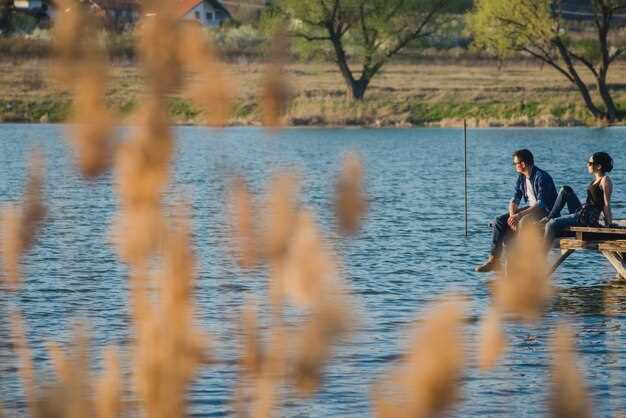
First, purchase a single versatile outfit for deeper Atlantic trips: a 7’–8′ medium heavy rod; a smooth drag reel; 30–60 lb braid; 60–80 lb leader; a compact tackle box; a bait tank; a lightweight rain layer. Then scale to a heavier setup during peak season or on deeper routes.
Madeira influences persist along the coast; Vilamoura shops supply fresh line, swivels, hooks, jigs, lures, spare spools; weve purchase some gear from local outlets; includes basic rigs plus sea-tested alternatives; budget picks exist for entry‑level outfits; warm climate reduces need for heavy protection; price ranges 15–40 EUR for basic lures; rental kits come with hooks, traces, snap swivels; getting started may begin with a simple setup.
Charter options range from catamaran day trips to offshore expeditions; supervision comes from licensed skippers; Duration choices include half‑day, full‑day, multi‑day programs; This option includes tackle, bait, coaching; others require you to supply your own outfit or purchase on board; learning curves vary by levels; vilamoura, madeira offer warm hospitality, rich scenery, memorable adventures; call ahead to verify gear, insurance, on‑board facilities, supervision; for first timers, select a provider with clear safety briefings, slower pace, beginner tracks; mysteries of annual migrations reveal themselves via skipper‑led itineraries; here is a practical checklist: boat size, crew credentials, bait handling, on‑board tank capacity, permitted catches, cancellation policy; private charters suit families, groups, or couples; some packages includes a catch ceremony after release.
Practical trip planning: tides, weather, safety, gear packing, and budgeting
Pack a compact emergency kit; organize a waterproof gear bag within easy reach during boat rides. Include a spare battery, a first-aid kit, a whistle, a flashlight. Add basic tools, spare line, a small tackle repair kit.
Within coastal plans, align with tide cycles; check charts a day ahead; prefer late morning to moderate sunlight; july sessions bring stronger sun, shorter windows, variable swells. marlin opportunities vary with current, wind; require a precise window for boat launches.
Weather checks matter: monitor wind trends, air temperature, sea state; in Portugal the Atlantic shifts quickly; expect blue horizons, dazzling light; pack waterproof shell; sunglasses, sunblock, hydration. Nearby rivers, lakes, coves carry local history shaping access rules.
Safety plan: designate supervision for groups; keep life jackets sized for all; maintain line-of-sight; carry a VHF radio, a mobile with coverage; review emergency procedures before departure; where permitted, swim within designated zones only; witness harbor safety ceremony if available.
Gear packing checklist: tackle bag; spare hooks; pliers; knives; spare line; float rigs; bait container; spare batteries; waterproof case for electronics; headlamp; rain cover; electric light source for night sessions; compact repair kit; waterproof map; dry bags for clothes; spare shirt; moisture-wicking layer.
Budgeting blueprint: estimate transport costs; boat hire; fuel; meals; permits; gear rental; weather contingency; book passes ahead; shared gear reduces cost within groups; july trips may carry higher demand; for routes via burgdorf hub, arrange transfers early; keep a simple ledger to split charges; this approach makes the overall experience more enjoyable; witness transparent accounting by all; Permits require renewal when appropriate.